9 Traditional Taiwanese Clothing Styles That Reveal the Island’s Heritage

November 18, 2026
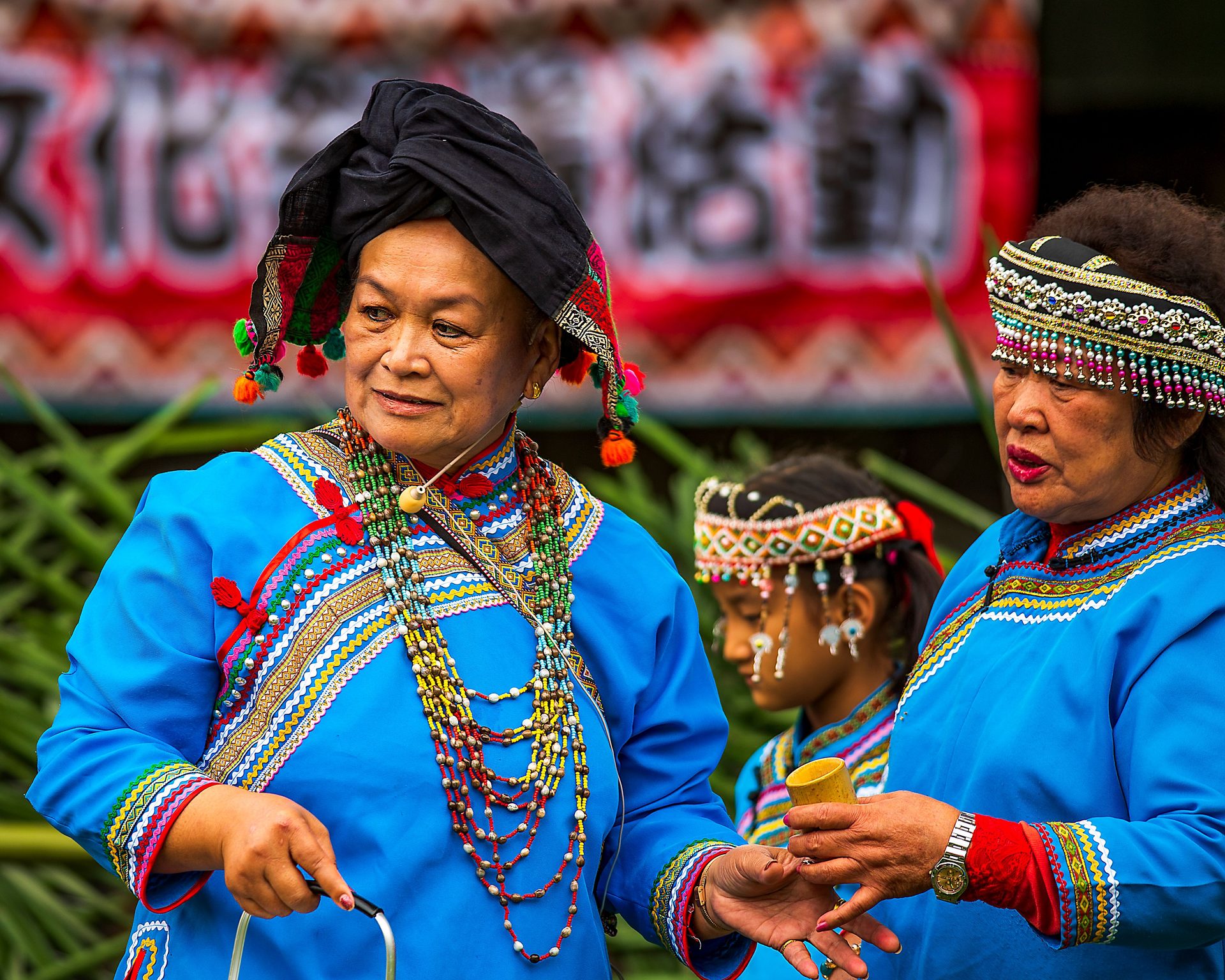
Taiwan has no single national costume, and that gap tells its own story. Traditional Taiwanese clothing was shaped by Hoklo farmers, Hakka field workers, more than a dozen Indigenous peoples, decades of Japanese colonial rule, and a wave of Shanghai-trained tailors who arrived after 1949. One research overview of the island’s dress history puts it plainly: “No — and that’s a historical fact rather than a gap,” since “four centuries of changing rulers left Taiwan with layers of traditional dress instead of one standardised costume.”
Rather than hunting for one outfit that represents the whole island, it helps to look at nine specific garments, each tied to a community, a trade, or a ceremony. Some, like the qipao, still appear at weddings. Others survive mostly in museum cases and village festivals, kept alive by people who refuse to let the thread break.
| Garment | Associated Community | Typical Use |
|---|---|---|
| Liangmao | Hakka people | Fieldwork and outdoor labor |
| Shan-ku | Hoklo and Hakka settlers | Everyday work clothing |
| Kou-Zui-Xie | Han Taiwanese women | Daily and formal footwear |
| Embroidered slippers | Han and Indigenous communities | Weddings and festivals |
| Qipao | Post-1949 Han Chinese influence | Formal and ceremonial wear |
| Feiyufu | Tao (Yami) people, Orchid Island | Flying fish season rituals |
| Lukkus-kaxa | Atayalic-speaking Indigenous groups | Ceremonial weaving and status dress |
| Qbubu’ | Atayal people | Status and ceremonial headwear |
| Mayon | Eastern and southeastern Indigenous communities | Ceremonial attire |
1. Liangmao
The liangmao is a traditional bamboo and/or straw hat worn by the Hakka people who perform manual work, such as farming and fishing. Hakka women wore it when working in the fields, and the wide brim with its fringed cloth curtain was built to block sun and rain during long hours outdoors. Beyond its practical use, the hat carries weight as a cultural marker: it is described as “the most public symbol associated with the Hakka”.
Gankeng, a town long associated with the craft, became a hub of production; the people of Gankeng have been making liangmao for more than 200 years. Production wasn’t limited to Hakka wearers either, since the hat’s practicality crossed ethnic lines — it is also worn by non-Hakka women who work outdoors. A few Hakka women still wear the liangmao when working outdoors nowadays, which makes it one of the rare pieces on this list that never fully disappeared from daily life.
Woven sun hats for fieldwork aren’t unique to Taiwan — many agrarian cultures developed similar solutions, including the conical sedge hats seen in traditional Japanese clothing. What sets the liangmao apart is the cloth curtain and its specific tie to Hakka identity rather than a broader national style.
Pro Tip: If you see a liangmao at a cultural festival, look for the colored fringe along the brim edge — fringe color and length historically signaled a wearer’s marital status and age within Hakka communities.
2. Shan-Ku
Shan-ku is the everyday tunic-and-trouser combination worn by both Hoklo and Hakka settlers who arrived in Taiwan from southern China. The traditional clothing for Hoklo men and women comprised shan-ku, a tunic-and-trousers ensemble, with tunics featuring a deeply curved hem and narrow piping on collars and sleeve edges. Everyday wear commonly used brighter colours such as light blue, while deeper blues, purples, or turquoise were reserved for special occasions.
Hakka men and women also wore shan-ku, but with a sober colour palette — typically navy or black — for daily work. One Taiwan-focused source describes the garment more bluntly as “a side-fastening jacket over loose trousers, cut wide, made of cotton or ramie, fastened with hand-knotted cloth buttons rather than anything metal”. For farming families, durability mattered more than style, since the same set of clothes was patched and re-worn for years rather than replaced.
This kind of plain, durable workwear has close parallels elsewhere — rural traditional German clothing includes similarly practical, regionally coded garments built for farm labor rather than display. In Taiwan, the shan-ku’s simplicity stood in direct contrast to the silk robes worn by wealthier merchant families in port towns like Lukang and Tainan.
3. Kou-Zui-Xie
Kou-zui-xie refers to a style of hand-sewn cloth shoe worn by Han Taiwanese women, named for its distinctive pointed, slightly upturned toe shape — literally a “mouth”-shaped front. These shoes were typically made from layered cotton soles and fabric uppers, stitched by hand rather than purchased ready-made, and were part of the broader tradition of home-sewn footwear that accompanied the shan-ku ensemble in daily Han Taiwanese life.
The shoemaking tradition in Taiwan sits downstream of older Han Chinese footwear customs. Earlier generations of women in Qing-era Taiwan wore embroidered bow shoes, commonly known as three-inch golden lotus shoes, tied to the bound-foot custom that persisted among some Han families before it was phased out. Kou-zui-xie represents a later, more practical evolution of that footwear tradition — still hand-embroidered, but built for walking rather than display.
Hand-embroidered pointed footwear isn’t exclusive to Taiwan. Similar traditions of decorative, hand-stitched shoes show up across Asia, including embroidered juttis within traditional Pakistani clothing, where toe shape and stitching pattern also signal regional identity.
4. Embroidered Slippers
Embroidered slippers cover a broader category than kou-zui-xie — these are the decorative, often brightly colored shoes worn for weddings, festivals, and formal visits rather than daily labor. Red was the dominant color for bridal and festival slippers, chosen for its association with luck and celebration, while motifs like peonies, phoenixes, and butterflies carried their own symbolic weight.
The embroidery techniques behind these slippers connect to a wider pattern in Taiwanese textile history. Taiwanese floral fabric blends a rich mix of design elements from Chinese, Japanese, Western, and Indigenous Taiwanese cultures, and slipper embroidery often borrowed from the same decorative vocabulary used on bedding, clothing trim, and festival banners.
- Bridal slippers: typically red or pink, paired with the wedding qipao or Western gown
- Festival slippers: brighter, more varied colors worn during Lunar New Year and temple celebrations
- Indigenous variants: some highland communities produced their own beaded or woven footwear for ceremonial dress, distinct from Han embroidery styles
Embroidered footwear as a formal-occasion marker is a pattern that shows up well beyond Taiwan — hand-stitched mojari sandals within traditional Indian clothing serve a comparable role, signaling celebration rather than daily wear.
5. Qipao
The qipao is the garment most people picture first when they hear “traditional Taiwanese clothing,” even though its roots trace to 1920s Shanghai rather than the island itself. After 1945, the Kuomintang government promoted Chinese dress — such as the qipao — to assert national identity, and the style took hold among professional and elite circles in Taipei as Shanghainese fashion practices arrived with the post-1949 migration.
Key Insight: The qipao’s status in Taiwan is politically loaded in a way it isn’t in mainland China. Research comparing the two populations found that Taiwanese respondents differed significantly from Chinese respondents in describing how the qipao functions as national dress, with political tension between the two possibly shaping Taiwanese reluctance to claim it as such.
Despite that ambivalence, the qipao never left formal Taiwanese life. Modern weddings on the island often layer it into the celebration: a bride wears a white Western gown for the ceremony, then changes into a red qipao or an embroidered jacket for the banquet and tea ceremony, sometimes adding a third outfit before the night ends. For a closer look at how the garment developed within broader Han dress traditions, see this guide to traditional Chinese clothing.
6. Feiyufu
Feiyufu — literally “flying fish clothing” — belongs to the Tao people (also called Yami), the Indigenous community of Lanyu, or Orchid Island, off Taiwan’s southeast coast. Tao culture is built around the annual flying fish season, and ceremonial dress worn during flying fish rituals reflects that relationship between the community and the sea.
Ethnographic descriptions of Tao dress note that the costume for men is simple, typically consisting of a breechcloth and perhaps a vest, paired with metal helmets of a distinctive shape. Cloth is woven in simple designs of blue and white, a color pairing that echoes the ocean itself. Women wear breast covers, vests, and wrap skirts of the same blue-and-white cloth, along with elaborate necklaces reserved for formal occasions.
Clothing tied directly to a fishing season and a specific marine relationship is unusual even among Taiwan’s Indigenous peoples, most of whom built their dress traditions around farming, hunting, or weaving rather than seasonal fishing rites. It’s a reminder that Indigenous dress on the island isn’t one tradition but dozens, shaped by geography as much as ethnicity — a pattern that also shows up in coastal traditional Australian clothing, where Aboriginal communities near the coast developed garments distinct from those of inland groups.
7. Lukkus-Kaxa
Lukkus-kaxa comes from the Atayalic branch of Taiwan’s Indigenous languages, where “lukus” is the root word for clothing. The term is used among Atayal and related highland communities to describe formally woven garments reserved for ceremonies and status occasions, distinct from everyday working attire.
Important Note: English-language documentation of specific Atayalic garment names is limited, and spelling or meaning can shift between dialects and romanization systems. The description here reflects the broader weaving and ceremonial-dress customs documented among Taiwan’s Indigenous highland peoples.
Weaving itself carries deep cultural weight across these communities. Among the related Rukai people, for instance, weavers employ a complex “squared cloth” loom system, using linen or cotton and natural dyes to produce patterned textiles tied to rank and achievement. Formally woven garments like those described under the lukkus-kaxa term followed a similar logic — the complexity and material of a piece signaled a weaver’s or wearer’s standing within the community, not unlike the hand-woven and beaded regalia found in traditional American clothing among Indigenous nations of North America.
8. Qbubu’
Qbubu’ is the Atayal term for a traditional woven hat or cap, typically constructed from rattan, bamboo, or plant fiber and worn by men as both practical headwear and a marker of achievement. Decorative elements — feathers, shells, or animal teeth — were historically added to signal status earned through hunting, weaving skill, or other community-recognized accomplishments.
Documentation of qbubu’ specifically in English-language sources is thin, but the broader pattern of using animal materials to mark status on headwear is well recorded among Taiwan’s southern Indigenous peoples too. Boar and muntjac tusks appear on headdresses in several communities, and a lily-like flower carries strong symbolic meaning specifically for the Rukai. The underlying idea — that headwear materials communicate personal or social achievement rather than just decoration — runs through Atayal, Rukai, and several other Indigenous Taiwanese traditions, each with its own specific vocabulary and materials.
9. Mayon
Mayon appears in some regional records as a name for ceremonial dress among Indigenous communities along Taiwan’s eastern and southeastern coast, though — like several terms on this list — spelling and exact usage vary depending on which community and dialect is being described. Ceremonial dress in this region tends to follow age-grade or status systems, where specific colors, patterns, or accessories are earned rather than simply chosen.
That pattern of ceremonial variation isn’t unique to any one group. Indigenous Taiwanese attire showcases great diversity across tribes like the Atayal, Amis, Rukai, and Puyuma, each with distinct materials, colours, and motifs. Terms like mayon sit within that larger, fragmented landscape of Indigenous dress — a landscape better understood as dozens of parallel traditions than a single Indigenous “style.” Readers interested in how other cultures organize formal dress around community and ceremony can find similar patterns across the broader traditional clothing traditions covered elsewhere.
Bringing the Nine Garments Together
Lined up side by side, these nine pieces map out Taiwan’s layered history better than any single costume could. A Hakka field hat, a Hoklo work tunic, hand-sewn pointed shoes, festival slippers, a politically complicated qipao, a Tao fishing vest, and three Atayalic and Indigenous ceremonial terms together sketch a wardrobe built from migration, labor, and ritual rather than a flag or a royal court.
That’s arguably the more honest story. Traditional Taiwanese clothing was never meant to be one thing, and the island’s communities — Hakka, Hoklo, Tao, Atayal, and many others — have kept their specific garments alive precisely because each one belongs to a particular people, place, and occasion rather than a generic national idea.