Desayuno Chapín: 13 Traditional Guatemalan Breakfast Dishes to Know

November 23, 2026
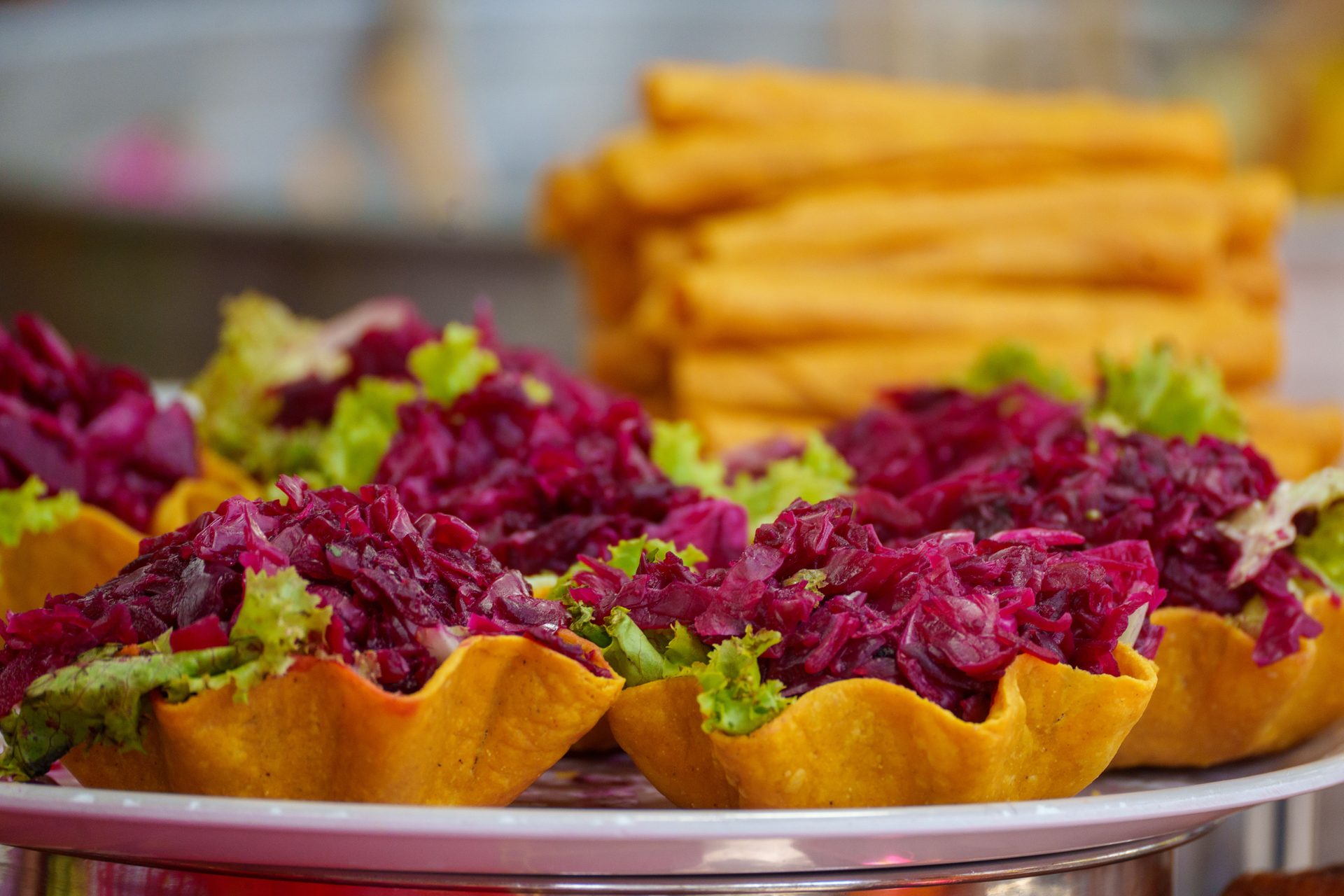
Ask someone in Guatemala City or a small highland town what they ate that morning, and the answer is almost always some version of the same plate: beans, eggs, plantains, cheese, and tortillas, all sharing space with a cup of coffee. This spread is known as desayuno chapín, and it is built to carry a person through a full day of work in the fields, the market, or the city. A traditional Guatemalan breakfast is not a quick bowl of cereal eaten standing up; it is a sit-down meal meant to be shared.
A Guatemalan breakfast, known as “Desayuno Tipico” or “Typical Breakfast,” is much more filling than a light option like yogurt or granola, built to give lots of energy for a busy day ahead. What follows is a dish-by-dish look at the thirteen foods and drinks that make up this plate, along with notes on how each one is prepared and why it earns its place at the table.
1. Frijoles
Black beans form the savory backbone of nearly every Guatemalan breakfast. They are usually simmered whole first, then mashed and pan-fried into a thick, spreadable paste cooks call frijoles volteados, or “flipped beans,” because the mass is turned in the pan until it holds together like a loaf. One traditional guide notes the specific way cooks prepare their beans as frijoles volteados, along with regional variations found across the country.
Refried black beans are the most common version nationwide, though eastern departments sometimes favor red beans instead. Either way, the beans are rarely plain; a smear of crema or a crumble of queso fresco on top is standard. For readers curious how stewed legumes anchor other Latin American morning plates, the Venezuelan breakfast table leans on a similar bean-based staple, arepas and caraotas, for the same steady-energy purpose.
2. Plátanos Fritos
Sweet counterpoint comes from plátanos fritos, ripe plantains sliced lengthwise or into rounds and fried until the edges caramelize. The plantain used here is the fully ripened, blackened-skin variety, which turns soft and almost candy-like once it hits hot oil, a contrast to the starchier green plantains used in savory dishes elsewhere in Central America.
Among the dishes that make up a typical Guatemalan breakfast, fried plantains are listed as a standard component alongside the main egg and bean dish. A small pool of crema poured over the hot slices is common, turning the dish into something closer to dessert than side vegetable, even though it is eaten first thing in the morning.
3. Huevos Revueltos
Scrambled eggs, or huevos revueltos, are the simplest and most frequent egg option on the plate. This hearty breakfast usually includes scrambled eggs, fried plantains, refried black beans, cheese, and often a side of tortillas, cooked together as separate elements but served on one shared surface.
Cooks tend to keep the eggs soft and barely set, seasoned with little more than salt, sometimes with a few strands of onion folded in during the last minute of cooking. Egg dishes vary enormously from one country’s morning table to another; readers comparing styles across regions can find a broader look at breakfast traditions from other cultures for context on how differently the same basic ingredient gets treated.
4. Huevos Estrellados
Where scrambled eggs are soft and folded, huevos estrellados, or “starred eggs,” are fried sunny-side up with the yolk left runny and the whites crisped slightly at the edges. The traditional Guatemalan breakfast comes with refried black beans, sunny-side-up or scrambled eggs, chirmol, fresh cheese, fried plantains, cream, tortillas, and coffee, with the fried version often favored when the plate includes a sauce meant to be soaked up.
Pro Tip: If chirmol or a second sauce is served alongside huevos estrellados, keep the yolk runny. The combination is sometimes called huevos divorciados when two different sauces cover each egg separately.
5. Huevos Con Tomate Y Cebolla
This version folds diced tomato and onion directly into the eggs as they scramble, producing a softer, slightly juicier dish than plain huevos revueltos. One regional variation uses a red sauce made with regular roma tomatoes, and that same tomato base often gets worked straight into the egg pan rather than served on the side.
The onion is usually cooked down first until it turns translucent, then the tomato goes in briefly before the eggs join the pan. It is a quieter dish than the fried or sauced versions, closer to a light home-style breakfast than a restaurant plate, and it shows up often in family kitchens rather than on tourist-facing menus.
6. Queso Fresco
Queso fresco is a soft, mild, unaged cow’s milk cheese, crumbled or sliced thin and laid over beans, eggs, or tortillas. Cheese appears consistently alongside scrambled eggs, fried plantains, refried black beans, and tortillas as one of the plate’s standard elements rather than an optional extra.
Its texture sits somewhere between farmer’s cheese and a very young feta, salty enough to balance the sweetness of the plantains but mild enough not to overpower the eggs. Readers familiar with Mediterranean breakfast spreads will recognize the role it plays; fresh unaged cheeses in Greek cooking serve a comparable function of adding salt and creaminess without heavy flavor.
7. Crema
Guatemalan crema is a thick, slightly soured cream, closer to crème fraîche than to the thinner sour cream found in North American grocery stores. Cream appears as one of the standard components of Desayuno Chapín, drizzled over beans, eggs, or plantains depending on the cook’s preference.
Because it is thicker and tangier than whipped dairy cream, a small spoonful goes a long way toward rounding out the plate’s flavors. The closest comparison for readers outside Central America is the cultured dairy used in traditional French cooking, where a similar thick, soured cream shows up in both sweet and savory dishes.
8. Chirmol
Chirmol is the condiment that ties the whole plate together, a charred tomato salsa built from blackened tomatoes, onion, cilantro, and usually a splash of lime or a few mint leaves. This fresh tomato sauce popular throughout Latin America makes a fantastic topping for grilled meats and egg dishes, featuring juicy charred tomatoes mixed with onions, cilantro, mint and lime.
The name carries history beyond the recipe itself. Chirmol is Mayan for “running nose,” a reference to the sauce’s traditional role as a classic Guatemalan condiment served with grilled meats. Unlike many Latin American salsas, authentic chirmol is rarely fiery; the charring mellows the tomatoes rather than adding heat.
Pro Tip: Char the tomatoes directly over a flame or under a broiler before blending. The slight bitterness from the blackened skin is what separates real chirmol from an ordinary pico de gallo.
9. Longaniza
Longaniza is a long, thin pork sausage, seasoned with garlic and a mix of regional spices, then grilled or pan-fried until the casing crisps. It is sliced into coins before serving and tends to show up on heartier versions of the breakfast plate, the kind built for someone heading out for physical work.
A traditional Guatemalan breakfast featuring carne asada, longaniza, fried eggs, refried beans, cream, and plantains represents one of the more filling combinations found on the table, closer to a weekend spread than an everyday plate. Pork sausages play a similarly central role in other regional cuisines; South African sausage traditions built around boerewors follow the same logic of grilling cured meat alongside a starchy base.
10. Chorizo
Chorizo sits alongside longaniza as a second common sausage option, usually shorter, fattier, and more heavily spiced with paprika or achiote for color. It gets sliced and fried until the edges blister, then tucked onto the plate next to the eggs and beans rather than served as its own course.
| Sausage | Shape | Typical Seasoning |
|---|---|---|
| Longaniza | Long, thin links | Garlic, regional spice blend |
| Chorizo | Short, plump links | Paprika or achiote, fattier mix |
In some variations of the Desayuno Chapin, a serving of chorizo or other local sausages appears alongside avocado slices and sour cream. Spiced breakfast proteins are hardly unique to Guatemala; readers exploring Malaysian breakfast staples will find a comparable pairing of spice-heavy proteins with rice or bread as the base.
11. Tamal
Tamales move beyond the daily desayuno chapín into special-occasion and weekend territory, though they remain firmly part of Guatemalan breakfast culture. The corn masa dough gets wrapped around a filling and steamed inside a leaf, producing something closer to a soft dumpling than the dry tamales found further north.
Tamalitos de chipilín are traditional tamales made with chipilín, a leafy green native to Central America, one of several regional fillings cooks use depending on what grows nearby. Guatemalan tamales feature a dough made from corn flour mixed with a bit of fat for added richness, then typically filled with meats, cheeses, fruits, or sweet ingredients depending on the regional variation and occasion.
12. Café Chapín
Coffee closes out the plate, and in a country known for its volcanic highland coffee farms, it is rarely an afterthought. Café chapín is usually brewed strong and simple, often with hot milk added at the table rather than mixed in during brewing, and it is sipped slowly rather than gulped on the way out the door.
On cooler mornings, particularly in the highlands, some households swap coffee for a warm alternative. Mosh, a traditional Guatemalan breakfast drink made from oats, is another option worth trying alongside the usual cup of coffee. Coffee culture varies widely by region worldwide; those curious how other countries treat their morning cup can look at traditional Egyptian drink customs, where tea plays a role closer to what coffee plays here.
13. Tortillas Los Tres Tiempos
The phrase “los tres tiempos” refers to the three main meals of the day, and tortillas appear at every one of them, not just breakfast. Made fresh from corn masa and cooked on a flat comal, they are the one constant across every version of the Guatemalan table.
- Breakfast: served warm alongside eggs, beans, and plantains for scooping
- Lunch: paired with the day’s main stew or grilled protein
- Dinner: often the lightest meal, sometimes just tortillas with beans and cheese
A traditional Guatemalan breakfast cannot go without eggs, red beans, plantains and tortillas, though different forms of serving them are possible. Flatbreads holding this kind of all-day, every-meal role are not unique to Guatemala; Indian flatbread traditions built around roti follow a strikingly similar pattern of bread appearing at breakfast, lunch, and dinner alike.
Put together, these thirteen dishes explain why desayuno chapín has a reputation for keeping people full well past midday. The plate changes slightly from one household to the next, more red beans here, an extra sausage there, but the core logic stays the same: protein, starch, dairy, and a bright sauce, all eaten slowly and shared at the table.