Traditional Dutch Christmas Breakfast: Kerststol, Koffietafel, and Holiday Morning Customs

November 22, 2026
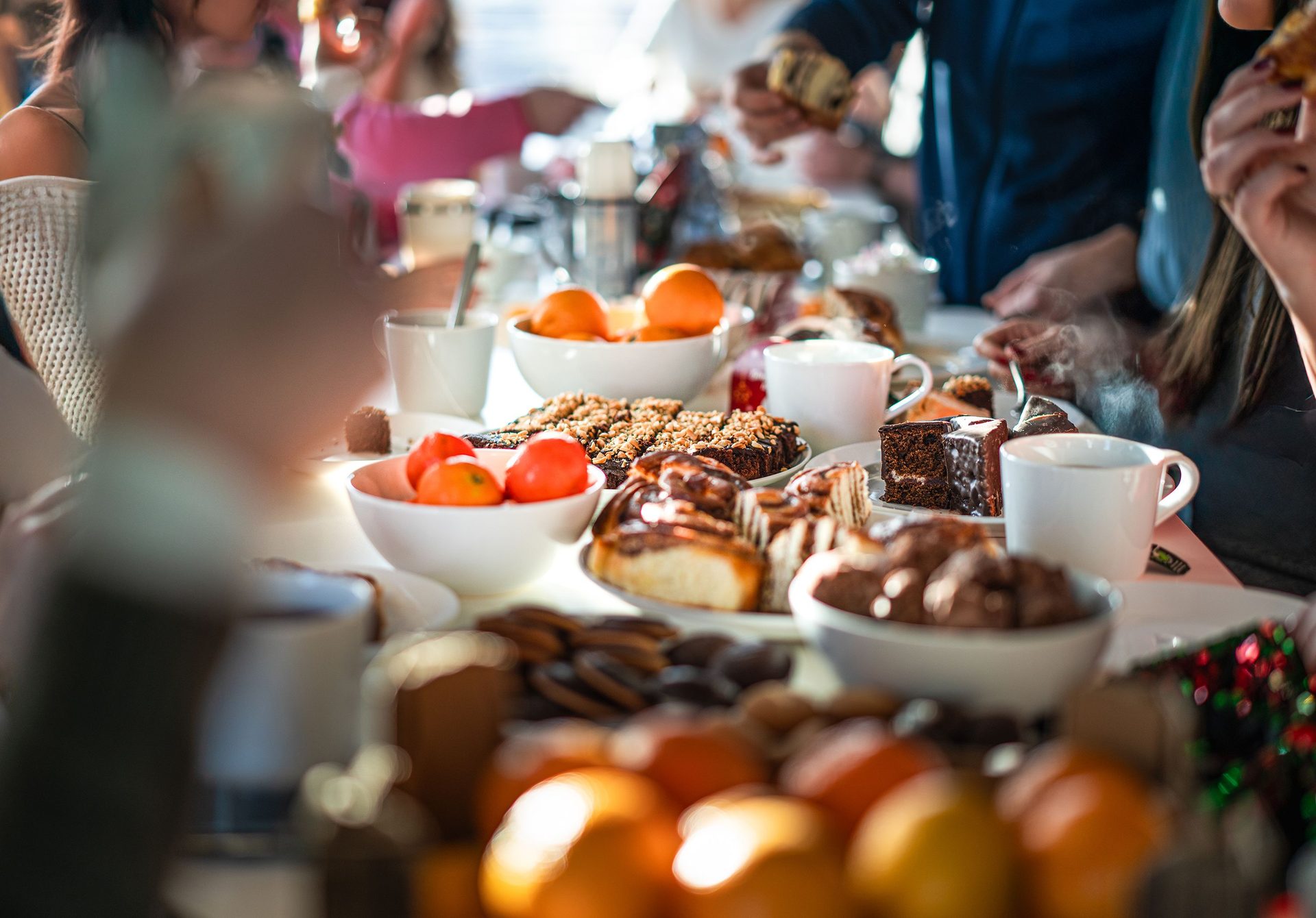
On December 25, while much of the world races to unwrap presents before breakfast, Dutch families do the opposite. A traditional Dutch Christmas breakfast is built around slow mornings, sliced kerststol, and a table set with more care than any ordinary Tuesday. Rather than a sprawling buffet, it’s a quiet, almost ceremonial meal that sets the tone for the two days of Kerstdag that follow.
This guide breaks down what actually ends up on a Dutch holiday breakfast table, why the meal looks the way it does, and how to recreate the experience wherever you happen to be celebrating this year.
Understanding Traditional Dutch Christmas Breakfast
Dutch Christmas food culture splits cleanly into two moods: a relaxed, bread-centered morning and a much more elaborate evening meal. The breakfast side of that equation has stayed remarkably consistent for generations, built on one centerpiece loaf and a handful of supporting staples.
Kerststol: The Heart of the Dutch Christmas Table
The star of any traditional Dutch Christmas breakfast is kerststol, an oval-shaped, yeasted fruit bread. Kerststol is a traditional Dutch oval-shaped fruited Christmas bread made from a yeast-based dough containing dried fruits, raisins and currants, lemon and orange zest, water, milk, butter, sugar, vanilla and cinnamon. A more luxurious variety may include chopped walnuts, almonds, or hazelnuts.
What separates a true “stol” from an ordinary fruit loaf is the filling. According to The Dutch Table , if the bread contains a ribbon of creamy almond paste it is called a “stol”; if it doesn’t, it’s “just” Christmas bread. That almond paste core is non-negotiable for purists, and many families still debate whether the bakery version or the homemade loaf tastes better.
The bread is finished simply: kerststol is a sweet bread featuring currants, raisins, and almond paste, served with butter and generously dusted with powdered sugar, according to This Is Eindhoven . Some eat it plain; others spread the almond paste itself across the slice before adding butter, turning the bread into its own topping.
Koffietafel: How the Dutch Structure Christmas Morning
The format of the meal matters as much as the food. Traditionally, breakfast or brunch during the holidays takes the shape of a koffietafel — literally “coffee table” — a spread of luxury rolls, cold cuts, cheeses, fruit preserves, and hot drinks eaten at a relaxed pace rather than rushed before the day’s activities. During the December holidays, buttered slices of kerststol will be part of breakfast or brunch and may be offered to guests instead of a cookie with their cup of coffee or tea.
This isn’t a meal eaten standing at the counter. For many Dutch folks, Christmas breakfast is a serious affair, where you gather around a beautifully set table in full festive attire, while Christmas dinner is often a social event with others and breakfast is typically enjoyed in the intimate company of close family. The contrast is deliberate: dinner is for the extended circle, while breakfast stays small and personal.
A typical spread, according to Girlswanderlust , often includes kerststol, fresh bread rolls or croissants, boiled or scrambled eggs, butter, cheese, and sweet spreads, alongside coffee, tea, and orange juice. It’s closer to a Dutch everyday breakfast dialed up a notch than a dedicated holiday dish list, which is part of what makes it feel so cozy rather than ceremonial.
Beyond the Bread: Banketstaaf and Other Morning Treats
Kerststol has company on the table. Banketstaaf, a pastry roll filled with almond paste, often shows up alongside it. Banketstaaf is a pastry roll filled with rich almond paste, a Christmas and Sinterklaas treat, while kerststol is a fruit-studded bread similar to German stollen that appears on many Dutch tables during the Christmas days, often sliced at breakfast.
Not every household eats kerststol strictly at breakfast. The kerststol is usually eaten during lunchtime, but many people eat it during their breakfast as well as a sweet snack on the side.
Important Note: Sources on exactly when kerststol is eaten vary by region and family habit — some treat it as a breakfast staple, others save it for lunch or an afternoon coffee break. Both are considered authentic.
TasteAtlas ranks the bread among the country’s most notable morning foods: kerststol is a special Dutch bread that is prepared and consumed during the Christmas festivities, typically stuffed with raisins and candied fruits, then sprinkled with powdered sugar on top, placing it alongside everyday staples like ontbijtkoek and appelflap on the list of top Dutch breakfasts.
How Dutch Christmas Breakfast Compares to Other Regional Traditions
Placed next to other European and Balkan morning meals, the Dutch approach stands out for being sweet, bread-based, and light. A traditional Balkan breakfast, by contrast, leans savory and pastry-driven. Albanian food culture favors items like byrek — flaky pastry layered with cheese, spinach, or meat — alongside petulla, a fried dough similar to a fritter, often paired with white cheese, olives, and strong coffee rather than fruit bread and butter.
That savory, dairy-heavy style is typical of regional breakfast traditions across the Balkans, where authentic Albanian recipes tend to use yogurt, eggs, and fresh vegetables rather than the sweetened dough found in Dutch and German holiday loaves. The difference illustrates how climate, religious calendar, and available dairy and grain shape what a “normal” holiday morning looks like from one country to the next — a pattern explored further in this roundup of Christmas food from around the world.
Readers curious about other bread-and-pastry breakfast cultures might also compare notes with a traditional Japanese breakfast, which swings toward rice, fish, and fermented soy rather than anything sweet — a useful reminder that “breakfast” carries very different assumptions depending on where you’re sitting.
Practical Guidance on Traditional Dutch Christmas Breakfast
Recreating a traditional Dutch Christmas breakfast outside the Netherlands doesn’t require specialty equipment or rare ingredients. It requires a loaf of kerststol, a slower morning schedule, and a short list of accompaniments.
Setting a Traditional Dutch Christmas Breakfast Table
Start with the table itself. Dutch households treat Christmas breakfast as worth dressing up for, not a grab-and-go affair. A few practical steps make the difference:
- Clear a full hour. The koffietafel format works because no one is rushing; budget time the way you would for a holiday dinner.
- Lay out bread, not a hot entrée. Rolls, kerststol, and cold cuts replace cooked dishes — keep the kitchen quiet.
- Include at least one almond-paste item. Kerststol or banketstaaf, or both, anchor the sweet side of the spread.
- Add cheese and preserves. A simple cheese board and fruit preserves round out the savory side without extra cooking.
- Serve coffee or tea continuously. The meal is meant to stretch, and hot drinks keep the table going.
Baking or Buying Kerststol
Kerststol is widely sold in Dutch bakeries and supermarkets every December, but it travels well as a home-baking project too. The Dutch Table’s base recipe uses golden raisins soaked in warm orange juice, all-purpose flour, active dry yeast, and a filling of almond paste rolled through the center before baking and finishing with a dusting of powdered sugar. If buying rather than baking, look for a loaf with a visible almond-paste ribbon running through the center rather than just scattered fruit — that’s the detail that separates a genuine stol from a generic fruit loaf.
Pair the loaf with other seasonal bakes if you’re building out a full dessert table; this overview of traditional Christmas desserts covers several options that work well alongside a sweet breakfast bread, and readers assembling a full holiday spread may also want to see how traditional American Christmas foods or traditional Spanish Christmas foods handle the sweet-versus-savory balance differently.
Pro Tip: Slice kerststol thick and toast it lightly before buttering. The light crisping brings out the almond paste’s flavor without melting it into the bread entirely.
What to Drink and Serve Alongside
Coffee and tea anchor the drink side of a traditional Dutch Christmas breakfast, but a few households extend the table into something closer to brunch with orange juice or a light sparkling wine for adults. For an evening follow-up once the breakfast dishes are cleared, some families later serve boerenjongens, a brandy-soaked raisin drink from the northern province of Groningen, though that typically appears closer to dinner or dessert than at the breakfast table itself.
If you’re planning a full day of Dutch-inspired entertaining and want non-alcoholic options for daytime guests, this guide to gluten-free Christmas cocktails offers alternatives that won’t clash with the bread-heavy breakfast, and this piece on avoiding a Christmas party hangover is worth a look if dinner drinks are on the agenda later that evening.
| Element | Dutch Christmas Breakfast | Typical Balkan/Albanian Breakfast |
|---|---|---|
| Main item | Kerststol (sweet fruit bread with almond paste) | Byrek or petulla (savory pastry or fried dough) |
| Flavor profile | Sweet, buttery | Savory, dairy-heavy |
| Typical sides | Rolls, cold cuts, cheese, eggs | White cheese, olives, tomatoes |
| Drink of choice | Coffee or tea | Strong (often Turkish-style) coffee |
| Pace of the meal | Slow, intimate, family-only | Communal, often shared with extended family |
Looking at the table, the contrast between a sweet, bread-centered Dutch morning and a savory, pastry-and-cheese Balkan spread shows how much regional breakfast traditions diverge even within Europe. Both share one thing, though: breakfast on a major holiday is treated as worth slowing down for, whether the dish on the table is a buttered kerststol or a slice of warm byrek.
Those planning a broader holiday food exploration might also enjoy comparing notes with Icelandic Christmas foods, Native American Christmas food traditions, or traditional Indian holiday dishes, all of which take very different approaches to the first meal of a festive day.
Conclusion
A traditional Dutch Christmas breakfast isn’t about abundance — it’s about pace. Kerststol, a short list of bread-and-cheese staples, and an unhurried koffietafel setting do more to define the holiday morning than any elaborate menu could. The real tradition lives in the slowness of the meal and the almond-paste bread at its center, not in a long list of dishes.
Whether you bake your own loaf or buy one ready-made, the core of the custom travels easily: clear the morning, slice the stol thick, and let breakfast run longer than usual. For more ways to round out a Dutch-inspired holiday table, browse this collection of Christmas celebration ideas or explore additional Christmas food traditions from across the globe.