10 Traditional Barcelona Breakfast Dishes Locals Actually Eat

November 21, 2026
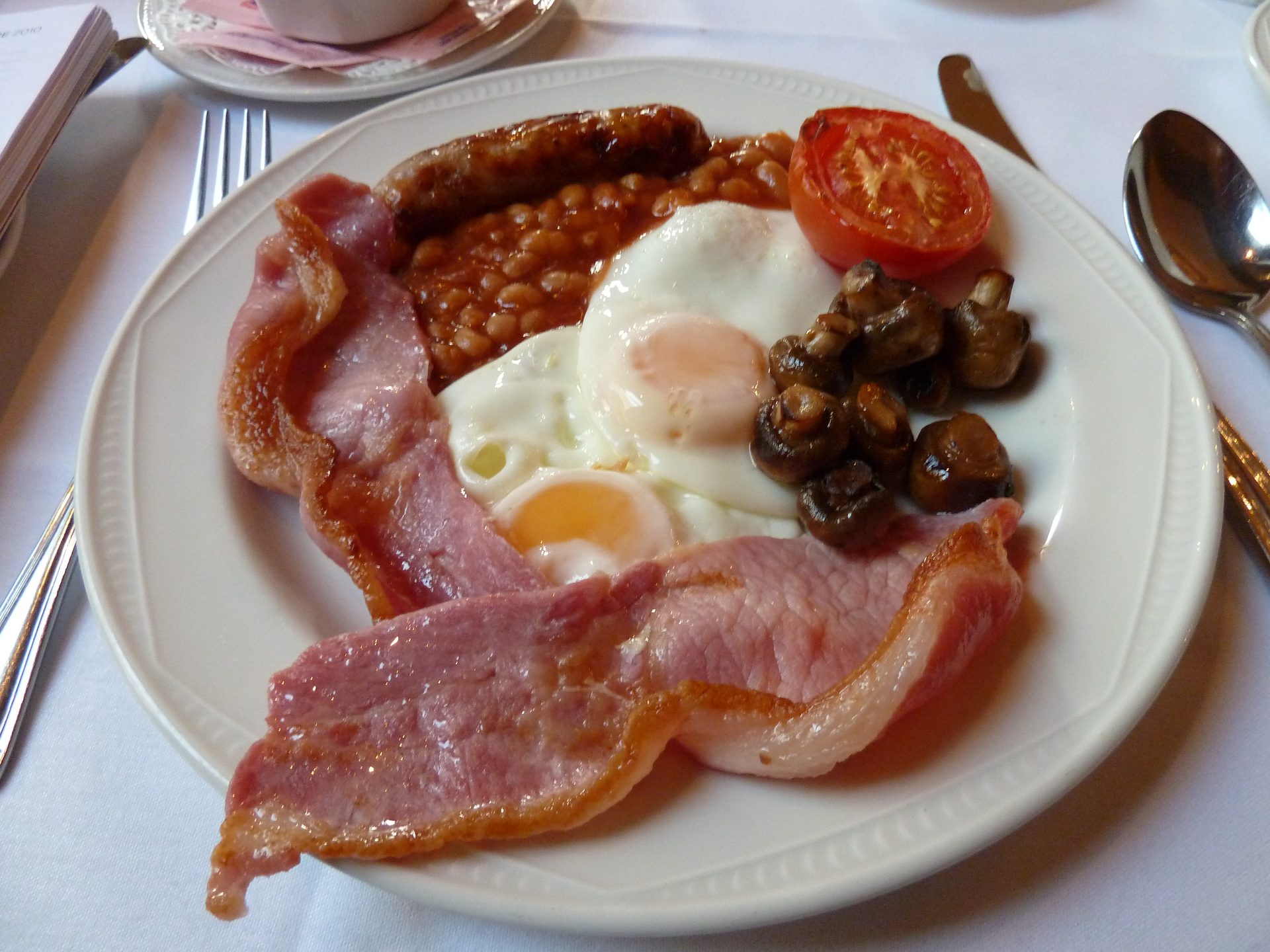
Order a croissant and a flat white in Barcelona and a local might politely wonder why you flew to Catalonia to eat what you could get at home. A traditional Barcelona breakfast is built on tomato-rubbed bread, cured meats, strong coffee, and the occasional fried pastry eaten standing at a bar counter before 9 a.m. It is a shorter, savorier meal than the pancake stacks and fry-ups many visitors expect, and it reflects centuries of Catalan farming and fishing habits rather than modern brunch trends.
This guide walks through ten dishes that define breakfast and the mid-morning esmorzar across Barcelona, from humble tomato bread to thinly sliced Iberian ham. Some belong strictly to the early morning; others are hearty enough to double as a working lunch. Together they explain why Catalonia treats its regional breakfast traditions as seriously as its famous dinners.
| Dish | Type | Typically Paired With |
|---|---|---|
| Pa amb tomàquet | Savory | Olive oil, ham, or anchovies |
| Tortilla española | Savory | Crusty bread or as a bocadillo |
| Xuixos | Sweet | Café con leche |
| Ensaimada | Sweet | Black coffee or hot chocolate |
| Churros con chocolate | Sweet | Thick drinking chocolate |
| Botifarra amb mongetes | Savory | Crusty bread, glass of wine |
| Cap i pota | Savory | Bread, sometimes a small beer |
| Bacallà a la llauna | Savory | Boiled potatoes, bread |
| Jamón ibérico | Savory | Pa amb tomàquet, melon in summer |
| Café con leche | Drink | Any of the above |
1. Pa Amb Tomàquet
Pa amb tomàquet is the dish most people picture when they imagine Catalan breakfast: a slice of country bread rubbed with a ripe tomato, finished with olive oil and a pinch of salt. It is a traditional food of Catalan, Balearic, and Valencian cuisine, and it is considered a staple of Catalonia’s cuisine and Catalan national identity. The bread is typically used as a vessel for cured ham or other types of cured meats and cheese, which is exactly how most Barcelona cafés serve it at breakfast.
The dish is younger than many visitors assume. The first written reference to pa amb tomàquet appears in 1884, in a text by a Catalan writer named Pompeu Gener, over 140 years ago. Rural households discovered that when bread became stale and hard, resourceful Catalan farmers found that rubbing ripe tomatoes over the bread’s surface softened it and made it palatable again. The traditional loaf for the job is pa de pagès, a type of traditional bread from Catalan cuisine that is commonly used to prepare pa amb tomàquet. Barcelona’s official tourism board frames the dish as something closer to philosophy than recipe, a habit of turning scarcity into flavor that still defines how Catalans eat. Drizzle extra oil, add a few anchovies, or top it with ham, and the base recipe barely changes.
Pro Tip: At a traditional granja or bar, ask for “pa amb tomàquet i pernil” to get the bread with a side of cured ham, the most common breakfast order among locals.
2. Tortilla Española
Tortilla española, the thick potato-and-egg omelet, shows up on breakfast counters sliced into wedges and served cold or at room temperature, often tucked into a baguette as a bocadillo. It is made with eggs and potatoes, often including onions, and is often served at room temperature as a tapa, which makes it practical for a quick stand-up breakfast.
Its exact birthplace is disputed. One origin theory places the Spanish potato omelet in Extremadura, with researcher Javier López Linage tracing its conceptual origin to Villanueva de la Serena at the end of the 18th century. The dish only became possible once potatoes caught on at all: potatoes were brought to Europe from South America by Spanish explorers in the 15th century, but Spaniards initially treated the crop warily, often relegating it to the status of a poor man’s food or livestock feed.
Important Note: Extremadura, Navarra, and the Basque Country all claim the tortilla’s invention, and food historians have not settled the debate. Treat any single origin story as one regional version among several. The result is similar in spirit to the egg dishes that open a traditional Japanese breakfast: protein-dense, made from pantry staples, and built to fuel a working day rather than satisfy a sweet tooth.
3. Xuixos
Xuixos are cylindrical, sugar-crusted pastries filled with silky custard cream, traditionally fried rather than baked, which gives the dough its crackling, caramelized shell. The pastry originated in Girona and migrated into Barcelona’s granjas and xocolateries, where it now sits alongside croissants and ensaimadas in glass display cases.
Locals eat a xuixo the way other Mediterranean cultures treat a morning pastry: quickly, with strong coffee, standing at the counter rather than lingering over a table. The custard filling makes it heavier than a croissant but lighter than a filled doughnut, a middle ground that explains its popularity among workers grabbing breakfast before 8 a.m. Pastry-forward mornings are not unique to Catalonia; readers curious about similar sweet-breakfast cultures elsewhere in the Mediterranean can compare notes with traditional Greek foods, where honey-soaked pastries play a similar early-morning role.
4. Ensaimada
Ensaimada is a coiled, feather-light pastry dusted heavily in powdered sugar, originally from Mallorca but now a fixture of Barcelona bakery counters. The name comes from saïm, the Catalan word for the pork lard that gives the dough its signature stretch and sheen, a technique bakers still use by hand to pull the dough into its spiral shape before baking.
Plain ensaimadas are the breakfast version, served in thin wedges with coffee; larger filled versions, stuffed with cream, pumpkin jam, or candied fruit, tend to appear at celebrations rather than weekday mornings. The pastry travels well, which is why bakeries across Barcelona ship ensaimadas by the box to customers who cannot get to Mallorca itself. Visitors who enjoy comparing regional breakfast pastries across borders might also look at the layered viennoiserie traditions covered in this piece on traditional French food.
5. Churros Con Chocolate
Churros con chocolate pairs ridged, fried dough sticks with a cup of thick drinking chocolate meant for dipping rather than sipping. In Barcelona, the chocolate is noticeably denser than a mug of hot cocoa, closer to warm pudding, and churro stands near the Boqueria market or Gràcia neighborhood often serve it before sunrise to night-shift workers and early risers alike.
The combination works as a weekend treat as much as a daily habit; many locals reserve it for Sunday mornings or festival days rather than eating it every day, since the fried dough and thick chocolate make for a far richer start than the typical coffee-and-toast routine. Hot, thick drinking chocolate as a breakfast centerpiece is not exclusive to Spain either; it echoes the ritual importance some traditional Chinese drinks hold at the start of the day, even though the ingredients differ completely.
Pro Tip: Order a “suís” instead of plain chocolate if you want whipped cream on top, a variation found at many classic granjas around Barcelona.
6. Botifarra Amb Mongetes
Botifarra amb mongetes pairs grilled Catalan pork sausage with slow-cooked white beans, a combination hearty enough to function as either a late breakfast or an early lunch for manual laborers. The sausage itself is simple, made mostly from pork and black pepper, grilled until the casing snaps and the inside stays juicy.
This dish belongs to a broader Catalan custom sometimes called the “esmorzar de forquilla,” or fork breakfast, a substantial mid-morning meal that historically fueled farmworkers and market porters before the heaviest labor of the day. Markets and old-school tascas around Barcelona still serve versions of it between roughly 10 and 11 a.m., squarely between breakfast and lunch. One-pot, protein-heavy breakfasts built for physical work show up elsewhere too, including the hearty traditional German stew known as eintopf, which plays a similar fueling role in colder climates.
7. Cap I Pota
Cap i pota is a slow-braised stew made from calf’s head and foot, cooked down with garlic, tomato, and sometimes almonds until the meat turns gelatinous and falls apart. It is a nose-to-tail dish in the truest sense, rooted in a time when no part of the animal went to waste in Catalan kitchens.
Traditionally eaten as a substantial morning meal by market workers and laborers who needed dense, slow-release energy, cap i pota has become harder to find as tastes shift toward lighter breakfasts. A handful of old-fashioned bars near Barcelona’s wholesale markets still serve it, usually to a loyal older clientele who remember it as a workday staple rather than a novelty. Nose-to-tail cooking traditions tend to run deepest in places with strong farming or market cultures, a pattern also visible in traditional South African food, where offal dishes carry similar working-class roots.
8. Bacallà a La Llauna
Bacallà a la llauna takes salted cod, soaked to remove excess salt, and bakes it “in the tin” with garlic, paprika, parsley, and a splash of white wine or tomato. The cod used is typically Atlantic cod (Gadus morhua), historically salted and dried for long storage before refrigeration made fresh fish a daily option.
Salt cod dishes like this one trace back to Catalonia’s trading history with northern fishing fleets and to religious fasting customs that once limited meat consumption on certain days. While it leans more toward a midday or early-evening dish today, some traditional breakfast spreads in fishing towns along the Catalan coast still include a small portion alongside bread and boiled potatoes. Salted or cured fish as a breakfast staple is a pattern that stretches well beyond Spain, including the salt-fish traditions found in traditional Egyptian food.
9. Jamón Ibérico
Jamón ibérico, thinly sliced cured ham from the black Iberian pig, often appears at breakfast draped over a slice of pa amb tomàquet or folded into a crusty roll. The best grades, labeled jamón ibérico de bellota, come from pigs that forage on acorns during the final months before slaughter, which gives the fat its distinctive nutty sweetness.
Quality varies widely by grade and region of origin, and price differences between everyday jamón serrano and top-tier bellota ham can be substantial, so it pays to ask before ordering at an unfamiliar counter. For a standard breakfast, a few thin slices alongside bread and olive oil is the typical portion rather than a full plate, since the ham is rich enough that restraint suits it better than excess.
Common Mistake: Assuming all jamón ibérico is interchangeable. Grading terms like bellota, cebo de campo, and cebo reflect real differences in the pig’s diet and the ham’s flavor, and menus in Barcelona generally list which grade is being served.
10. Café Con Leche
Café con leche, espresso mixed with roughly equal parts steamed or hot milk, is the default coffee order at breakfast across Barcelona, usually drunk standing at a bar counter in under ten minutes. Locals rarely order a large milky coffee the way some other countries do; portions run smaller and stronger, closer to what elsewhere might be called a flat white.
Catalan coffee vocabulary has its own shorthand that is worth knowing before ordering:
- Tallat – a small coffee with a splash of milk, similar to a cortado
- Café sol – black coffee with no milk at all
- Cigaló – coffee with a shot of liquor, more common after lunch than at breakfast
- Café amb gel – coffee served with a separate glass of ice, popular in summer
Coffee culture carries similar weight as a daily ritual in plenty of other countries; readers interested in how hot drinks anchor a morning routine elsewhere might compare this with traditional Russian drinks, where tea plays the equivalent role café con leche plays in Catalonia.
Taken together, these ten dishes show that a traditional Barcelona breakfast has very little to do with sugary cereal or stacked pancakes. It runs on bread, tomatoes, olive oil, cured meats, and strong coffee, with sweet pastries reserved for weekends or special mornings rather than every single day. Whether ordered at a marble-counter granja or a neighborhood bar before sunrise, each dish on this list carries a piece of Catalonia’s farming, fishing, and market history on the plate. For more international morning menus to compare against Barcelona’s, the breakfast traditions archive covers how other cultures build their first meal of the day.