Traditional Swedish Breakfast: 10 Dishes That Define Sweden’s Morning Table

November 21, 2026
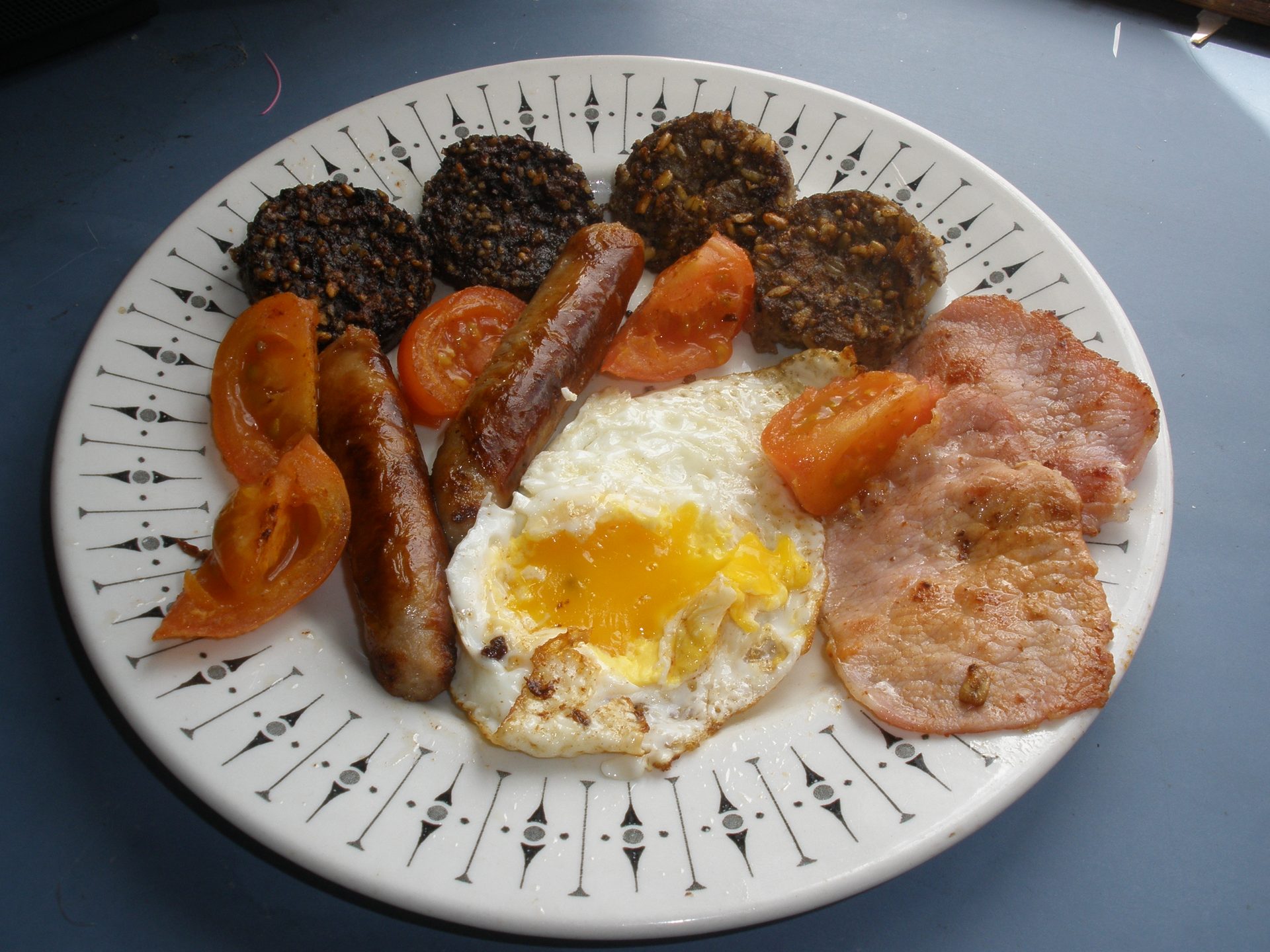
Walk into a Swedish kitchen before eight in the morning and the table rarely holds pancakes or bacon. Instead, a loaf of dark rye sits next to a carton of tangy fermented milk, a tube of fish roe spread, and a pot of strong black coffee. A traditional Swedish breakfast is built around cold, savory, protein-rich staples rather than sweet pastries, and the combination says a lot about how Swedes approach food, time, and the working day ahead.
That savory, dairy-and-bread approach looks very different from breakfast tables elsewhere in Europe. A traditional Balkan breakfast often centers on byrek and other Albanian breakfast dishes like petulla, reflecting Albanian food culture’s love of fried dough, fresh cheese, and olives. Comparing authentic Albanian recipes with Swedish ones shows just how wide regional breakfast traditions can swing even within a single continent, from fried dough in the Balkans to crispbread and roe spread in the Nordics. For readers curious about other morning customs, this overview of breakfast traditions around the world offers useful context before diving into Sweden’s own staples.
The ten dishes below appear, in some combination, on nearly every Swedish breakfast table, from city apartments to countryside farmhouses.
| Dish | Category | Typical Serving Style |
|---|---|---|
| Smörgås | Open sandwich | Rye or crispbread topped with butter, cheese, or cold cuts |
| Knäckebröd | Crispbread | Eaten plain or as a smörgås base |
| Filmjölk | Fermented milk | Poured over cereal or eaten with fruit |
| Kaviar | Fish roe spread | Squeezed from a tube onto bread or eggs |
| Skinka | Cured ham | Sliced on smörgås or alongside eggs |
| Leverpastej | Liver pâté | Spread on bread, often with pickles |
| Gröt | Porridge | Oats or barley with milk, jam, or berries |
| Müsli | Grain and fruit mix | Served with filmjölk or yogurt |
| Makrill i tomatsås | Canned fish | Spread or served whole on crispbread |
| Kaffe | Coffee | Black, with pastry on the side |
1. Smörgås
The smörgås, an open-faced sandwich built on a single slice of bread, is the backbone of a traditional Swedish breakfast. Unlike a closed sandwich, it is assembled and eaten with a knife and fork or by hand, with the toppings left fully visible rather than hidden between two slices.
A classic smörgås starts with butter, then layers on cheese, cold cuts, or a spread, often finished with a few cucumber slices or a sprig of dill. The format echoes other Mediterranean breakfast spreads built around bread, cheese, and olive oil, though the Swedish version leans colder and simpler, designed to be assembled in under a minute before work or school.
Pro Tip: Butter the bread all the way to the edges before adding toppings. It keeps the crispbread or rye from going soggy if the sandwich sits for a few minutes before eating.
2. Knäckebröd
Knäckebröd, Sweden’s dry rye crispbread, has survived as a breakfast staple for centuries because it keeps for weeks without refrigeration. Made from rye flour, water, and a leavening agent, it is baked thin and hard, then often punched with a hole in the center so loaves could once be hung on poles to dry and store.
Its dense, high-fiber profile makes it a practical base for almost any smörgås topping, from cheese to fish roe. The crispbread tradition sits alongside other flatbread traditions found across the world, though knäckebröd is baked for shelf life rather than softness, which is exactly why it still outsells sliced bread in many Swedish grocery aisles.
3. Filmjölk
Filmjölk is a mild, pourable fermented milk that sits in nearly every refrigerator in Sweden. According to Wikipedia’s entry on filmjölk , it is a traditional fermented milk product from Sweden made by fermenting cow’s milk with bacteria from the species Lactococcus lactis and Leuconostoc mesenteroides. The result is tangier and runnier than yogurt but milder than kefir, usually poured over müsli or porridge rather than eaten on its own.
Fermented dairy has a long track record in Swedish nutrition research. A review published by the National Center for Biotechnology Information notes that fermented milk products have antimicrobial, antimutagenic, anticarcinogenic, and antihypertensive properties as well as benefits on mineral metabolism and reduced lactose intolerance symptoms. Long-term Swedish cohort data adds a related finding: one clinical trial registry entry reports that a high long-term intake of fermented milk was associated with a lower risk of mortality and fracture among women, compared with high intake of regular milk.
Important Note: These findings come from observational population studies, not clinical guidance for any individual. Filmjölk is a traditional food choice, not a substitute for personalized medical or nutritional advice.
Filmjölk belongs to a broader family of cultured dairy drinks found across fermented dairy traditions in Northern and Eastern Europe, though the specific bacterial strains and room-temperature fermentation method give the Swedish version its distinct, buttery tang.
4. Kaviar
In Sweden, kaviar at breakfast rarely means sturgeon roe. It almost always refers to smörgåskaviar, a creamy spread made from smoked, sugar-salted fish roe sold in a toothpaste-style tube. The best-known brand, Kalles Kaviar, has been a fixture on Swedish tables since the 1950s.
Kalles Kaviar is mainly made of smoked, sugared and salted cod and pollock roe, sugar, canola oil and potato flakes, and it is officially credited as having been introduced in 1954, according to its Wikipedia entry . The cod used, Gadus morhua, is a cold-water species long fished in the Norwegian Sea and Barents Sea. A short history from Swedishness notes that salted cod roe was popular in Sweden already in the 1800s, long before the tube version became a national favorite.
Key Insight: The flavor is famously polarizing even among Swedes. One longtime resident writing about the spread admitted it’s an acquired taste that took twenty years to acquire before becoming a breakfast habit.
Most Swedes squeeze it directly onto a boiled egg or a buttered slice of knäckebröd, which balances the roe’s salty, smoky intensity with something plain and creamy.
5. Skinka
Skinka, sliced cured ham, is one of the most common smörgås toppings in Sweden alongside cheese. It ranges from thin, mild cooked ham to more heavily smoked or spiced varieties, and it is almost always served cold rather than fried, which sets Swedish breakfast ham apart from the fried breakfast meats common in many other countries.
Cold cuts play a similarly central role in other European food cultures. Just as Germans anchor a hearty table around dishes like German comfort food, Swedes rely on skinka as a dependable, no-cook protein that pairs with rye bread, boiled eggs, or a simple cucumber garnish without requiring a stove at seven in the morning.
6. Leverpastej
Leverpastej, a smooth pork liver pâté, is a staple spread found in nearly every Swedish refrigerator and grocery store cold case. It is typically made from pig liver, pork fat, onion, and a blend of warm spices like allspice and clove, baked into a terrine and then sliced or spread directly from a tub.
On a smörgås, leverpastej is usually paired with pickled cucumber (pressgurka) or sliced beetroot, which cuts through the pâté’s richness. The tradition shares roots with French pâté traditions, since liver-based spreads arrived in Scandinavian kitchens through continental European influence, though the Swedish version is milder and built for everyday breakfast rather than special occasions.
7. Gröt
Gröt, a warm porridge most often made from oats, is the closest thing to a hot breakfast in Swedish food culture. It is cooked slowly with milk or water until thick, then served with a pat of butter, a spoonful of jam, or fresh berries like lingonberries.
Oat varieties used for gröt, mainly Avena sativa, have been cultivated in Scandinavia for centuries because the crop tolerates the region’s short growing season better than wheat. Porridge-based breakfasts are far from unique to Sweden; they sit alongside other grain-based morning staples such as maize porridge traditions found in other parts of the world, where a thick, warm starch plays the same comforting role gröt plays at the Swedish table.
- Classic toppings: butter, cinnamon sugar, or lingonberry jam
- Regional variation: risgrynsgröt (rice porridge) appears around Christmas
- Common grains: oats, barley, or a mix of both
8. Müsli
Müsli, the Swedish take on muesli, mixes rolled oats with dried fruit, nuts, and sometimes seeds, and it is almost always served cold with filmjölk or yogurt rather than hot milk. It has become one of the most common weekday breakfasts in Sweden precisely because it requires zero cooking.
The dish arrived in Scandinavia decades after its Swiss origin but adapted quickly to local dairy habits. Where a rice-based breakfast favors warm, savory components, Swedish müsli leans cold, sweet, and crunchy, built for pouring into a bowl and eating at the kitchen counter in under five minutes.
Pro Tip: Letting müsli sit in filmjölk for ten minutes before eating softens the oats slightly, similar to overnight oats, without turning the mixture mushy.
9. Makrill I Tomatsås
Makrill i tomatsås, canned mackerel in tomato sauce, is a breakfast item that surprises many outsiders but remains a genuine staple in Swedish pantries. The fish used is typically Atlantic mackerel, Scomber scombrus, pre-cooked and canned in a mildly sweet tomato sauce that softens its naturally strong, oily flavor.
It is usually eaten straight from the tin, spread or placed whole on a slice of knäckebröd or rye bread, sometimes with a boiled egg on the side. The habit of starting the day with tinned, oily fish is unusual outside the Nordics; it stands in contrast to the fresh-fish breakfasts found in some Latin American fish breakfasts, where fish is more often grilled or fried than canned.
10. Kaffe
Coffee, or kaffe, is less an accompaniment to Swedish breakfast than its anchor. Sweden consistently ranks among the highest per-capita coffee-consuming nations in Europe, and the drink is almost always served black, brewed strong, and poured generously throughout the morning.
The coffee plant most commonly used, Coffea arabica, is imported rather than grown domestically, yet coffee culture runs deep enough that Swedes have a dedicated word, fika, for the daily coffee break that often extends breakfast into a second sitting with a pastry. This coffee-first habit contrasts with the tea-drinking cultures found elsewhere in the world, where tea rather than coffee anchors the morning ritual.
Pro Tip: If invited to a Swedish breakfast table, expect the coffee pot to stay out well past the meal itself. Declining a refill is perfectly acceptable, but a second cup is the norm.
Together, these ten dishes show that a traditional Swedish breakfast isn’t about variety for its own sake. It’s a tight, practical rotation of bread, dairy, fish, and coffee that has held steady for generations because it works: filling, portable, and ready in minutes without a stove. Whether the comparison point is a traditional Balkan breakfast built on byrek or a rice bowl from further east, Sweden’s morning table makes its case simply by being efficient, savory, and, once the kaviar tube is opened, genuinely hard to put down.