8 Pieces of Traditional Lao Clothing and the Meaning Behind Each

November 19, 2026
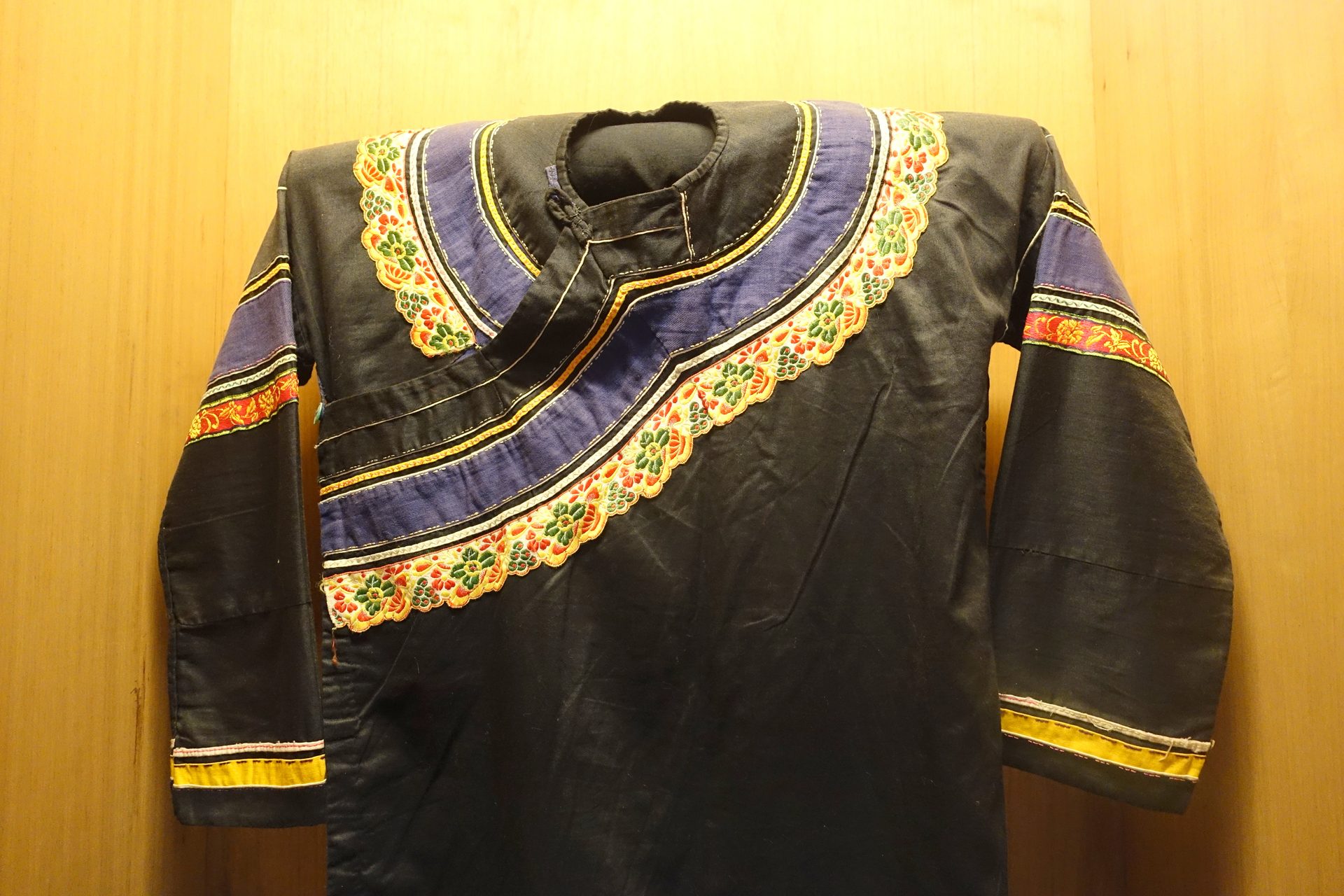
Traditional Lao clothing is built around a small set of garments that Lao women and men have worn for generations, each one tied to a specific role, region, or occasion. According to a researcher’s seminar presentation cited by golaos.tours , Laotian women are said to have first put on the sinh about 3,000 years ago, making it one of the oldest continuously worn garments in Southeast Asia.
From the silk tube skirt worn daily by Lao women to the mandarin-collar shirt and knee-length socks reserved for formal events, Lao traditional dress carries centuries of weaving skill and ethnic identity in every fold. This guide walks through eight of the most recognizable pieces, what they are made of, and how they fit together as a complete outfit. Readers interested in how other cultures approach traditional clothing around the world will find some familiar threads here, from draped shawls to regionally patterned trousers.
| Garment | Typically Worn By | Common Material |
|---|---|---|
| Sinh | Women | Silk or cotton |
| Pha biang | Women and men | Silk |
| Suea pat | Women | Silk |
| Hom | Men | Cotton |
| Salong | Men | Dyed cotton |
| Sampot | Men and women (regional) | Silk or cotton |
| Mandarin-collar shirt | Men | Cotton or silk blend |
| Knee-length white socks | Men | Cotton |
1. Sinh
The sinh is the signature piece of traditional Lao women’s clothing , a handwoven tube skirt that in Laos is worn more regularly in daily life than its counterpart across the border in Thailand. It is not a single flat pattern but a garment built from three distinct sections, each with its own name and purpose.
According to hnvjourneys.com , the phuen sinh forms the central body with intricate handwoven patterns unique to each region, the hua sinh is the plain waistband that gets hidden when worn, and the tin sinh is the decorated bottom hem that signals cultural identity or social rank. Weavers in provinces such as Luang Prabang and Vientiane each favor distinct motifs, so an experienced eye can often tell where a sinh was made just by its border pattern.
The weaving techniques behind these skirts vary as much as the designs. Research from asiainch.org notes that the best-known styles include the sinh mi, woven with alternating bands of ikat and supplementary weft, and the sinh khid, named for its dominant woven pattern. Readers who enjoy comparing draped and woven garments across cultures may also appreciate the layered silk traditions found in traditional Indian clothing, where regional weaving plays a similarly central role.
Pro Tip: A sinh’s pattern often reveals the wearer’s home province, so asking a Lao weaver about the motif on a skirt is a respectful way to start a conversation about her craft.
2. Pha Biang
The pha biang is a long shoulder cloth worn draped diagonally across the chest, and it functions as both decoration and a marker of formality. Per indochinavalue.com , it is typically made of silk and worn as a long, wide piece of material draped across the chest with one end passed over the shoulder and down the back.
In many ensembles the shoulder cloth is chosen to coordinate with the sinh rather than clash with it. Research published on FolkCostume&Embroidery observes that in Xout Lao dress, the shoulder cloth often matches the pha sin it is paired with, reinforcing the idea that a Lao outfit is planned as a coordinated set rather than assembled piece by piece.
The pha biang also carries ritual weight beyond everyday fashion. According to globalinch.org , among the Tai-Nuea, a pha biang showing a yantra diamond design is wrapped around a shaman’s head during the annual spirit-healing ceremony, with the diamond’s center positioned over the forehead. This layering of fabric across the body has a loose parallel in the sash-style draping seen in traditional Japanese clothing, where an obi similarly signals formality and status.
Key Insight: A pha biang is rarely just an accessory. Depending on the ethnic group and occasion, the same basic shoulder cloth can signal marriage status, mark a ceremony, or carry protective symbolism.
3. Suea Pat
The suea pat is a long-sleeved blouse that pairs with the sinh for more formal or ceremonial wear. Per indochina.tours , it is a long-sleeved shirt with no buttons, made from two panels that are tied together with a string, a construction method that avoids hardware in favor of fabric ties.
The garment’s origin traces to a neighboring Tai group rather than to Lao weavers alone. FolkCostume&Embroidery notes that the wrap-around jacket known as suea pat was borrowed from the Tai Lue, and that it is often worn layered under the pha biang rather than replacing it entirely. The Wikipedia entry on Xout lao confirms this combination, noting that women typically wear a sinh matching in color with a pha biang and a silk suea pat as a coordinated three-piece set.
This idea of a long tunic-style top paired with a lower wrap garment also shows up in traditional Pakistani clothing, where long shirts are similarly paired with a coordinated bottom piece. In Lao dress, though, the suea pat is specifically reserved for dressier settings rather than daily errands.
4. Hom
The hom sits among the general category of outer jackets worn by Lao men, typically as an added layer for cooler mornings, highland travel, or more formal gatherings. Lao weaving traditions documented by asiainch.org describe how most Lao groups use cotton for daily wear, and jackets in particular are generally woven using cotton rather than the silk reserved for ceremonial skirts and shoulder cloths.
Because terminology for men’s outerwear varies between Lao ethnic groups and regions, the hom is less standardized in shape than a piece like the sinh. It functions similarly to the layered outer coats found in traditional American clothing from earlier frontier eras, where a practical cotton or wool jacket was added over a base shirt depending on climate and occasion rather than following one fixed pattern.
5. Salong
The salong is the traditional men’s counterpart to the sinh, a pair of wide-legged trousers rather than a skirt. Indochina.tours describes it plainly: unlike the sinh, which is a more complicated garment for Lao women, salong are loose pants dyed in various colors, and they are typically paired with a shirt and shoulder cloth rather than worn alone.
The cut of the salong borrows from a wider regional tradition. Indochinavalue.com notes that salong resemble peasant-style pants and are worn with a shirt, favored by men for important ceremonies or events when visiting Laos, and that the big pants are mostly cut in the Khmer style, paired with a shirt that has a Mandarin collar or another Indochinese-influenced design.
Loose, drop-crotch trouser styles built for movement and tropical heat appear across much of mainland Southeast Asia, and the concept is not unlike the relaxed-fit traditional trousers found in traditional German clothing, where breeches are similarly cut for comfort during physical work or festival wear.
6. Sampot
The sampot is a wrapped lower-body garment most closely associated with Cambodia, though its presence in parts of Laos reflects centuries of shared Khmer cultural influence, particularly in the southern regions once connected to the Angkorian sphere around Champasak. Rather than a tube skirt sewn into shape like the sinh, a sampot is a single rectangular cloth wrapped and tucked into place, sometimes between the legs in the chong kraben style.
Important Note: The sampot is primarily documented as a Cambodian national garment. Its appearance in Lao dress is tied to regional and historical overlap between Khmer and Lao court traditions rather than being a universal piece of everyday Lao attire.
Where it does appear in Lao contexts, the sampot tends to show up in historical court costume or in communities along the shared border, woven from the same silk and cotton traditions used for the sinh and pha biang.
7. Mandarin-Collar Shirt
Men’s formal Lao attire typically pairs the salong with a shirt rather than an open collar, and the Mandarin collar is the standard choice for ceremonial dress. Indochinavalue.com notes that the shirt traditionally has a Mandarin collar or is styled as one of the broader Indochinese shirt designs, giving the overall outfit a tailored, upright silhouette at the neck.
The style reflects a wider East and Southeast Asian preference for a closed, stand-up collar rather than a folded lapel. The same collar shape defines much of traditional Chinese clothing, where it appears on garments like the qipao and Tangzhuang jacket, and its spread into Lao formal wear illustrates how regional dress has long borrowed and adapted elements from neighboring textile cultures.
8. Knee-Length White Socks
The final piece that completes a formal Lao men’s outfit is a pair of plain white socks worn to the knee, tucked beneath the hem of the salong. Indochina.tours lists them as a standard part of the ensemble, noting that men often wear the salong with a shirt, white knee-length socks, and a pha biang for formal occasions.
Indochinavalue.com confirms the pairing, describing the salong as the preferred choice for important ceremonies, accompanied by a checkered pha biang and knee-length white socks. The visual effect is similar in spirit to the knee-high socks seen in some outback and bushwalking traditions reflected in traditional Australian clothing, where practical knee socks pair with shorts or trousers for both function and formal presentation.
Together, these eight pieces form a system rather than a random collection of garments. A woman’s sinh, pha biang, and suea pat coordinate in color and material, while a man’s salong, Mandarin-collar shirt, and white socks follow the same logic from the waist down. Understanding how each piece fits into that larger outfit is what separates a basic description of Lao dress from an appreciation of how deliberately it is put together.