Traditional Colombian Clothing for Men: 13 Garments That Define the Country’s Regions

November 19, 2026
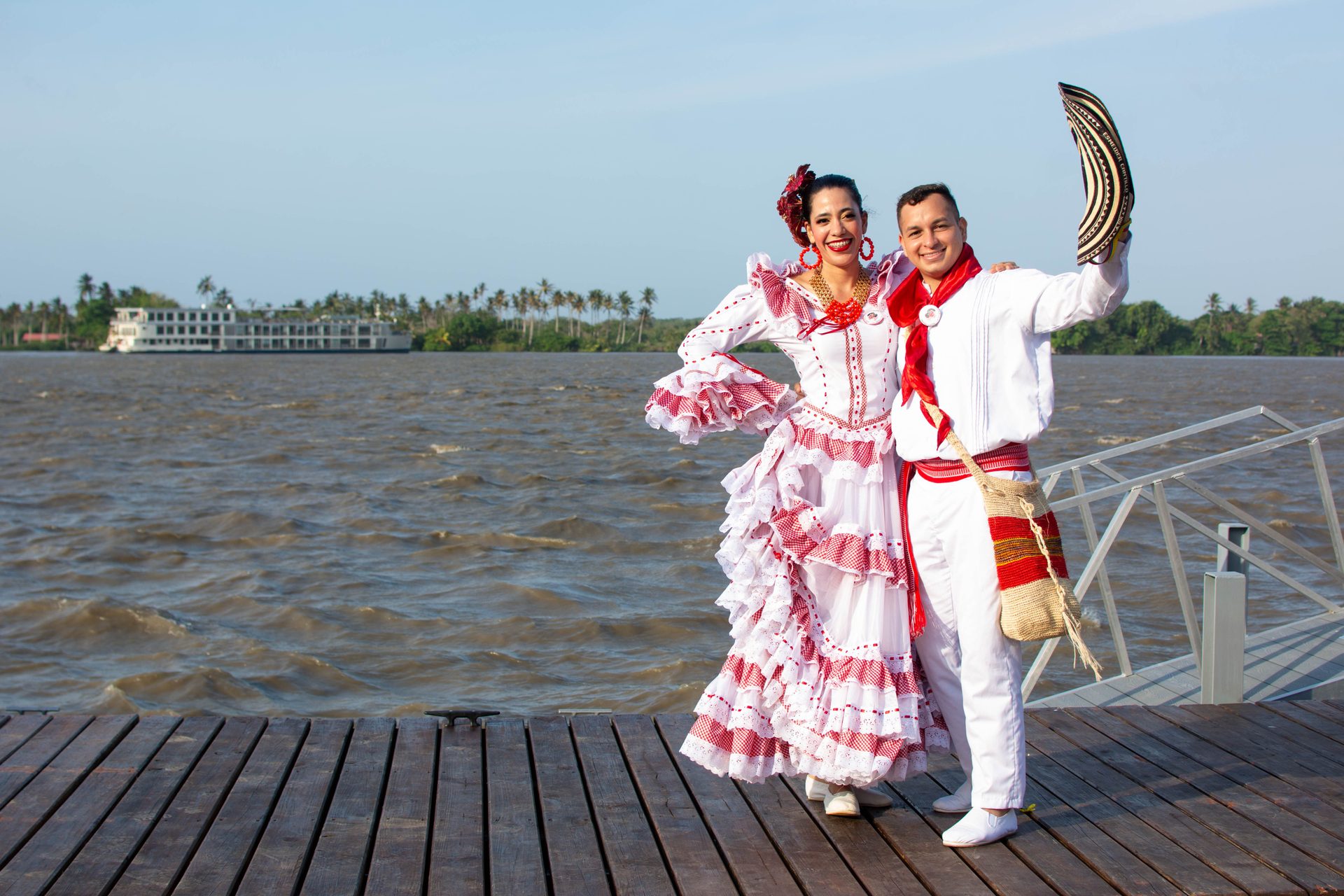
Traditional Colombian clothing for men changes dramatically depending on altitude, climate, and local history. A farmer in the cold Andean highlands dresses nothing like a cattle herder on the Orinoquía plains or a fisherman along the Caribbean coast. Each region built its own wardrobe from the materials at hand: wool from highland sheep, fique fiber from Andean agave plants, and lightweight cotton for the tropical lowlands.
This piece walks through 13 garments and accessories that still appear at festivals, horseback gatherings, and everyday rural life across Colombia. Some, like the ruana, are recognized nationwide. Others, like the sombrero de caña, stay closely tied to a single town or valley. Together, they show how practical clothing choices became lasting symbols of regional identity.
| Garment | Primary Region | Typical Material |
|---|---|---|
| Ruana | Boyacá, Cundinamarca (Andes) | Sheep’s wool |
| Sombrero vueltiao | Córdoba, Sucre (Caribbean) | Caña flecha palm fiber |
| Sombrero aguadeño | Aguadas, Caldas (Coffee Axis) | Palm straw |
| Liqui liqui | Llanos (Orinoquía) | Linen or cotton |
| Guayabera | Caribbean coast | Linen or cotton |
| Carriel | Antioquia (Paisa region) | Rawhide or nutria fur |
| Espadrilles (alpargatas) | Andean coffee zone | Fique fiber and canvas |
| Pañuelo (neck scarf) | Llanos | Cotton |
| Rolled drill trousers | Andean coffee zone | Drill/twill cotton |
| Linen shirt and trousers | Caribbean coast | Linen |
| Abarcas trespuntás | Boyacá, Santander | Leather |
| Llanero hat | Llanos | Felt or straw |
| Sombrero de caña | Huila, southern Andes | Cane fiber |
1. Ruana (Wool Poncho)
The ruana is one of the most recognizable pieces of cold-weather clothing from Colombia’s Andean departments. Unlike a closed poncho, it is typically left open at the front or sides, which makes it easier to work in while riding, farming, or walking through the cool highlands of Boyacá and Cundinamarca. The ruana is woven from sheep’s wool, a material well suited to the chilly temperatures found above 2,000 meters in elevation.
Local weavers often add subtle patterns or color blocking, though many everyday ruanas stay in natural wool tones of brown, gray, or cream. It remains common to see farmers and market vendors wearing one over a shirt and trousers, especially in towns around Boyacá where the garment is part of daily life rather than a costume reserved for festivals. Readers interested in how other cultures handle cold-climate dress can compare it with the wool layers found in traditional German clothing.
Pro Tip: A ruana is worn draped over the shoulders rather than pulled over the head like a closed poncho, so look for the open front seam as the quickest way to tell the two garments apart.
2. Sombrero Vueltiao
The sombrero vueltiao is arguably the single most recognized piece of traditional Colombian clothing for men. The sombrero vueltiao comes from the Zenú culture, an indigenous people who mainly inhabit the departments of Córdoba and Sucre, in the Greater Colombian Caribbean region, and have been present in the territory since before the arrival of the Spanish. The hat is woven from caña flecha, a native cane palm that grows along the rivers and mangroves of the Caribbean lowlands.
The name “vueltiao” comes from the spiral weaving technique, which requires turning (“volver”) the cane arrow during its manufacture. The sombrero vueltiao is recognized as Cultural Heritage and Cultural Symbol of the Nation by the Congress of Colombia, declared through Law 908 of September 8, 2004. Weavers work geometric bands called “pintas” into the crown, and these patterns represent the artists’ “signature,” or may be symbols in nature or might even commemorate certain music, stories, or dances.
You can read more about the hat’s artisan origins on Wikipedia’s entry on the sombrero vueltiao or through the Colombia Country Brand profile of the craft.
3. Sombrero Aguadeño
While the vueltiao dominates the Caribbean coast, the sombrero aguadeño belongs to the coffee-growing towns of Caldas, particularly the municipality of Aguadas. This pale, finely woven straw hat is a core piece of the classic “arriero” outfit worn by mule drivers and coffee farmers across the Coffee Axis, usually paired with a carriel and rolled trousers.
The aguadeño’s lighter, tighter weave sets it apart from coarser straw hats elsewhere in the country, and its white or cream color reflects sun in the warmer mid-altitude valleys where coffee is grown. A reporting piece on Colombia’s muleteer culture notes that the white hat, usually from Aguadas, is indispensable, as are the mulera shoulder cloth and the carriel, a typical leather satchel from Antioquia, underlining how the hat functions as one piece of a complete working wardrobe rather than a standalone accessory.
4. Liqui Liqui (Formal Suit, Llanos Region)
The liqui liqui is the formal counterpart to the working clothes found elsewhere on this list. Worn in the Llanos, the vast plains region shared with Venezuela, it consists of a mandarin-collar jacket and matching trousers, typically in white or light cream linen or cotton. Men wear it for formal events, religious celebrations, and especially for joropo, the traditional dance and music style of the plains.
Its tailored, buttoned-up style stands in sharp contrast to the rougher work clothes of the Andean highlands, reflecting the Llanos’ own distinct cattle-ranching culture and its ties to formal regional ceremony. The crisp, structured silhouette has drawn comparisons to other regional formalwear traditions, including the tailored suits documented in traditional Indian clothing.
5. Guayabera Shirt
The guayabera is a loose, lightweight shirt built for heat, and it shows up across Colombia’s Caribbean coast as well as in other parts of Latin America and the wider Caribbean. It typically features two rows of vertical pleats called “alforzas,” four patch pockets, and a straight hem meant to be worn untucked.
Linen and fine cotton are the traditional fabric choices, both of which breathe well in the humid lowland climate of cities like Barranquilla and Cartagena. Because the shirt crosses so many cultures and borders, its closest comparison in global dress is the breathable linen shirting found in warm-climate wardrobes documented in traditional American clothing from the hotter southern regions.
Key Insight: The guayabera’s four front pockets were originally a practical feature for field workers who needed to carry small tools or tobacco without a bag, which is part of why the shirt stayed so closely tied to rural and coastal labor before becoming formal attire.
6. Carriel (Leather Satchel)
The carriel is a small leather satchel strongly tied to Antioquia’s paisa culture. A carriel is a small leather satchel from Colombia, similar in appearance to a saddlebag but worn over the shoulder, usually by men, and typically made of rawhide or nutria fur, associated with Antioquia. It was built for a working life on horseback rather than as a fashion statement.
The carriel was an indispensable accessory for the “arrieros” (mule drivers) between the 19th and 20th centuries, and it has numerous compartments allowing mule drivers to carry essential items during long and difficult journeys across the Andean mountains, including religious objects, a knife, a harmonica, playing cards, and money. Some historic examples went even further: the original carriel antioqueño had 12 compartments and 5 hidden pockets, perfect for storing money, letters, photos, tobacco, and tools, stitched from more than 120 individual leather pieces.
The town of Jericó in Antioquia is often credited as the craft’s birthplace, and carriel or guarniel antioqueño was declared Cultural Heritage of the Nation in 2021. Visitors can still watch artisans build one by hand through workshops highlighted by Colombia Travel’s feature on carriel production or a travel guide to Jericó . For more on the muleteers who made the bag famous, see Colombia One’s report on the country’s last arrieros .
7. Espadrilles (Natural Fiber/fique Sandals)
Espadrilles, locally called alpargatas, round out the classic coffee-country outfit alongside the sombrero aguadeño and carriel. According to regional outfit descriptions from Colombia’s own tourism branding, the Andean working look for men pairs rolled-up drill pants, a long-sleeved shirt, sombrero aguadeño, leather carriel, and espadrilles into one cohesive silhouette.
The sandals use fique, a fiber drawn from an agave-like plant native to Colombia’s Andean slopes, woven into a flexible sole and upper. Fique has been a working-class textile staple for generations because it is durable, breathable, and locally grown, making it far more accessible than imported leather footwear for rural communities.
8. Red Neck Scarf (Pañuelo)
In the Llanos, a red cotton neck scarf, or pañuelo, is a small but telling detail of the llanero cowboy’s working outfit. Tied loosely at the throat, it absorbs sweat during long days on horseback and doubles as sun and dust protection on the open plains.
The scarf also carries over into performance costume: joropo dancers often keep the red pañuelo as part of their stage outfit, pairing it with the white liqui liqui to create visual contrast. Similar neckwear traditions appear in working and ceremonial dress elsewhere, including the patterned scarves covered in traditional Pakistani clothing.
9. Drill/twill Rolled-up Trousers
Rolled drill trousers are a practical fixture of the Andean coffee-growing wardrobe. Made from sturdy drill or twill cotton, the trousers are cuffed or rolled at the ankle, a style that began as a way to keep fabric clean and dry while walking through muddy coffee rows or crossing streams on foot or by horse.
Paired with the long-sleeved shirt, sombrero aguadeño, and espadrilles, rolled trousers complete the working silhouette still seen in coffee-region festivals and farm demonstrations across Caldas, Quindío, and Risaralda. The style favors function over decoration, which is part of why it has stayed largely unchanged for generations.
10. White Linen Shirt and Trousers (Coastal Style)
Along the Caribbean coast, heat and humidity dictate the wardrobe. A matching white or light-colored linen shirt and trousers combination is the standard traditional outfit for men in cities like Cartagena, Santa Marta, and Barranquilla, chosen specifically because linen breathes better than heavier cotton or wool in tropical conditions.
This coastal look also takes on a more solemn tone during religious observances. During events like Semana Santa, men commonly favor formal linen suits as a respectful alternative to everyday casual wear, echoing broader patterns seen across Latin American Catholic traditions. The same climate-driven logic behind breathable linen shows up in other warm-weather wardrobes, including the lightweight fabrics discussed in traditional Australian clothing.
11. Abarcas Trespuntás (Woven Leather Sandals)
Abarcas trespuntás are simple woven leather sandals worn in the cooler Andean departments of Boyacá and Santander, often alongside the ruana. The name “trespuntás” refers to the three-point strap construction that holds the sole in place across the foot, a design built for durability rather than decoration.
Unlike the fique-based espadrilles of the coffee zone, abarcas rely on tanned leather, better suited to the rockier, colder terrain of the high plateaus. Rural farmers and market traders in towns throughout Boyacá still wear them for everyday walking, making the sandal one of the more functional survivors of traditional Andean dress.
12. Wide-Brimmed Cowboy-Style Hat (Llanos)
The llanero hat is the plains equivalent of the Andean sombrero aguadeño: a wide-brimmed hat built for sun protection during long hours of cattle work under the open sky of the Orinoquía region. Felt or straw versions both appear, depending on season and formality, and the hat is a standard part of the liqui liqui ensemble during joropo performances.
Because cattle ranching defines so much of Llanos culture, the hat functions as both a practical tool and a visible marker of llanero identity, much the way regional headwear often signals occupation and place elsewhere in the world. Arriero culture further north relies on its own hat tradition, where Colombia’s muleteers favor straw hats from Aguadas as part of a similarly functional working outfit.
13. Cane/suaceño Hat (Sombrero De Caña)
The sombrero de caña, sometimes called the suaceño hat for its ties to the town of Suaza in Huila, is a lesser-known regional hat woven from cane fiber rather than the caña flecha palm used in the Caribbean’s vueltiao. It belongs to the southern Andean foothills, where local artisans have kept small-scale weaving traditions alive even as mass-produced straw hats became more common elsewhere.
Like the sombrero aguadeño and vueltiao, the suaceño hat demonstrates how nearly every Colombian region developed its own hat-weaving tradition suited to local plant fibers and climate. The result is a country where “the hat” is never really one single object, but a family of related crafts shaped by geography.
Important Note: Regional hat names can overlap in casual conversation, and some sources use “sombrero de caña” loosely to describe several cane or straw hats from different southern Colombian towns, so exact construction details may vary by weaver and locality.
Conclusion
Traditional Colombian clothing for men is less a single national costume than a patchwork of regional answers to climate, terrain, and daily work. The wool ruana of the cold Andes, the woven sombrero vueltiao of the Caribbean lowlands, and the linen liqui liqui of the Llanos all solve different problems with locally available materials, yet together they tell a consistent story about how Colombian identity is built region by region.
Many of these garments, from the carriel to the sombrero aguadeño, started as working tools before becoming symbols worn at festivals and national celebrations. For readers curious about how other countries built their own regional wardrobes around climate and craft, the comparisons found in traditional Chinese clothing and traditional Japanese clothing offer a useful point of reference, and the broader style archive at Homequirer’s clothing section covers more global dress traditions in depth.