12 Pieces of Traditional Jamaican Clothing for Men and What They Mean

November 18, 2026
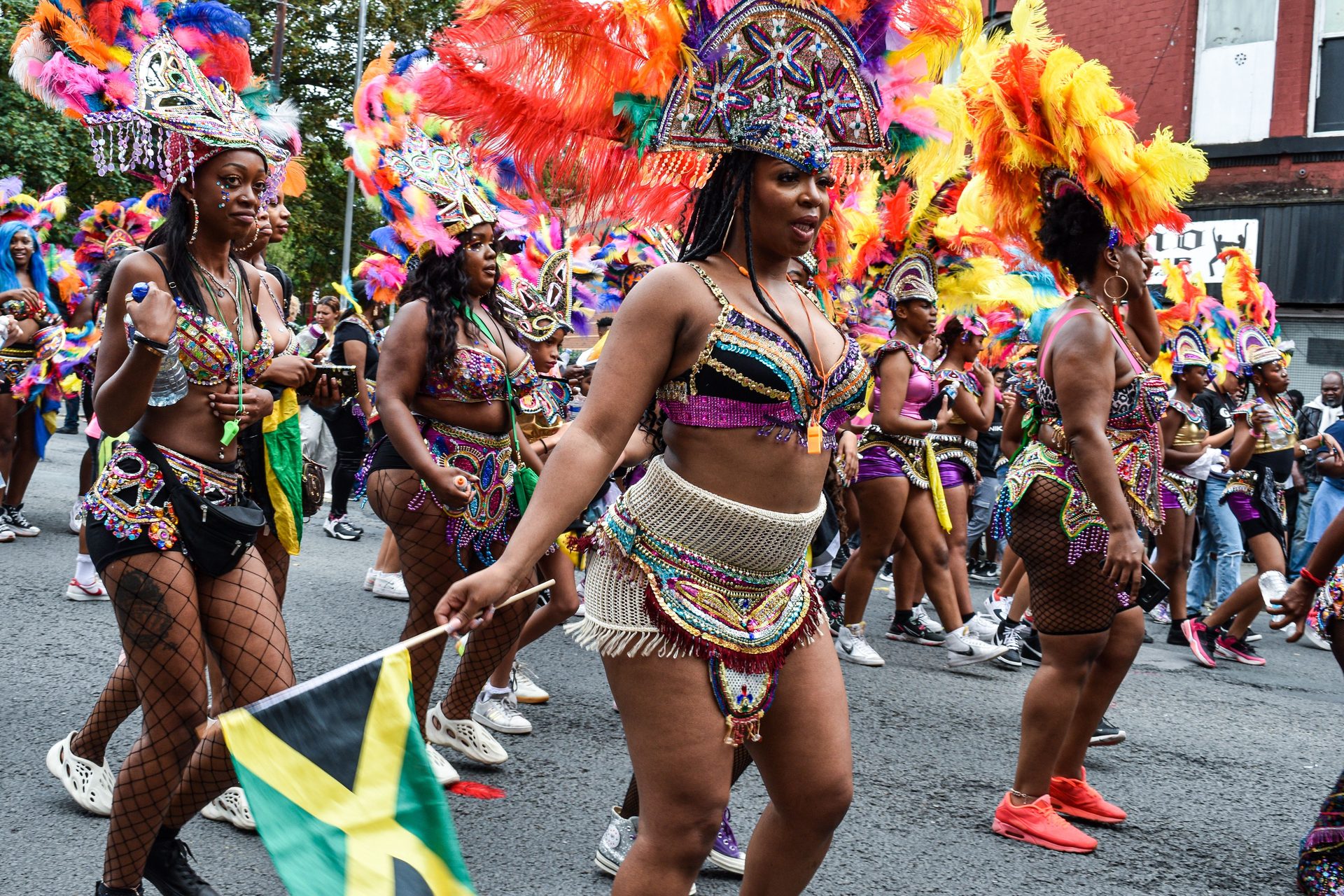
In 1982, Jamaica’s parliament banned sitting members from wearing short-sleeve Karibas on the floor of the House, a rule put in place by the speaker to enforce dress “with propriety.” That a single garment could trigger a formal government ruling says a lot about how seriously clothing has mattered in Jamaican political and cultural life. Traditional Jamaican clothing for men covers a surprisingly wide range, from tailored independence-era suits to the plaid costumes worn in folk dance to the red, gold, and green pieces tied to Rastafari identity.
This piece walks through twelve garments that make up that wardrobe, explaining where each one came from, who wore it first, and whether it still shows up at festivals, formal functions, or everyday street corners. Jamaica’s traditional dress sits alongside other national costumes with strong stories, from the tailored formalwear traditions of Germany to the layered silhouettes found in traditional Japanese clothing, and the comparison helps explain why Jamaica’s choices feel so distinct.
1. Kariba Suit
The Kariba suit , sometimes spelled Kareeba, is a two-piece men’s outfit created by Jamaican designer Ivy Ralph, the mother of actress Sheryl Lee Ralph, in the early 1970s as a Caribbean alternative to the European-style suit and a visual symbol of decolonization. The suit was created to be worn on business and formal occasions as a Caribbean replacement for the European-style suit and a visual symbol of decolonisation. It was popularized by Michael Manley, the leader of the People’s National Party (PNP).
The Kariba suit is an open-neck, over-the-pants shirt and matching trousers suit, first designed by Ivy Ralph, who was born in Manchester, Jamaica, in 1928. Ralph later explained that the design grew out of a childhood idea for a more comfortable style of menswear, one that moved men away from the jacket-and-tie routine toward something better suited to the island’s climate. The suit’s lightweight cotton or linen construction let it stand in for a jacket and tie at official functions without the discomfort of heavy wool tailoring.
The garment’s popularity eventually became a political flashpoint. On April 7, 1982, Jamaica’s speaker of the house, Talbert Monsell Forrest, declared a parliamentary dress code requiring members, visitors, and journalists to dress “with propriety,” which excluded short-sleeve Karibas and guayabera shirts from the chamber. The episode marked a shift away from the look’s earlier embrace by government. According to the Reggae Fashion Museum’s account of Jamaica’s independence era , the suit’s rejection of a tie and its lightweight tailoring made it a deliberate departure from colonial formalwear rather than a casual shortcut.
Important Note: Some sources draw a line between the Kariba suit and older folk costume. The bush jacket style the Kariba grew out of is sometimes mistakenly viewed as historic traditional dress, but it was actually introduced in the 1970s primarily for political purposes rather than carrying roots in Jamaica’s older folk wardrobe.
2. Bandana Cummerbund/waistcoat (Worn with White Shirt as Part of Quadrille Men’s Costume)
The quadrille costume is the closest thing Jamaica has to a formal national dress for both men and women. It is recognized as a symbol of traditional Jamaican clothing on the world stage, and for men the ensemble pairs a white shirt with a plaid cummerbund and sometimes a plaid sash. The plaid itself is known locally as bandana fabric, a red-and-white (or red-and-maroon) check that shows up across nearly every piece of men’s quadrille dress.
The costume is tied directly to a specific dance. A quadrille dress is a traditional folk costume worn in several Caribbean countries and is commonly associated with the quadrille dance, varying in design and name depending on the country. Male performers may wear a matching madras shirt with white trousers when taking part in traditional folk performances, particularly within the tourism sector. The fuller formal version, with a fitted bandana waistcoat over a white shirt, tends to appear at Heritage Week events and staged cultural shows rather than casual gatherings.
According to the Nationalclothing.org community archive , men wear a shirt made from the same bandana fabric paired with white pants during quadrille and folk dances, while more formal occasions call for different attire entirely. The waistcoat variant, worn over a white shirt, is the version most closely tied to the men’s half of the national costume described by Jamaican cultural institutions. For a deeper look at how plaid fabrics carry meaning in other national dress traditions, the madras patterns used here echo design choices seen in traditional Indian clothing, since madras cloth itself traces back to South India before becoming a Caribbean staple.
3. White Cotton Long-Sleeved Shirt
The white cotton long-sleeved shirt is the foundation piece beneath the bandana waistcoat in Jamaica’s men’s national costume. The full costume for men includes a white cotton long-sleeved shirt, bandana waistcoat, bandana cravat, black trousers, black leather shoes, and a Panama straw hat. This layered combination traces back to the formalization of Jamaica’s “National Costume” designation.
That designation has a specific origin point. The red-and-white plaid cotton bandana material represents the traditional folk costume worn by women in Jamaica and became the official “National Costume” when the Queen of England visited Jamaica in 1953. The men’s white shirt and bandana accessories followed as the matching formal counterpart, worn together at independence celebrations and cultural showcases rather than daily life. Because the shirt itself is plain, it does double duty: on its own with rolled sleeves it becomes part of everyday wear, and buttoned with the waistcoat it becomes the backbone of formal national dress.
4. Bandana Cravat
A bandana cravat, tied at the neck in place of a modern tie, completes the upper half of the formal men’s quadrille costume. This cravat appears alongside the white cotton long-sleeved shirt, bandana waistcoat, black trousers, black leather shoes, and Panama straw hat as part of the men’s national costume. It is cut from the same red-and-white check as the waistcoat, keeping the upper body visually unified rather than mixing patterns.
Some versions of the costume swap the standard bandana cravat for a different fabric altogether. One documented variant pairs a red cotton shirt with a calico waistcoat trimmed in bandana, worn with the same cravat style but finished off with a black bowler or top hat instead of straw. That substitution shows how much room there is within what’s loosely called the “national costume,” since the core pieces stay recognizable even as fabric and hat choices shift between versions.
5. Black Trousers
Black trousers anchor the bottom half of the formal men’s costume and provide contrast against the bright plaid worn above. They appear consistently across descriptions of the men’s national costume, alongside the white shirt, bandana waistcoat, cravat, black leather shoes, and Panama hat. The choice of black rather than a lighter shade keeps the look grounded and formal, balancing out the busier bandana print on the chest.
Outside of staged cultural performances, black trousers also show up in Jamaica’s everyday office and church wardrobe, paired with a plain shirt rather than a waistcoat. The fabric is almost always a breathable cotton or cotton-blend, a practical choice given the island’s year-round heat. That same climate-driven logic shows up repeatedly across Jamaican menswear, including in the design decisions behind the Kariba suit discussed earlier.
6. Black Leather Shoes
Black leather shoes round out the formal costume, chosen specifically to match the black trousers rather than to coordinate with the bandana pattern. They are listed consistently as part of the men’s national costume alongside the white shirt, bandana waistcoat, bandana cravat, black trousers, and Panama straw hat. Low-heeled, simple leather shoes keep the footwear understated so the plaid waistcoat and cravat remain the visual focus.
This formality stands in deliberate contrast to the footwear worn with Jamaica’s more relaxed traditional styles, including the woven sandals discussed later in this guide. Shoe choice in Jamaican menswear tends to track directly with occasion: leather for ceremonies and formal dress, lighter woven or rubber-soled options for everyday and cultural dress tied to Rastafari identity.
7. Panama Straw Hat / Wide-Brimmed Straw Hat
A Panama straw hat finishes off the formal men’s national costume and doubles as practical sun protection in Jamaica’s climate. It appears as the final listed piece of the men’s costume, worn with the white shirt, bandana waistcoat, bandana cravat, black trousers, and black leather shoes. In some documented versions of the costume, a black bowler or top hat replaces the straw Panama entirely, particularly in the calico-and-bandana variant that pairs a red shirt with a trimmed waistcoat.
Wide-brimmed straw hats aren’t unique to formal dress, either. Simpler straw hats, often locally woven rather than imported, are also a defining feature of the everyday working wardrobe covered in the next section. The broad brim serves the same purpose in both settings: shade from direct sun during long outdoor hours. That functional-first approach to headwear echoes a pattern seen in other sun-heavy regions, including the broad-brimmed hats common in traditional Australian clothing, where climate drives the silhouette just as much as style does.
8. Loose Pants/trousers with Belt and Short-Sleeved Shirt (Everyday Wear)
Away from formal costume and staged folk performance, the day-to-day uniform for Jamaican men historically centered on practicality rather than pattern. Loose-fitting trousers, cinched with a belt, paired with a short-sleeved shirt made up the standard working outfit across rural and urban Jamaica alike. Men commonly rolled their pant legs up while laboring in fields or during the hottest stretches of the day, a small adjustment that made a real difference in the heat.
Color choices in this everyday wardrobe tended to stay muted compared to the bold plaid of formal dress, favoring practical, easy-to-maintain fabrics over anything decorative. A wide-brimmed straw hat and simple leather or canvas shoes usually completed the look. This everyday outfit is the version most Jamaican men actually wore for most of their lives, even as the more colorful quadrille and Kariba styles captured outside attention.
| Style Category | Core Pieces | Typical Occasion |
|---|---|---|
| Formal National Costume | White shirt, bandana waistcoat, cravat, black trousers, black shoes, Panama hat | Independence Day, Heritage Week, folk performances |
| Everyday Working Wear | Loose trousers, belt, short-sleeved shirt, straw hat | Daily labor, rural and town life |
| Rastafari-Influenced Dress | Dashiki, tam, red-gold-green accessories, wompers | Cultural gatherings, reggae events, everyday identity |
This three-way split, formal, practical, and culturally symbolic, helps explain why “traditional Jamaican clothing for men” doesn’t point to one single outfit the way some national costumes do. It’s closer to a wardrobe shaped by three different eras and purposes layered on top of each other.
9. Dashiki with Loose-Fitting Pants and Sandals
The dashiki is a loose, often brightly patterned tunic with roots in West African dress, adopted widely across Jamaica during the Black pride and Pan-African cultural movements of the 20th century. Traditional Jamaican clothing includes African-influenced garments alongside the quadrille costume and Rastafari dress in red, gold, green, and black. Worn with loose-fitting pants and simple sandals, the dashiki became one of the clearest visual links between Jamaican street style and broader African diaspora fashion.
Unlike the tailored formality of the Kariba suit or the structured quadrille costume, the dashiki ensemble reads as relaxed and expressive. It’s commonly worn at reggae festivals, African heritage celebrations, and Rastafari gatherings rather than government functions or weddings. The pairing of dashiki, loose pants, and sandals also shows up well beyond Jamaica, reflecting how closely the island’s cultural dress is tied to a wider Pan-African identity rather than existing in isolation.
10. Tam (Red, Gold, Green, Black Striped Cap)
The tam is a large, often crocheted or knitted cap designed to hold dreadlocks and is one of the most recognizable pieces of Rastafari-associated headwear in Jamaica. Striped in red, gold, green, and black, it functions as both a practical covering and a clear visual marker of cultural and spiritual identity. The national flag colors of black, gold, and green appear throughout formal and everyday Jamaican dress, while the Rastafari colors of red, gold, green, and black carry specific spiritual and Pan-African meaning across Jamaican cultural clothing.
The tam’s oversized shape isn’t accidental. It needs enough room to gather long, uncut dreadlocks associated with Rastafari spiritual practice, which calls for a looser, more generous cut than a standard knit cap. Vendors across Jamaica, from craft markets to roadside stalls, sell the tam in countless color and pattern combinations, though the red-gold-green-black stripe remains the most widely recognized version both on and off the island.
11. Rastafari-Inspired Clothing (Red, Gold, Green Palette Items)
Beyond the tam, the red-gold-green color palette tied to Rastafari identity extends across shirts, wraps, belts, and accessories worn throughout Jamaica. According to a cultural style guide on Jamaican traditional clothing , Jamaican traditional clothing draws from two main color sets, with the Rastafari colors of red, gold, green, and black carrying specific spiritual and Pan-African meaning. These colors are commonly understood within Rastafari belief to represent the blood of past struggles, the wealth and sun of Africa, the island’s vegetation, and the skin of the African diaspora, though interpretations vary between individuals and communities.
- Red: historically linked to struggle, sacrifice, and resilience
- Gold: associated with prosperity and the wealth of Africa
- Green: tied to the land, vegetation, and hope
- Black: representing African heritage and identity
Key Insight: Rastafari-inspired clothing isn’t limited to strict religious observance. Many Jamaicans wear red, gold, and green pieces as a general expression of national and cultural pride, separate from formal Rastafari spiritual practice.
Both color sets, the national flag palette and the Rastafari palette, appear across Jamaican clothing traditions, from the quadrille costume to modern tracksuits, hoodies, and footwear. That crossover is part of why the colors read as distinctly Jamaican internationally, even to people unfamiliar with the specific cultural history behind them. The same color symbolism has influenced fashion well beyond Jamaica, much like how certain patterns in traditional Chinese clothing carry meanings that travel far past their country of origin.
12. Wompers (Rubber/plastic Sole Sandals with Rope Ties)
Wompers are simple, informal sandals built around a rubber or plastic sole with rope or cord used to tie the sandal across the foot, a practical and inexpensive footwear style long associated with rural and working-class Jamaican life. Their construction prioritizes durability and low cost over appearance, which is exactly why they became a lasting fixture in everyday Jamaican wardrobes rather than a formal or ceremonial piece.
Wompers sit at the opposite end of the spectrum from the black leather shoes worn with the formal national costume. Where the leather shoe signals ceremony and structure, the wompers represent function, affordability, and adaptability to Jamaica’s climate and terrain. They remain part of the island’s broader footwear tradition today, worn casually alongside loose trousers or shorts rather than paired with any of the more formal pieces covered earlier in this guide.
Taken together, these twelve pieces show that traditional Jamaican clothing for men was never built around a single uniform look. It moves between tailored independence-era formalwear, plaid folk costume tied to a specific dance, practical working clothes shaped by climate, and a Rastafari-influenced palette that carries its own spiritual and cultural weight. Readers curious about how Jamaican identity shows up beyond clothing might also look at Jamaican baby names for boys or Jamaican baby names for girls, both of which draw on similar threads of heritage, language, and pride. For a broader look at how clothing traditions compare across cultures, the clothing and style section covers national dress from several other countries, while traditional American clothing and traditional Pakistani clothing offer useful points of comparison for how climate, colonial history, and cultural identity shape a country’s wardrobe over time.