Traditional Xhosa Clothing: 13 Garments That Define Xhosa Heritage

November 17, 2026
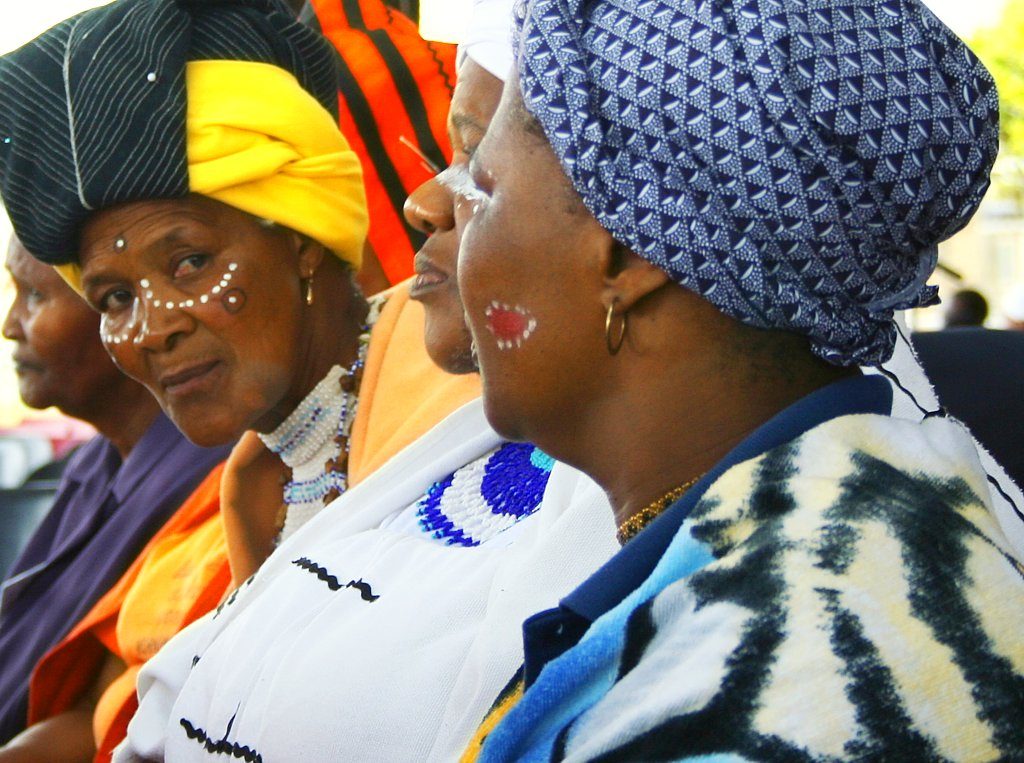
Traditional Xhosa clothing rarely needs an introduction inside South Africa, yet outside the Eastern Cape its vocabulary of skirts, blankets, beads, and headwraps remains largely unexplained. Among isiXhosa-speaking communities, clothing has long worked as a quiet form of communication, where the trim on an apron, the wrap of a cloth, or the tilt of a headscarf can announce marital status, age, or family lineage without a single word spoken.
Umbhaco signifies a person’s position in the family, which is why a mother and daughter do not wear the same umbhaco because the mother or wife is married into the family while the daughter is a descendant. That single detail hints at how layered this dress system really is. The thirteen garments below cover the everyday, the ceremonial, and the deeply symbolic pieces that together make up Xhosa traditional attire, much as distinctive silhouettes define other South African cultural traditions.
1. Umbhaco
Umbhaco is the term most people reach for when they mean “Xhosa traditional dress” as a whole, though it technically refers to a specific wrap garment and the fabric it is made from. According to the Metropolitan Museum of Art , this elegant textile skirt, also known as an isikhakha or imibhaco, is one example of the incorporation of beadwork into garments, and Xhosa people commonly wear a plain white or occasionally red wrapper.
The fabric itself is a heavy cotton, finished with black, blue, or red trim rather than printed in busy patterns. Decorative black stripes sewn along the bottom of a married woman’s umbhaco can even signify the number of children she has birthed into the family, turning a simple hemline into a quiet family record. Beadwork, tassels, and buttons are added on top of the base cloth for ceremonies, weddings, and seasonal homecomings.
Pro Tip: Everyday umbhaco tends to use plain white or cream cotton with minimal trim, while ceremonial versions add heavier beadwork, tassels, and bold color blocking in red, blue, or black.
2. Isikhakha
Isikhakha describes the dress-and-cloak combination worn by married Xhosa women rather than a single garment. Xhosa traditional wear is made from cotton woven into unique styles and patterns, and the women wear white dresses decorated with black bias binding at the hem and neck, paired with a headdress made from two or three different colored materials.
Married women wear long aprons over their dresses, decorated with black bias binding, and over the whole outfit they wear a cloak made from the same material, with this complete outfit known as isikhakha. The layering matters: apron, dress, and cloak are worn together as one recognizable silhouette, similar in spirit to how draped garments in Indian dress traditions build formality through added layers rather than a single statement piece.
3. Incebetha
Incebetha (sometimes spelled ncebetha) belongs to the category of women’s garments documented alongside iqhiya and ibhayi in broader catalogs of Xhosa dress. Xhosa people wear umbhaco for both genders, and for women, dress includes the faskoti, inxili sling bag, ncebetha, iqhiya, and ibhayi.
Within that list, incebetha functions as a draped overlayer, worn alongside rather than instead of the main umbhaco ensemble. It adds another surface for the beadwork and color coding that run through Xhosa dress, in the same way layered outer garments in Chinese traditional clothing carry separate symbolic weight from the base robe underneath.
4. Ifulu
Ifulu sits among the lesser-documented pieces of the Xhosa wardrobe in English-language sources, which itself says something about how many garment names are local to specific sub-regions and dialects of isiXhosa. Based on its place within the layered skirt tradition, ifulu is generally understood as an underlayer or petticoat-style piece worn beneath the main umbhaco skirt, adding fullness and warmth to the silhouette.
Important Note: Some Xhosa garment names, including ifulu and others covered here, are not consistently documented across English-language sources. Details should be treated as general descriptions rather than definitive regional standards, and readers researching a specific clan or district should consult local Xhosa cultural authorities for precise usage.
Layered underskirts of this kind appear across many African wrap-garment traditions, serving a practical purpose that outlasts the fashions built on top of them, much like the structured underlayers found in German regional dress.
5. Uxakatha
Uxakatha refers to a blanket worn as part of ceremonial Xhosa attire, most notably by grooms during wedding rites. This blanket, known as uxakatha or ibhayi, is often adorned with patterns or symbols that signify his clan and heritage, and together with the fez, embodies the groom’s commitment to upholding Xhosa values, according to a report on Xhosa wedding traditions .
The overlap between uxakatha and ibhayi in some sources reflects how blanket terminology shifts depending on context, occasion, and regional usage rather than describing two entirely separate objects.
6. Iqhiya
Iqhiya is the headscarf or headwrap worn by married Xhosa women, and it is one of the clearest visual markers of marital status in the entire dress system. When a new wife is formally welcomed into her husband’s family, she is dressed in umbhaco or umajelumane, has a small blanket tied around her waist, and her head is covered with iqhiya, a black headscarf.
The color and styling carry weight beyond simple head covering. The tradition of wearing iqhiya and its association with marriage symbolizes prestige in older Xhosa traditions, a cultural commentary on the garment notes, even as younger generations increasingly separate the headwrap from strict marital obligation.
7. Ibhayi
Ibhayi is the shawl or cloak layer thrown over the shoulders to complete a Xhosa outfit, and it frequently appears paired with isikhakha and iqhiya in bridal descriptions. The bridal outfit typically includes an isikhakha, a white wrapper with black stripes or patterns symbolizing purity and heritage, often paired with a beaded iqhiya headscarf and an ibhayi shawl featuring distinctive black and white designs.
Men’s ibhayi serves a similar dual purpose to the women’s version, doubling as a cold-weather cloak during winter homesteads and as a ceremonial wrap during rituals, a layering logic also seen in shawl traditions across South Asian dress.
8. Ingxowa
Ingxowa is the general isiXhosa word for a bag or pouch, and within traditional dress it covers the beaded carrying pieces worn as part of daily and ceremonial outfits. The most documented example is the tobacco pouch: Xhosa men and women, including non-smokers, carry a pipe in a beaded tobacco bag called inxili as part of their traditional attire, and tobacco itself is placed in these bags, which are worn as a necklace, per Wikipedia’s entry on the inqawe smoking pipe .
Women’s bags are made of cotton sheeting decorated with beadwork and braid and a few wool tassels, while those used by men are made from either cotton sheeting or the skin of a goat removed in such a way as to retain its shape. The tobacco smoked in these pouches traditionally comes from the wild tobacco plant Nicotiana glauca, and the pipes themselves are often carved from Acacia afra wood found across the Eastern Cape.
9. Imitsheke
Imitsheke refers to the beaded bangles and bracelets worn in stacked sets on the wrists, a category of adornment that sits alongside necklaces and headpieces in the wider beadwork tradition. Beadwork is used to create intricate patterns on necklaces, bracelets, and other accessories, and the colors and designs of the beads often reflect the wearer’s age, marital status, or tribal affiliation.
Color coding runs through nearly every beaded piece in Xhosa dress, including bangles, and the table below summarizes the general symbolism reported across Xhosa cultural sources.
| Bead Color | Common Symbolic Meaning |
|---|---|
| White | Purity and spiritual connection |
| Blue | Faithfulness and peace |
| Red | Passion, life, and transformation |
| Black | Strength and maturity |
| Yellow | Wealth and fertility |
A thick cotton fabric, usually in white or cream, decorated with black, blue, or red patterns forms the backdrop against which these beaded bangles are displayed, making the color pairing between garment and accessory a deliberate styling choice rather than a coincidence. Beaded accessory traditions of this kind have parallels in accessory layering within Japanese dress customs, where small details carry outsized symbolic meaning.
10. Intsimbi
Intsimbi is a beaded headdress reserved for brides, worn as the final layer over the iqhiya headscarf to visibly mark a woman’s new married status. A special beaded headdress, the intsimbi, is worn over her iqhiya to prominently display her changed status, according to a guide to the Xhosa bride’s umakoti attire .
Key Insight: The sequence matters: iqhiya covers the head first as a general marker of marriage, and intsimbi is added on top specifically during bridal ceremonies, making it a time-limited rather than everyday garment.
The same source outlines the full umakoti ensemble, which typically includes:
- Umbhaco as the base five-piece outfit
- Iqhiya, the black headscarf
- Ingcawa, a small blanket tied at the waist
- A woolen scarf worn around the hips
- Intsimbi, the beaded headdress layered over the iqhiya
11. Ingcawa
Ingcawa is a small blanket tied around a bride’s waist as part of the marriage ceremony, distinct from the larger shoulder blankets worn elsewhere in the outfit. During the Xhosa marriage ceremony, the bride wears her isishweshwe skirt and apron, ikhetshemiya headcloth, imibhaco beaded necklace and bracelets, and covers herself in ingcawa, a blanket.
Paired with other bridal pieces like the layered bridal garments seen in Indian wedding dress, ingcawa shows how many cultures build a single, instantly readable silhouette out of several smaller symbolic items worn at once.
12. Isidanga
Isidanga belongs to the men’s side of the Xhosa dress vocabulary, documented as part of the formal attire worn alongside other beaded accessories. For men, traditional Xhosa dress includes the ingqosha, isidanga, and unngqa, a pattern noted in broader surveys of African folk costume.
As a beaded neckpiece, isidanga functions for men much as necklaces and collars do for Xhosa women, signaling status and occasion through color and bead density rather than cut or fabric, a principle shared with formal neckwear traditions in various regional American dress customs.
13. Isichebe
Isichebe is generally associated with the apron category of Xhosa dress, a group of garments that mark different life stages for women and girls. A closely related garment, inkciyo, is documented as a beaded apron worn by young women, symbolizing youth and purity, and isichebe appears to occupy similar territory within the same family of front-covering garments.
Because naming conventions for aprons vary by clan, age-grade, and district, isichebe is best understood as one of several region-specific terms describing this category rather than a single standardized garment, in the same way regional dress variations within Australian Indigenous and settler traditions resist a single uniform definition.
Taken together, these thirteen garments show that traditional Xhosa clothing was never just decoration. Beadwork color, blanket placement, and headscarf styling each carry specific information about age, marital status, and family history, built up through layers worn in a fixed, culturally understood order. For readers comparing this system against other traditional clothing traditions around the world, the Xhosa wardrobe stands out for how precisely each individual piece, down to a bangle or a bag, is tied to a specific stage of a person’s life.