From Smock-Frocks to Pearly Suits: 13 Pieces of Traditional English Clothing

November 17, 2026
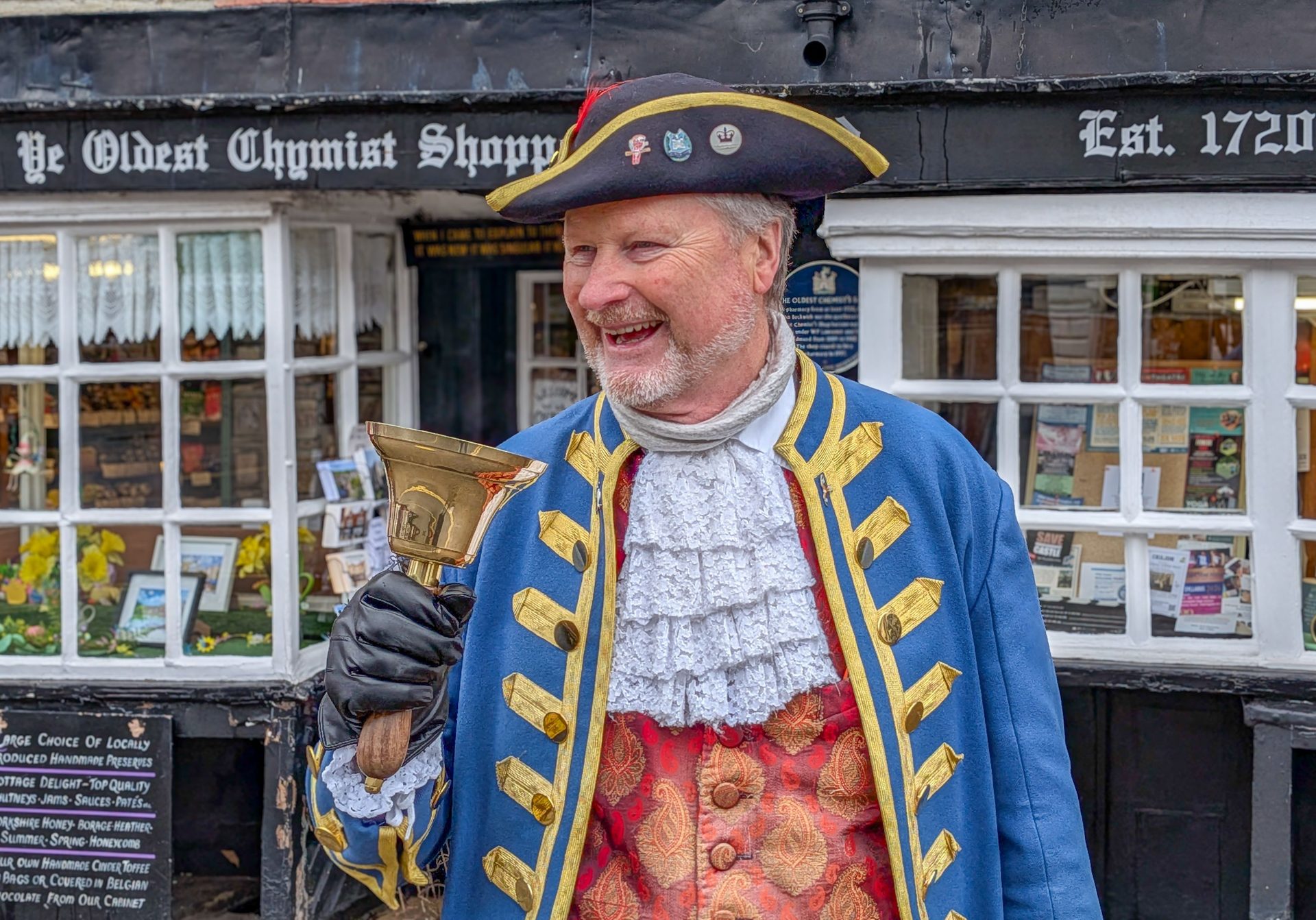
Long before high-street fashion flattened regional style into a single look, what a person wore in England said exactly where they came from and what they did for a living. A shepherd on the Sussex Downs, a herring girl in Whitby, and a costermonger in London’s East End dressed in ways that had almost nothing in common, yet each outfit was just as recognisably English as the next.
Traditional English clothing is less a single national costume and more a patchwork of trade dress, coastal knitwear, and street tradition, shaped by weather, work, and local craft. This guide walks through thirteen garments and accessories, from the humble farm smock to the pearl-studded pearly suit, that together tell the story of England’s working past. Readers curious about how other nations built their own regional dress codes can also compare notes with traditional clothing traditions from around the world or see how neighbouring Europe approached the same problem in this overview of traditional German clothing.
1. Smock-Frock
The smock-frock began life as practical protection, not fashion. According to genealogist and fashion historian Jayne Shrimpton, the male smock frock is believed to have originated with the loose linen or canvas coats worn by 17th-century farm carters, and these early garments probably inspired the roomy, long-sleeved garment used from the mid-1700s as protection from the elements. The loose cut meant a labourer could pull it straight over his regular shirt and breeches without changing clothes at all.
By the close of the 18th century the garment had spread well beyond carters. The smock-frock had become the common outer garment of agricultural labourers of all sorts throughout the Midlands and Southern England, and its spread matches a general decrease in agricultural wages and living standards in these areas. It was cheap, washable, and durable, which mattered when a labourer’s wardrobe was thin.
What turned a workwear item into folk art was the embroidery. Embroidery styles for smock-frocks varied by region, and a number of motifs became traditional for various occupations: wheel-shapes for carters and waggoners, sheep and crooks for shepherds, and so on. A trained eye could read a man’s trade from his collar before he ever opened his mouth. More on the garment’s documented history is available from the Wikipedia entry on the smock-frock and from The Genealogist’s feature on the history of smocks .
Pro Tip: Museum smocks with the most elaborate stitching were usually not everyday workwear — they were “Sunday best” versions kept for church, markets, and fairs.
2. Round Smock
The round smock takes its name from its cut rather than its shape on the body. Unlike tailored coats with a distinct front and back, it was constructed so the front and back panels were nearly identical, which meant the garment could be worn either way round and simply flipped when one side wore thin. That reversibility doubled the working life of a piece of clothing that otherwise saw hard daily use.
Most round smocks were made from the same tough materials used across the smock family. Different styles fastened in various ways over regular knee breeches and a shirt, using several yards of linen, stout cotton, or drabbet, mostly in natural cream, beige, stone, or buff colours. The practicality of the design carried the garment well beyond England’s borders. Research into the smock-frock’s wider history notes that manufacturers traced the garment’s usage across England as well as export markets such as Australia, a trade route readers can follow further in this look at traditional Australian clothing.
3. Shirt Smock
The shirt smock, sometimes called the Surrey smock after the county most associated with it, broke from the round smock’s reversible design in favour of a more fitted, shirt-like construction. As one detailed reference on rural dress explains, the shirt smock or Surrey smock is styled like a man’s shirt, with a collar and a short placket opening in the front, and it is not reversible.
That collar and front placket made the shirt smock feel a little closer to formal dress than its plainer cousins, which is likely why it held on longer as “good” wear even after everyday field smocks had largely disappeared. It sat somewhere between the roomy round smock and the longer coat-style smocks worn by Welsh shepherds, giving wearers a middle option that was tidy enough for market day but still built for outdoor work.
4. Fisherman’s Smock
Away from the ploughed fields, England’s fishing communities developed their own woven smock, cut from heavy cotton duck or canvas rather than the linen common inland. The fisherman’s smock was typically dyed a deep navy or indigo blue, a colour that hid tar, fish oil, and net dye far better than pale farm linen ever could.
Loose through the body and gathered at the cuffs, it was pulled on over a jersey for hauling nets, baiting lines, and working on open decks where salt spray and rope burn ruined ordinary clothing fast. Unlike the knitted gansey worn underneath for warmth, the fisherman’s smock was a woven outer layer, closer in spirit to the Continental “bleu de travail” worn by dockworkers across the Channel than to anything knitted. The two garments were often worn together, one for warmth, one for protection against the weather.
| Smock Type | Cut | Primary Wearers | Notable Feature |
|---|---|---|---|
| Smock-frock | Loose, knee- to calf-length | Carters, shepherds, waggoners | Trade-specific embroidery motifs |
| Round smock | Identical front and back panels | General farm labourers | Fully reversible for longer wear |
| Shirt smock | Fitted, shirt-style collar | Surrey farmworkers | Front placket opening, non-reversible |
| Fisherman’s smock | Loose, woven duck or canvas | Coastal fishing crews | Deep indigo dye to mask tar and fish oil |
5. Gansey
Where the smock protected against mud, the gansey protected against the sea. Knitted tight on five fine steel needles from oiled wool, the gansey is meant to hug the body to keep the fisherman warm and dry, a property that mattered enormously aboard open fishing boats with no shelter from spray or wind.
The wool itself was no ordinary yarn. It was a tightly spun 5-ply worsted wool popularly known as “Seamen’s Iron,” knitted in one piece on five steel needles, dense enough to shrug off a soaking and still hold its shape. The patterning across the chest and upper arms was never purely decorative, either: gansey patterns mimicked the ropes, nets, waves, weather, and even the bones of the herring the men sought and the women gutted and salted.
Every fishing community eventually claimed its own design. In Cornwall alone, researchers have identified roughly two dozen distinct patterns, each one drawing on local maritime imagery, and twenty-four principal patterns have been identified there, each one drawing inspiration from ropes, chains, waves, nets and sand-prints. Popular regional names still used by knitters today include:
- Whitby, known for diamond and cable combinations
- Staithes, with its distinctive flag and tree-of-life motifs
- Filey, favouring plain panels broken by narrow cable bands
- Polperro, where locals sometimes called the garment a “knit-frock” rather than a gansey
The gansey’s heyday tracked the fortunes of the herring industry itself. The gansey was the uniform of the herring fleet, which boomed from 1850 until 1930, and demand for the sweaters rose and fell with the catch. The name itself likely traces back across the Channel: the garment is documented by Wikipedia as a seaman’s knitted woollen sweater that originated in the Channel Island of Guernsey , whose knitting trade can be dated back to the late 15th century when a royal grant was obtained to import wool from England and re-export knitted goods to Normandy and Spain. For a deeper look at the craft itself, the Modern Daily Knitting feature on the gansey traces individual patterns back to named knitters and villages.
6. Maud
Travel inland to the hill country along the Scottish border and the garment of choice changes entirely. The maud is a heavy woollen plaid, usually woven in a black-and-white check, worn wrapped and pinned around the body like a blanket-cloak rather than cut and sewn into a fitted shape.
Shepherds favoured the maud because a single length of cloth could serve as a coat by day and a makeshift bedroll by night, which mattered enormously for men who spent long stretches on open hillside watching flocks. Its loose, adjustable wrap also meant one maud could fit any build and be loosened or tightened as the weather changed, a flexibility that tailored coats of the period simply could not match.
7. Flat Cap
Few garments are as instantly tied to a particular slice of English life as the flat cap. Made from wool, tweed, or a sturdy cotton, it sits low on the head with a small stiff brim at the front and a rounded crown that is noticeably flatter than a baseball cap or a traditional bowler.
Its practicality made it the default headwear for working men across the North of England from the late 19th century onward, cheap enough for a factory hand and warm enough for a man standing outside all day. The same silhouette later crossed the Atlantic as the “newsboy cap,” a connection readers can explore further in this guide to traditional American clothing, where the style took on its own regional life among dockworkers and paperboys.
Important Note: The flat cap also had a gentrified cousin worn by landowners and country sportsmen, cut in finer tweed and paired with shooting jackets, which is why the cap reads as both a working-class symbol and a countryside fashion staple depending on the fabric and context.
8. Pattens
Before rubber boots and paved yards, keeping feet dry meant strapping on pattens. These were simple wooden or iron-soled overshoes, raised on a small platform or ring, worn fastened over an ordinary leather shoe to lift the wearer’s foot clear of mud, standing water, and farmyard filth.
Dairy maids, market women, and anyone whose daily round took them across wet cobbles or unpaved lanes relied on pattens well into the 19th century. They were not elegant, and the wearer had to adjust her gait slightly to walk in them without tripping, but they were far cheaper to replace than a pair of ruined leather shoes.
9. Wooden Clogs
In the mill towns of Lancashire and Yorkshire, wooden clogs did a similar job on a larger scale. Carved from alder or beech and fitted with a leather or canvas upper, the thick wooden sole kept factory workers’ feet insulated from damp stone floors, spilled machine oil, and the occasional hot ember from a boiler room.
Clog-wearing communities eventually turned the sound of the shoe itself into entertainment. The sharp, rhythmic clack of wood on stone floor gave rise to clog dancing, a percussive folk dance style that grew directly out of mill-town streets and later spread into music hall performance, carrying the sound of industrial Northern England into a purely artistic form.
10. Tatter-Coat
Step away from the factory and farm entirely and into England’s folk dance tradition, and the clothing becomes deliberately theatrical. The tatter-coat, most associated with Border Morris sides along the Welsh Marches, is built from strips or “tatters” of brightly coloured cloth sewn thickly onto a plain base jacket until the wearer’s whole silhouette is obscured in a blur of moving fabric.
The ragged, overlapping strips have an obvious practical effect: as the dancer moves, the coat seems to swirl and blur, adding visual drama to steps that would otherwise look plain. Some folklorists connect the style to older disguise traditions used by mummers and plough-related rituals, where concealing a performer’s identity behind rags and soot was part of the custom itself, a parallel not unlike the patched, reworked textile traditions documented in traditional Japanese clothing, where repaired and pieced fabric likewise became a recognisable style in its own right.
11. Baldric
The baldric is simpler in construction but just as visually loud: a wide strap or sash worn diagonally across the chest, running from one shoulder down to the opposite hip. Historically, a baldric’s job was functional, holding a sword, horn, or bugle in place against the body.
In English folk costume, particularly among Morris dancers, the baldric lost its weapon-carrying purpose entirely and became pure decoration, typically crossed in pairs over a white shirt and trimmed with rosettes or ribbon in the colours specific to a dancer’s side or village. Ceremonial cross-body sashes appear across many cultures’ formal dress, a comparison worth making alongside the ornate sashes seen in traditional Indian clothing, where similarly draped fabric marks status and occasion rather than utility.
12. Bell Pads
No sound is more tied to English folk dance than the jingle of bell pads. These are small leather or fabric pads, each stitched with rows of tiny bells, strapped around a Morris dancer’s shins or just below the knee so that every step, kick, and stamp produces a sharp rhythmic chime.
Different Morris sides use their own bell pad colours and bell arrangements, turning the accessory into a kind of visual signature as recognisable as a team shirt. The use of percussive ankle bells to underscore dance footwork is far from unique to England; similar bell-and-anklet traditions accompany classical dance forms across South Asia, a connection readers can follow in this overview of traditional Pakistani clothing, where rhythmic ankle ornaments play a comparable role.
13. Pearly Suit
The pearly suit belongs to London rather than the countryside, and its story starts with a single person. The tradition is widely credited to Henry Croft, an orphan and road sweeper in the 1880s who began covering an old suit in pearl buttons, reportedly inspired by the pearl-buttoned clothing already worn by London’s costermongers, the street traders who sold fruit, vegetables, and goods from barrows.
What began as one man’s eye-catching outfit for charity collecting grew into an entire tradition of Pearly Kings and Queens, each suit covered edge to edge in thousands of mother-of-pearl buttons arranged into patterns, symbols, and sometimes entire pictures. The suits remain tied to London charity work and East End community events to this day, carrying forward a love of dense, eye-catching embellishment that shows up in other traditional dress as well, including the richly decorated garments found in traditional Chinese clothing.
Pro Tip: Genuine Pearly suits are still largely hand-sewn today, with some taking hundreds of hours to complete depending on how densely the buttons are arranged.
Taken together, these thirteen garments show that there was never one single “traditional English clothing” look, only a collection of local answers to local problems: mud, cold sea spray, factory floors, and the need to be seen from across a village green. From the quiet practicality of the smock-frock to the deliberate spectacle of the pearly suit, each piece still carries the trade, craft, or community that shaped it.