Why Is My Monstera Turning Black? Causes, Fixes, and Prevention Tips

September 21, 2026
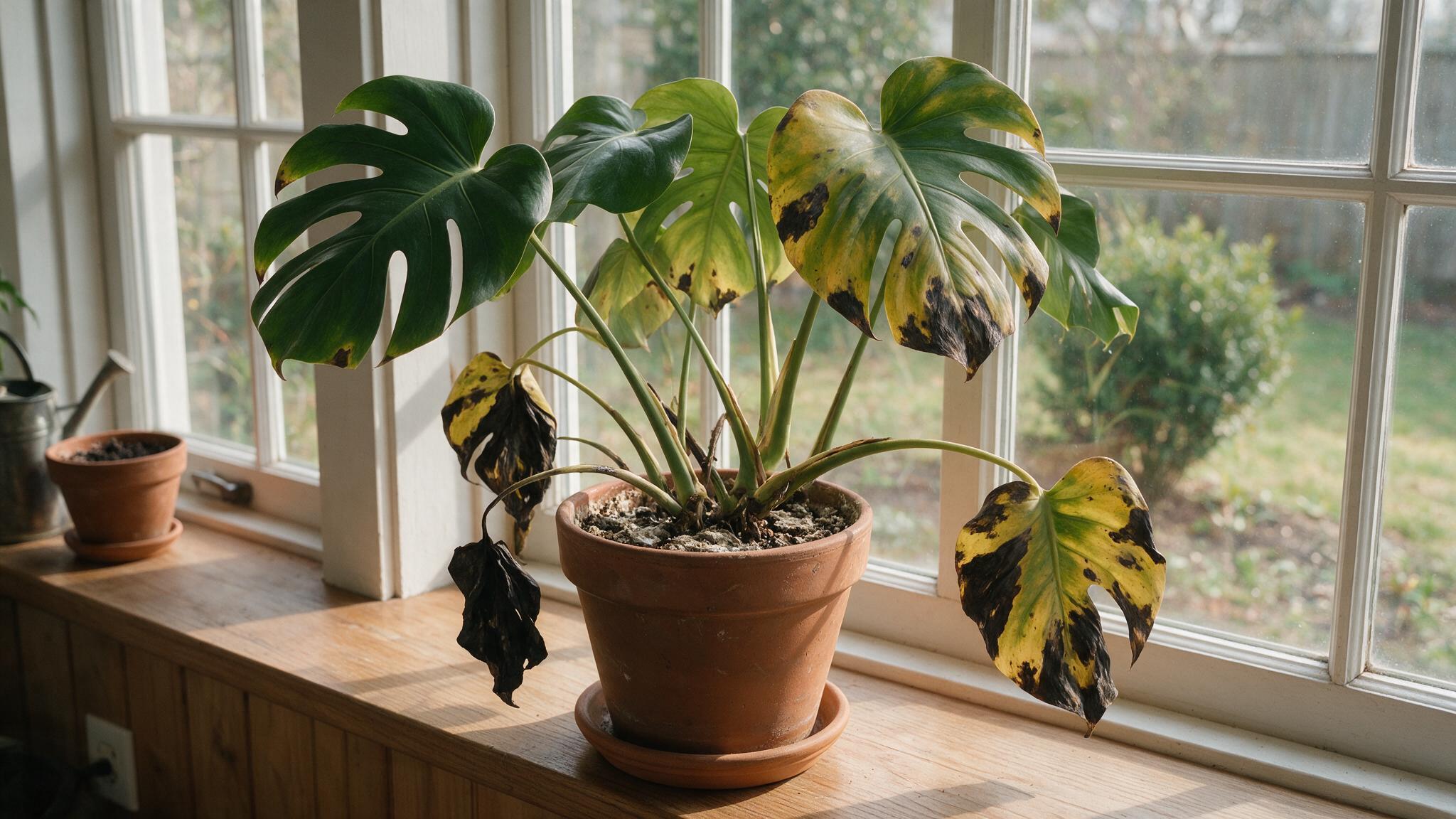
Few things stop a plant parent in their tracks like spotting dark patches creeping across their Monstera’s gorgeous split leaves. One day everything looks lush and tropical; the next, you’re staring at black edges, soggy spots, or entire leaves that have gone dark. If you’ve been asking yourself, “Why is my Monstera turning black?” — you’re in the right place.
The good news is that blackening is almost always a fixable problem. From incorrect watering to pests, diseases, and root rot, there is typically always a solution for making sure your plant continues to thrive even after you’ve noticed black leaves on it. The key is understanding what the discoloration is telling you before you reach for any remedies.
This guide walks you through every major cause, a step-by-step diagnosis method, and clear fixes — so you can get your Monstera back to the bold, healthy green it deserves.
What Does It Mean When Your Monstera Is Turning Black?
Your Monstera’s leaves are one of its most reliable communication tools. Black spots or edges can indicate a variety of issues, but they often signal that your plant is stressed. Stress can come from several sources, such as watering problems, lighting issues, or even pests. Think of the blackening as your plant’s version of a warning light on a dashboard.
The location and texture of the blackening offer important clues. One of the most noticeable symptoms is the appearance of black spots or patches on the leaves, which can vary in size and may occur anywhere on the leaf surface. Another common sign is the blackening of the edges of the leaves, which can start as small black spots along the edges and may eventually spread throughout the leaf.
Pay attention to the progression as well. In some cases, the leaves may turn yellow before blackening. This yellowing can be a sign of stress or nutrient deficiency before progressing to blackening. A foul odor from the soil or stem is a more serious sign — in severe cases of rot or disease, blackened leaves may emit a foul odor, indicating advanced deterioration of the plant tissue.
Is Blackening in Monstera Always a Sign of a Problem?
In almost every case, yes — black coloration on a Monstera leaf is not a normal part of the plant’s life cycle. Unlike some plants that naturally drop older leaves with minor discoloration, a healthy Monstera (Monstera deliciosa) should maintain deep, glossy green foliage throughout its life. Black patches are the plant’s way of signaling that something in its environment or care routine is off.
That said, the urgency depends on the extent of the damage. If the problem is caused by the environment — watering, temperature, or humidity — you don’t have to trim the leaves unless they’re severely damaged. When it comes to pests and especially diseases, cutting off diseased leaves usually does the trick to stop the spots from spreading further.
One exception worth noting: a single small black mark on an otherwise thriving plant after a minor bump or cold draft may simply be cosmetic damage. You will want to figure out why your plant’s leaves are turning black as soon as you notice it, because there are some diseases that are able to spread to your other plants. When in doubt, treat it as a real problem and investigate.
Pro Tip: Check nearby houseplants immediately if you suspect a fungal disease or pest infestation. Diseases and bugs can travel between plants quickly, especially in the close quarters of most American homes.
Watering Issues Causing Monstera Blackening
Watering is the number-one place to start your investigation. The main cause of black Monstera leaves is watering issues. Root rot blackened leaves are caused by suffocation due to overwatering. The converse is also true: keeping the plant too dry can stress it and result in leaf discoloration.
Overwatering and Root Rot
Overwatering is one of the most common reasons Monstera leaves turn black. Monstera plants like to have their roots kept moist but not soggy. If you water your plant too often or allow the roots to sit in water, this can cause the leaves to turn black. If a Monstera plant receives excessive watering, its roots may become deprived of essential oxygen, potentially resulting in the darkening of leaves and their eventual demise.
Root rot is a fungal infection in the soil caused by overwatering. Too much moisture in the soil for too long creates an anaerobic environment, which causes your Monstera’s roots to begin to decay and rot. Once root rot takes hold, it starts by destroying the plant’s roots and works its way up to the main stem. The roots turn from white to black and slimy, and eventually die.
To check for overwatering, if your soil smells musty, it’s likely overwatered. If you stick your finger in the soil and notice it is very wet, it probably has too much water. And if you house your plant in a decorative planter but still in the original plastic planter it came in from the store, pick it up and check if there is any water pooled in the bottom of the decorative planter. There shouldn’t be any standing water there.
Underwatering
On the flip side, too little water creates its own version of blackening. The dehydrated plant doesn’t have enough water to supply every part of it. This is why blackness and crispiness first show on the most far-out leaves. Lack of water causes plant stress, which leads to shutting down palisade cells.
A common sign of dehydration is dark brown-to-black crispy edges around leaves, followed by wilting. If the soil feels bone dry and the blackening starts at the tips rather than in mushy patches, underwatering is likely your culprit. Water the Monstera immediately with tepid water or drench the pot for about 15–20 minutes and drain excess water.
Pro Tip: A simple way to prevent overwatering is by watering your plant over a sink and allowing all of the excess water to drain out before putting it back. Only water again once the top inch of soil has dried out.
Light Conditions Behind Monstera Blackening
Monstera plants thrive in bright, indirect light. Too much direct sunlight can scorch the leaves, turning them black and crispy around the edges. In US homes, south- and west-facing windows are the most common offenders during summer afternoons.
For a Monstera, this means somewhere with bright but indirect sunlight. Direct sun exposure may cause leaf scorch, as their foliage is sensitive due to being native to jungle environments, growing in partial shade beneath canopies of trees. The fix is straightforward: move the plant back from the window or hang a sheer curtain to filter the light.
Too little light is just as damaging over time. Low light intensity causes loss in chlorophyll pigments, resulting in the yellow color of leaves. It causes reduced photosynthesis and hampers the whole physiological process of plants. As a result, Monstera leaves turn black. If your space doesn’t get much natural light, consider a low-light houseplant strategy or supplement with a grow light.
Monstera adores 8–10 hours of bright indirect sunlight. An east-facing window — where the plant receives gentle morning light but avoids harsh afternoon rays — is often the sweet spot for most American homes.
Soil, Nutrients, and Root Health Causing Monstera Blackening
Even with perfect watering habits, the wrong soil or a nutrient imbalance can push your Monstera toward blackening. These issues are easy to overlook because the problem is hidden beneath the surface.
Poor Soil and Drainage
Garden soil is not suitable for potted plants like Monsteras because it retains too much moisture and can contain pathogens that cause root rot and other diseases or pests. A well-draining mix — typically a combination of potting soil, perlite, and orchid bark — gives roots the air circulation they need. Your Monstera plant will benefit from a well-draining soil that is tailored specifically for it. You can make your own mix using a mixture of moss, perlite, and potting soil.
Pot choice matters too. A pot that is too big can also be a cause of root rot. When your Monstera’s pot is too big, there are soil sections that contain no roots to take up water. Those rootless sections of soil will stay wet for a very long time until the water naturally evaporates.
Nutrient Deficiencies and Over-Fertilizing
Yellowing leaves with black edges could indicate a potassium deficiency, while a lack of magnesium might cause leaves to turn black and fall off. If your plant hasn’t been fertilized in many months, a nutritional shortfall may be contributing to the problem.
At the same time, too much fertilizer is equally damaging. Ensure not to overfertilize, as it causes excessive salt accumulation causing burning and blackening of leaves. Wash off excessive fertilizer by drenching the pot in a pool of water for about half an hour, and go for repotting if the soil is beyond cure.
It’s often a good idea to fertilize during the growing season, typically spring and summer, when your Monstera is most active. Make sure to follow the instructions on the fertilizer package to avoid overfeeding.
Pro Tip: Feeding the Monstera with liquid or organic fertilizer of a 20-20-20 ratio every two weeks in the growing season is ideal. Cut back to once a month or stop entirely during fall and winter when growth slows.
Environmental Stress Triggering Monstera Blackening
Your Monstera’s native habitat is the tropical rainforest, which means it thrives in warmth, humidity, and stable conditions. Many American homes — especially during winter with forced-air heating or summer with heavy air conditioning — create the opposite environment.
Temperature Extremes
The ideal temperature for Monstera is between 60–80°F. Temperature above or below the range and fluctuating temperature causes Monstera leaves to turn black. High temperature causes rapid moisture loss and drying of leaves, resulting in black spots.
Cold exposure is particularly damaging. Frost freezes the sap and water in the leaves. The plant can’t transfer nutrition to this part anymore and it turns black. For the same reasons, low temperature can also damage new buds or cuttings for propagation, which renders them dark and damaged. Keep your plant away from drafty windows, exterior doors, and air conditioning vents.
Low Humidity
Monstera plants prefer high humidity levels. In dry environments, especially during winter when indoor heating reduces humidity, the leaves may turn black at the tips or edges. This is a particularly common issue in the drier regions of the United States, including the Southwest and Mountain West.
Consider using a humidifier or placing a tray of water near your plant to boost humidity levels. You can also mist the leaves, but be cautious not to overdo it, as too much moisture can lead to other problems. Grouping tropical houseplants together also creates a small pocket of shared humidity.
Pests and Disease Leading to Monstera Blackening
Pests and diseases are another common cause of black leaves. While Monstera plants aren’t particularly prone to pests, they can still fall victim to common houseplant bugs like spider mites, aphids, and scale. If you notice black spots along with small webs or sticky residue, pests might be the problem.
Common Pests
Monstera plants are susceptible to pests like mealybugs, aphids, and scale insects. Mealybugs are small, white insects that feed on plant sap, which can cause the leaves to turn black. Aphids are small, green, or black insects that feed on plant sap. Scale insects are small, brown, or black bugs that attach to plant stems and leaves and suck out the sap. These pests can cause your plant’s leaves to turn black by sucking out the sap or introducing harmful toxins.
In particular, thrips on houseplants can cause discoloration on leaves. They’re sap-suckers, leaving behind dark, rusted spots, sometimes appearing black. Always check the undersides of leaves, where pests tend to hide. Neem oil is a solution many houseplant owners turn to for a range of indoor plant pests. Using a plant identification app can also help you confirm what you’re dealing with before treating.
Fungal and Bacterial Diseases
Monstera plants can also be susceptible to fungal and bacterial diseases, such as leaf spot, anthracnose, black spot, and leaf blights. These diseases are caused by fungi or bacteria that enter the plant through wounds or natural openings, such as the stomata. Once inside the plant, the fungi or bacteria can reproduce and spread, causing the leaves to turn black.
Anthracnose is a fungal disease that can affect Monsteras. It appears as sunken, dark spots on the leaves and is caused by too much moisture and can be spread by water droplets. Improving air circulation, avoiding wetting the foliage when watering, and removing affected leaves promptly are your best defenses against fungal spread.
How to Diagnose Why Your Monstera Is Turning Black
Before you treat, you need to identify. Work through this checklist systematically — rushing to a solution before confirming the cause often makes things worse.
- Examine the blackening pattern. Crispy, dry black edges point to underwatering, low humidity, or sunburn. Soft, wet, mushy black patches suggest overwatering or root rot. Distinct circular spots with yellow halos indicate a fungal or bacterial disease.
- Check the soil moisture. Stick your finger into the soil about an inch deep. If it feels wet, hold off on watering. If it feels completely dry and the pot is very light, underwatering is the likely cause.
- Inspect the roots. Your Monstera’s roots are supposed to be whitish, like most plants. When root rot sets in, the rotting roots turn brown or black, and they get mushy and slimy. You can’t see this unless you dig into the soil or take your Monstera out of its pot to inspect the roots.
- Look for pests. Check both the tops and undersides of leaves for small insects, webbing, sticky honeydew residue, or tiny bite marks. Use a magnifying glass if needed.
- Assess the environment. Is the plant near an AC vent, heating register, or drafty window? Is the room particularly dry? Has it recently been moved or repotted?
- Review your fertilizing history. If you haven’t fertilized in six months or more, deficiency is possible. If you fertilized recently and heavily, salt burn may be the culprit.
Pro Tip: Use a moisture meter rather than guessing soil wetness by feel. It removes the guesswork from watering decisions and is one of the most useful tools for diagnosing both overwatering and underwatering.
How to Fix a Monstera That Is Turning Black
Once you’ve identified the cause, here’s how to act. Match the fix to the diagnosis — applying the wrong solution when your plant is already stressed will only slow recovery.
Fixing Overwatering and Root Rot
There is no cure for root rot, but you can save the plant if you catch it in time. Carefully remove the plant from its pot and inspect its roots. Prune away any yellow, brown, and mushy roots, and remove as much of the old soil from the root ball as you can. Carefully replant in a clean pot with fresh, dry soil. Pop your plant back in its bright spot and water correctly going forward.
Since root rot is usually a fungal problem, you’ll want to remove the affected leaves so the infection doesn’t spread. This also gets rid of those ugly brown spots. Dispose of the removed leaves in the trash — do not compost them, as pathogens can survive and spread.
Fixing Underwatering
If your soil has become very dry and compacted, a standard top-watering may not be enough. Soak the bottom part of the pot in water and wait for the soil to absorb it. If this doesn’t work, it may seem your soil has become hydrophobic. In that case, repotting into fresh, pre-moistened soil is the most reliable reset.
Fixing Sunburn and Light Issues
Move the plant out of direct sun immediately. Monsteras will be happiest and sunburn-free when placed in a bright spot that receives plenty of indirect sunlight. If your desired spot gets direct sun, hang a sheer curtain over the window. This keeps a space bright while filtering the harsh rays.
Fixing Pest Infestations
Isolate the affected plant from your other houseplants right away. Wipe down leaves with a damp cloth to physically remove insects, then treat with neem oil or insecticidal soap. When it comes to pests and especially diseases, cutting off diseased leaves usually does the trick to stop the spots from spreading further. Repeat treatments every 5–7 days for at least three cycles to break the pest life cycle.
Removing Damaged Leaves
If your leaves are showing significant damage, you should absolutely cut them off. Chop back any leaves that have a lot of black or brown on them, as the plant can’t heal these areas, and they’re also no longer producing any energy for the plant. They’re also more appealing to bacteria and fungi and are weaker to rot and infection.
To prune your Monstera, wear gloves to protect your hands and use clean, sharp pruning shears or a sharp knife to remove the leaf at the stem. Always sterilize your tools between cuts to avoid spreading disease between leaves or to other plants.
How to Prevent Monstera Blackening Going Forward
Prevention is far easier than recovery. Once your plant is healthy again, these habits will keep it that way. If you’re new to tropical houseplants, exploring a broader guide to plant types can also help you understand which care principles apply across species.
- Water by soil feel, not by schedule. Water only when the top 2 inches of soil are dry to the touch, then slowly add water to the soil until it starts to drain out the bottom.
- Always use a pot with drainage holes. If the pot your plant is in does not have drainage holes, then it is very easy to give your plant too much water and risk root rot killing your plant.
- Use the right soil mix. A chunky, well-aerated mix of potting soil, perlite, and orchid bark prevents waterlogging and gives roots the oxygen they need.
- Maintain consistent temperatures. If your Monstera is near a drafty window or an air conditioning vent, it might be getting too cold. Try to keep your plant in a spot with consistent temperatures, ideally between 65°F and 85°F.
- Boost humidity in dry seasons. Run a humidifier near your plant during winter months when home heating dries the air significantly, particularly in dry US climates.
- Fertilize on a seasonal schedule. Feed during spring and summer growth periods and pause in fall and winter. Never fertilize a stressed or recently repotted plant.
- Inspect leaves weekly. Regular leaf inspection, cleaning, and proper plant placement prevent black spots. Catching pests or early signs of disease before they spread saves you a lot of trouble.
- Give it the right light. Put your plant in a bright spot where it will get at least eight hours of bright, indirect sunlight per day. An east-facing window is ideal for most US homes.
- Reduce watering in winter. A Monstera may need less water when the weather gets cooler, so you might not need to give it the same amount of water in the winter as you do in the heat of summer.
If you enjoy keeping tropical plants indoors, you might also find it helpful to explore different types of rubber plants or learn about types of spider plants — both of which share some similar care requirements and thrive alongside Monsteras in most American homes.
FAQ
Can black leaves on a Monstera turn green again?
Unfortunately, no. Once leaf tissue has turned black, that damage is permanent. The best approach is to remove the affected leaves with clean, sharp pruners so the plant can redirect its energy toward producing healthy new growth.
How do I tell the difference between overwatering and underwatering blackening?
Both overwatering and underwatering can cause problems, but they manifest a bit differently. Monstera plants like their soil to dry out a bit between waterings. If the soil stays soggy, it can lead to root rot, which often shows up as black spots on the leaves. Underwatering, by contrast, produces dry, crispy black edges rather than soft, wet patches.
Should I cut off black Monstera leaves?
Yes, if the damage is significant. If your Monstera simply has brown or black tips or edges to its leaves, they’ll still be producing energy through photosynthesis, so don’t hack it all back. Cut the damaged parts of the leaf off, whilst trying to maintain the shape of the leaf by emulating the natural tip. Remove entire leaves only when the majority of the surface is affected.
Can tap water cause black spots on Monstera?
Black spots on Monstera leaves can indicate that the water contains contaminants like chlorides and fluorides, which can be harmful to the plant. If you suspect this is an issue, try switching to filtered water or leaving tap water out overnight before using it, which allows chlorine to dissipate.
How quickly can root rot kill a Monstera?
If not taken care of, root rot will kill a Monstera quickly. As the roots are under the soil, it is hard to notice root rot unless you pay attention to other signs your Monstera gives you that it is not healthy. Acting at the first sign of soft stems, yellowing leaves, or soggy soil gives your plant the best chance of recovery.
What humidity level does a Monstera need to stay healthy?
Monsteras generally do best at humidity levels between 50–70%. Most American homes run between 30–50% humidity, dropping further in winter with central heating. A small room humidifier placed nearby is the most reliable way to maintain appropriate moisture levels year-round without risking foliar disease from over-misting.
Is it safe to have a Monstera around cats?
Monstera plants are toxic to cats and dogs if ingested. If you share your home with pets, check out these tips on how to keep cats out of houseplants and explore plants that naturally deter cats to create a pet-safer plant setup.