Why Is Your Lemon Tree Not Producing Fruit? Causes and Fixes

September 9, 2026
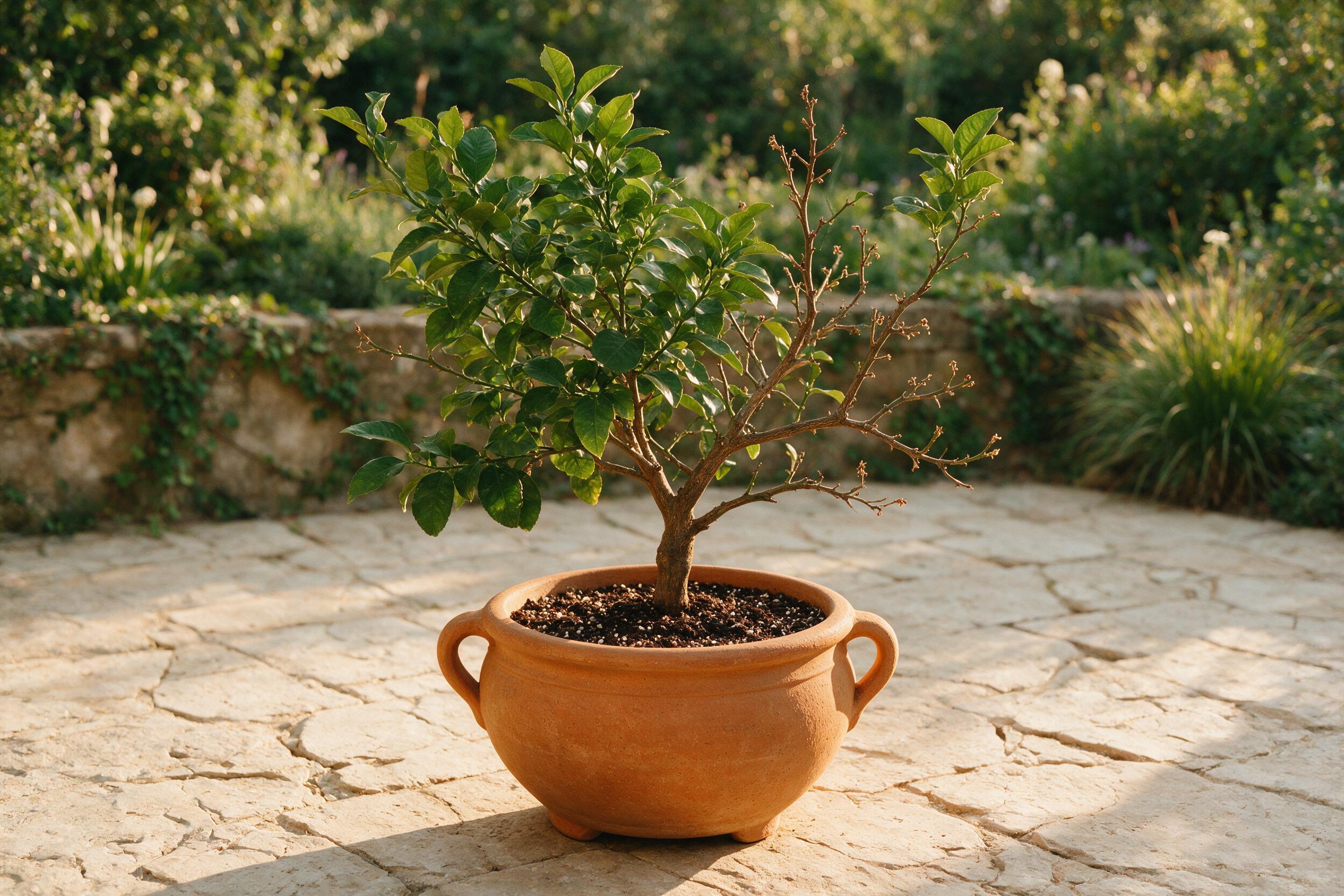
You’ve watered it, given it a sunny spot, maybe even talked to it — and still, your lemon tree sits there looking perfectly healthy with zero fruit to show for it. Few gardening frustrations compare to a lush, leafy lemon tree that simply refuses to produce. The good news is that a lemon tree not producing fruit almost always has a fixable cause, and once you identify it, you can take targeted action.
Whether you’re growing a dwarf Meyer lemon on a patio in California, a potted Eureka lemon in a sunny Texas window, or an in-ground tree in a Florida backyard, the reasons behind fruit failure tend to fall into a handful of well-understood categories. This guide walks you through every one of them — what they look like, how to diagnose them, and exactly what to do next.
What Does It Mean When Your Lemon Tree Is Not Producing Fruit?
When a lemon tree stops producing — or never starts — it’s sending a signal that one or more of its core needs aren’t being met. The first question to ask is whether your tree is even flowering. Flowers lead to fruit, and a lack of blooms means your tree simply cannot produce. If blooms appear but no fruit follows, that points to a different set of issues entirely.
The most common reasons why lemon trees won’t fruit are their age, watering, nutrients, and pollination. Most of the time it comes down to the tree being too young, since lemon trees can take at least two to three years to start fruiting. Understanding which stage your tree is in — and which need it’s missing — is the first step toward a real solution.
Lemon trees (Citrus limon) are subtropical plants with specific requirements for temperature, light, moisture, and nutrition. When any of those conditions fall outside a comfortable range, the tree redirects its energy away from reproduction and toward survival. The result is a beautiful, leafy tree with no lemons in sight.
Pro Tip: Before troubleshooting, note whether your tree is flowering but dropping fruit, never flowering at all, or flowering and setting fruit that never matures. Each pattern points to a different root cause.
Is Not Producing Fruit in a Lemon Tree Always a Sign of a Problem?
Not always. Sometimes a lemon tree that isn’t fruiting is simply doing what’s developmentally normal for its age. Lemon trees don’t produce fruit immediately after planting — they need three to five years to mature before they’re capable of flowering and fruiting, depending on rootstock. If your tree is young, patience is genuinely the right answer.
Lemon trees grown from seed hardly ever produce fruit with any kind of quickness, and sometimes not at all. Planting lemons indoors or outdoors using a seed might be a fun experiment, but don’t expect a harvest anytime soon. If you want reliable production, always start with a grafted tree from a reputable nursery.
Seasonal timing also plays a role. If you’re worried about your lemon tree not fruiting, it’s always good to check its fruiting season. Many citrus varieties fruit at different times. A tree that appears unproductive in late winter may simply be between cycles. Check the specific variety you’re growing to confirm its expected bloom and harvest window before assuming something is wrong.
Watering Issues Causing Lemon Tree Fruit Problems
Water is one of the most common and most overlooked drivers of fruit failure in lemon trees. The tricky part is that both too much and too little water produce similar symptoms. Water is key to solving the issue of no flowers on lemon trees in many cases. Both overwatering and underwatering produce the same result — seeking the middle ground is where bloom success lies.
Avoid getting the soil too dry for too long, since dried-up lemon trees will produce smaller fruit, turn dull green, and curl inward. On the flip side, with overwatered plants, oxygen cannot reach the roots, which will eventually start to decay. Root rot from waterlogged soil is one of the fastest ways to shut down fruiting entirely.
For potted trees, water your lemon tree when 50% of the soil volume has dried. Your lemon tree needs enough water to stay moist but shouldn’t constantly be soaking. Always check the soil before watering. For in-ground trees, only water lemons when the top four inches of soil are completely dry, then water them thoroughly. Never leave an indoor lemon plant sitting in a saucer of standing water.
Pro Tip: A simple finger test works well for potted trees — push your finger two knuckles deep into the soil. If it’s dry at that depth, it’s time to water. If it’s still damp, wait another day or two.
Water the tree deeply and frequently during fall, and reduce irrigation to about half in winter. Resume deep watering in spring and summer, as these juicy fruits need plenty of moisture to form. This seasonal rhythm closely mirrors the natural subtropical climate lemon trees evolved in.
Light Conditions Behind Lemon Tree Fruit Problems
Lighting is one of the biggest factors to help your lemon tree bloom and fruit. Without adequate sunlight, the tree simply can’t generate the energy needed to flower and develop lemons. This is especially common for indoor and container-grown trees in the US, where many gardeners underestimate just how much light citrus actually needs.
Lemon trees require sunlight to grow and produce fruit. The more sunlight the tree receives, the more energy it has to produce fruit and leaves. Providing eight to twelve hours per day ensures proper photosynthesis and drives the tree’s growth, leading to increased fruit production and larger fruit size. Without enough sunlight, the tree may become stunted, produce less fruit, and the fruit may be small and less juicy.
For outdoor trees, placement matters. When planting the tree, place it on the southern or western side of the home. Lemon tree fruiting will only occur in warm temperatures. Avoid spots shaded by fences, overhangs, or large neighboring trees.
For indoor or container trees, these plants need at least eight or more hours of direct sunlight a day. Place your plant in an unobstructed southern or bright western window. If your home doesn’t have a window that delivers that level of light, you can simulate full sun conditions with a full-spectrum bulb placed about 12 inches away from the plant and left on no more than 12 hours a day.
Soil, Nutrients, and Root Health Causing Lemon Tree Fruit Problems
What’s happening below the soil line has a direct impact on what happens above it. Poor soil structure, nutrient imbalances, and compromised roots are all common reasons a lemon tree won’t fruit — and they’re frequently overlooked in favor of more visible causes.
Soil Type and pH
You can grow lemon trees in almost any soil, but they do best in loamy or sandy ones. Do not plant them in salty, heavy clay, or high caliche soil, as this can result in disturbed tree development. For potted trees, use a well-draining citrus or cactus mix rather than standard potting soil, which tends to hold too much moisture.
Lemon trees prefer a soil pH of 6.0 to 7.0 to grow properly. If the soil isn’t in that range and is too acidic or alkaline, your lemon tree will be blocked from absorbing the nutrients it needs from the soil. A simple soil test kit from a garden center can confirm your pH level before you invest in amendments. You can explore different types of plants to understand how soil pH affects fruiting species across the board.
Fertilization
Fruiting takes a lot of energy — make sure your lemon tree has gotten enough food during the growing season to help support its growth. While your lemon tree is actively growing in spring and summer, fertilize your tree every three to four months. Use a citrus fertilizer or a high-potassium fertilizer to help your tree grow its fruit.
However, more fertilizer isn’t always better. Avoid excess nitrogen during the flowering period, as this spurs leafy growth but minimizes the production of flowers. Many plants, including lemons, will put too much effort into producing new green leaves if they’re given too much fertilizer, especially nitrogen. If you’ve been fertilizing your lemon often, back off to just once a month and see if blooms appear.
Nutrient deficiencies, particularly in nitrogen, phosphorus, and potassium, can stall fruit growth. Fertilize a lemon tree in spring with an appropriate food, including the addition of phosphorus to encourage blooming and fruiting, and prune only where necessary. Look for fertilizers labeled specifically for citrus, which are formulated with the right nutrient ratios for fruit production.
Root Health and Compost
Adding one to two inches of compost will do wonders for your tree and the amount it flowers and fruits. Just make sure to only apply compost once at the start of each growing season and check that it isn’t touching the tree’s trunk directly, as this can introduce mold.
Lemon trees prefer well-draining soil and consistent moisture but are susceptible to root rot if overwatered. To avoid this, water the tree deeply but infrequently, allowing the soil to dry out slightly between waterings. If you suspect root rot, check the drainage of your pot or planting site and consider repotting with fresh, well-draining mix.
Pro Tip: If you’re growing lemons in a container, repot every two to three years into a slightly larger pot with fresh citrus mix. Rootbound trees divert energy away from fruiting and toward managing cramped root systems.
Environmental Stress Triggering Lemon Tree Fruit Problems
Environmental conditions — temperature, humidity, and climate zone — have a significant influence on whether your lemon tree flowers and sets fruit. Many US gardeners run into fruiting problems simply because their local climate doesn’t quite match what lemons need.
Lemon trees thrive best in USDA zones 9–11. Citrus trees thrive outdoors year-round in USDA hardiness zones 9–11, where winter temperatures rarely drop below 20°F. Most citrus varieties suffer damage at temperatures below 28°F, with severe damage or death occurring at 20°F or lower. In zones 8 and cooler, grow citrus in containers that can be moved indoors when temperatures drop below 32°F.
Lemon trees thrive in warm climates with optimal temperatures between 70°F and 85°F. Protect trees from frost and extreme heat to encourage fruiting. Even a brief cold snap during bloom time can eliminate your entire harvest for the season. Protect trees from unexpected freezes during flowering and early fruit development. Even brief cold snaps damage flowers and cause fruit drop, eliminating your crop for that year. Use frost blankets, tarps, or old bedsheets to cover trees when freezing temperatures are forecast.
Humidity matters too, especially for indoor trees. Lemon trees prefer a tropical and subtropical climate, so be sure there’s no dry heat blowing on your potted indoor lemon tree. You can help your tree get some much-needed humidity by filling a tray with stones, adding water, and setting the tree on top of the stones.
Pollination is another environmental factor worth checking. Lemon trees are self-pollinating, but indoor trees sometimes need a little help. Hand-pollination isn’t required, but it can help your lemon tree’s flowers become fertilized and fruit. This is especially beneficial if you have an indoor potted lemon tree, since it won’t have the same level of access to pollinators that outdoor trees will. Use a small paintbrush or cotton swab to transfer pollen between flowers during bloom.
Pests and Disease Leading to Lemon Tree Fruit Problems
A pest or disease problem won’t always be obvious at first glance, but it can quietly drain your tree’s energy and prevent it from fruiting. Lemon tree pests and diseases can really do a number on your tree, and the more time your tree spends outside, the more you have to watch for them. Regular inspection is your best defense.
Common Pests
Citrus pests identified by the Clemson Plant and Pest Diagnostic Clinic over the last few years have included various armored and soft scale insects, mites, whiteflies, leafminers, mealybugs, and aphids. The most problematic pests for containerized citrus grown indoors over the winter are spider mites and mealybugs.
Aphids on lemon trees are a common pest that can cause significant damage if left unchecked. These small, soft-bodied insects feed on the sap of lemon trees, causing leaf distortion, stunted growth, and reduced fruit production. Scale insects can cause leaf drop and premature fruit drop if they feed on the same tree for long enough. Another issue is if they introduce sooty mold to the tree, which will kill its leaves and affect its fruit.
For aphid control, bringing in ladybugs is a good, organic treatment option. You can also use a high-pressure spray of water from the garden hose to dislodge small pests such as mites and aphids. For scale and mealybugs, apply horticultural oils to suffocate scale insects and other soft-bodied pests, or use insecticidal soaps, which are effective against aphids and other small insects.
If you’re also dealing with ants on your tree, pay attention — aphids secrete honeydew that attracts ants, and the presence of ants can be a useful sign of a citrus aphid infestation. Controlling the ants often helps control the aphids too. For more on managing unwanted insects around your plants, see how to keep pests away from house plants.
Common Diseases
Greening disease (Huanglongbing) is a serious threat that causes yellowing leaves and misshapen fruit. Monitor for leaf discoloration and contact your local agricultural extension office for treatment options. This disease has had a particularly severe impact on citrus in Florida and other Southern states.
Powdery mildew produces a white powdery coating on leaves and thrives in humid conditions. Treat it with fungicides or a baking soda solution. Anthracnose is a fungal disease that affects fruit and leaves, leading to dark spots. Ensure good air circulation among branches, remove affected fruit, and apply fungicides as necessary.
Pro Tip: Keep a copper-based fungicide spray on hand year-round. According to Yarden , it’s one of the most versatile treatments for dealing with most citrus disease issues quickly.
How to Diagnose Why Your Lemon Tree Is Not Producing Fruit
Diagnosing a non-fruiting lemon tree is most effective when you work through the possibilities systematically rather than guessing. Use this step-by-step process to narrow down the cause.
- Check the tree’s age. In most cases, lemon trees need anywhere between one to three years to grow out of their juvenile phase into fully matured plants. If your tree is only one year old, it won’t have fruit-bearing capabilities just yet.
- Look for flowers. Is the tree blooming at all? No flowers means the problem is upstream of fruit set — look at light, water, and nutrients first.
- Assess sunlight exposure. Count the hours of direct sun your tree receives on a typical day. If it’s under eight hours, light is likely a contributing factor.
- Evaluate your watering routine. Check the soil moisture before and after watering. Signs of overwatering include yellowing leaves and soggy soil; underwatering shows as dry, curling leaves.
- Review your fertilizer history. If you’ve been applying a high-nitrogen fertilizer frequently, that’s likely suppressing bloom. Switch to a citrus-specific formula with phosphorus and potassium.
- Test your soil pH. When in doubt, run a soil test to determine whether you need fertilizer or not. A pH outside the 6.0–7.0 range blocks nutrient absorption regardless of how much you fertilize.
- Inspect for pests. Check the undersides of leaves, along stems, and around new growth for insects. Look for sticky honeydew residue, silvery leaf trails, or white powdery patches.
- Consider environmental stress. Has the tree experienced frost, extreme heat, transplant shock, or drought recently? Any of these can delay fruiting by a full season or more.
You can also use a plant identification app to help spot unfamiliar pests or disease symptoms on your tree’s foliage.
How to Fix a Lemon Tree That Is Not Producing Fruit
Once you’ve identified the likely cause, here’s how to address it. In many cases, a combination of adjustments works better than a single fix.
| Problem | Fix | Timeline to See Results |
|---|---|---|
| Tree too young | Continue proper care; wait for maturity | 1–3 years |
| Insufficient sunlight | Relocate tree or add grow light | Next bloom cycle |
| Overwatering | Improve drainage; let soil dry between waterings | 4–8 weeks |
| Underwatering | Establish consistent deep-watering schedule | 4–8 weeks |
| Excess nitrogen | Switch to citrus fertilizer with phosphorus and potassium | Next bloom cycle |
| Wrong soil pH | Amend soil to reach 6.0–7.0 range | 4–12 weeks |
| Frost or cold damage | Cover tree during freezes; move container indoors | Next season |
| Aphids or scale | Apply horticultural oil or insecticidal soap | 1–3 weeks |
| Fungal disease | Apply copper fungicide; improve air circulation | 2–6 weeks |
| Indoor tree, no pollinators | Hand-pollinate with a small paintbrush during bloom | Current bloom cycle |
When it comes to pruning, keep it minimal. Fruits will set on the ends of branches, so it is best to remove only dead wood and problem branches. Lemons should be pruned enough to open up the canopy and prevent fungal disease, but excessive pruning will cause blooming problems. Never remove more than one-third of the greenery of any fruit tree when pruning.
If you’ve tried everything and the tree still won’t produce after two full seasons of corrected care, the rootstock may be the issue. If the tree still doesn’t fruit after two years of proper care, the rootstock may be poor quality. Consider replacing it with a dwarf variety grafted onto quality rootstock for more reliable production. Lemons grown from fresh fruit — like those you might use for lemon water or ginger lemon tea — are typically not grafted and may take far longer to fruit or never produce reliably.
For first-time fruiting seasons, thin the fruit early. During your plant’s first fruiting season, help your plant out by pruning many of the fruit so that you are only allowing one or two lemons to ripen. Pruning off these extra lemons early will benefit your plant for the future. Flowering and fruiting uses a lot of energy, and allowing your plant to only support a few lemons will help it evenly distribute energy between fruiting and growing bigger and stronger for the next season.
How to Prevent Lemon Tree Fruit Problems Going Forward
Prevention is far easier than troubleshooting after the fact. Building good habits into your regular care routine keeps the most common causes of fruit failure off the table entirely.
- Maintain consistent watering. Deep, infrequent watering beats frequent shallow watering every time. Adjust your schedule seasonally — more in summer, less in winter.
- Fertilize on a citrus schedule. Fruiting takes a lot of energy. While your lemon tree is actively growing in spring and summer, fertilize every three to four months using a citrus fertilizer or a high-potassium fertilizer to help your tree grow its fruit.
- Protect from temperature extremes. In USDA zones 8 and cooler, have frost cloth ready and know your first frost date. Move container trees indoors before nighttime temperatures drop below 32°F.
- Inspect weekly for pests. Inspect weekly for scale, mites, or aphids. Maintain airflow and keep leaves dry at night to reduce fungus.
- Prune lightly and purposefully. Remove dead wood and crossing branches in late winter, but leave branch tips intact — that’s where your fruit will form.
- Test soil every two to three years. Soil chemistry shifts over time. A periodic pH test helps you catch drift before it affects flowering and fruiting.
- Choose the right variety for your zone. Choose cold-hardy varieties like kumquats or Meyer lemons if you’re gardening in marginal zones. A tree matched to your climate will fruit more reliably with less intervention.
If you enjoy growing edible and ornamental plants together, check out companion planting ideas — many of the same principles apply to citrus. You might also find it helpful to explore different types of trees to understand how lemon trees compare to other fruit-bearing species in terms of care needs and maturity timelines. And if you’re curious about substitutes for lemon extract while you wait for your harvest, that resource has you covered in the kitchen.
Pro Tip: Keep a simple care journal for your lemon tree — note watering dates, fertilizer applications, temperature lows, and any pest sightings. Patterns become obvious quickly, and you’ll be able to catch problems before they affect next season’s fruit.
Frequently Asked Questions
How Long Does It Take for a Lemon Tree to Produce Fruit?
Lemon tree fruiting occurs at three to five years old, depending upon the rootstock. Grafted trees from a nursery tend to fruit sooner than seed-grown trees, which can take much longer and may never produce reliably.
Why Is My Lemon Tree Blooming but Not Setting Fruit?
Many of the newly forming fruits will fall off well before they can begin to grow. This lack of fruit set may be due to an excess of fruits, too much water, low nutrients, or exposure to cold. For indoor trees, lack of pollinator access is another common factor — try hand-pollinating with a small brush.
Can I Grow a Lemon Tree Indoors in the United States?
Yes. The best type of lemon tree to grow indoors is a dwarf variety, and many of them do very well — but getting enough light is essential. Find a spot that gets at least six hours of continuous sun per day. If you don’t have one, consider getting a grow light. Dwarf Meyer lemons are the most popular choice for indoor growing across the US. For more on growing plants in limited light conditions, see best houseplants for low-light areas.
Does a Lemon Tree Need Another Tree to Produce Fruit?
Lemon trees are self-pollinating, but indoor trees sometimes need a little help. You don’t need a second tree, but if your indoor tree isn’t fruiting despite flowering, hand-pollinating during bloom can make a meaningful difference.
What Fertilizer Is Best for Getting a Lemon Tree to Fruit?
After fruits begin forming, fertilize again in late spring and once more in early fall. Look for products labeled specifically for citrus with balanced NPK ratios, emphasizing phosphorus. Avoid high-nitrogen general-purpose fertilizers during flowering, as these push leaf growth at the expense of blooms.
Can Transplant Shock Stop a Lemon Tree from Fruiting?
Yes. Lemon trees that have been relocated after becoming established can take as long as five years or even more to self-pollinate and produce fruit again. If your tree was recently moved, give it consistent care and time before concluding something else is wrong.