Why Are My Cucumbers Turning Yellow? Causes, Fixes, and Prevention

August 27, 2026
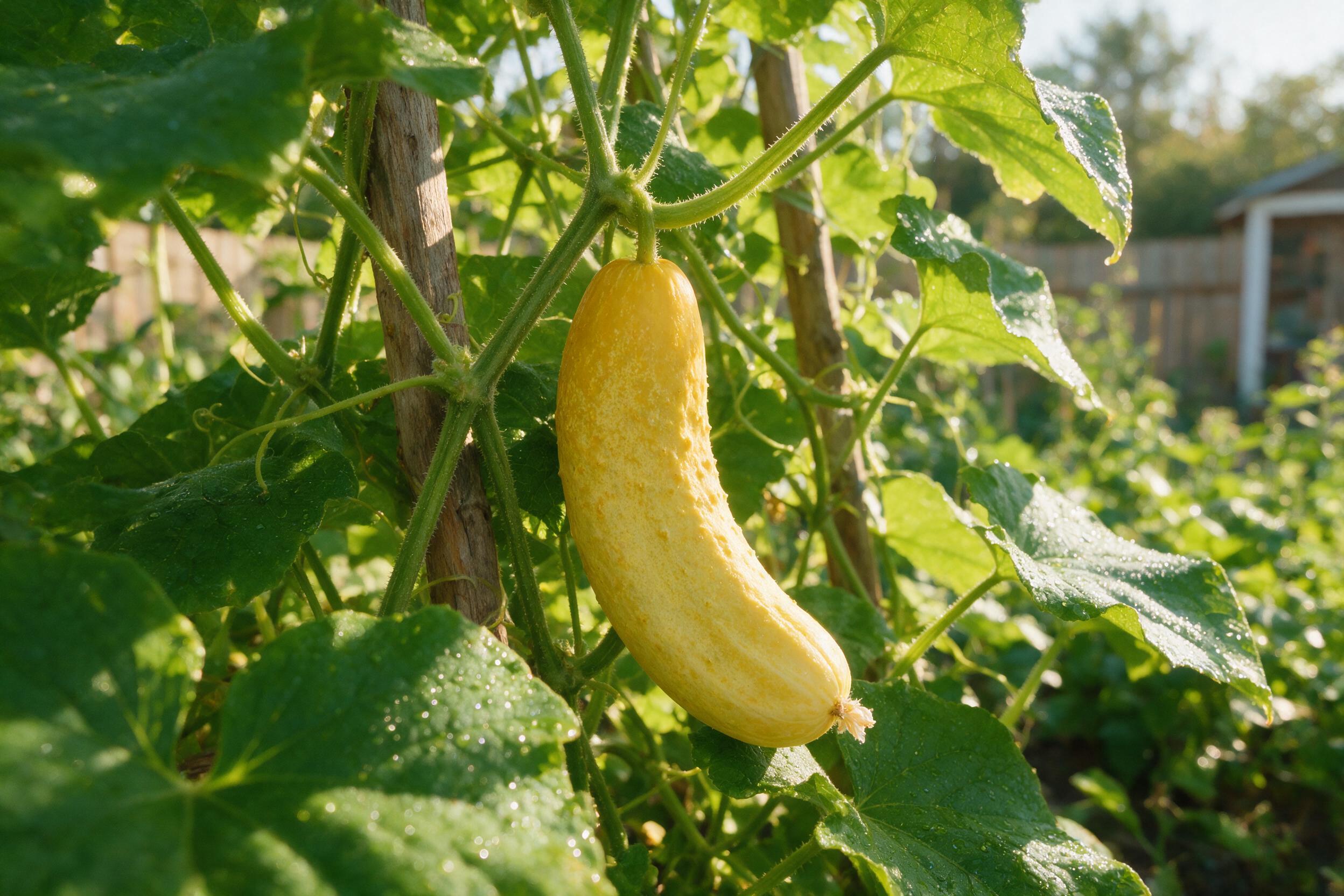
Stepping into your garden and spotting yellow cucumbers or yellowing leaves is one of those frustrating moments that stops you mid-stride. You planted them, watered them, and watched them climb — and now something is clearly wrong. The good news is that Cucumis sativus, the common cucumber, is a well-studied garden vegetable, and yellowing almost always has a diagnosable cause with a clear fix.
Whether you’re growing slicing cucumbers in a raised bed in the Midwest, pickling varieties in a Southern backyard, or container cucumbers on a patio, the reasons for yellowing follow a predictable pattern. This guide walks you through every major cause, how to tell them apart, and exactly what to do about each one.
What Does It Mean When Your Cucumber Is Turning Yellow?
Yellowing in cucumbers is a signal that something has disrupted chlorophyll production. According to Tom Hilton, director of outdoor and indoor garden specialists at National Greenhouse, yellowing occurs when the leaves lose chlorophyll — the pigment that gives plants their green color. When that pigment breaks down or stops being produced, green tissue fades to yellow.
The yellowing can show up in two distinct places: on the fruit itself or on the leaves. Each location tells a slightly different story. If the cucumber fruit itself is turning yellow, chances are there is a specific environmental reason behind it. If it’s the leaves turning yellow, the culprit is more likely related to pests or disease. Paying attention to where the yellow appears is your first clue in solving the puzzle.
Yellowing can also affect different parts of the plant at different stages. Older leaves near the base of the plant often fade as the growing season progresses — this is normal aging, and plants redirect energy to new growth and fruit. That kind of yellowing rarely needs intervention. The cases that require your attention are different, and the sections below will help you tell them apart.
Is Yellowing in Cucumbers Always a Sign of a Problem?
Not always — and knowing the exceptions can save you a lot of unnecessary worry. Some cucumbers are supposed to be yellow. Varieties such as Yellow Submarine, Lemon Yellow, and Salt and Pepper naturally produce yellow fruit that is perfectly fine to eat and never bitter. If you’re growing one of these varieties, yellow fruit is the goal, not a warning sign.
There are many reasons for cucumbers turning yellow, but that may not be a bad thing if you’re growing a yellow variety like Itachi or Lemon. These cucumbers have pale yellow skin and are delicious and easy to grow. Always check your seed packet before assuming something is wrong.
Problems arise when cucumber plant leaves turning yellow appear on young growth, spread quickly, or come with spots, wilting, or fruit issues. Use the table below as a quick reference to distinguish normal yellowing from a problem that needs attention.
| Situation | Normal or Problem? | Action Needed |
|---|---|---|
| Older, lower leaves yellowing late in season | Normal aging | None — monitor plant |
| Yellow variety (Lemon, Itachi, Yellow Submarine) | Normal for variety | Harvest at right size |
| Green variety fruit turning yellow on vine | Problem — overripe or stressed | Harvest immediately, investigate cause |
| Young leaves yellowing rapidly | Problem | Check water, nutrients, pests |
| Yellow spots with webbing or stippling | Problem — pests | Inspect and treat |
| Mottled yellow-green pattern on leaves | Problem — possible virus | Remove plant if confirmed |
Watering Issues Causing Cucumber Yellowing
Water is the most common culprit behind yellowing cucumbers, and the tricky part is that both too much and too little produce similar symptoms. If cucumber leaves are turning yellow, the most common reason is inconsistent watering. Both overwatering and underwatering can lead to yellow foliage, because cucumbers are heavy feeders that need consistent moisture.
Overwatering is especially damaging. If a cucumber plant receives too much water, its leaves may wilt and turn yellow, feeling soft and limp before eventually dropping. The soil often remains soggy, and affected roots may appear brown or black and emit a foul odor. When soil is constantly saturated, the roots of the cucumber plant become deprived of oxygen, leading to root rot.
Overwatered soil can also lead to a leaching effect, where essential nutrients like nitrogen are washed away from the root zone. This means overwatering doesn’t just stress the roots — it strips the soil of the very nutrients your plant needs to stay green.
Underwatering creates its own set of problems. Too little water causes stress that results in yellowing leaves and poor fruit development. In hot US summers — especially across the South and Southwest — cucumber plants can dry out faster than you expect.
Pro Tip: Before watering, push your finger about 1–2 inches into the soil near the base of the plant. If it still feels moist, hold off. If it’s dry, water deeply and slowly at the base of the plant, not over the leaves.
Cucumbers need just 2 inches of water a week in the hottest weather and 1 inch in normal temperatures. Cucumber plants have a shallow root system that loves moisture, but they shouldn’t sit with wet feet. The best way to water cucumber plants is using a drip irrigation system or soaker hose, which keeps moisture consistent and off the foliage.
Light Conditions Behind Cucumber Yellowing
Cucumbers are sun-loving plants, and inadequate light directly affects their ability to produce chlorophyll. Your cucumber plants should receive at least six hours of sunlight daily to boost their health and avoid discoloring. If your cucumbers aren’t getting enough sunlight, they will likely droop and yellowing will appear in the leaves. Moving cucumbers from shady spots to a sunnier area of your garden is a practical first step.
On the flip side, extreme heat and intense direct sun can also cause problems. Cucumbers love sun, but intense heat or sudden exposure can scorch leaves, leaving them yellow and crispy. This is a particular concern in hot-climate states like Texas, Arizona, and Florida, where summer temperatures can push well above 95°F.
Cucumbers love warmth, but extreme heat can still cause problems. High temperatures combined with dry soil stress plants and result in yellowing cucumber leaves. Leaves may curl, fade, or scorch along the edges. If you’re gardening in a region with intense summer sun, a shade cloth rated for 30–40% shade during peak afternoon hours can protect plants without sacrificing overall light levels.
For gardeners growing cucumbers indoors or in low-light conditions, check out this guide to the best houseplants for low-light areas — it covers how to assess and supplement light effectively in any growing environment.
Soil, Nutrients, and Root Health Causing Cucumber Yellowing
Cucumbers are heavy feeders, and nutrient shortfalls show up fast as yellowing foliage or fruit. Telltale signs such as yellowing leaves — particularly between the veins — stunted growth, and declining fruit development indicate that your soil nutrient levels may be off. Iron, magnesium, and potassium are among the nutrients most commonly lacking.
Nitrogen deficiency is the most frequent offender. Research has shown that having sufficient nitrogen is what fosters the green color of cucumbers. Initially, it was thought that supplementing nitrogen would just result in an explosion of foliage that would shade the fruit, but that wasn’t the case — though results varied depending on the cultivar. It is common for cucumber leaves to yellow when there is a nitrogen deficiency, and it is vital that you correct this issue or the cucumber plant can die. Nitrogen is responsible for plant growth and foliage, and it helps keep the leaves looking healthy.
Soil pH also matters more than many gardeners realize. Cucumbers thrive in slightly acidic soil with a pH of 6.0–6.8. If the pH is off, nutrient uptake suffers and leaves turn light yellow — even if the nutrients are present in the soil. A basic soil test kit from your local garden center or cooperative extension office can confirm whether pH is the issue.
Pro Tip: Get a soil test before amending. Many US county cooperative extension offices offer low-cost or free soil testing. Knowing your exact deficiencies means you fix the real problem instead of guessing.
Cucumbers are heavy feeders and should be fed at planting time and again when they begin to flower. At planting time, incorporate compost, well-rotted manure, or a slow-release fertilizer into the soil. When plants begin to bloom, they need lots of potassium. For optimal fruiting, just as they are beginning to flower, feed plants a liquid fertilizer rich in potassium according to the manufacturer’s instructions, and continue to feed every four weeks until fruit production ceases.
Root health is the foundation of all nutrient uptake. Poor drainage keeps roots from breathing and blocks nutrient uptake. Heavy soil that stays soggy leads to nutrient deficiency and root damage. Raised beds and containers with good drainage holes go a long way toward preventing this in American backyards where clay-heavy soils are common. If you’re exploring different types of plants to grow alongside your cucumbers, choosing companions with similar drainage needs will keep your whole bed healthier.
Crop rotation also plays a role in long-term soil health. Crop rotation is an important part of preventing yellow cucumbers. If you grow your plants in the same place in the garden each year, it will result in the soil being depleted of the nutrients necessary to grow healthy cucumbers. Rotate cucumbers to a new bed section each season.
Environmental Stress Triggering Cucumber Yellowing
Beyond water and nutrients, broader environmental conditions can push cucumbers into a stress response that shows up as yellowing. Temperature swings are a major factor across the US, where growing seasons can shift from cool spring nights to blazing summer afternoons within weeks.
In cooler climates, cold nights slow nutrient uptake and cause cucumber leaves to go yellow even when soil nutrients are present. This is common in northern states during early spring planting or in high-altitude gardens. Cucumbers prefer soil temperatures above 60°F — planting too early in cold soil sets the stage for yellowing from the start.
Poor pollination is another environmental stressor that produces distinctly shaped yellow cucumbers. A lack of pollination is a common cause of deformed, yellow cucumbers. If your plant sets a fruit that has one end smaller than the rest of the cucumber, poor pollination is likely the cause.
If you’re not seeing enough bee activity in your garden, you can hand-pollinate. You can pollinate the cucumber plants yourself by picking off the male flowers and dusting the pollen into the female flowers. You can recognize the male flowers because they have no tiny fruit behind them. The female flower has a small fruit behind it even before the flower opens.
Overcrowding is another stressor that US home gardeners frequently overlook. Planting cucumbers too close can lead to competition for light, water, and nutrients, causing yellow leaves. Leave 4–5 feet between plants if you are growing without a trellis, and one foot between plants if you are growing cucumbers vertically. Growing vertically on a trellis also improves air circulation, which reduces disease pressure significantly.
Pests and Disease Leading to Cucumber Yellowing
Pest and disease problems often produce yellowing with additional telltale signs — spots, webbing, mottling, or wilting — that help you identify the specific threat.
Common Pests
- Aphids: These small insects suck the sap out of new plants. Use yellow sticky traps, garlic spray, and neem oil to deter them, or attract beneficial insects that will prey on the aphids.
- Spider mites: Small yellow spots on the top surface of leaves, along with webbing around the plants, point to spider mites. A blast of water may be enough to get rid of them, but if not, insecticidal soap also works.
- Whiteflies: Like aphids, whiteflies suck the sap out of cucumber leaves so that they turn yellow and die. Sticky traps and insecticidal soap can help.
- Squash bugs: Small yellow spots are a symptom of squash bug feeding. Symptoms include small yellow-green or white spots on leaves (called “stippling”); leaves may eventually appear tattered and yellow, and plant growth and yield can be reduced significantly.
- Cucumber beetles: Cucumber beetles can carry bacterial wilt and squash mosaic virus, which can discolor and eventually kill the leaves. Infected plants should be disposed of and destroyed.
Common Diseases
- Downy mildew: Pale green or yellow splotches bracketed by the leaf veins may point to downy mildew. According to the University of Maryland Extension , symptoms of downy mildew appear as tan to dull yellow angular lesions on the top of a leaf. Keep foliage dry and improve air circulation to prevent it.
- Bacterial wilt: Bacterial wilt is easy to spot. The first sign is wilting vines or leaves. Soon, the leaves turn yellow and then brown. As the disease progresses, the fruits are also affected and turn yellow and rot. Bacterial wilt is spread by cucumber beetles, and protecting young plants with insect netting can help reduce the occurrence. Bacterial wilt is fatal to plants and cannot be cured with pesticides. Remove infected plants from the garden and dispose of them.
- Cucumber mosaic virus: Cucumber mosaic virus can affect the color, with diseased fruit turning yellow-green over time. This virus also causes bitter cucumbers and creates a mottled appearance on cucumber leaves, which become distorted. Cucumber mosaic virus causes mottled yellow and green patterns, distorted leaves, and stunted growth. Unfortunately, there is no cure. Plants infected with cucumber mosaic virus should be removed to prevent spread by insects.
- Leaf spot: There are several fungal diseases that cause leaf spot of cucumber plants. Symptoms start with yellow spots developing on the leaves, and as the disease progresses, affected leaves drop from the plant. Severe cases result in fewer and smaller fruits, with many of the cucumbers turning yellow.
Important Note: If you suspect a viral disease like cucumber mosaic virus, remove and bag the affected plants — do not compost them. Viruses can persist in plant debris and spread to next season’s garden.
Companion planting can also reduce pest pressure naturally. Cucumber companion plants such as dill, marigolds, nasturtiums, and onions can repel bugs, mask the scent of the cucumbers from aphids, and attract beneficial insects. See our guide on plants to grow with tomatoes for more companion planting strategies that apply to the broader vegetable garden. You can also use a plant identification app to help confirm pest or disease ID before treating.
How to Diagnose Why Your Cucumber Is Turning Yellow
Diagnosing the cause correctly before you act saves time, money, and your plants. Work through these steps systematically rather than treating for multiple causes at once.
- Identify what is yellowing. Is it the fruit, the older lower leaves, or new young growth? Each points in a different direction. Overripe fruit yellows on the vine; young leaf yellowing usually means a watering, nutrient, or pest issue.
- Check your variety. Some cucumbers are supposed to be yellow. Check your label to see if you are growing a yellow cucumber variety such as Yellow Submarine, Lemon Yellow, or Salt and Pepper.
- Assess the pattern. Inspect the age of the leaves turning yellow — older leaves might indicate natural aging. Look for patterns in the yellowing, such as uniform discoloration or spotting. Assess the yellowing alongside the plant’s overall growth and fruit development.
- Check the soil moisture. Stick your finger 1–2 inches into the soil. Soggy soil points to overwatering; bone-dry soil points to underwatering. Both cause yellowing.
- Inspect for pests. Flip leaves over and look for aphids, spider mites, or whitefly eggs. Check stems for cucumber beetles. Look for webbing, sticky residue, or stippling on leaf surfaces.
- Test your soil. Conduct a soil test to figure out what is lacking in your soil so it can be amended. You can then amend the soil with a fertilizer geared toward your specific needs.
- Review your sun and spacing. Count the hours of direct sun your plants receive and measure plant spacing. Less than six hours of sun or overcrowded plants both contribute to yellowing.
How to Fix a Cucumber Plant That Is Turning Yellow
Once you’ve identified the cause, the fix is usually straightforward. Here’s what to do for each major scenario.
Overripe fruit: Overripe cucumbers turn from green to yellow and the flesh softens and becomes mushy and bitter. Never leave over-mature cucumber fruits on the plants because they slow down production of new fruits and flowers. Instead, harvest the over-mature fruits with your garden snips and either toss them on the compost pile, or if they’re not mushy, cut them in half, scoop out the seeds, and eat the flesh.
Watering problems: Adjust your schedule so you’re watering deeply 1–2 times per week rather than lightly every day. In the heat of summer, water the plants deeply every few days. Use mulch to help the soil retain its moisture levels. When watering, aim the water at the base of the plant, doing your best to keep water off the leaves.
Nutrient deficiency: Use a balanced fertilizer at planting time, or add compost or other organic matter to the soil. Fertilize again after bloom and then about once a month during the growing season. Mix compost into your soil before planting, and then feed the plants with liquid fertilizer every two weeks throughout the growing season. Do not overcorrect and apply too much nitrogen, as this can lead to luscious foliage and stunted fruit growth.
Pest infestations: Start with the least aggressive treatment. Blast aphids and spider mites off with a strong stream of water. Apply neem oil or insecticidal soap for persistent infestations. For cucumber beetles, use row cover on young plants and remove it at flowering to allow pollination.
Disease: For downy mildew, prevention is the best medicine — keep the foliage dry when watering your plants and space the plants to allow for air circulation. If downy mildew has already taken hold, you can treat the outbreak with hydrogen peroxide and baking soda. For viral diseases, remove the plant entirely.
Yellowing leaves (general): It is better to remove any leaves that have turned yellow, as they may limit light from reaching the healthy part of your plant. It will also encourage air circulation, which is beneficial to the plant overall. After removing the leaves, follow the prevention steps to allow other leaves to grow healthier.
How to Prevent Cucumber Yellowing Going Forward
Prevention is far easier than treatment, and a few consistent habits at the start of each season dramatically reduce yellowing problems throughout the summer.
- Choose disease-resistant varieties. Disease-resistant cucumber varieties are widely available for both fresh eating (slicing) and pickling cucumbers. Look for varieties labeled with resistance codes for cucumber mosaic virus and downy mildew on the seed packet.
- Prepare your soil before planting. Healthy soil reduces many problems before they start. Regular additions of compost improve nutrient availability and water balance.
- Water at the base, not overhead. Water in the morning if possible. This allows the foliage to dry out during the day, reducing the risk of fungal diseases that thrive in moist conditions.
- Space plants correctly. Give plants adequate space in a sunny location to allow for good air circulation and minimize leaf wetness.
- Rotate crops each year. Move cucumbers to a different section of your garden each season to prevent soil nutrient depletion and reduce disease carryover.
- Harvest on time. Depending on your variety, cucumbers are ready to harvest 50 to 70 days from planting. Ripe cucumbers are bright medium green to dark green and firm. Check plants every day or two during peak season — cucumbers grow fast.
- Use companion plants. Dill, marigolds, nasturtiums, and onions around your cucumber beds deter pests and attract beneficial insects. Plants that repel wasps and other garden pests — like those covered in our guide to plants that repel wasps — can also help protect your vegetable garden from insect pressure.
- Fertilize consistently throughout the season. Fertilize every other week with a liquid fertilizer, such as liquid kelp and fish emulsion.
- Practice good garden sanitation. Remove diseased or infested plant material promptly. Never compost diseased plant matter — bag it and dispose of it.
Pro Tip: Use a garden journal or a free plant identification app to log watering, fertilizing, and any pest or disease observations each season. Patterns become obvious quickly, and you’ll catch problems earlier year after year.
FAQ
Can I eat a cucumber that has turned yellow?
Overripe cucumbers turn from green to yellow and the flesh softens and becomes mushy and bitter. If the flesh is still firm and not mushy, you can scoop out the seeds and eat the flesh. If it’s soft, bitter, or slimy, compost it. Yellow varieties like Lemon cucumber are always safe and delicious to eat.
Why are my cucumber leaves turning yellow but the fruit looks fine?
Problems arise when cucumber plant leaves turning yellow appear on young growth, spread quickly, or come with spots, wilting, or fruit issues. Yellow cucumbers and yellowing leaves at the same time often point to stress from water, nutrients, or pests. If only the lower, older leaves are yellowing and fruit looks healthy, this is likely just natural aging and not a cause for concern.
How much water do cucumbers actually need?
Cucumbers need just 2 inches of water a week in the hottest weather and 1 inch in normal temperatures. Always water deeply and slowly at the base of the plant, and use mulch to reduce evaporation between waterings.
What is the fastest way to fix a yellowing cucumber plant?
Start by checking soil moisture — this is the most common cause and the fastest to correct. If the soil is too wet, stop watering and improve drainage. If it’s dry, water deeply. Then check for pests on the undersides of leaves. If watering and pests are ruled out, do a soil test to identify nutrient gaps and amend accordingly.
Can yellow cucumber leaves spread to other plants?
Yellowing itself doesn’t spread, but the cause might. Fungal diseases like downy mildew and viral diseases like cucumber mosaic virus can spread to neighboring plants through water splash, insects, or contact. Remove diseased or infested plant material promptly and keep tools clean between plants to prevent cross-contamination. If you grow a variety of plants in close proximity, good sanitation habits protect your whole garden.
Why do my cucumbers turn yellow at the end (blossom end)?
Cucumber fruits that appear deformed or underdeveloped on one end are typically the result of poor pollination between male and female flowers. You can hand-pollinate using a small brush or by transferring pollen from a male flower directly to a female flower. Planting pollinator-attracting companions nearby also helps.
Should I remove yellow leaves from my cucumber plant?
Yes, in most cases. It is better to remove any leaves that have turned yellow as they may limit light from reaching the healthy part of your plant. It will also encourage air circulation, which is beneficial to the plant overall. Use clean scissors or pruners and dispose of diseased leaves in the trash, not the compost bin.