Why Is My Peace Lily Drooping? Causes, Fixes, and Prevention Tips

August 24, 2026
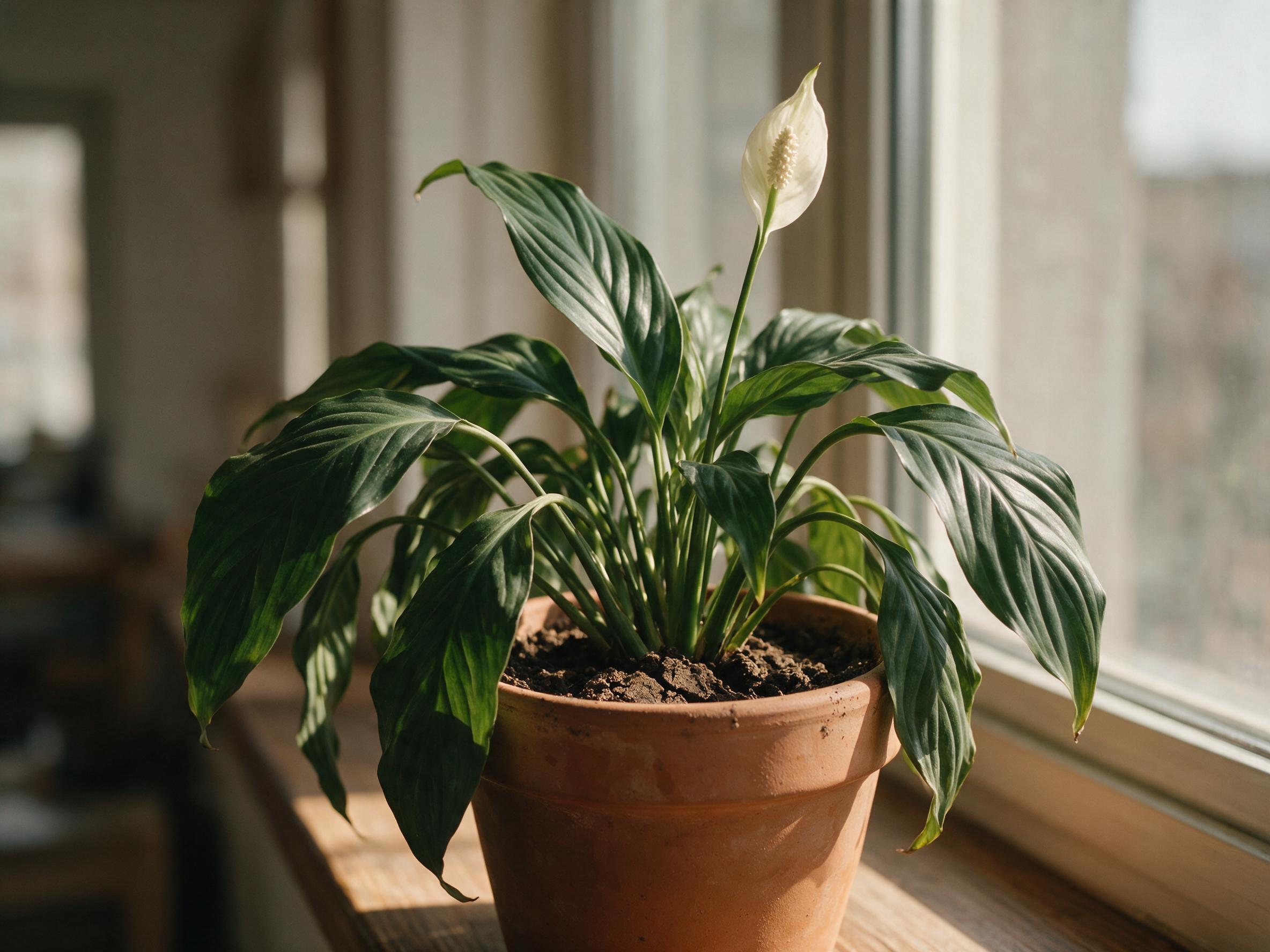
Few houseplants are as expressive as the peace lily. The moment something is off, those elegant leaves go limp — almost dramatically — as if staging a protest. Peace lilies make it perfectly clear when something is wrong, which is actually a good thing, because you can work on fixing it before the problem becomes fatal.
If your peace lily is drooping right now, take a breath. In most cases, the fix is simpler than it looks. Drooping in peace lily plants is most commonly caused by cultural conditions, and in these cases, the plants are likely to recover, provided that their conditions for growth have improved. This guide walks you through every possible cause — from watering habits to pests — and gives you a clear, step-by-step path to getting your plant standing tall again.
What Does It Mean When Your Peace Lily Is Drooping?
Drooping is your peace lily’s primary way of telling you that something in its environment is out of balance. A peace lily usually droops when its root system cannot absorb water properly, most often due to dry soil or the opposite problem — waterlogged roots caused by overwatering or poor drainage.
Many issues manifest first as drooping or wilting. That means a drooping plant is actually giving you an early warning — one you can act on before things get worse. The peace lily is a rainforest understory species — shaded, humid, and consistently moist but never soggy. Indoors, that translates to bright indirect light, breathable soil, steady temperatures, and a careful watering rhythm.
Understanding what drooping looks like in context matters. A plant that droops only in the middle of a warm afternoon and perks back up by evening is behaving very differently from one that stays limp for days. Peace lilies sometimes “flag” midday when rooms get warm and bright. If they perk up in the evening — or within an hour of watering — it’s a short-term water or heat balance issue, not disease.
Is Drooping in Peace Lilies Always a Sign of a Problem?
Not always. There are a few situations where drooping is completely normal and nothing to worry about. Spent white spathes and their stalks naturally droop, yellow, and brown with age — it’s normal. If only the flower stalk slumps while the foliage looks fine, simply snip spent blooms at the base to tidy up and redirect energy.
Sometimes, peace lily leaves start drooping simply because the plant is adjusting. After repotting or moving to a new location, changes in light or humidity can trigger a temporary stress response, causing the plant to appear wilted. This kind of droop typically resolves on its own within a few days once the plant settles into its new spot.
That said, drooping that lasts more than 24–48 hours after watering, or drooping paired with yellowing leaves, a musty smell, or visible pests, always signals a real problem that needs your attention. Some instances of drooping may be more serious than others. The sections below help you figure out exactly which category you’re dealing with.
Pro Tip: Before assuming the worst, check your soil first. Stick your finger two to three inches deep. Dry and pulling away from the pot edges means thirst; wet, heavy, and possibly smelly means overwatering. This one check rules out the two most common causes immediately.
Watering Issues Causing Peace Lily Drooping
Watering problems are the number-one reason peace lilies droop in American homes, and the tricky part is that both too little and too much water produce nearly identical symptoms. The confusing part about plant care is that opposite conditions — too dry or too wet — will cause the same issue, in this case, drooping.
Underwatering
One of the most common reasons peace lilies droop is underwatering, and it often happens faster than expected. The plant needs soil that stays consistently moist to keep its leaves firm and upright. When the soil dries too much, the roots cannot supply enough water, and the leaves collapse.
The good news: an underwatered peace lily bounces back quickly. Give your plant a very thorough watering. If you can, bring it to your sink or bathtub. If you notice that water is going straight through very quickly, continue to soak the plant until the potting mix has accepted moisture again — sometimes when soil gets too dry, it takes a little work to moisten it back up. After a good thorough watering, your plant should recover fairly quickly, in a matter of hours depending on how droopy it is.
Overwatering
Overwatering can make peace lilies droop in a way that looks very similar to underwatering, but the cause is more serious. When soil stays constantly wet, it pushes oxygen out of the root zone, leaving roots unable to breathe properly. Over time, this weakens the roots and can even cause them to rot. Damaged roots cannot take up water efficiently, so the plant continues to wilt even though the soil is moist.
A key sign of overwatering is drooping that does not improve after watering. The soil often stays wet for several days, and the pot may feel heavy. Lower or older leaves typically turn yellow before drooping or collapsing, and some may eventually fall off.
If you catch overwatering early, let the top inch dry between drinks, empty saucers, and adjust frequency seasonally. Using a pot that’s much larger than the rootball — “overpotting” — slows drying and mimics overwatering, so size up only 1–2 inches at a time.
Water Quality
Sometimes the issue isn’t watering frequency but water quality. Hard or softened water can leave behind excess minerals and salts, which stress the roots and cause a peace lily to droop and develop brown leaf tips. Use filtered, distilled, or rainwater whenever possible, and flush the soil occasionally to remove salt buildup.
Pro Tip: If you water with tap water, let it sit in an open container overnight before using it. This allows chlorine to dissipate and brings the water to room temperature, reducing two common sources of root stress at once.
Light Conditions Behind Peace Lily Drooping
Light is one of the most overlooked causes of a drooping peace lily, especially in US homes where rooms can swing between dim corners and bright south-facing windows. Peace lilies thrive in bright, indirect sunlight. If they receive too much direct sunlight or are placed in a dark corner, their leaves can droop.
Too little light causes a slow, progressive weakening. When light is too low, the plant cannot make enough energy to support its leaves, so growth slows and stems begin to weaken. Leaves may grow longer and thinner than normal and often lean toward the nearest light source. New leaves appear less often and may be smaller than usual. Even when watering is correct, the plant can continue to droop. Over time, flowering stops and the leaves may look dull — both clear signs of low light stress.
Too much direct sun causes a different kind of damage. Direct sun, especially through a window, dries out the leaves faster and can burn the surface, causing the plant to droop even when the soil is moist. This often happens near south- or west-facing windows where strong sunlight hits during the day. Leaves under excess light may fade, develop pale or brown patches, or turn crispy at the edges.
The fix is straightforward: find a spot in your home that receives bright, filtered light near a north or east-facing window, and avoid placing your peace lily in direct sunlight, which can scorch its leaves. A sheer curtain over a sunny window works well in most American living rooms. If you’re looking for more guidance on matching plants to your home’s light levels, this guide to the best houseplants for low-light areas is a helpful reference.
Soil, Nutrients, and Root Health Causing Peace Lily Drooping
Even if your watering and light are dialed in, the wrong soil or a compromised root system can keep your peace lily drooping. These causes are easy to miss because they develop slowly underground.
Poor Soil and Drainage
Using the wrong potting mix can cause issues. Mixes that exhibit very poor drainage, are too dense or heavy, or that dry out too quickly can all cause issues with maintaining appropriate soil moisture and lead to drooping. Use a light, all-purpose, well-draining potting mix. A good blend for peace lilies combines standard houseplant mix with a small amount of perlite or fine bark to improve airflow around the roots.
A heavy or exhausted mix holds water too long, mimicking overwatering and often triggering root rot. Compaction reduces air spaces, causing poor drainage. If your soil looks dark, dense, and compacts when squeezed, it’s time to refresh it.
Root Rot
Root rot is the disease that most commonly causes wilting leaves in peace lilies. Damaged roots can’t move water, so leaves remain limp despite wet soil. Signs include wilting in wet soil, a sour odor, and brown mushy roots visible when you gently unpot the plant. Trim mushy roots, repot in fresh, airy mix, and water lightly until new growth resumes.
Being Rootbound
If your peace lily has outgrown its current container and the roots are all bound up, the plant will rapidly dry out. Typically, you’ll know when your houseplant becomes rootbound because you will see roots growing out of the drainage holes or up out of the surface of the soil.
When repotting, loosen and tease free any circling roots, then replant in a pot that is at least one size larger and filled with a quality growing medium. Spring or early summer is the best time for repotting.
Nutrient Deficiency and Fertilizer Mistakes
Fertilizing peace lilies regularly helps keep them looking their best. Though yellowing leaves is the first sign of a nutrient deficiency, drooping may also occur. Fertilizer mistakes can quietly cause peace lily leaves to droop in the other direction too — over-fertilizing leads to salt buildup that burns roots and restricts water uptake. In spring and summer, feed every 4–6 weeks at half strength and flush salts quarterly. Avoid fertilizing entirely during the fall and winter dormancy period.
Environmental Stress Triggering Peace Lily Drooping
American homes create some surprisingly tough conditions for tropical plants. Central air conditioning, forced-air heating, drafty windows, and low indoor humidity are all environmental stressors that can make a peace lily droop even when its watering and light are correct.
Temperature Extremes and Drafts
Peace lilies are sensitive to environmental changes and respond quickly when temperature or humidity levels fluctuate. They prefer stable, moderate conditions, and sudden shifts can interfere with how water moves through the plant. Cold drafts from windows or doors slow root activity, limiting water uptake, while hot air from heaters or air conditioners increases moisture loss through the leaves. When indoor air is very dry, this imbalance becomes worse, causing leaves to droop even when the soil is properly watered.
Since peace lily plants are quite tender, dips below approximately 60°F (15°C) may result in damage, causing plants to wilt. The plant can tolerate regular fluctuations of about 10°F between night and day, but greater changes in temperature could cause it to droop. Try moving your plant away from doors and windows that are frequently opened or closed, and keep it away from heaters or air conditioning units.
In northern US states with cold winters, temperatures below 50°F should be avoided, but even if your house is a toasty 70°F, your plant may not be safe. If it’s 20°F outside and you have a single-pane window, the leaves closest to the glass could be exposed to temperatures well below 50°F.
Low Humidity
Peace lilies are tropical plants and appreciate higher humidity levels. In dry indoor environments, their leaves may droop due to the lack of moisture. This is especially common in the American Southwest and in homes during winter heating season when indoor humidity can drop dramatically.
Occasional misting is fine, but it doesn’t provide long-term humidity. Misting only increases moisture around the plant for a short time, so it won’t fully prevent drooping caused by dry indoor air. For better results, use a humidifier or a pebble tray to maintain consistent humidity. Avoid misting in cool or low-light areas to prevent leaf spots.
Pro Tip: Grouping your peace lily with other houseplants naturally raises local humidity through transpiration — no extra equipment needed. Check out this overview of types of plants to find good companions that thrive in similar conditions.
Pests and Disease Leading to Peace Lily Drooping
Pest problems are less common than watering or environmental issues, but they can cause significant drooping if left unchecked. Peace lilies are generally pretty pest resistant. If they do encounter any pest issues, it will likely be mealybugs. They’ll typically appear as white cottony masses on your plant. Like many pests, mealybugs suck sap out of your plant, and if the mealybug population is left unchecked, this will lead to drooping as well as yellow leaves.
Other pests to watch for include spider mites, aphids, and scale. These pests all suck the sap of the stems and leaves, causing yellow stippling and leaf wilting. If you examine your plant closely, you’ll see the insects themselves. Aphids are tiny oval pests in green, yellow, or brown. Scale look like flat bumps underneath the leaves or along the stems near leaf nodes.
Spider mites and mealybugs love peace lily sap and, if these pests get into your home, they can quickly drain your lily of fluid, leaving it looking yellow and droopy. Keep an eye out for infestations in nooks and crannies in order to keep your plant healthy.
Treatment is straightforward when caught early. Inspect your plant regularly for signs of pests and treat any infestations promptly with insecticidal soap or neem oil. Once you address the infestation, the leaves should perk back up. But if they are discolored, they won’t return to their original hue, so you should snip them off. If you’re managing pests across multiple houseplants, keeping pets away from treated plants during the treatment period is also worth considering.
On the disease front, root rot (caused by Pythium and Phytophthora species) is the most serious concern and is almost always a consequence of prolonged overwatering or poor drainage rather than an airborne infection. Catching it early — before the majority of roots turn mushy — gives your plant the best chance of recovery.
How to Diagnose Why Your Peace Lily Is Drooping
Working through a logical sequence of checks is the fastest way to find the real cause. To figure out the cause, start by checking the soil with your fingers and making sure the pot drains properly. After that, think about any recent changes in the plant’s environment, including light, temperature, or location.
Use this step-by-step diagnostic process:
- Check the soil moisture. Press your finger two to three inches into the soil. Bone dry means underwatering; wet and heavy means overwatering or poor drainage. It helps to feel as deep as you can because sometimes the soil will become waterlogged deeper down in the pot but will feel appropriately moist near the top.
- Lift the pot. If the soil is dry, the pot feels feather-light, and leaves perk up shortly after a deep drink — that’s a classic underwatering droop. A very heavy pot with wet soil points to overwatering.
- Check drainage. If you feel wetness at the bottom, check out the drainage holes. Are they clogged? If you can, stick a chopstick in there an inch or so and wiggle it around to loosen up the soil.
- Smell the soil. A musty or sour odor is a strong indicator of root rot. Unpot the plant gently and examine the roots — healthy roots are white or tan; rotted roots are brown, black, and mushy.
- Assess the light. Count how many hours of bright, indirect light the plant receives. Drooping from too much light often happens near south- or west-facing windows where strong sunlight hits during the day.
- Check for temperature and drafts. Is the plant near an AC vent, a heating register, or a frequently opened exterior door? Any of these can cause drooping that looks like a watering problem.
- Inspect for pests. Use a magnifying glass or your phone camera to check the undersides of leaves and where leaves meet stems. Look for webbing, sticky residue, tiny moving dots, or white cottony clusters.
| Symptom | Most Likely Cause | Quick Test |
|---|---|---|
| Drooping + dry, light pot | Underwatering | Water thoroughly; check for recovery in 2–4 hours |
| Drooping + wet, heavy pot | Overwatering or root rot | Let dry out; check roots for mushiness |
| Drooping + crispy, pale leaf edges | Too much direct sun or low humidity | Move away from window; add pebble tray |
| Drooping + yellowing lower leaves | Overwatering or nutrient deficiency | Check soil; assess fertilizer schedule |
| Drooping + visible insects or webbing | Pest infestation | Treat with insecticidal soap or neem oil |
| Only flower stalks drooping | Natural aging of spent blooms | Snip at the base — no further action needed |
A useful tool for ambiguous cases is a plant identification or care app. The best iPhone apps for identifying plants can also help you cross-reference symptoms and narrow down diagnoses, especially if you’re new to houseplant care.
How to Fix a Peace Lily That Is Drooping
Once you’ve identified the cause, the recovery steps are straightforward. Here’s how to address each scenario:
Fixing Underwatering
Take the plant to a sink and water slowly and thoroughly until water flows freely from the drainage holes. Peace lilies like to stay moist at all times for best growth. If you can, only allow the top inch or so of the potting mix to dry out, and then water. Most underwatered plants show clear improvement within a few hours.
Fixing Overwatering and Root Rot
Stop watering immediately and move the plant to a brighter, warmer spot to help the soil dry faster. If the roots are compromised, unpot the plant, shake off the wet soil, and inspect the roots. Cut away any roots that are black, broken, or mushy. If you want to divide it, cut through the roots and include at least a few stems. Repot into fresh, well-draining mix and a clean pot with drainage holes.
Fixing Light Problems
Peace lilies don’t like a lot of direct sunlight. Maybe a little bit in the early morning, but if you offer them direct light in the afternoon, you might find your plant drooping. Moving the houseplant to a less exposed location is usually the best remedy. Aim for a spot with bright, filtered light — a few feet back from an east-facing window is often ideal in most US homes.
Fixing Environmental Stress
Keep peace lilies away from drafty windows, exterior doors, radiators, and air vents to avoid sudden temperature swings, and aim for indoor temperatures between 65–80°F (18–27°C). For humidity, place the pot on a tray filled with pebbles and water so the bottom of the pot sits above the waterline. As the water evaporates, it raises humidity right where the plant needs it.
Fixing Pest Infestations
Isolate the affected plant immediately to prevent spread. Wipe down leaves with a damp cloth to remove as many pests as possible, then treat with diluted neem oil or insecticidal soap, making sure to cover the undersides of leaves. Repeat every five to seven days for two to three weeks to break the pest life cycle. Once you address the infestation, the leaves should perk back up.
Fixing Rootbound Plants
If the plant is rootbound, you’ll either need to divide it or move it into a larger container. Either way, remove the plant from the container, brush away the soil, and loosen up the roots. Choose a new pot that is only one to two inches wider in diameter — going too large slows drainage and can lead right back to overwatering problems.
Pro Tip: After any repotting, water the plant once, then hold off for about a week before resuming your normal schedule. This gives disturbed roots time to settle and reduces the risk of overwatering a plant that is already stressed.
How to Prevent Peace Lily Drooping Going Forward
Prevention comes down to building consistent habits and setting up the right environment from the start. Most drooping peace lilies just need a better rhythm: bright indirect light, even moisture in a well-draining mix, a pot that drains, steady 65–80°F, and moderate humidity. Start with the soil check, fix drainage, and set a consistent watering cadence.
- Water on a soil-based schedule, not a calendar. Allow only the top inch or so of the potting mix to dry out, and then water. Checking with your finger twice a week is more reliable than watering on a fixed day.
- Always use pots with drainage holes. Problems often happen when pots lack drainage holes, soil is too dense, or watering is done too frequently without checking the soil first.
- Choose the right pot size. Using a pot that’s much larger than the rootball slows drying and mimics overwatering — size up only 1–2 inches at a time.
- Maintain stable temperatures. Keep your peace lily away from exterior doors, AC vents, and heating registers. Be sure your home’s temperature is at least 60°F, with the optimal temperature around 70°F.
- Boost humidity proactively. Occasional misting is fine, but it raises humidity for only a few minutes. Pebble trays or a room humidifier are more effective, and avoid misting in dim, cool rooms to prevent leaf spots.
- Feed lightly during the growing season. Use a balanced liquid houseplant fertilizer at half strength every four to six weeks from spring through summer. Skip feeding entirely from fall through winter.
- Inspect regularly for pests. A quick weekly check of the undersides of leaves takes thirty seconds and catches infestations before they get out of hand.
- Repot every one to two years. Fresh soil restores drainage, removes salt buildup, and gives roots room to grow. Spring or early summer is the best time for repotting.
If you enjoy caring for peace lilies, you might also find it rewarding to explore other low-maintenance varieties. Different types of rubber plants and types of spider plants share similar care requirements and make excellent companions in a home plant collection.
FAQ
Why is my peace lily drooping even though the soil is wet?
If your peace lily is drooping but the soil is wet, that’s likely overwatering, poor drainage, or early root rot. Let the top inch dry before watering, ensure drainage holes are clear, and consider repotting into an airier mix if the soil is compacted.
How long does it take for a drooping peace lily to recover?
Recovery time depends on the cause. An underwatered plant typically perks up within two to four hours of a thorough watering. Keep the plant in one stable spot and avoid extra care changes — with a little time, a drooping peace lily usually recovers on its own. Root rot recovery can take several weeks as new roots develop.
Should I water my peace lily more if it is drooping?
If your plant is wilting, don’t assume it needs more water. Stick your finger in the soil as deep as you can. The soil can be moist, but it shouldn’t be wet or soggy. Adding water to an already overwatered plant accelerates root rot and makes recovery much harder.
Can a severely drooping peace lily be saved?
In more serious instances of wilting, peace lily plants may be difficult to save, especially if they have been affected by disease or large numbers of pests. Still, as a caring houseplant parent, you can attempt to preserve your plant by quickly diagnosing the problem and determining the best course of treatment. Trimming dead roots, repotting in fresh soil, and providing stable conditions gives even a severely stressed plant a real chance.
Why does my peace lily droop at the same time every day?
This is almost always a midday heat and light response, not a serious problem. Peace lilies sometimes “flag” midday when rooms get warm and bright. If they perk up in the evening — or within an hour of watering — it’s a short-term water and heat balance issue, not disease. Moving the plant slightly away from a sunny window usually resolves it.
Does dormancy cause peace lily drooping in winter?
Plants naturally go dormant from September through to March, so even if you are taking good care of your peace lily, it may not flower during this time. If this is the case, reduce watering and do not feed it. Then, once March arrives, move the plant to a brighter spot and feed it to encourage new growth. Some mild drooping during dormancy is normal and resolves with the return of longer days.