Is Sour Candy Safe During Pregnancy? What OB-GYNs Actually Want You to Know

April 23, 2026
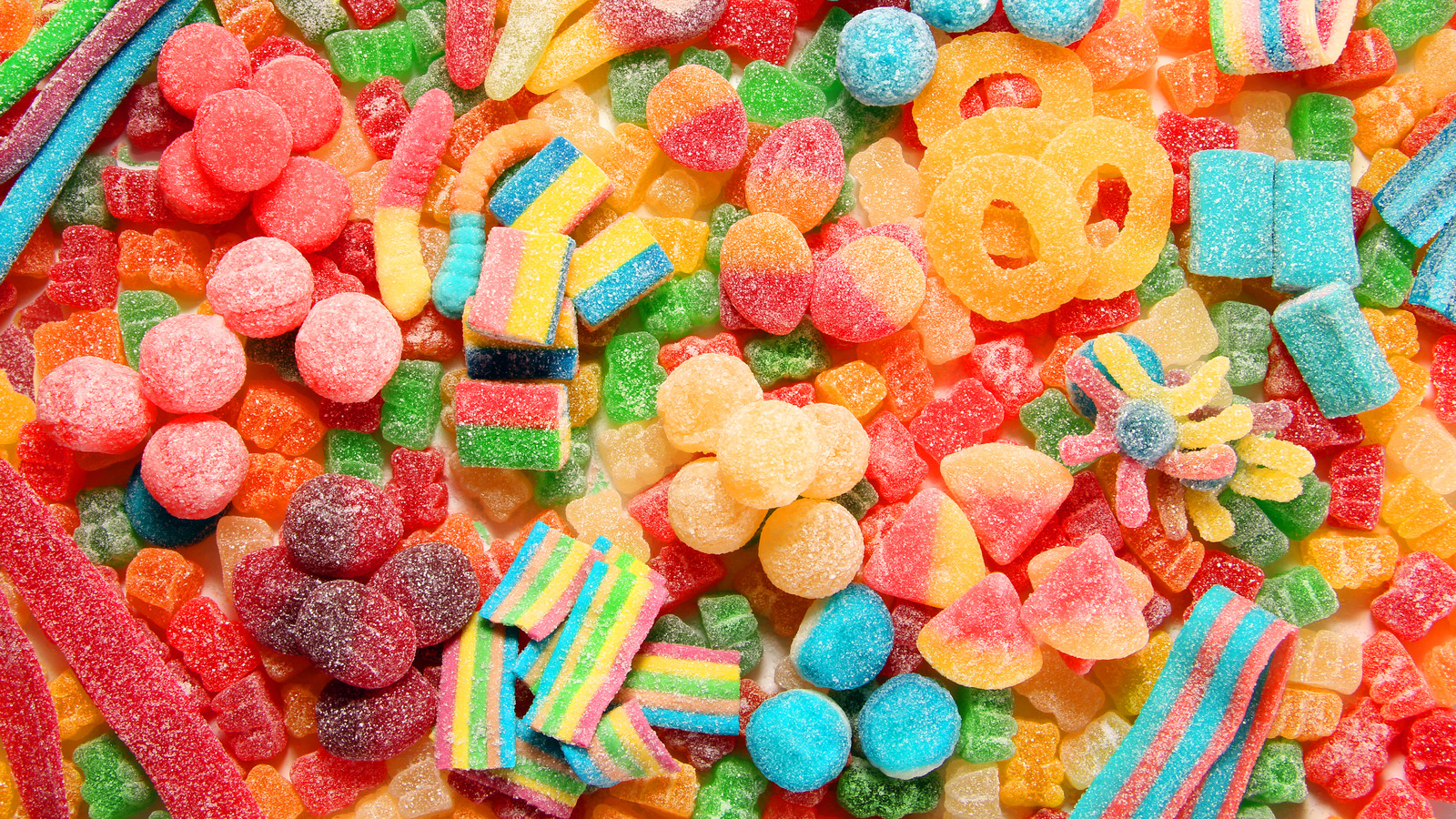
You’re pregnant, you’re nauseated, and suddenly a bag of Sour Patch Kids sounds like the most appealing thing on the planet. Sound familiar? Sour candy cravings during pregnancy are incredibly common — and the good news is, you don’t have to feel guilty about them.
Most expectant mothers are understandably cautious about everything they eat, and it makes sense to ask questions. But when it comes to sour candy, the answer is more reassuring than you might expect. Here’s exactly what the research and medical experts say, plus practical guidance to help you enjoy that tangy treat without worry.
Medical Disclaimer: This article is for informational purposes only and is not a substitute for professional medical advice. Always consult your OB-GYN or midwife about your specific dietary needs during pregnancy.
The Short Answer
Yes — eating sour candy while pregnant is generally safe when consumed in moderation. Most commercial sour candies contain citric acid, sugar, and artificial flavors that pose no significant risk to pregnant women.
Not only is sour candy safe during pregnancy, but according to OB-GYN Dr. Idries Abdur-Rahman, M.D., “it can actually help to alleviate symptoms of morning sickness.” That’s right — that bag of sour gummies sitting on your nightstand might actually be doing double duty.
The key word, as with most things in pregnancy nutrition, is moderation. OB-GYNs generally recommend pregnant people eat sugar in moderation, and when enjoyed as an occasional snack, candy is fine. Keep reading to find out exactly what “moderation” looks like — and when sour candy crosses the line from treat to concern.
Why Sour Candy Is Considered Safe During Pregnancy
When you’re pregnant, a hormone called chorionic gonadotropin — responsible for blocking gastric acid secretions — is increased, causing a decrease in digestive enzymes. The result is morning sickness: nausea, dizziness, vomiting, and loss of appetite. In turn, you might begin to crave more acidic or sour things to aid in digestion. So sour candy easing nausea isn’t just a bonus — your body is actually telling you to reach for foods to fight off nausea.
“Sour foods like limes, lemon, and sour candies can reduce morning sickness by increasing salivation,” notes Dr. Abdur-Rahman. And there are no known ill effects from eating sour candy such as premature labor. “Contractions occur when specific hormones released by the brain interact with the uterus,” he explains. “Sour candy has no effect on the production of the hormones that stimulate contractions.”
Another concern many moms-to-be have is whether what they eat can harm the baby directly. While there is evidence that babies can taste what their mothers are eating when they swallow amniotic fluid, it’s only a trace amount. “If, by chance, mom were to eat so much candy that the sour taste was concentrated in the amniotic fluid, it would not be harmful to the baby,” says Dr. Abdur-Rahman.
Key Insight: Your sour cravings may be biologically driven. Pregnancy cravings for sour foods are incredibly common and have several scientific explanations. Hormonal changes, particularly increased estrogen and progesterone levels, can alter taste preferences and make sour flavors more appealing.
There are also a few things sour candy is not guilty of. Don’t panic about your sour candy love turning into gestational diabetes — it doesn’t really work that way. “Diabetes is due to the body’s inability to properly respond to the hormone insulin, and sugar intake in no way affects this,” Dr. Abdur-Rahman explains. That said, if you already have gestational diabetes, the rules change — more on that in the “When to Avoid It” section below.
What the Research Actually Says
The science behind sour candy and pregnancy is reassuring, but it does come with important nuance. Sour candies can help with nausea because they typically contain citric acid and B vitamins, which can have a soothing effect on the stomach. The sour taste stimulates saliva production, which can help ease nausea and improve digestion. This is not just a placebo effect — many find sour candies genuinely helpful, especially during pregnancy for morning sickness relief.
Research also sheds light on why sour cravings intensify as your pregnancy progresses. Research by Dr. Valerie Duffy from the University of Connecticut highlights a notable increase in preference for sour foods in the second and third trimesters compared to the first trimester or pre-pregnancy. A preference for sour foods may promote a more varied diet later in pregnancy, helping to ensure sufficient calorie intake.
Where research does raise a flag is around excessive sugar intake overall. A 2018 study published in the American Journal of Preventive Medicine found a correlation between a mother’s high sugar intake during pregnancy and a negative impact on her child’s cognitive function in early childhood. The study suggests that women with high-sugar diets, including those who drank a lot of soda during pregnancy, were more likely to have children with poorer cognitive skills like problem-solving and memory. The emphasis here is on high-sugar diets overall — not the occasional sour candy.
One candy type, however, does have a genuine research-backed warning: all candy is fair game when you’re pregnant — except for licorice. “Licorice contains a substance called glycyrrhizin that in large amounts has been found to affect the intellectual development of a growing fetus,” warns Dr. Abdur-Rahman. Standard sour candies like Sour Patch Kids, Warheads, or sour gummy bears don’t contain licorice root and are not subject to this concern.
Important Note: The research concern is about consistently high sugar intake, not an occasional sour candy treat. Enjoying a few pieces here and there is very different from making candy a dietary staple.
How to Eat Sour Candy Safely During Pregnancy
Knowing it’s generally safe is one thing — knowing how to enjoy it wisely is another. Here’s a practical, trimester-by-trimester breakdown, plus tips for getting the most benefit with the least risk.
First Trimester (Weeks 1–12)
It is generally safe to consume sour candies in moderation during the first trimester, as long as you maintain a balanced diet and stay within the recommended daily sugar intake. This is also the trimester where morning sickness tends to peak, making sour candy particularly useful.
The most effective time to consume sour candy for morning sickness is at the first sign of nausea, typically upon waking or before meals. Keep a small supply by your bedside to combat early morning queasiness. Healthcare providers recommend limiting intake to 2–3 pieces per episode to avoid excessive sugar consumption while still obtaining nausea relief benefits.
Limit consumption to 1–2 servings per day, with each serving being approximately 3–4 small pieces. Healthcare providers recommend choosing sour candies with lower sugar content during the first trimester. Sugar-free options with natural sweeteners like stevia or erythritol are increasingly available and can provide the sour taste without the blood sugar spikes.
Second Trimester (Weeks 13–26)
Eating sour candy is generally safe in the second trimester and can be a fun treat to satisfy cravings. Keep an eye on portion sizes, though, to maintain a balanced diet and prevent issues like gestational diabetes.
Portion control becomes more important as pregnancy progresses, especially after week 24 when gestational diabetes risk increases. Limit intake to 1–2 servings daily and choose lower-sugar options when possible. Pairing your candy with a protein-rich snack — like a handful of nuts or some Greek yogurt — can also help blunt any blood sugar spike. You can explore calcium-rich foods that pair well with sweet treats to keep your nutrient intake balanced.
Third Trimester (Weeks 27–40)
You can eat sour candy during the third trimester, but moderation is key. Excessive sugar can lead to unwanted weight gain and affect your energy levels. It’s important to balance candy with nutritious foods for your baby’s growth.
During the third trimester, heartburn becomes more common due to the growing baby pressing against your stomach. Highly acidic sour candies may exacerbate these symptoms, so choosing milder sour options or consuming them with food can help minimize discomfort. Focus on candies with lower acidity levels and avoid consuming them close to bedtime.
Smart Swaps and Candy-Picking Tips
- Most types of commercially available sour candy are safe during pregnancy. Always check labels for any allergens or ingredients you wish to avoid. Choose candies with natural flavors and colors when possible to reduce exposure to artificial additives.
- Stick to well-known brands manufactured in the United States or other countries with strict food safety standards. Avoid any candy containing alcohol-based flavorings, herbal extracts, or excessive amounts of caffeine.
- Hard sour candies work best for nausea relief during pregnancy because they dissolve slowly and provide sustained flavor. Lemon drops, sour apple hard candies, and ginger-infused sour varieties are particularly effective.
- After eating sour candy, rinse your mouth with water or brush your teeth gently — maintaining regular dental check-ups and thorough oral hygiene practices like brushing and flossing after consuming sweets can greatly help mitigate the negative impacts on dental health.
- Keep your overall pregnancy food safety knowledge up to date so candy fits into a well-rounded picture of what you’re eating.
Pro Tip: During pregnancy, a good guideline is to limit sour candy to about 1–2 ounces (28–57 grams) per day. That’s roughly a small handful — enough to satisfy the craving without going overboard.
When to Avoid Sour Candy Completely
While sour candy is fine for most pregnant women in moderation, there are specific situations where you should skip it entirely or consult your doctor first.
If You Have Gestational Diabetes
If you develop gestational diabetes, which affects 6–9% of pregnancies according to 2024 CDC data, sour candy consumption requires strict limitation. Sugar-free alternatives become essential, and you should monitor blood glucose levels closely after consuming any candy. Work with your healthcare team to develop a safe consumption plan that satisfies cravings without compromising blood sugar control.
According to MedlinePlus , you should try to avoid eating simple carbohydrates such as candy, soda, and other sweets if you have gestational diabetes, because they cause your blood sugar to rise quickly after you eat them. Even sugar-free versions warrant caution — products containing sugar-alcohols are often labeled “sugar-free,” but they may still contain significant amounts of total carbohydrate.
If You Experience Severe Heartburn or Acid Reflux
Sour candies can potentially exacerbate heartburn or acid reflux, which are common during pregnancy. If you experience these symptoms after consuming sour candies, it’s best to avoid them or limit your intake. This is especially relevant in the third trimester when heartburn is at its peak. Check out this helpful overview of foods and beverages to avoid during pregnancy for a broader list of potential acid triggers.
Other Situations That Warrant Caution
- You’re eating licorice-flavored sour candy: It’s not yet known how much licorice is safe to eat, but researchers suggest that pregnant women should be made aware of the effects large amounts of licorice may have on the fetus.
- You have uncontrolled blood sugar: “Eating too much sugar can be dangerous if you already have diabetes or gestational diabetes. When you are diabetic, your body can’t clear sugar normally, which means it starts to build up in the bloodstream and deposit into major organs, including the placenta,” warns Dr. Abdur-Rahman.
- You’re consuming imported candy without clear labeling: Avoid imported candies without FDA oversight and those containing excessive artificial colors or alcohol-based flavorings.
- Your tongue or mouth is irritated: The acidity in sour candy can cause tissue irritation — if your mouth is already sensitive, this can worsen discomfort. Give your mouth a break and opt for a gentler alternative.
Common Mistake: Assuming “sugar-free” sour candy is automatically safe if you have gestational diabetes. Even sugar-free sweets may not be the best choice because they may not be free of carbohydrates or calories. Always check with your care team.
Quick Reference Chart
Use this at-a-glance guide to quickly assess where sour candy falls for your specific situation. For a broader look at how different foods fit into a healthy pregnancy, explore these food sources and nutritional guides and whole plant-based food options to round out your diet.
| Situation | Sour Candy Status | Guidance |
|---|---|---|
| Healthy pregnancy, no complications | ✅ Safe | 1–2 oz per day max; enjoy as an occasional treat |
| Morning sickness / nausea | ✅ Safe + Helpful | 2–3 hard sour candies at first sign of nausea; keep by bedside |
| First trimester | ✅ Safe with care | Limit to 3–4 small pieces per serving, 1–2 servings/day |
| Second trimester | ✅ Safe with care | Watch portions after week 24; pair with protein |
| Third trimester | ⚠️ With Caution | Avoid highly acidic types; don’t eat before bed due to heartburn |
| Gestational diabetes diagnosed | ❌ Avoid / Strict Limit | Consult your care team; sugar-free options only with guidance |
| Severe heartburn or acid reflux | ❌ Avoid | Skip sour candy; try ginger chews or plain crackers instead |
| Licorice-flavored sour candy | ❌ Avoid | Glycyrrhizin in licorice is linked to fetal developmental concerns |
| Imported candy, unclear labeling | ⚠️ With Caution | Stick to FDA-regulated brands with clear ingredient lists |
| Mouth/tongue irritation from acidity | ⚠️ With Caution | Take a break; rinse with water; try a milder sour option |
Frequently Asked Questions
Can sour candy cause premature labor?
No — there are no documented side effects from consuming sour sweets such as premature labor. Sour candy does not affect the hormones that cause contractions to occur. This is a common myth that has no scientific basis.
Can my baby taste the sour candy I eat?
While there is evidence that babies can taste what their mothers are eating when they swallow amniotic fluid, it’s only a trace amount. “If, by chance, mom were to eat so much candy that the sour taste was concentrated in the amniotic fluid, it would not be harmful to the baby,” says Dr. Abdur-Rahman.
Does craving sour candy mean I’m having a boy or a girl?
No scientific evidence supports the myth that craving sour foods indicates the baby’s gender. Sour cravings during pregnancy are caused by hormonal changes and nutritional needs, not the baby’s sex. This is purely an old wives’ tale with no medical basis.
How much sour candy is too much during pregnancy?
Healthcare providers generally recommend limiting sour candy to 1–2 servings per day, with each serving being 3–4 small pieces. This amount provides craving satisfaction and potential nausea relief without excessive sugar intake that could affect blood glucose levels or contribute to excessive weight gain. Keep in mind that pregnant women should ideally have no more than 30g of free sugars a day overall — so sour candy counts toward that total.
Is sour candy better or worse than other sweets during pregnancy?
While sour candy is low in fat, it offers a burst of flavor and a quick energy source through carbohydrates. Its sour taste can help ease nausea, a common pregnancy symptom — giving it a slight edge over other sweets that offer no functional benefit. That said, it still lacks the vitamins, minerals, and fiber found in whole foods. Consider pairing your candy with nutrient-dense options like iron-rich foods or vitamin D sources to support your baby’s development alongside your treat.
What are the best sour candies to eat while pregnant?
Look for options that are lower in sugar, made with natural flavors, and free from licorice root, alcohol-based flavorings, and excessive artificial dyes. Hard sour candies work best for nausea relief during pregnancy because they dissolve slowly and provide sustained flavor. Lemon drops, sour apple hard candies, and ginger-infused sour varieties are particularly effective. You can also try pregnancy-specific nausea drops like Preggie Pops, which are formulated with natural ingredients and designed to be safe for expectant mothers.
Can sour candy cause gestational diabetes?
Candy should be consumed only as an occasional treat and should not be eaten daily or in excess amounts. That said, eating candy does not directly cause gestational diabetes. It will, however, exacerbate diabetes, leading to higher sugar levels and more difficult blood sugar control if you already have the condition. For overall pregnancy wellness, it’s also worth exploring brain-healthy foods and heart-supportive superfoods to complement your diet.
Are there natural alternatives that give the same sour fix?
You can try snacking on sour fruits like lemons, oranges, or grapefruits, which provide the same sour taste but with added nutrients. You can also opt for low-sugar or all-natural sour candy options. Fresh citrus fruits, pickles, and yogurt with lemon can satisfy sour cravings while providing essential nutrients. Frozen fruit popsicles made with real fruit juice offer a refreshing sour taste without artificial additives. Homemade sour gummies using natural fruit juices and gelatin allow you to control sugar content and avoid artificial ingredients.