Why Are My Pothos Leaves Curling? Causes, Fixes, and Prevention

September 29, 2026
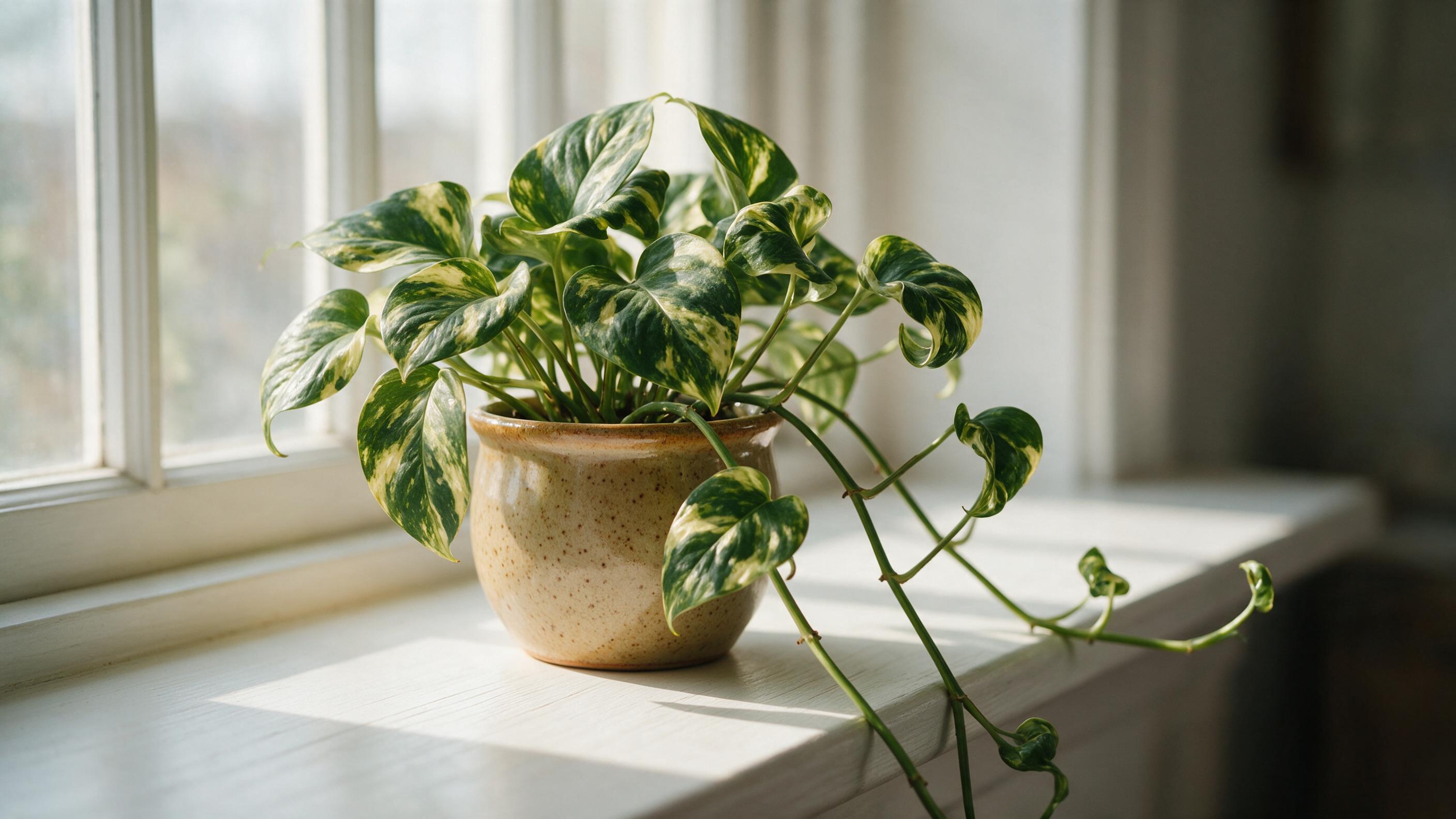
You glance over at your pothos and notice the leaves are curling inward, cupping up, or bending at the tips. It can catch you off guard, especially when this plant has a reputation for being nearly indestructible. The good news is that curling leaves are one of the earliest warning signals your pothos sends out—and catching it early means you can almost always fix it.
Pothos, known botanically as Epipremnum aureum, is a tropical vine native to the Solomon Islands that has become one of the most popular houseplants for low-light areas across the United States. It adapts well to indoor conditions, but that adaptability does not make it immune to stress. When something is off—water, light, temperature, nutrients, or pests—the leaves are the first place it shows up.
This guide walks you through every possible cause of curling leaves in pothos, how to diagnose exactly what is happening with your plant, and how to fix and prevent the problem going forward.
What Does It Mean When Your Pothos Leaves Are Curling?
Pothos leaves curl when the plant is stressed. This curling is the plant’s way of signaling that something is not right—whether that involves water, light, temperature, roots, or even the pot it is growing in.
When water is scarce, the plant loses turgor, which means that the cells become flaccid, because it is water that keeps them turgid. That loss of cell pressure causes the leaf to collapse inward. The same physical response can be triggered by several different underlying problems, which is why it is important to look at the full picture before jumping to a fix.
The direction and pattern of the curl can also give you clues. Leaves curling upward and cupping are often a humidity or heat response, while leaves curling downward at the tips sometimes point to overwatering or fertilizer salt buildup. If your pothos leaves are curling and reaching in the direction of the light, that is a sign the plant is not exposed to enough natural light.
Pro Tip: Check multiple clues at once—soil moisture, leaf color, curl direction, and location in your home. No single sign tells the whole story on its own.
Is Curling in Pothos Always a Sign of a Problem?
Not always—but it usually warrants a closer look. A healthy pothos should have glossy, sturdy, and almost straight heart-shaped leaves. They do tend to curl a bit at the very tip and have a slight natural curve, but pronounced curling is a different matter.
After you repot your pothos, it may go into shock, and leaves can curl for a few days or even a week. Curling shortly after transplanting usually signals transplant shock, and it typically fixes itself with time. Similarly, a brand-new plant adjusting to your home environment may show mild curling for the first week or two.
Whether it is a satin pothos, golden pothos, or neon variety, curling leaves are usually a sign that something is off—but it is almost always fixable. The key is identifying the specific cause so you apply the right solution rather than making the situation worse.
Watering Issues Causing Pothos Leaf Curling
Watering problems are the most common reason pothos leaves curl, and both too much and too little water produce similar symptoms—which makes this category especially tricky to diagnose.
Underwatering
If your pothos plant gets little to no water, the leaves will start curling in an attempt to preserve moisture. When the soil is consistently dry, the leaves curl inward as a survival mechanism to conserve moisture. They may also become dry, crispy, and brittle and turn yellow or brown, starting at the edges and gradually moving inward.
Check the moisture level of the soil by placing your index finger at least an inch below the surface. Water when the top one to two inches of soil feel dry, and do not let the plant sit in water. Like most houseplants, pothos require more water during summer than in winter, so make sure to adjust your watering schedule according to the weather conditions and the changing seasons.
Overwatering and Root Rot
Overwatering causes similar curling to underwatering. The reason is that damaged or rotting roots cannot absorb water, so the plant still acts thirsty. When there is excess water in the soil, it inhibits oxygen supply to the plant’s roots. Consequently, the roots start to rot, leading to a disruption in the supply of essential nutrients—water included—to the stems and leaves. The leaves respond by curling to retain the little water they have left, much the same way as when underwatered.
If you see your pothos leaves curling and there is mold or a foul smell in the soil, it could be root rot. Remove the plant carefully from the soil and check if any roots have become dark and mushy to identify how much damage has occurred.
You can avoid overwatering problems by placing your pothos in pots with drainage holes. If you do not have those, add a drainage tray to your pot. This allows excess water to drain from the soil before it reaches the roots.
Pro Tip: Confused about whether you are over- or underwatering? Check the soil two to three inches deep. Dry and dusty means thirsty; soggy and dense means you need to hold off and investigate the roots.
Light Conditions Behind Pothos Leaf Curling
Pothos prefer bright indirect light. If they sit in harsh sun, especially during hot afternoons, leaves may curl as a defense mechanism. Direct sun—even morning or late afternoon rays—causes rapid epidermal heating and photooxidative stress. Leaves respond by curling upward to minimize irradiance absorption. You will often see this paired with bleached patches, crispy margins, or faint yellow halos around the veins.
On the opposite end, too little light is also a culprit. Too much low light might force the plant’s leaves to curl as it tries to reach for some natural light. This is a common issue in apartments and offices where windows are limited. You can explore plant identification apps or grow-light guides to help you assess your indoor setup.
The fix depends on which direction the curl is pointing. If your pothos leaves are curling toward the light source, move the plant to a spot that is better lit. On the other hand, if they are curling away from the light source, move them to a spot that receives less direct light.
Position plants four to six feet from an east- or north-facing window, or six to eight feet from unobstructed south or west windows. Use sheer curtains or place the plant three to four feet away from a window to diffuse harsh rays without cutting off the light entirely.
Soil, Nutrients, and Root Health Causing Pothos Leaf Curling
Even when your watering and light are dialed in, what is happening below the soil surface can still cause leaves to curl. Soil quality, fertilizer habits, and root space all play a role.
Compacted or Hydrophobic Soil
Sometimes the problem is in the potting mix itself. If it is compacted, hydrophobic, or nutrient-poor, the roots cannot function well—and the leaves may curl. Compacted soil can suffocate roots, making it difficult for them to absorb water and nutrients. A good all-purpose fix is to repot into a mix of one part potting soil, one part coco coir, and one part perlite for excellent drainage and aeration.
Overfertilization and Salt Buildup
Excess soluble salts from synthetic fertilizers or hard tap water accumulate in the root zone, drawing water out of root cells via osmosis. This mimics drought stress—even in moist soil—and triggers curling, leaf tip burn, and marginal browning.
If your pothos leaves are curling downward at the tips and the leaves are changing to a darker shade of green, the most likely cause is too many fertilizer salts in the soil. Another way to identify if leaf curling has been caused by overfeeding is if the leaves are unusually small.
Fertilize every four to six weeks during spring and summer with a balanced, diluted liquid fertilizer. Avoid feeding in fall and winter when growth slows. If salt buildup has already occurred, leach the pot every two months by slowly pouring three to four times the pot’s volume of distilled or rainwater through the soil until it runs clear from the drainage holes.
Nutrient Deficiencies
Sometimes curling leaves can indicate a lack of nutrients. Pothos require a balance of essential nutrients to thrive, and deficiencies can lead to various issues, including curled leaves. A lack of potassium, magnesium, or calcium might be the culprit. Calcium deficiencies in particular can cause leaf curling.
Being Rootbound
After 12 to 18 months in the same pot, pothos roots can densely coil, reducing oxygen diffusion and water retention capacity. The plant cannot draw sufficient moisture despite regular watering—leading to chronic dehydration symptoms like curling, stunted growth, and pale new leaves.
If roots are circling or emerging from drainage holes, repot into a container one size larger with fresh, well-draining mix. A pot that is two inches larger than the root ball is a good measure. Learn more about caring for this plant in our full pothos houseplant guide.
Environmental Stress Triggering Pothos Leaf Curling
Your pothos is a tropical plant, and the conditions inside a typical American home—especially during winter heating season or summer air conditioning—can push it past its comfort zone.
Temperature Extremes
Pothos thrive in temperatures between 65–85°F (18–29°C). Anything below 59°F (15°C) or sudden drops in temperature can stress the plant. Leaves may begin to curl if exposed to temperatures above 85°F, which can cause significant stress.
Keep your plant away from cold drafts and AC vents. Avoid placing it near heaters or windows that get frosty. If your home gets chilly at night, move it to a warmer spot. Use an indoor thermometer with min/max tracking to identify unnoticed temperature dips—especially at night.
Low Humidity
Pothos thrive at 55–70% relative humidity. Below 40%, stomatal closure intensifies, triggering upward leaf curling and browning tips. This is especially pronounced in heated apartments where winter relative humidity often falls to 20–25%, and near HVAC vents or drafty windows.
Place a humidifier nearby, use a pebble tray, or group plants together. Aim for 40–60% relative humidity. You can also mist your pothos occasionally, but be careful not to overdo it, as this can lead to fungal issues.
Pro Tip: During winter in dry climates like the American Southwest or heated apartments in the Northeast, indoor humidity can drop dramatically. A small digital hygrometer placed near your plant is an inexpensive way to monitor conditions year-round.
Pests and Disease Leading to Pothos Leaf Curling
Common pests that affect pothos varieties include mealybugs, scale insects, and spider mites. These can eat away at the leaves and cause curling. Pests like aphids lead to curling and distortion of leaves as they suck the plant juices. Aphids also excrete a shiny, sticky sap called honeydew, which often attracts ants and leads to sooty mold. So if you have aphids, you will see these signs along with curling leaves.
Spider mites thrive in warm, dry conditions and feed on leaf undersides, piercing epidermal cells and sucking sap. Early signs include faint stippling, fine webbing near petioles, and subtle upward curling—often mistaken for environmental stress.
Common fungal and bacterial diseases that can cause pothos leaves to curl include leaf spot, root rot, and blight. Varying bacterial and fungal diseases can also induce curling in leaves.
For pest treatment, treat the plant with an appropriate insecticide or a natural remedy like neem oil. Wipe leaves with 70% isopropyl alcohol or apply insecticidal soap every five to seven days for three weeks to break pest life cycles. Keeping cats away from treated plants is also worth considering—see our guide on how to keep cats out of houseplants for practical tips.
How to Diagnose Why Your Pothos Leaves Are Curling
Before you take any action, work through a quick checklist to identify the root cause. Treating the wrong problem—like adding fertilizer when the real issue is root rot—can make things worse.
- Check the soil moisture first. Push your finger two to three inches into the soil. Bone dry means underwatering; soggy and dense may mean overwatering or root rot.
- Smell the soil. If there is mold or a foul smell in the soil alongside curling leaves, root rot is a likely cause.
- Observe the curl direction. If leaves are curling toward the light source, the plant needs more light. If they are curling away from it, the light is too intense.
- Inspect the undersides of leaves. Focus on the undersides of the leaves and the stems for tiny bugs, webbing, sticky residue, or stippling—all signs of pest activity.
- Look at the leaf color alongside the curl. Yellow plus curl often signals overwatering; brown crispy edges plus curl usually indicate underwatering or low humidity.
- Consider recent changes. Did you just repot, move the plant, change your watering schedule, or turn on the heat or AC? Timing often points directly to the cause.
- Check the roots. If only the leaf tips are curling down, it is a good sign—it shows that root rot is still in its early stages and you can save the plant.
You can also use a plant identification and care app to help cross-reference symptoms if you are still unsure after working through the checklist.
How to Fix a Pothos That Is Curling
Once you have identified the cause, here is how to address each one. Work through only the fix that matches your diagnosis—do not apply multiple interventions at once, as that makes it harder to know what worked.
| Cause | Fix | Timeline for Recovery |
|---|---|---|
| Underwatering | Water thoroughly until it drains from the bottom; let soil dry 1–2 inches between waterings | Leaves may recover within 24–48 hours |
| Overwatering / Root Rot | Remove plant, trim mushy roots, repot in fresh well-draining mix, withhold water for one week | Several weeks depending on root damage |
| Too Much Direct Light | Move 4–6 ft from window or filter with sheer curtain | New growth flat within 1–2 weeks |
| Too Little Light | Move closer to a bright window or add a grow light | Improvement in 1–2 weeks |
| Low Humidity | Use a pebble tray, humidifier, or group plants together; target 40–60% RH | Days to weeks |
| Temperature Stress | Move away from vents, drafts, and cold windows; keep at 65–85°F | Days once stable conditions are restored |
| Fertilizer Salt Buildup | Flush soil with 3–4x pot volume of distilled water; reduce fertilizing frequency | 1–2 weeks after flushing |
| Rootbound | Repot into a pot 1–2 inches larger with fresh aerated mix | 2–4 weeks post-repot |
| Pests | Apply insecticidal soap or neem oil every 5–7 days for 3 weeks | 3–4 weeks to clear infestation |
If some roots are still strong and light in color, leave them and cut only the rotten ones using scissors. Clean the pot thoroughly with mild soap and hot water, or use a new one. Discard the wet and moldy soil and add fresh potting mix to the container. Replant your pothos in the fresh mix and let it recover.
Mildly curled leaves may recover with proper care, but severely damaged leaves will not return to normal. Only trim leaves if they are damaged, yellow, or crispy. Otherwise, let them recover after you fix the issue.
If you are growing multiple varieties, keep in mind that different types respond slightly differently. Our guide to different types of pothos plants breaks down the unique traits of golden, satin, marble queen, neon, and other varieties.
How to Prevent Pothos Leaf Curling Going Forward
Prevention is mostly about building consistent habits and setting your plant up in the right spot from the start. Once you have fixed the current issue, these steps will help you avoid a repeat.
- Water on a soil-based schedule, not a calendar. Pothos needs watering only when the soil is completely dry. The easiest way to check is by inserting your finger into the soil about an inch deep. If it feels dry, it is the right time to water.
- Use room-temperature water. Leave the water in an open bowl or vessel for 30 minutes to bring it to room temperature and allow chlorine to disperse. This also reduces the risk of temperature shock to the roots.
- Choose the right pot and soil from the start. Always use a pot with drainage holes and a well-aerated mix. A mix of one part potting soil, one part coco coir, and one part perlite gives excellent drainage and moisture retention.
- Fertilize lightly during the growing season only. Fertilize every four to six weeks in spring and summer with a balanced houseplant fertilizer. Skip fall and winter entirely.
- Keep the plant away from vents and drafts. Make sure your pothos is not near any heater, source of heat, or air conditioning vent. These spots cause rapid humidity and temperature fluctuations.
- Inspect leaves regularly. Keep checking the leaves and stems of your plant, and check in particular under the leaves. Early detection of pests or stress makes treatment far easier.
- Repot proactively. Choose the right time for repotting, ideally during the growing season from spring to fall, when the plant is more resilient and better able to recover from stress.
- Rotate the pot regularly. Rotate the pot a quarter turn weekly to ensure even light exposure. This prevents one side from getting too much or too little light, which can cause uneven curling.
Pro Tip: Grouping your pothos with other tropical houseplants naturally raises the humidity around all of them. It is one of the easiest passive ways to keep humidity in the sweet spot without running a humidifier around the clock.
Pothos is one of the most forgiving types of plants you can grow indoors, and a few curling leaves are rarely cause for alarm. With the right diagnosis and a consistent care routine, most plants bounce back quickly. If you enjoy low-maintenance tropical plants, you might also like exploring different types of rubber plants or different types of aloe vera plants as companion houseplants with similarly easygoing care requirements.
FAQ
Why Are My Pothos Leaves Curling Inward?
The number one reason pothos leaves curl inward, especially in warm weather, is underwatering. When the plant does not get enough water, it starts conserving moisture—and curling leaves help reduce surface area to minimize water loss. Check the soil first before assuming another cause.
Why Are My Pothos Leaves Curling Downward?
If your pothos leaves are curling downward at the tips and changing to a darker shade of green, the most likely cause is too many fertilizer salts in the soil. Overwatering and root rot can also cause downward curling paired with yellowing and wilting.
Can Curled Pothos Leaves Go Back to Normal?
Some leaves may recover if the cause is fixed early. Severely curled or dried leaves will not go back to normal. Trim any leaves that are crispy or badly damaged to let the plant redirect energy toward healthy new growth.
How Often Should I Water My Pothos to Prevent Curling?
Water roughly once every seven to ten days, but always check the soil before watering. Your plant’s needs change with the seasons. In summer or in brighter spots, you may need to water more frequently; in winter or low-light areas, less often.
Can Low Humidity Cause Pothos Leaves to Curl?
Pothos tolerate average household humidity of 30–50% but thrive at 40–60%. Low humidity increases transpiration, causing leaf curl and browning tips, especially in heated or air-conditioned rooms. A pebble tray or small humidifier resolves this quickly.
What Pests Cause Pothos Leaves to Curl?
Pests such as aphids and spider mites suck sap from the leaves, causing them to curl. Others like mealybugs and scales can eat away at the leaves and cause curls. Check the undersides of leaves and along stems for early signs of infestation, and treat promptly with neem oil or insecticidal soap.
Is Root Rot the Most Serious Cause of Pothos Leaf Curling?
Root rot is the most serious of all causes; it usually comes with other symptoms and is difficult to treat. That said, if you catch it early—when only the leaf tips are curling and the rot has not spread through the entire root system—you can often save the plant by trimming affected roots and repotting in fresh soil.