Why Do My Rose Leaves Have Black Spots? Causes, Diagnosis, and Fixes

August 27, 2026
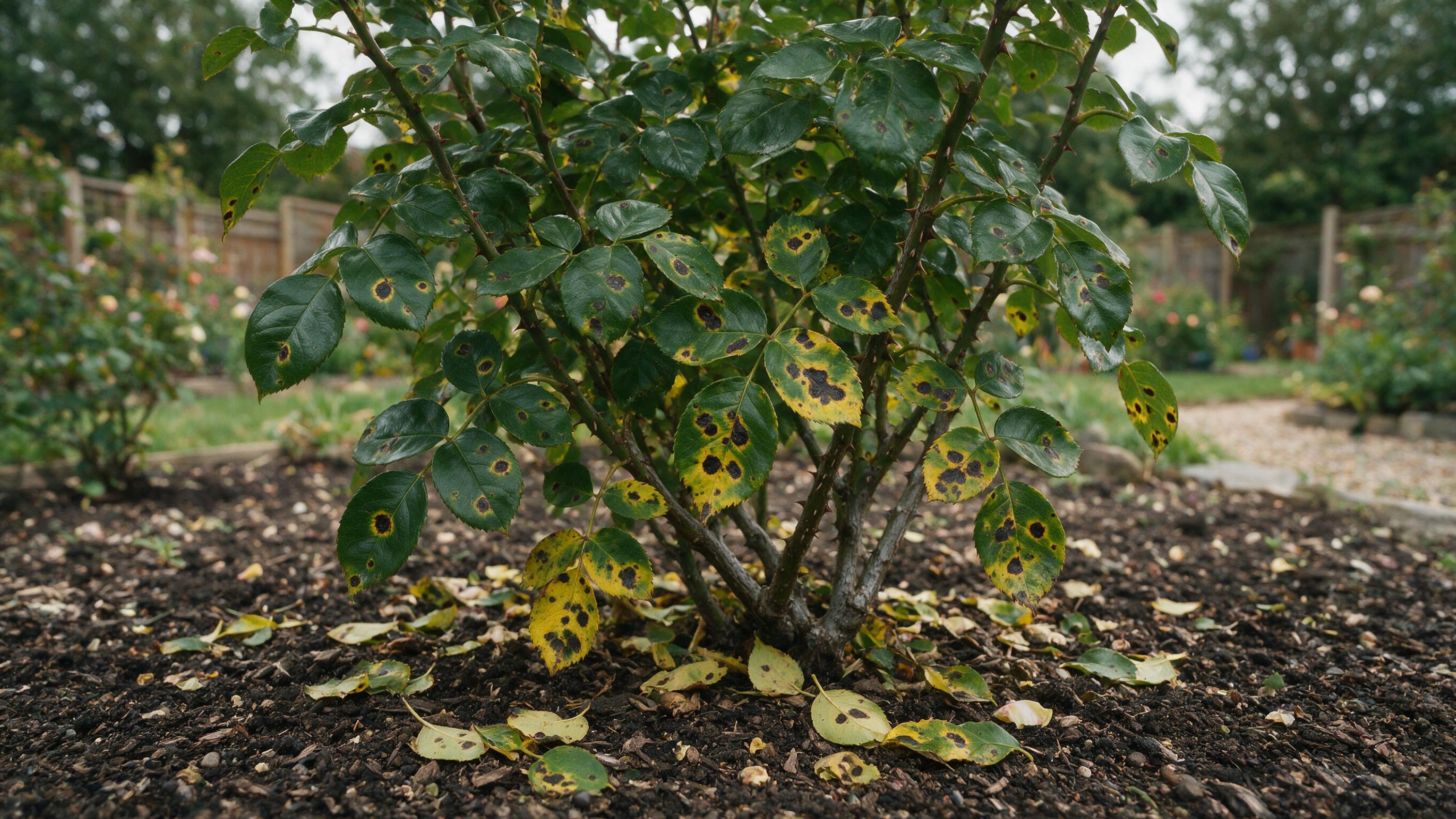
You walk out to check on your roses and notice dark, rounded spots spreading across the leaves — some surrounded by yellow halos, others causing whole leaves to drop to the ground. It is one of the most frustrating sights in any American garden, and you are definitely not alone in dealing with it.
Black spots on rose leaves are almost always a signal that something needs your attention, whether that is a fungal infection taking hold in wet weather, a watering habit that is wetting the foliage too often, or a soil issue quietly stressing the plant. The good news is that once you know what you are looking at, the fixes are straightforward. This guide walks you through every possible cause, a clear diagnosis method, and practical steps to get your roses looking healthy again.
What It Means When Your Rose Leaves Have Black Spots
Rose black spot is a fungal disease where purple or black spots develop on the leaves, which often drop early. It is considered the most serious disease of roses, caused by a fungus called Diplocarpon rosae, which infects the leaves and greatly reduces plant vigor.
The first signs are irregularly shaped spots up to half an inch in diameter, especially on the upper leaf surface. As the disease worsens, the leaves begin to yellow and eventually drop from the plant prematurely, usually beginning at the bottom and progressing upward.
That said, not every dark mark on a rose leaf is caused by the same fungus. Overwatering, poor soil nutrition, environmental stress, and certain pests can all create spots or discoloration that looks similar at a glance. Knowing how to tell them apart is the first step toward the right fix. If you want a broader look at how different plants show stress through their foliage, the guide to types of leaves is a helpful reference for understanding leaf anatomy and symptom patterns.
Is Black Spotting on Rose Leaves Always a Sign of a Problem?
In most cases, yes — black or dark spots on rose leaves are worth investigating. The majority of plant problems are not caused by a disease or an insect, especially if the plant has been in your landscape for less than two years. The presence of an insect or disease may not always be the root cause of the problem.
Sometimes pests will take advantage of damaged or declining plants, or the damage may have occurred well before you noticed it. It is okay to tolerate some plant damage. For example, many fungal leaf spots cause only cosmetic damage, and unsightly leaves can simply be pruned off the plant.
However, true black spot disease caused by Diplocarpon rosae is never something to ignore long-term. Black spot usually will not kill your plants during the first year or two, but if it continues unabated, it can weaken them, making them more susceptible to other diseases and less likely to survive harsh winters. A few cosmetic spots after a rainy week are different from a spreading infection that is stripping your plant bare.
Pro Tip: Check the location of the spots first. True black spot disease appears almost exclusively on the upper surface of leaves, never on the undersides. If you see spots mainly on the undersides, a different pathogen or pest is likely involved.
Watering Issues Causing Rose Leaf Black Spots
How and when you water your roses has a direct impact on whether black spot takes hold. Leaves are most susceptible when young and must remain moist overnight before infection can occur. The disease can be spread by rain, dew, irrigation, people, and insects.
The spores must be moist for several hours in order to develop into full-fledged black spot, which is why the disease is more prevalent in areas with high humidity. Rainfall, mist, fog, or even lawn sprinklers can provide sufficient moisture for black spot to thrive.
Overhead watering is one of the most common gardening habits that fuels black spot across the United States. It is best not to water plants with overhead irrigation, especially not in the late afternoon or early evening. Soaker hoses are an excellent way to water roses and conserve water. If you water in the evening and leave foliage wet overnight, you are essentially creating the perfect conditions for spores to germinate and spread.
Overwatering also stresses the root system, which indirectly weakens the plant’s ability to fight off disease. Some cases of iron or other micronutrient deficiency are caused by some factor that interferes with the availability or uptake from soil, rather than by an actual deficiency in the soil itself. These influences include high soil pH, poor soil aeration, overwatering, root-knot nematodes, extremes in temperatures, and over-fertilization.
Light Conditions Behind Rose Leaf Black Spots
Sunlight does more than fuel photosynthesis — it also dries foliage quickly after rain or irrigation, which is one of your best natural defenses against black spot. Sunlight helps dry moisture quickly, making it harder for spores to take hold.
Avoid planting roses where they will not receive at least 6 to 8 hours of full sun. Roses planted in shady spots or crowded beds stay wet longer after rain, giving Diplocarpon rosae exactly the conditions it needs to germinate and spread. Promoting rapid drying of leaves by planting roses in full sun and spacing new plants far enough apart to allow for good air circulation are both important preventive steps.
Environmental stresses, shady conditions, excessive lush growth from too much fertilizer, improper pruning, winter-kill, and pesticides are some possible reasons for poor flowering and overall plant decline. A rose growing in too much shade is not just less productive — it is also far more vulnerable to the fungal infections that cause black spots. If you are growing plants indoors or in lower-light conditions, the guide to the best houseplants for low-light areas can help you match the right plants to the right conditions.
Soil, Nutrients, and Root Health Causing Rose Leaf Black Spots
Soil health plays a supporting role in black spot susceptibility. A well-fed, properly rooted rose has far more resilience against fungal attack than one struggling in poor or imbalanced soil. Soil pH affects the availability of nutrients to plants. Roses grow best in slightly acidic soil with a pH between 6.0 and 6.5.
Nutrient deficiencies cause various symptoms such as interveinal chlorosis, vein yellowing, tip and marginal necrosis, and premature leaf drop. Many soils have low percentages of organic matter and the nitrogen reserve is typically low, so nitrogen must be added as organic or inorganic fertilizer. Micronutrient deficiencies, especially iron and zinc, appear as interveinal chlorosis of new leaves.
It is worth knowing that not all dark spotting comes from fungal disease. Whole leaf yellowing beginning with older leaves can be a sign of nitrogen deficiency, lack of fertilizer, or overwatering with poor drainage. Interveinal yellowing on new leaves with green veins can indicate an iron deficiency due to high soil pH. Interveinal yellowing on older leaves may point to a possible magnesium deficiency.
Good nutrition matters. Feeding your roses with a balanced, slow-release fertilizer keeps them strong throughout the season. A well-fed rose is a resilient rose. Avoid over-fertilizing with nitrogen, though — high rates of nitrogen fertilizer can increase problems with aphids and push soft, disease-prone growth. You can also explore companion planting strategies for ideas on how certain plants support each other’s health in the garden.
Pro Tip: Get a simple soil test before adjusting pH or adding fertilizer. Your local cooperative extension service often provides low-cost testing kits, and the results tell you exactly what your soil needs rather than guessing.
Environmental Stress Triggering Rose Leaf Black Spots
Weather and environmental conditions are major drivers of black spot outbreaks across the United States. The optimal conditions for disease development are 75–85°F and high relative humidity. This means late spring and early summer in most US regions — particularly the Southeast, Mid-Atlantic, and Pacific Northwest — are prime seasons for black spot to explode.
Heatwaves and high summer temperatures can lead to dehydration and sun scorch. Look for brown, crispy patches on the foliage and exposed bud tips. These heat-stress symptoms can sometimes be confused with disease, so context matters. If temperatures have been extreme and the spots appear scorched rather than ringed with yellow, heat damage is a more likely culprit.
Late cold snaps can damage new growth. Look for blackened wood and prune back to a healthy bud. Frost-damaged tissue turns black quickly and can look alarming, but it is a physical injury rather than a spreading infection. Strong winds can also cause tattered leaves and desiccated buds that may develop dark edges as the tissue dies.
The fungus infects leaves in the spring and reduces the plant’s vigor throughout the growing season, causing them to be more susceptible to winter damage and other stressors. This is why managing black spot early in the season matters so much — a plant that loses half its leaves by July enters fall in a weakened state.
Pests and Disease Leading to Rose Leaf Black Spots
While Diplocarpon rosae is the most common cause of black spots on roses, several other pathogens and pests can produce similar-looking symptoms. Knowing the differences helps you choose the right treatment.
Downy Mildew
Downy mildew, caused by the oomycete Peronospora sparsa, requires a narrow range of temperature and humidity to thrive. Angular purple, red, or brown spots appear between veins on leaves, which then become yellow and drop. Sometimes, downy mildew may produce pale, felty patches of fruiting bodies on the undersides of leaves, helping to distinguish it from powdery mildew.
Rose Mosaic Virus
Rose mosaic virus has no cure or treatment once caught. Remove and dispose of plants immediately. Rose mosaic can be caused by several different viruses forming discolored or mottled leaves and blossoms, and it can stunt growth and inhibit flowering.
Aphids and Spider Mites
Aphids prefer to feed on tender new plant growth and are typically found in groups on newly emerging buds and leaves beginning in the spring. High rates of nitrogen fertilizer can increase aphid problems. Their feeding on roses may cause the weakening of buds, leaf distortion, and reduction in the aesthetic value of the flowers. Spider mites cause a different pattern: mottled yellow and stippling on the upper leaf surface with fine webbing on the underside is an indication of spider mites, which can worsen with drought or extreme heat.
For help identifying what is living on your plants, the best iPhone apps for identifying plants can also assist with pest and disease recognition in the field. You may also want to review how to protect your plants from physical damage if pets are disturbing the soil or foliage around your roses.
| Cause | Spot Appearance | Location on Leaf | Other Clues |
|---|---|---|---|
| Black Spot Fungus | Round, black, feathery edges, yellow halo | Upper surface only | Starts on lower leaves, spreads upward |
| Downy Mildew | Angular purple/brown spots between veins | Upper surface, felty patches below | Rapid leaf drop, worse in cool/humid conditions |
| Frost Damage | Blackened, sunken, irregular | Tips and new growth | Follows a cold snap, no spreading |
| Spider Mites | Fine stippling/mottling | Upper surface | Fine webbing on leaf underside |
| Nutrient Deficiency | Yellowing, not typically black spots | Whole leaf or interveinal | Pattern varies by nutrient; no spreading |
How to Diagnose Why Your Rose Leaves Have Black Spots
A systematic look at your plant takes the guesswork out of diagnosis. Signs of underlying issues with roses often manifest on the leaves. The problem lies within the pattern. Look closely, and you should be able to identify and troubleshoot effectively.
Work through these steps before reaching for any treatment:
- Check spot location. Unlike some common fungal diseases, black spot only appears on the topsides of leaves and stems, never on the undersides of leaves. If spots are on the undersides, consider downy mildew or pests instead.
- Look at the edges. Black spot disease starts as fuzzy-edged spots on rose leaves. Crisp, well-defined edges suggest physical damage or a different pathogen.
- Note where on the plant it started. Black spot symptoms appear as dark lesions with feathery margins. Early spring infections often begin on the older lower leaves and progress to the newer growth near the top of the plant.
- Review your watering history. Has the foliage been wet overnight recently? Have you had heavy rain, fog, or high humidity? Spores are splashed onto leaves and cause infection when provided with seven hours of moisture and optimal temperatures ranging between 75–85°F with high relative humidity.
- Check for webbing or insects. Use a hand lens to look at both sides of affected leaves. Use a hand lens to check for fungal spores that are too tiny to be seen by the naked eye. Visible insects, webbing, or larvae point toward a pest problem rather than a fungal one.
- Consider recent weather events. A cold snap, heatwave, or strong windstorm can cause blackened or scorched tissue that is not infectious and will not spread.
Key Insight: If you are still unsure after your own inspection, your local cooperative extension office can identify the pathogen from a leaf sample. University extension programs across the US offer this service, often at no cost or for a small fee.
How to Fix a Rose Plant That Has Black Spots
Once you have confirmed black spot fungus, act quickly. Once you see the telltale signs of black spot, you cannot reverse the disease, but you can stop it from spreading to new leaves. The goal of treatment is protecting healthy tissue and reducing the spore load in your garden.
Remove Infected Material First
When black spot makes an appearance, remove the affected leaves and prune out any infected stems. Be thorough in collecting fallen leaves and old debris — do not toss them into your compost heap because that just gives the fungus the opportunity to return to your plants next season. Instead, bag them or add them to green waste for disposal.
Disinfect Your Pruning Tools
Disinfect pruning tools between cuts by treating them for at least 30 seconds with 70% alcohol (preferable for metal tools) or a 10% bleach solution. Rubbing alcohol and spray disinfectants often contain approximately 70% alcohol. If you use bleach, rinse tools thoroughly and oil them after pruning to prevent rusting.
Apply a Fungicide
Select one of the following fungicide sprays if the disease is severe enough to warrant control: chlorothalonil, mancozeb, myclobutanil, propiconazole, or copper fungicides. For those who prefer organic options, fungicides containing chlorothalonil, copper sulfate, and myclobutanil can be highly effective in controlling black spot. Neem oil is another organic product that has been shown to provide some black spot control. Treat every seven to 14 days from bud break until wet weather subsides.
Rotate Active Ingredients
Do not use the same active ingredient for all treatments. Instead, alternate the use of at least two active ingredients — particularly if you decide to use myclobutanil — to help minimize problems with fungicide resistance.
Support the Plant’s Recovery
Foliar feeds, liquid seaweed, or rose tonics can encourage the plant to regrow lost leaves and maintain vigor, though they are not a cure for black spot. Keeping the plant well-fed and well-watered at the root level gives it the best chance of pushing out healthy new growth. For context on how natural products can support plant and home health, see the benefits of raw honey — a reminder that natural remedies often work best as part of a broader care routine rather than standalone cures.
How to Prevent Rose Leaf Black Spots Going Forward
Prevention is far easier than treatment. Black spot can be difficult to control once it is established. The best defense is early, consistent care. Build these habits into your regular rose care routine and you will dramatically reduce the chances of a repeat outbreak.
- Water at the base, not overhead. Water roses at the base using a soaker or drip hose to minimize wetting of leaves.
- Water in the morning. If using overhead watering, do it early in the day so leaves can dry before nightfall.
- Prune for airflow. Prune roses to promote airflow. Thin out and space canes to open up the center of the shrub. This helps the leaves dry quickly after rain to reduce disease pressure.
- Start fungicide sprays early. Start preventive treatments at what is known as “bud break” in early spring — the point when the small buds along rose canes begin to swell and come out of dormancy.
- Clean up fallen leaves. The fungus spends the winter on fallen leaves and also in dormant infections on young stems and buds, producing spores in the spring to infect young foliage. Rake and dispose of all fallen leaves, especially in autumn.
- Replace old mulch. Remove old mulch and replace it with a fresh layer in the spring to minimize problems with overwintering pests and pathogens.
- Choose resistant varieties. The hybrid shrub rose Carefree Delight, rugosa rose varieties such as Blanc Double De Coubert, and roses in the Knockout series all have excellent resistance to black spot. If you are planting new roses, disease resistance should be near the top of your checklist.
- Inspect new plants before buying. Inspect new rose shrubs for rose diseases before buying. Avoid bringing a diseased rose plant onto your site.
Planting companion plants alongside roses not only adds beauty but also gently increases the space between them, helping to slow the spread of black spot. Explore the types of plants that work well in mixed garden beds for ideas on building a healthier, more diverse planting scheme around your roses.
Important Note: Fungicide sprays protect healthy tissue but do not cure already-infected leaves. Consistent application from early spring through the growing season is what keeps new growth clean — not a single emergency spray after symptoms appear.
FAQ
Can black spot on roses spread to other plants?
All species of roses — including Hulthemia, Hesperrhodos, Platyrhodon, and Rosa — are affected by black spot disease. The fungus is specific to roses and does not infect unrelated plants in your garden, so your other flowers and shrubs are not at risk. However, it can spread rapidly from one rose bush to another through splashing water and wind-borne spores.
How fast does black spot spread?
If temperatures are warm following infection, symptoms may become visible in as few as three days. New spores can form in as few as 10 days after infection. Under some conditions, the fungus can infect a plant, begin producing new spores, and spread to other leaves within two weeks.
Should I cut off all the spotted leaves?
Yes — removing infected leaves promptly reduces the number of spores available to spread. Dispose of diseased foliage as soon as you notice symptoms to prevent spread. Prune back infected canes and discard any visibly affected stems to reduce fungal buildup. Do not compost this material.
Will my rose recover after losing all its leaves?
If left unchecked, the loss of leaves can weaken your plants and inhibit bloom development. Black spot usually will not kill your plants during the first year or two. With prompt treatment, good watering practices, and nutritional support, most roses will push out new growth. Severely defoliated plants may produce fewer blooms that season but can recover fully with consistent care.
Is neem oil effective against rose black spot?
Fungicides containing chlorothalonil, copper sulfate, and myclobutanil can be highly effective in controlling black spot. Neem oil is another organic product that has been shown to provide some black spot control. Neem oil works best as a preventive or at the very first sign of disease, applied on a dry day according to label directions. It is less effective once the disease is well established.
What is the difference between black spot and downy mildew on roses?
Black spot only appears on the topsides of leaves and stems, never on the undersides of leaves. Downy mildew produces angular purple, red, or brown spots between veins on leaves, and may produce pale, felty patches of fruiting bodies on the undersides of leaves — a key distinguishing feature. If you see spots on leaf undersides, downy mildew or another pathogen is more likely than classic black spot. You can also use the best plant identification apps to help confirm what you are seeing.
Can I use baking soda to treat black spot on roses?
Baking soda mixed with horticultural oil is listed by the Clemson University Home and Garden Information Center
as one of the fungicide options for home gardeners. It works by altering the pH on the leaf surface to make it less hospitable to the fungus. It is not as reliable as registered fungicides but can be a useful part of an organic management program when applied consistently. For more on growing and caring for different plant varieties, see the guide to aloe vera plant types and the types of spider plants for examples of how plant variety selection shapes care needs.