Why Are My Rose Buds Not Opening? Causes, Fixes, and Prevention Tips

August 31, 2026
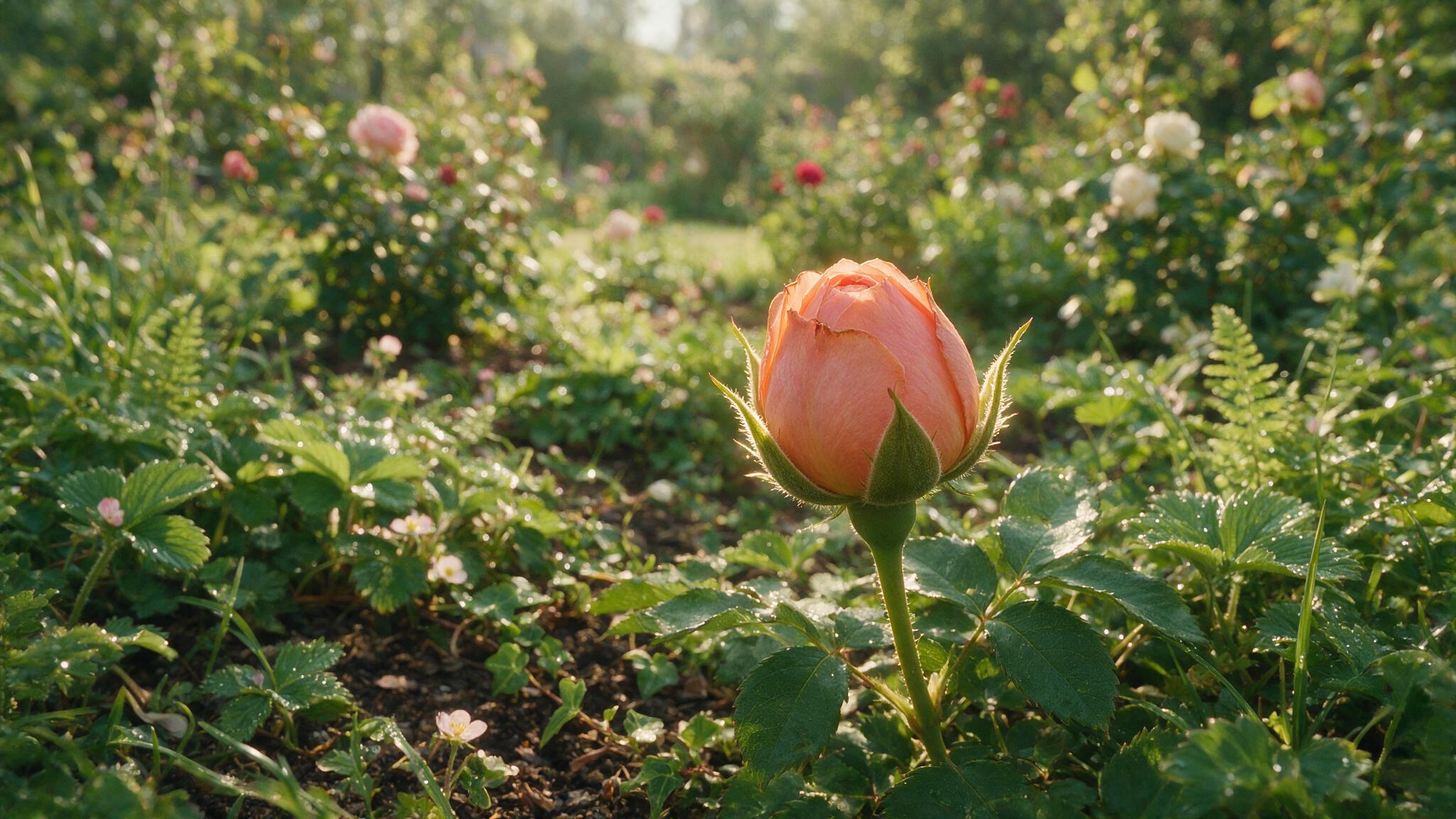
You have done everything right — watered on schedule, fertilized through the season, watched tight green buds swell with promise — and then nothing. The buds just sit there, stubbornly closed, slowly browning at the edges, or dropping off before a single petal ever unfurls. If you are growing roses in the United States and running into this frustrating wall, you are far from alone.
Rose buds failing to open is one of the most common complaints among home gardeners, and the good news is that most causes are identifiable and fixable once you know what to look for. This guide walks you through every major reason your rose buds may be stalling — and exactly what to do about each one.
What Does It Mean When Your Rose Buds Are Not Opening?
When a rose bud fails to open, it describes a condition where the bud forms normally but stops developing before fully blooming. The bud stays tight, turns brown or mushy at the edges, or dries out completely — never reaching the open flower stage. This is different from a bud that simply hasn’t had time to open yet.
Roses (Rosa spp.) are among the most cultivated flowering plants in American gardens, and their blooming behavior is sensitive to a surprising range of variables. Whether your rose buds are not blooming, not opening fully, stuck closed, or drying before they open, the underlying cause is usually one of five specific issues — and each leaves a different mark on the plant that needs a different response.
One of the most well-known culprits is a phenomenon called “balling.” Rose balling normally happens when a rosebud forms naturally and begins to open, but once the new swollen bud gets rained on, soaking the outer petals, and then subsequently dries too quickly in the sun’s heat, the petals fuse together. This fusion does not allow the petals to unfurl like they normally would, resulting in rosebuds dying before opening or failing to open at all.
But balling is only one explanation. Watering habits, light exposure, soil nutrition, temperature extremes, pests, and fungal disease can all stop a bud in its tracks. Identifying the right cause before reaching for a fix is the most important step you can take.
Is Rose Buds Not Opening Always a Sign of a Problem?
Not always. Some rose varieties are naturally slow to open, especially in cooler weather. Temperature has a significant effect on the opening of rose buds. In the warm late spring season, roses may take only about 35 days from pruning to blooming, while in early spring or late fall when temperatures are cooler, the process may take 40 to 60 days.
If external factors are eliminated and the rose buds still cannot open, it may be due to the characteristics of the variety itself. Some rose varieties are naturally difficult to fully open, and their buds usually remain half-open, giving them a distinctive look. If you recently planted a new cultivar and its buds are consistently cupped or partially closed, check the variety’s description before assuming something is wrong.
Balling is strongly linked to petal count. Roses with more than 40 petals — a threshold common in Centifolia, Bourbon, and many English rose varieties — are significantly more prone to balling than varieties with under 25 petals. So if you grow a full, lush old-garden rose and live in a region with wet springs, some bud stalling during rainy stretches may simply be the nature of that plant.
Pro Tip: Before diagnosing a problem, check whether the issue affects all buds on the plant or only some. Uniform stalling across the whole bush usually points to a systemic issue like nutrients or light, while isolated buds that fail often suggest pests or localized disease.
Watering Issues Causing Rose Buds Not to Open
Water is one of the most direct levers in rose bud development, and both too much and too little can prevent buds from opening. Overwatering or underwatering can both lead to bud problems. Overwatering can cause root rot, while underwatering can cause the buds to shrivel and dry up.
Roses need deep, infrequent watering — not light daily watering. In temperate climates, water two to three times per week in dry conditions. Shallow, frequent watering encourages surface roots that can’t sustain the plant through hot, dry spells — exactly when buds are most vulnerable.
How you water matters just as much as how often. Water plants in the evening, avoiding hot, sunny conditions, and always direct water at the base of plants rather than the foliage and flowers. Splashing water directly onto buds is one of the most common triggers for flower balling, because it saturates the outer petals before they have a chance to dry properly.
Deep watering early in the morning, letting moisture reach 25 to 30 centimeters (about 10 to 12 inches) deep, provides even hydration that prevents the inner petals from drying mid-formation. If you are growing roses in containers, be especially consistent — potted roses experience more bud problems because nutrients leach out of the soil faster.
Light Conditions Behind Rose Buds Not Opening
Roses are sun-hungry plants, and inadequate light is a frequently overlooked reason buds stall. Roses need five to six hours of direct sun daily to complete the blooming process. When that threshold isn’t met, the plant simply doesn’t have the energy to push buds through to full flower.
Roses are very light-loving plants. If it is cloudy or rainy for a long time, or if they are placed indoors where there is a lack of light, the growth of roses will be weakened, and the opening of flower buds will be significantly slowed down, which may even lead to the wilting of flower buds before they open.
Shady conditions, excessive rain, and cool temperatures are also to blame for bud stalling, particularly in Pacific Northwest gardens, the upper Midwest, and New England — regions where overcast spring and fall weather is common. If your rose is planted near a fence, under a tree canopy, or on the north side of your home, insufficient light may be the core issue.
The fix depends on your setup. If possible, relocate your rose bush to a sunnier spot. If this isn’t an option, consider pruning surrounding trees or shrubs to allow more light to reach your roses. For potted roses, simply moving the container to a south- or east-facing position during the growing season can make a measurable difference. You can also explore our guide to best houseplants for low-light areas to understand which plants are better suited if your garden space is consistently shaded.
Soil, Nutrients, and Root Health Causing Rose Buds Not to Open
Nutrient balance plays a direct role in whether rose buds develop through to full bloom. Roses need potassium to move sugars into developing petals. Without it, buds stay tight or brown at the tips. Calcium strengthens cell walls, allowing petals to unfurl smoothly.
Roses prefer a slightly acidic soil pH. Rosebuds are temperamental about soil pH — they prefer a pH of 6 to 6.5. When soil pH drifts too high or too low, nutrient uptake becomes impaired even if fertilizer has been applied, because the roots simply cannot access what’s in the ground.
Too much nitrogen drives leafy growth but delays flower maturity. Many gardeners make the mistake of applying a high-nitrogen general-purpose fertilizer when buds are forming, which redirects the plant’s energy into producing more foliage rather than opening flowers. Switch to a fertilizer higher in phosphorus and potassium once buds appear.
Nutrient deficiency is also an important factor when a rose variety produces a large number of buds — a branch may produce seven or eight or even a dozen buds. If you don’t thin the buds or fertilize in time, it may lead to insufficient nutrients and the buds can’t open normally. Thinning to the strongest two or three buds per stem concentrates the plant’s resources where they matter most.
Pro Tip: Test your soil pH before adding amendments. A simple home test kit from any garden center will tell you whether you need to lower pH with sulfur or raise it with lime — saving you from fertilizing a problem that fertilizer alone won’t fix.
Environmental Stress Triggering Rose Buds Not to Open
American gardeners in the South and Southwest face a particular challenge: intense summer heat. Heat stress causes rose buds to dry out and drop before opening once temperatures exceed 95°F (35°C) for three or more consecutive days. When this happens, petals inside the bud desiccate before the bud has a chance to open, leaving you with a tight, papery shell that never unfurls.
Sudden temperature spikes or dry winds cause petals to dry inside the bud before they can open. This is especially common in hot, arid states like Arizona, Nevada, and Texas during midsummer. In these climates, deep early-morning watering, organic mulch, and 30 to 40 percent shade cloth are the three primary fixes.
On the other end of the spectrum, cold snaps after buds have formed can also cause stalling. Your flowers might have faced a particularly cold winter, or had too much — or too little — exposure to heat and sunlight. Late frosts in the Midwest and Mountain West can catch early-season rose buds just as they begin to swell, damaging the delicate developing tissue inside.
For gardeners in USDA zones 9 through 11 dealing with intense afternoon sun, planting on east-facing beds limits afternoon sun exposure and gives buds the gentler morning light they need without the scorching afternoon heat. Pairing roses with drought-tolerant companion plants can also help moderate soil temperature and moisture. See our list of drought-tolerant plants in Florida for ideas suited to hot, humid climates.
Pests and Disease Leading to Rose Buds Not Opening
Two culprits dominate when it comes to pest and disease-related bud failure: thrips and botrytis blight. Knowing which one you are dealing with changes everything about how you respond.
Thrips are tiny, elongated insects that feed inside developing buds. Buds do not open, or flowers are deformed. Petals have brownish-yellow streaks and small dark spots or bumps. White and pastel roses are particularly susceptible. Thrips are tiny orange insects with elongated bodies. Because they feed inside the bud, you often won’t see them until you gently peel back an outer petal. If petals appear brown inside, lightly spray with neem or horticultural oil at dusk to stop thrips without harming pollinators.
Botrytis blight, caused by the fungus Botrytis cinerea, is the other major disease villain. Infected tissues are usually covered with a fuzzy, gray-brown growth. Infected flower buds may not open, and can show sunken, smooth, grayish spots on the bud and flower stem. Sunken, dead areas may develop on the canes. Infection is worst during cool, wet weather.
Botrytis blight is most common on white and pink roses during wet weather. It thrives in the cool, damp springs common across the Pacific Northwest, the Great Lakes region, and the Mid-Atlantic states. During the growing season, the disease affects rose buds and petals — you may see spotted flower petals or the tips and edges of the petals turn soft and brown. The spots are caused by the plant’s reaction to the invasion of the fungus where the petal has been damp. Other times, the flowers simply fail to open, or result in a shattered mess of brown petals.
Aphids are another common pest to watch for. Aphids are tiny insects that suck sap from buds and leaves, stunting their growth. A strong spray of water from a hose can dislodge small infestations, while insecticidal soap handles heavier ones. For more on managing pests around your garden, our article on plants that repel snakes and plants that repel cats covers how companion planting can reduce unwanted visitors in the garden.
Important Note: Botrytis blight and flower balling can look similar from a distance — both produce closed, browning buds. The key difference: botrytis buds feel mushy and show fuzzy gray growth on the tissue, while balled buds feel papery and firm. Never peel open a botrytis-infected bud, as this can spread spores to healthy blooms nearby.
How to Diagnose Why Your Rose Is Not Opening
Accurate diagnosis before treatment is the step most gardeners skip — and it’s the reason the same problem keeps coming back season after season. Work through this checklist before reaching for any product.
- Check bud texture: Mushy texture points to botrytis, papery texture to balling, and dried-out texture to heat or drought stress.
- Look for insects: Peel back an outer petal and look for thrips — tiny, elongated orange insects — or check the undersides of nearby leaves for aphid colonies.
- Check soil moisture: Push a finger two to four inches into the soil near the root zone. It should feel consistently moist, not soggy or bone dry.
- Review recent weather: Has there been heavy rain followed by hot sun? That’s the classic setup for flower balling. Has it been over 95°F for several days? Heat stress is likely.
- Count daily sunlight hours: Observe how much direct sun the plant receives. Less than five to six hours is a red flag.
- Examine the stems: Stems below the bud that start turning pale green and then brown suggest fungal disease spreading and taking hold.
- Assess your fertilizer history: Have you applied a high-nitrogen fertilizer recently? That can redirect energy away from bud development.
Plant identification apps can also help you cross-reference symptoms with known rose diseases. Our roundup of the best iPhone apps for identifying plants and best Android apps for identifying plants includes several tools that work well for diagnosing plant problems in the field.
How to Fix a Rose That Is Not Opening
Once you have identified the cause, apply the targeted fix below. Treating the wrong problem wastes time and can make things worse.
For flower balling: If the balling condition is spotted soon enough, the outer fused petals can be carefully separated away such that the bloom may continue to open as it naturally would. This peeling method only works for balling — not fungal disease. You would make a fungal problem worse doing the same thing. For buds that are already too far gone, remove them cleanly and allow new buds to form.
For botrytis blight: Remove all infected portions of the plant as soon as the first symptoms appear. This reduces spread of the disease. Clean up and destroy all dead plant materials. Mancozeb is a fungicide that will help prevent an attack of botrytis blight, though some copper fungicides are effective as well. According to Pacific Northwest Pest Management Handbooks , maintaining a relatively dry environment and keeping greenhouse or garden humidity below 90% is also a key management step.
For thrips: Spray with neem oil or horticultural oil at dusk to avoid harming bees. For heavy infestations, encouraging natural predators of thrips and, if the infestation is severe, spraying weekly with insecticidal soap or a pyrethrin-based product is an effective organic approach recommended by horticultural guides.
For heat stress: Use light shade cloth on very hot afternoons. Protecting buds from scorching keeps petal cells hydrated until bloom. Mulch the root zone with three inches of organic material to retain soil moisture and moderate ground temperature.
For nutrient deficiency: Apply a balanced rose fertilizer with higher phosphorus and potassium ratios once buds begin forming. Fertilize in time to make sure the rose gets enough nutrients. If there are too many flower buds, thin the buds and cut off some smaller ones so that the nutrients can be supplied to the main buds.
For light deficiency: Make sure the rose receives plenty of light every day. If it is cloudy or rainy, try to move the potted plant to a brightly lit location and avoid leaving it in a dark environment for a long time. For in-ground roses, trim overhanging branches to open the canopy above the plant.
How to Prevent Rose Buds Not Opening Going Forward
Prevention is far more effective than treatment, and most of the strategies overlap — improving air circulation, watering correctly, and planting in the right spot solve multiple problems at once.
Choose the right variety for your climate. Heat-tolerant varieties like ‘Mr. Lincoln’, ‘Folklore’, and ‘Queen Elizabeth’ perform well in hot climates. In USDA zones 9 through 11, plant on east-facing beds to limit afternoon sun exposure. If you live in a wet climate like the Pacific Northwest or upper Midwest, choose modern cultivars with fewer petals, which are less prone to balling.
Space and prune for airflow. Thinning or pruning rose bushes so that there is good air movement through and around the plant may help. When originally planting roses, pay attention to the spacing of the bushes so that the foliage does not become too dense. According to the Royal Horticultural Society , good air circulation is crucial to dry the buds quickly. When planting roses, choose an open site, but not an exposed one.
Water at the base, not overhead. Be careful not to trigger balling by splashing water onto the buds when watering your roses. Drip irrigation or a soaker hose keeps moisture at root level where it belongs and leaves foliage and buds dry.
Practice good sanitation. Remove and dispose of fallen leaves and petals. Prune out infested canes, buds, and flowers. Leaving diseased debris on the ground gives botrytis spores a place to overwinter and re-infect the plant the following season.
Remove balled or diseased buds promptly. Remove balled buds promptly before grey mould sets in, as it can infect other blooms or nearby plants and cause dieback of stems. If damaged buds aren’t removed, there’s a risk that grey mould may develop and cause the stems to die back. If this happens, prune back shoots to healthy growth.
Healthy, well-spaced roses in full sun with consistent watering and balanced nutrition are naturally resistant to most of the causes discussed in this guide. Pairing your roses with deer-tolerant companion plants or exploring companion planting strategies can also help create a more balanced, resilient garden ecosystem overall. For a broader look at your planting options, our guide to types of plants is a helpful starting point.
FAQ
Why are my rose buds turning brown before they open?
Brown buds before opening usually point to one of three causes: botrytis blight (mushy, with gray fuzz on the tissue), heat or drought stress (papery and dried out), or thrips damage (brownish-yellow streaks inside the petals). Botrytis blight is a common culprit and is most common on white and pink roses during wet weather. Sanitation is your best control.
Can I force a rose bud open by hand?
Forcing tight buds open damages the petals. Focus on hydration and nutrient balance to let them open naturally. The one exception is flower balling — where the outer petals have physically fused — in which case gently peeling the outermost petals by hand can rescue the bloom. Never do this if you suspect botrytis, as it spreads spores.
Why does only one rose bush have buds that won’t open while others bloom fine?
It is possible that the rose has a problem with insects like thrips, which can cause buds not to open. If you see tunneling in the buds (holes in the petals), it could be caused by beetles. There is also a possibility that a disease is causing the problem. Check that specific bush for pest activity, inspect its sun exposure and spacing, and compare its watering conditions to the healthy bushes nearby.
Does rose variety affect whether buds open?
Yes, significantly. The balling phenomenon is most common in heavily double-flowered rose blooms — those with many petals. It is also more problematic in varieties that have well-defined cup shaping to the individual petals. If your variety is known for full, cupped blooms and you live in a wet climate, balling during rainy stretches may simply be a characteristic of that rose.
How long does it take for a rose bud to open after it forms?
From pruning to blooming, roses usually take 50 to 60 days in the spring and fall, and only 30 to 40 days in the summer. If your buds have been sitting closed well beyond that window, an environmental or disease issue is worth investigating.
Is there a chemical treatment for flower balling?
There are no chemical treatments for the balling disorder itself. Prevention through proper spacing, pruning for airflow, and avoiding overhead watering are the only reliable controls. Fungicides like mancozeb address botrytis blight, which is a separate (though related) issue.