Why Is My ZZ Plant Not Growing? Causes and Fixes Explained

September 21, 2026
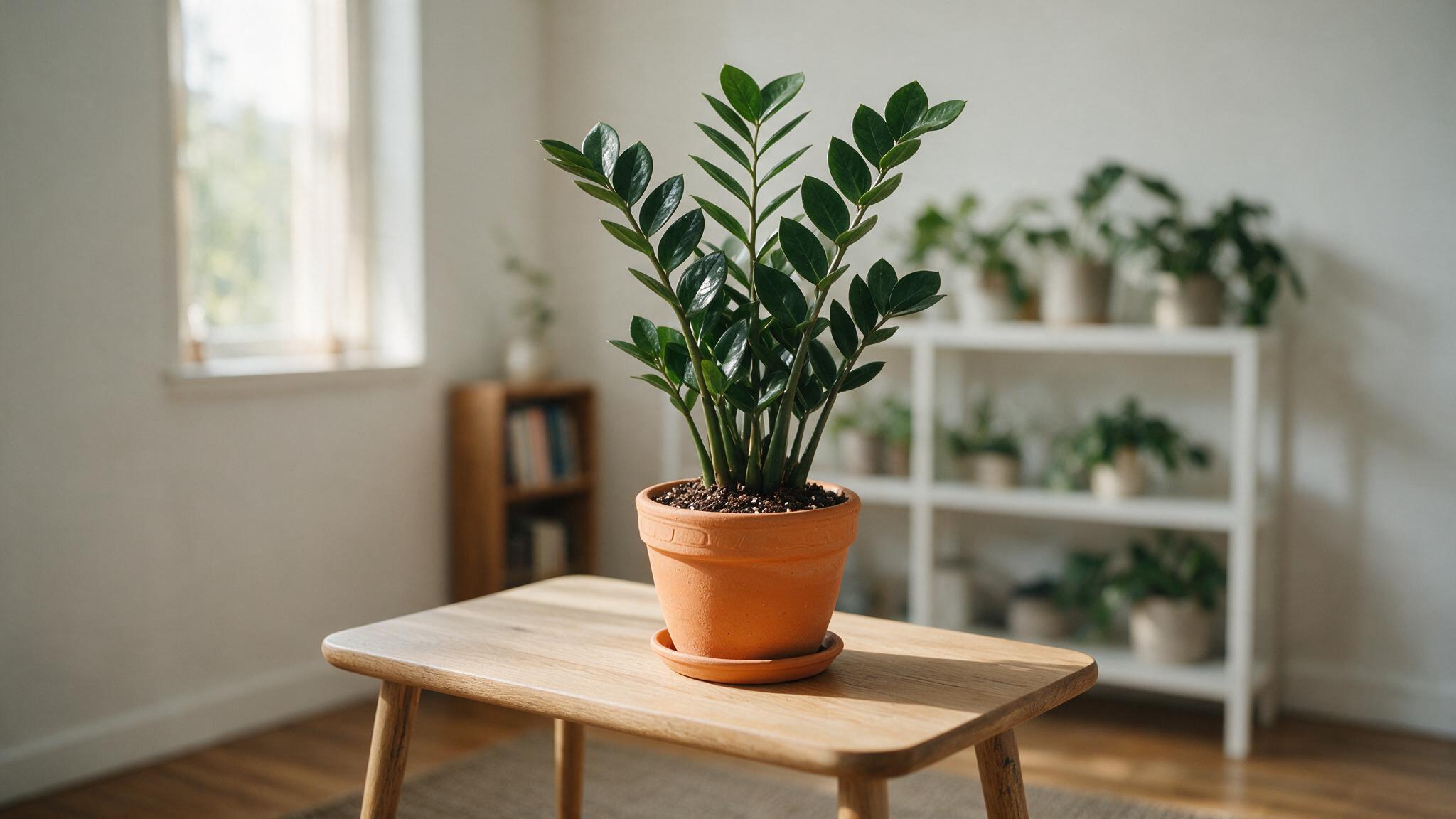
You bought your ZZ plant because everyone said it was practically indestructible — and now it’s just sitting there, looking perfectly fine but refusing to put out a single new stem. Sound familiar? You’re not alone. Some plant owners report that their ZZ hasn’t grown at all since they bought it — six months ago. The good news is that slow or stalled growth is almost always fixable once you understand what’s actually going on.
The ZZ plant (Zamioculcas zamiifolia) is a tropical perennial native to Eastern Africa, from Kenya to South Africa, where it grows in the arid, open woodland forests of the savannah. That origin story explains a lot about its behavior indoors. ZZ plants owe their drought tolerance to their potato-like rhizomes that are adept at water storage and their succulent leaves that contain 91% water. Understanding this biology is the key to understanding why yours might not be growing.
This guide walks you through every common cause of a ZZ plant not growing — and exactly what to do about each one, whether you’re a first-time plant parent in a dim apartment or an experienced grower troubleshooting a stubborn specimen.
What Does It Mean When Your ZZ Plant Is Not Growing?
Before assuming something is wrong, it helps to know what “normal” growth actually looks like for this plant. The ZZ plant is slow to grow. It may take a few years for your plant to grow a few feet. That’s not a problem — that’s just its nature.
ZZ plants aren’t really fast growers. A plant of average size probably won’t put out more than two or three new stems per year, and they tend to occur in spurts rather than steadily throughout the year. So perhaps that spurt just hasn’t happened yet.
That said, there’s a difference between slow, steady growth and a plant that has genuinely stalled. If your ZZ hasn’t produced any new shoots in more than six months during the active growing season (spring through summer), or if existing leaves are yellowing, drooping, or looking pale, something in its environment likely needs adjusting.
Key Insight: ZZ plants grow in spurts, not continuously. Waiting two to three months without seeing new growth during spring or summer is normal. Waiting six months or more with no new shoots at all is a signal worth investigating.
Is Not Growing in a ZZ Plant Always a Sign of a Problem?
Not always. ZZ plants grow slowly and often in spurts. Don’t be alarmed if your plant seems static for months. There are two completely normal reasons your ZZ might appear to be doing nothing: seasonal dormancy and its naturally slow growth rate.
It’s common for ZZ plants to go dormant in the wintertime and you may notice their growth slow down. Waterings should be spaced out more during this time. If your plant paused growth in late fall and hasn’t resumed yet, it may simply be waiting for longer days and warmer temperatures to kick back into gear.
The distinction to watch for is whether the plant looks healthy despite not growing (normal dormancy) versus whether it’s showing signs of stress like yellowing leaves, mushy stems, or wilting (a real problem). Dormancy is completely normal, so don’t overreact by making major changes to how you’re caring for your plant while it’s going through this period.
Watering Issues Causing ZZ Plant Slow Growth
Watering is the single most common source of ZZ plant problems, and it cuts both ways. Overwatering is one of the most common reasons for growth problems, as it can result in the roots rotting. At the same time, severe underwatering will also stall growth by depriving the rhizomes of the moisture they need to push out new stems.
Signs of Overwatering
If the leaves are turning yellow or the soil starts to smell unpleasant, that’s a good sign you’ve overwatered. More serious cases involve mushy stems at the base, which signal that root rot has already set in. ZZ plants store water in potato-like rhizomes underground. When the soil stays wet, the rhizomes can’t breathe and begin to break down. The plant sheds leaves from the lower stems first as the roots fail.
Signs of Underwatering
A wilting plant with a dry potting mix or wrinkled leaves indicates a thirsty, underwatered plant. If you neglect watering your ZZ plant for long, it can also slow the growth.
The Right Watering Approach
Water thoroughly when the top 2–3 inches of soil are completely dry, which may be every 2–3 weeks in average indoor conditions. You may need to water once every two weeks in summer, but as little as once a month in winter. Always use a pot with drainage holes and never let your ZZ sit in standing water.
Pro Tip: Push a wooden skewer or your finger several inches into the soil. Water only when the soil is completely dry several inches down. Push a finger or wooden skewer deep into the pot. Water only when there’s no moisture at that depth.
Light Conditions Behind ZZ Plant Slow Growth
One of the most common reasons why your ZZ plant isn’t growing is simple: it’s not getting enough light. ZZ plants are famous for tolerating low-light rooms, but “tolerate” does not mean “thrive.” When light is insufficient, the plant slows its entire growth cycle to conserve energy.
If your ZZ plant is placed far from a window, or in a corner where daylight never really reaches, the plant can’t photosynthesize enough to support new growth. This leads to slow growth, thin shoots, stretched stems, and in many cases, complete stagnation. Low light is especially problematic during autumn and winter, when days are naturally shorter.
On the other end of the spectrum, too much direct sun is also harmful. ZZ plants do not like direct sunlight. Too much direct exposure to the sun can cause scorched or dried-out leaves.
The sweet spot is bright, indirect light. While they don’t need direct sunlight, ZZ plants thrive in bright, indirect light — think of a spot that gets plenty of filtered sunlight, like a north- or east-facing window. If your home is naturally dark, a small LED grow light can make a dramatic difference in how to make your ZZ plant grow faster.
If you move your plant to a brighter spot, do it gradually. Sudden changes can shock your plant. If you decide to move your ZZ plant to a brighter location, do it gradually to prevent leaf burn or stress. For more options on plants suited to low-light spaces, see this guide to the best houseplants for low-light areas.
Soil, Nutrients, and Root Health Causing ZZ Plant Slow Growth
Even with perfect watering and light, your ZZ plant can stall if the soil, nutrients, or root conditions are off. These three factors work together — poor soil affects roots, and stressed roots limit nutrient uptake.
Soil Quality
If you’re trying to understand why your ZZ plant isn’t growing, one of the biggest hidden reasons is the wrong type of soil. ZZ plants have thick rhizomes that need air, space, and quick drainage. When they sit in soil that is heavy, compacted, or stays wet for too long, the rhizomes can’t breathe. Without proper oxygen and airflow, the plant struggles to absorb nutrients and water correctly, which quickly leads to slow growth and almost no new stems.
Use a fast-draining mix in a pot with a drainage hole. A cactus or succulent blend, or standard potting mix cut with extra perlite, keeps the rhizomes from sitting in moisture. Don’t use garden soil, as it’s far too dense for indoor plants.
Fertilizing
ZZ plants are slow-growing and should be fertilized only once or twice during the growing season with a balanced fertilizer. Signs that your plant needs a nutrient boost include pale or yellowing leaves, slow growth, and smaller-than-usual new leaves. It’s better to under-fertilize than over-fertilize ZZ plants. Always water thoroughly before applying fertilizer to prevent root burn.
Root Bound Rhizomes
Another common reason why your ZZ plant isn’t growing is that the rhizomes have simply run out of room. ZZ plants don’t have traditional roots — instead, they grow from thick, potato-shaped rhizomes that store water and nutrients. Over time, these rhizomes multiply, expand, and press tightly against the walls of the pot. When there is no more space left, the plant shifts all its energy from growth to survival.
The tell-tale sign that a specimen needs repotting is exposed rhizomes. You’ll see them popping out of the drainage holes or above the soil surface as they seek more space. Repot every 2–3 years or when the plant outgrows its container.
Important Note: Avoid jumping to a much larger pot when repotting. A pot that’s too large may also be the culprit. Excess soil volume without root mass holds water around the roots. Transfer the ZZ to a smaller, more fitting vessel. Go only one to two pot sizes up.
Environmental Stress Triggering ZZ Plant Slow Growth
Temperature and humidity play a bigger role in ZZ plant growth than most people realize. Ideally, ZZ plants like temperatures between 65°F and 75°F. If your plant is exposed to temperatures below 45°F, it might go into a survival mode, halting growth until conditions improve.
Stunted growth can occur if your plant is placed near an air conditioning vent and/or the temperature drops below 45°F. This is a particularly common issue in US homes during summer, when central air conditioning can create cold drafts near vents and windows.
Similarly, if your plant is too close to a heat source, like a radiator or heater, it can dry out quickly and struggle to grow. Temperatures below 45°F can be fatal to ZZ plants, and these plants should be kept far away from cold or drafty windows.
As for humidity, normal household humidity is sufficient; no extra misting needed. However, very dry air can cause issues. If you notice crispy leaf edges, it might be a sign the air is too dry. A pebble tray with water nearby is usually enough to address this without misting the leaves directly, which can invite fungal problems.
Pests and Disease Leading to ZZ Plant Slow Growth
ZZ plants are generally pest-resistant, but that doesn’t mean they’re immune. A hidden pest infestation quietly drains the plant’s energy, and by the time you notice stalled growth, the population may already be significant.
Occasionally, pests like aphids, spider mites, or mealybugs might make your plant their home. If your ZZ plant isn’t growing, a pest infestation might be the culprit. Regularly inspect your plant for any signs of pests. Look for sticky residue on the leaves, webbing, or tiny moving specks.
White cottony clumps in the tight joints where leaflets meet the stem indicate mealybugs. The ZZ’s dense, upright stalk structure creates sheltered spots that mealybugs exploit, and infestations can grow unnoticed until you look closely into the leaf axils.
For treatment, consider using insecticidal soap or neem oil, which are effective but gentle solutions. Make sure to follow the instructions carefully and treat both the upper and lower sides of the leaves for best results. For mealybugs specifically, dab each cluster with a cotton swab dipped in 70% isopropyl alcohol, follow up with an insecticidal soap spray coating leaflet undersides and joints, and check weekly for two months.
Root rot is the most common disease concern. Root rot is a fungal disease that pops up during prolonged saturation. Rot causes the roots to turn brown and mushy. As they decay, they can’t function to support growth. If you suspect root rot, unpot the plant and check the rhizomes — firm and tan is fine. Soft, dark, or mushy means rot has started.
If you use a plant identification app to help diagnose what’s going on, check out this list of the best iPhone apps for identifying plants or the best Android apps for identifying plants for reliable options.
How to Diagnose Why Your ZZ Plant Is Not Growing
Rather than guessing, work through a simple checklist to pinpoint the actual cause. Most ZZ plant growth problems trace back to one of a handful of variables.
- Check the light first. How far is your plant from the nearest window? Is it getting any bright, indirect light for at least a few hours per day? If it’s in a dim corner, light is likely the culprit.
- Assess the soil moisture. Push your finger two to three inches into the soil. Is it still damp? If so, you may be overwatering. Is it bone-dry and pulling away from the pot edges? Underwatering is the issue.
- Inspect the roots and rhizomes. Signs that repotting is needed include roots growing out of drainage holes, water running straight through the pot, the plant becoming top-heavy or unstable, soil drying out very quickly after watering, and slowed growth despite proper care.
- Check for pests. Examine the undersides of leaves, the leaf axils, and the base of stems. Look for webbing, sticky residue, or tiny insects.
- Consider the season. If it’s late fall or winter, your plant may simply be dormant. Don’t water or fertilize until spring. Then when the warmer weather comes back, you should see new shoots emerging.
- Evaluate temperature and placement. Is the plant near an AC vent, a drafty window, or a heating unit? Any of these can stress the plant enough to halt growth.
Pro Tip: Dust the leaves: wipe them with a damp cloth to help the plant absorb more light. Dusty leaves reduce photosynthesis efficiency, which compounds any existing light deficiency.
How to Fix a ZZ Plant That Is Not Growing
Once you’ve identified the cause, the fix is usually straightforward. Here’s how to address each issue directly.
Fix Low Light
Move your ZZ plant closer to a bright window — ideally near a north- or east-facing window where it will receive soft, indirect light throughout the day. Rotate your plant every few weeks to make sure all of it gets enough light. If natural light isn’t an option, LED grow lights can mimic the sun’s spectrum and give your ZZ plant that extra boost it needs to grow.
Fix Watering Problems
Let the soil dry out completely before you water again. Always use a pot that has drainage holes, and it can help to use a potting mix that drains well, like cactus soil. If your ZZ plant has been severely underwatered, rehydrate it gradually. If you overwater a dry plant, it can actually cause more damage as it’s such a shock to the roots.
Fix Root Rot
If root rot has happened, you will probably need to trim the damaged roots and repot the plant. Trim any soft roots back to firm tissue with clean scissors, then repot in a well-draining mix and wait at least two weeks before the first watering.
Fix Poor Soil
The soil needs to drain well and have good airflow. Use a potting soil and mix in some perlite or sand. A good soil will have lots of perlite or vermiculite for drainage and some organic matter for nutrition. A few handfuls of perlite added to regular store-bought cactus soil will do the trick.
Fix a Root-Bound Plant
When repotting, choose a pot 1–2 inches larger in diameter than the current one. Once the rhizomes have space to recover, you will notice thicker stems, fuller foliage, and overall faster growth. Spring is the best time to repot, as the plant is entering its active growing season.
Fix Fertilizer Deficiency
Feed with a diluted liquid fertilizer every 6–8 weeks during the growing season (spring through early fall) to encourage healthy growth. Fertilize once or twice a year at half strength, and no more. ZZ plants grow slowly and have low nutrient needs.
For additional context on growing different types of low-maintenance types of plants indoors, or if you’re comparing your ZZ to other popular houseplants like different types of rubber plants, those guides can help you calibrate your care expectations.
How to Prevent ZZ Plant Slow Growth Going Forward
Preventing the problem is far easier than fixing it. A few consistent habits prevent almost everything that goes wrong with a ZZ plant. Build these into your routine and you’re unlikely to deal with stalled growth again.
- Water on a schedule tied to soil dryness, not the calendar. In most homes, that means every 2–4 weeks in summer and as rarely as once a month in winter.
- Keep it in bright, indirect light year-round. ZZ plants are tolerant of a wide range of growing conditions. They can survive in low-light conditions, but bright, indirect light will help speed up their very slow growth rate.
- Use the right soil from the start. Use a fast-draining mix in a pot with a drainage hole. A cactus or succulent blend, or standard potting mix cut with extra perlite, keeps the rhizomes from sitting in moisture. The drainage hole is non-negotiable.
- Never let it sit in standing water. Never leave the pot sitting in water. Empty the saucer within 30 minutes of watering. ZZ rhizomes don’t need the extra moisture, and standing water is a fast route to rot.
- Repot proactively every two to three years. Don’t wait until the rhizomes are bursting through the drainage holes. A scheduled repot in spring every few years keeps the root system healthy and gives the plant room to grow.
- Inspect for pests monthly. Keeping your plant clean and dust-free can also prevent pest problems. A gentle wipe-down with a damp cloth every few weeks can do wonders in keeping pests at bay.
- Fertilize lightly in spring and summer only. Throughout the year, ZZ plants require the same basic care, although they’ll need less water and no fertilizer at all in fall and winter.
- Avoid temperature extremes. Avoid placing your ZZ plant in drafty areas or next to vents where temperature fluctuations are common. Keeping a consistent environment will help your plant stay healthy and encourage growth.
If you have pets and are concerned about plant safety, note that the oxalate crystals in ZZ plants make the plant especially poisonous for cats and dogs, so make sure to keep it out of reach. See this guide on how to keep cats out of houseplants for practical strategies, or browse plants that repel cats if you want to create a natural deterrent around your ZZ’s space.
FAQ
How fast should a ZZ plant grow?
In indoor conditions, ZZ plants typically grow to about 2–3 feet tall and wide. Their growth rate is slow, so they can take several years to reach their full size. Expecting two to three new stems per growing season is a realistic benchmark for a healthy, well-cared-for plant.
Why is my ZZ plant not growing new stems?
The most common reasons are insufficient light, overwatering, or compacted soil limiting the rhizomes. Check all three before making changes. Once your ZZ receives the right amount of light, you’ll often notice fresh shoots forming at the base of the rhizomes, especially during spring and summer when the plant’s natural growing season begins.
Should I repot my ZZ plant to encourage growth?
There’s no need to repot until the plant is very root-bound and the rhizomes are bulging out of the side of the pot. The saying “likes to be rootbound” doesn’t mean the plant will be unhappy if repotted — it just means the plant tends to keep growing even if rootbound to some degree. Repotting into a slightly larger pot in spring can give it a boost if it’s clearly cramped.
Can I use fertilizer to make my ZZ plant grow faster?
Light fertilization during the growing season can help, but it won’t compensate for poor light or bad soil. ZZ plants grow very slowly and don’t require added fertilizer. Replacing your plant’s potting soil once a year should provide them with more than enough nutrition. Remember, plants get their energy from sunlight, not fertilizer.
Is it normal for a ZZ plant to not grow in winter?
Yes, completely normal. In winter, water less as the plant’s growth slows. Reduced light and cooler temperatures naturally push the plant into a semi-dormant state. Resume normal care — including light fertilization — once spring arrives and you should see new growth within a few weeks.
What does a healthy ZZ plant look like when it is growing?
The ZZ grows smooth, naturally shiny leaves that range from bright lime in their youth to an emerald green in their maturity. New stems pushing up mean the rhizome is healthy. ZZs grow slowly, but any new shoot from the base is a good sign.