Why Are My Potato Plants Wilting? Causes, Fixes, and Prevention Tips

September 29, 2026
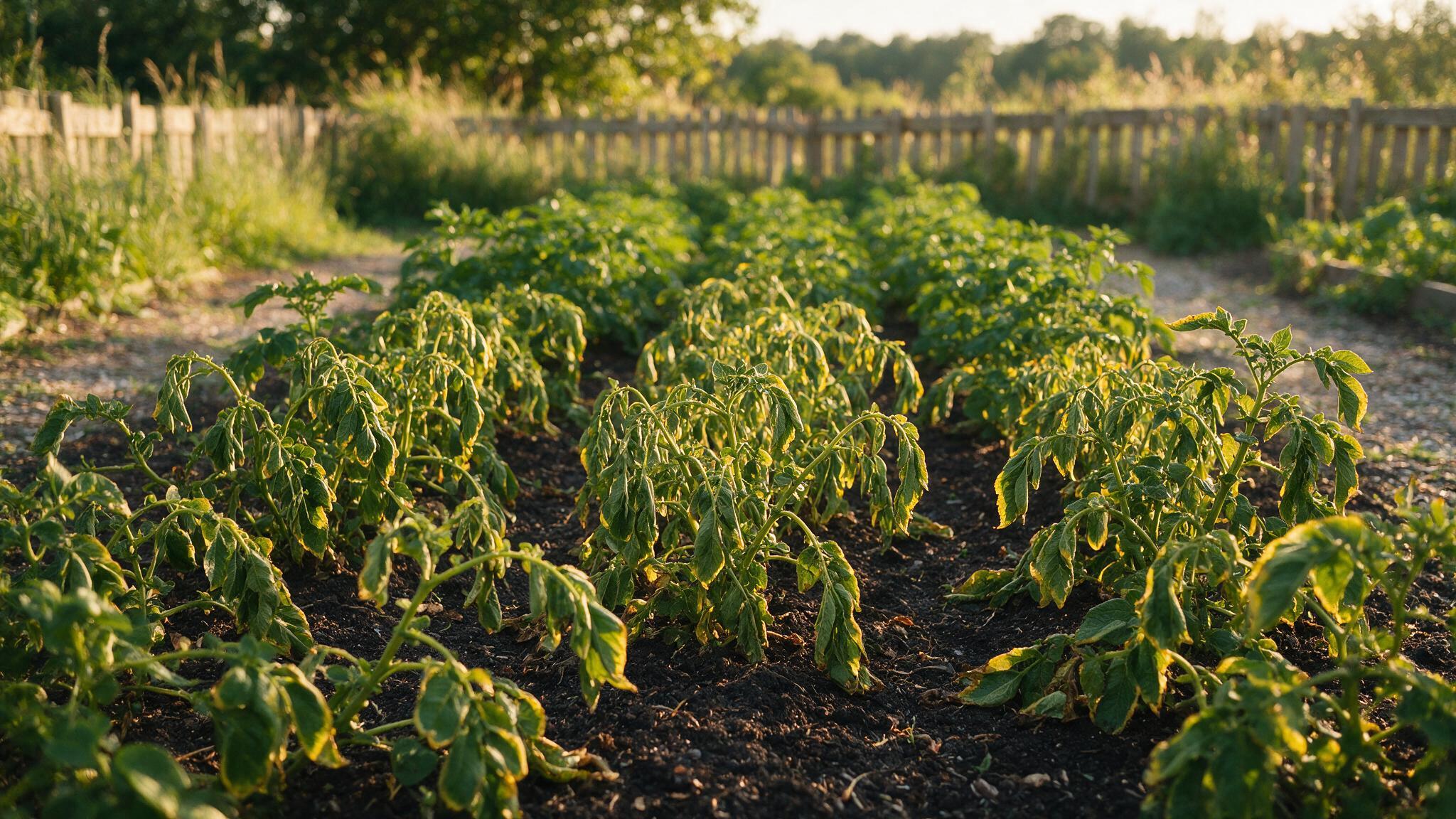
Few things stop a home gardener in their tracks like walking out to the vegetable bed and finding their potato plants drooping, sagging, or collapsing entirely. Whether you’re growing a classic Russet, a buttery Yukon Gold, or a colorful fingerling variety, wilting is one of the most common — and most misread — signals your plants can send.
The good news is that wilting rarely means your crop is lost. The most likely reasons potato plants wilt are watering issues, over-fertilization, a lack of nutrients, soil conditions, extreme temperatures, certain diseases, pests, or the plants simply being ready to harvest. Most of these causes are fixable once you know what you’re looking at. This guide walks you through every major culprit, how to diagnose the one affecting your plants, and exactly what to do about it.
What Does It Mean When Your Potato Plant Is Wilting?
Wilting is a physical stress response. When a potato plant cannot move enough water from its roots to its leaves, cell pressure drops and the foliage droops. That loss of water pressure — called turgor — can happen for many reasons, some completely benign and some serious.
A thorough visual inspection is the right starting point. Look for wilting foliage, yellow leaves, and any signs of pests or mold, and pay special attention to whether the wilting affects all leaves or just certain areas, since this can hint at the underlying cause. A plant that droops uniformly during a hot afternoon and bounces back by evening is telling you something very different from a plant whose lower stems are collapsing one by one over the course of a week.
Potatoes (Solanum tuberosum) are shallow-rooted crops. Because of their relatively shallow root system, potatoes are often unable to exploit nutrients and soil moisture at depth within a soil profile. That makes them more sensitive to surface-level stress — both drought and waterlogging — than deeper-rooted vegetables.
Is Wilting in Potato Plants Always a Sign of a Problem?
Not always. One of the most common reasons experienced gardeners stay calm when they see drooping leaves is that wilting can be completely normal at two specific stages of the growing season.
First, potato plants naturally wilt a little during the hottest part of the day. Drooping leaves during peak sun hours should recover by evening — if your plants perk back up once temperatures drop, heat stress is the likely explanation and not a disease emergency.
Second, and more importantly, wilting and die-back at the end of the season is a sign that your potatoes are ready to harvest. Harvest mature tubers after the plants have dried or when tubers have reached full size. If your plants have been in the ground for 90 to 120 days and the vines are yellowing and collapsing from the top down, that is the plant completing its life cycle — not dying from disease. Check the calendar and the size of a test tuber before you panic.
Pro Tip: Scratch the skin of a test potato with your thumbnail. If the skin slips off easily, the tubers are immature. If the skin resists, they’re ready to harvest. Natural end-of-season wilting is your green light to dig.
Watering Issues Causing Potato Plant Wilting
Water stress — either too much or too little — is the single most common cause of wilting in home garden potatoes. Wilting in potato plants can often be traced back to water stress. Overwatering shows up as yellow leaves, waterlogged soil, and a general limp appearance, while underwatering produces leaves that are dry, brittle, and curling at the edges.
Underwatering is straightforward: the plant cannot pull enough moisture from dry soil, turgor pressure drops, and leaves droop. Lack of water causes wilting as the plant struggles to get moisture. Push your finger two inches into the soil — if it feels bone dry, your plants need water immediately.
Overwatering is trickier because the symptoms look almost identical. Overwatering can lead to waterlogged soil and root rot, which can also cause wilting. Signs of overwatering include yellowing leaves, poor growth, and a wilted appearance even with wet soil. The tell is that the soil feels soggy rather than dry. Roots deprived of oxygen in waterlogged soil cannot function, so the plant wilts even though water is abundant.
Water consistently, not heavily. Hollow heart, knobby tubers, and growth cracking are almost entirely irrigation-irregularity problems. Consistent 1–2 inches per week, especially from flowering through harvest, prevents all three.
- Underwatering fix: Water deeply and immediately. Check soil moisture daily during hot spells.
- Overwatering fix: Let the top inch of soil dry out between waterings. Water at the base of plants and avoid overhead irrigation whenever possible, and water early in the day so plants can dry before evening temperatures drop.
- Long-term fix: Mulch around plants to retain moisture and buffer soil temperature swings.
Light Conditions Behind Potato Plant Wilting
Light itself rarely causes wilting directly, but the heat that accompanies intense, unfiltered sun absolutely can. While potato plants love sunlight, too much can cause them to wilt as they struggle to cope with the heat. This is especially common in US gardens during July and August, when afternoon temperatures in many regions push well above 80°F.
Potatoes require full sun — direct light at least 6 hours per day, with a preference for 8 to 10 hours. So the solution is not to move your plants into shade permanently. Instead, the goal is to protect them during the most intense midday window without cutting off the morning and late-afternoon sun they need for healthy growth.
While potato plants love the sun, too much of it can cause them to wilt due to excessive heat. Shield your plants from the mid-day sun, which tends to be the hottest. If possible, consider moving your plants to a location where they can get morning or late afternoon sun. For in-ground plants, a shade cloth rated at 30–40% block is an easy, affordable solution during heat waves.
Pro Tip: If your potato plants droop between noon and 3 p.m. but look fully recovered by the next morning, midday heat stress is the cause — not disease. No intervention beyond shade cloth and consistent watering is needed.
Soil, Nutrients, and Root Health Causing Potato Plant Wilting
The quality of your soil affects every aspect of potato health. Potatoes grow best in well-drained, sandy soil, and a poorly drained soil is more likely to produce diseased tubers. Poor drainage keeps roots sitting in water, starving them of oxygen and opening the door to root rot and fungal disease.
Soil pH matters too. The ideal soil pH level for potatoes is somewhat acidic, between 6 and 6.5, but they will tolerate soil with pH as low as 5. When pH drifts too far outside that range, nutrients lock up in the soil and become unavailable to the plant regardless of how much fertilizer you apply. If your potato plants are dying due to incorrect soil conditions, they will exhibit symptoms of nutrient deficiency — the leaves will start to turn yellow or brown, begin to wilt, shrivel up, and die.
Nutrient deficiencies — particularly nitrogen, potassium, and phosphorus — can also cause wilting and poor growth. Feed potatoes using a slow-release fertilizer, and avoid high-nitrogen fertilizers, which may increase susceptibility to disease. A balanced approach is better than heavy feeding.
| Soil Problem | What You’ll See | Fix |
|---|---|---|
| Poor drainage / waterlogged soil | Wilting despite wet soil, root rot, foul smell | Amend with compost; raise beds; improve drainage channels |
| pH too high (>7.0) | Yellowing, stunted growth, wilting | Apply sulfur or acidifying fertilizer; retest in fall |
| pH too low (<5.0) | Nutrient lockout, weak plants | Add agricultural lime; retest before next season |
| Nutrient deficiency | Yellow/brown leaves, wilting, cracked tubers | Slow-release balanced fertilizer; soil test to confirm |
| Compacted soil | Stunted growth, poor tuber development | Till before planting; add organic matter annually |
Base your nutrient management program on soil test recommendations, plant tissue testing, variety, time of harvest, yield goal, and the previous crop in the rotation. A simple soil test kit from your local garden center or your state’s Cooperative Extension service takes the guesswork out of amendments.
Environmental Stress Triggering Potato Plant Wilting
Beyond watering and light, environmental conditions — especially temperature extremes — are a leading cause of wilting that many gardeners overlook. Potatoes thrive in temperatures ranging between 65 and 80 degrees Fahrenheit. They can tolerate temperatures as low as 32 degrees Fahrenheit, but anything below this will start to cause a problem.
Heat stress above 80°F is particularly damaging. A sign of heat stress is leaves that have turned light green and begin to wilt — they will eventually shrivel and die if conditions do not improve. One option to help your potato plants fight the effects of heat stress is to apply calcium, a mineral that helps plants cope better in temperatures that exceed 80 degrees Fahrenheit.
Cold snaps and frost can also cause sudden wilting. If the temperature drops, protect your potato plants by using a frost cover that covers the entire plant. If all of the foliage above the ground has died, do not be too alarmed, as new shoots should appear within 14 days.
Root growth occurs when soil temperatures are between 50 and 95°F, with best root development at 59 to 68°F. Leaf and vine growth occurs at temperatures between 45 and 86°F, with optimal growth at around 68 to 77°F. Understanding these ranges helps you plan planting dates and protective measures for your specific US climate zone.
Pests and Disease Leading to Potato Plant Wilting
When watering, soil, and temperature all check out but your plants are still wilting, pests or disease are the next suspects. These causes tend to produce wilting that does not recover overnight and often comes with additional symptoms.
Fungal Wilt Diseases
Verticillium wilt, also known as potato wilt, is a fungal disease that can be caused by either Verticillium dahliae or Verticillium alboatrum. Both wilt fungi cause similar symptoms: yellowing beginning on one side of the plant, lower leaves curling downward, then whole-plant decline. The field diagnostic is inside the stem — cut through an affected stem near the base and look for brown to tan discoloration in the vascular tissue.
Potato fusarium wilt is a nasty but common disease that enters potato plants through the roots, restricting water flow to the plant. It is difficult to manage because it can live in the soil for many years. The first sign of fusarium wilt is yellowing of the leaves, followed by wilting, rolling, or curling, sometimes affecting leaves on only one side of the plant. Symptoms typically begin on the lower part of the plant, eventually moving up the stem.
Wilt fungi survive in soil for up to seven years, which is why rotation is the only realistic management tool. Verticillium typically strikes mid-season when soil temperatures exceed 65°F; Fusarium tends to cause earlier collapse. Neither has an in-season chemical remedy — by the time symptoms are visible the infection is systemic.
Bacterial Wilt
Potato wilt disease can also be caused by bacterial pathogens, mainly Ralstonia, which causes bacterial wilt. Bacteria block the water-conducting tissues in plants and spread rapidly in warm and humid climates. Bacterial wilt often causes sudden, dramatic collapse of otherwise healthy-looking stems — a key visual difference from the gradual yellowing of fungal wilt.
Blight
If early blight is the cause of your wilting potato plants, you will notice brown spots encircled with yellow rings on the lower, older leaves. Late blight is more aggressive. Late blight is caused by the oomycete Phytophthora infestans, the same pathogen responsible for the Irish Potato Famine. There is no cure for late blight, so if your plants have been infected, you will have to remove them. Copper fungicide applied preventively is your best option if you are worried about late blight in your garden.
Pests
Cutworms are the larvae of various moth species that cut through the stems of plants near ground level. They are usually gray, black, brown, or pink and attack at night. As cutworms feed on the stems of your potato plants, the plants will begin to wilt. Colorado potato beetles cause heavy defoliation. This defoliation can severely weaken potato plants by stunting growth, reducing yields, and even causing plant death. Telltale signs of potato bugs are holes in your potato leaves.
Important Note: Aphids feeding on potato foliage can also transmit viruses that cause wilting and stunted growth. Starting with certified virus-free seed potatoes is essential — no level of in-season aphid management compensates for planting infected seed.
How to Diagnose Why Your Potato Plant Is Wilting
Accurate diagnosis saves you from treating the wrong problem. Work through this systematic checklist before you reach for any product or make any changes to your care routine.
- Check the time of day. If plants wilt midday and recover by evening, heat or mild drought stress is the cause — not disease.
- Check the soil moisture. Push your finger 2 inches into the soil. Bone dry means underwatering; soggy and compacted means overwatering or drainage failure.
- Inspect the leaves closely. Look for wilting foliage, yellow leaves, and any signs of pests or mold, and pay attention to whether the wilting affects all leaves or just certain areas. Wilting on one side only often points to vascular disease.
- Cut a stem. Cut through an affected stem near the base and look for brown to tan discoloration in the vascular tissue — a positive sign of fungal wilt.
- Check the roots. Gently expose a few roots. Dark, mushy, or foul-smelling roots indicate root rot from overwatering or fungal infection.
- Look for pests. Check leaf undersides for aphid colonies, look for holes in leaves from Colorado beetles, and inspect stems near soil level for cutworm damage.
- Consider the calendar. If plants have been in the ground for 90–120 days and the die-back is progressing from the top down uniformly, natural senescence and harvest readiness is the most likely explanation.
If you use a plant identification app to help narrow down symptoms, the best iPhone apps for identifying plants and the best Android apps for identifying plants can both help you cross-reference what you’re seeing with known disease and pest profiles.
How to Fix a Potato Plant That Is Wilting
The right fix depends entirely on the cause you identified above. Here is a cause-by-cause action plan.
Fix Watering Problems First
If underwatering is the cause, water deeply right away and apply 2–3 inches of straw or wood chip mulch to retain moisture. If overwatering is the culprit, stop watering immediately, cut back on watering, allow the soil to dry out between sessions, and let the roots breathe and recover. For chronic drainage issues, raised beds or amended soil with added perlite or coarse sand are long-term solutions.
Address Heat Stress
Use a cloth or plant screen to shield your potatoes during the hottest part of the day, keep the soil consistently moist, and use mulch to help retain moisture and keep roots cool. Watering in the early morning rather than midday gives plants the best chance of staying hydrated through peak heat.
Treat Fungal and Bacterial Disease
For fungal infections, remove affected leaves and apply a fungicide recommended for potatoes. For bacterial issues, seek professional advice to confirm and treat accordingly. Pull severely affected plants to reduce inoculum for the next season. Once a systemic wilt infection is confirmed, there is no in-season chemical cure — removal is the most responsible action.
Handle Pests Organically
Organic and natural control of potato bugs includes hand removing the bugs, using neem oil on the plants to stop eggs from being laid on the leaves, and sprinkling diatomaceous earth on the ground. For cutworms, remove them by hand at night while they munch on your plants and place cardboard collars around stem bases to block access.
Correct Soil and Nutrient Issues
If a soil test reveals pH problems, adjust soil pH before planting, not after. A simple autumn soil test followed by ammonium sulfate or sulfur amendment closes the scab infection window before it opens. For nutrient deficiencies, apply a balanced slow-release fertilizer and avoid over-applying nitrogen, which can make plants more susceptible to disease. You can also explore companion plants to grow with potatoes that naturally improve soil health and deter common pests.
How to Prevent Potato Plant Wilting Going Forward
Prevention is far easier than treatment, and most wilting problems in US home gardens trace back to a handful of avoidable mistakes.
Start With Certified Seed Potatoes
Starting with certified seed potatoes is one of the five practices that address the root cause of the majority of potato garden failures. Certified seed is tested and indexed for virus and disease, eliminating the single most common entry point for blight, wilt, PLRV, and Rhizoctonia. It costs slightly more than saved seed and is worth every cent. Last season’s garden tubers and store-bought potatoes may be symptomless disease carriers and should be avoided.
Rotate Your Crops Every Year
Rotate without exception. A strict 3-year minimum cycle breaks pest and disease cycles for scab, wilt, Colorado potato beetle, and wireworm. Avoid planting other solanaceous plants such as tomatoes, peppers, tomatillos, eggplants, tobacco, or petunias in the area during the rotation period, as they share many of the same soil pathogens. If you grow tomatoes nearby, check out companion plants for tomatoes to help manage shared pest pressure across your garden.
Hill Your Plants Twice Per Season
Hill twice per season: first at 6–8 inches of growth, and a second time 2–3 weeks later. Hilling prevents greening, keeps developing tubers covered during rain when blight spores wash down, and mounds soil that improves drainage.
Choose Resistant Varieties
Some species of potatoes are more susceptible to wilt than others. It is always best to plant potato varieties that are resistant to wilt. When shopping for disease-resistant potatoes, look for labels with a “V” on them. Similarly, plant fusarium-resistant varieties, which are marked by an “F” on the label.
Keep the Garden Clean
Keep gardens weed free and pick up and discard all dead or infected plant debris. Crop rotation will also help with wilt management. Weeds harbor both pest insects and disease pathogens, so clearing them is one of the most cost-effective prevention steps you can take. Sterilize tools frequently using a solution of one part bleach to four parts water when working with potatoes to avoid spreading pathogens between plants.
Key Insight: Prevention is key. Regular inspections and maintaining a healthy growing environment can keep wilting at bay. A five-minute walk through your potato bed every two to three days lets you catch problems before they become crop-threatening.
FAQ
Why Are My Potato Plant Leaves Wilting but the Soil Is Wet?
Wet soil with wilting leaves almost always points to overwatering or poor drainage. Overwatering can cause root rot and wilting. Signs include yellowing leaves, poor growth, and a wilted appearance even with wet soil. Roots sitting in waterlogged soil cannot absorb oxygen, which shuts down their ability to take up water even when water is all around them. Let the soil dry out and check for root rot by gently pulling a plant and inspecting the roots.
Can Potato Plants Recover From Wilting?
Yes, in most cases. Plants wilting from heat, drought, or mild overwatering typically recover quickly once conditions are corrected. Wilting is the plant’s way of telling you something is off, but with careful observation and the right actions, you can nurse your plants back to good health. Plants wilting from systemic fungal or bacterial wilt disease are harder to save — removal is usually the best option to protect the rest of your garden.
Should I Water My Potato Plants Every Day?
Not necessarily. Let the top inch of soil dry out before watering again to maintain ideal soil moisture. Resist watering on autopilot; instead, check the soil moisture level regularly. During a heat wave, daily checks make sense, but automatic daily watering without checking soil moisture is one of the most common causes of overwatering in home gardens.
What Does Verticillium Wilt Look Like on Potatoes?
Individual stems will begin to yellow and eventually die. Upon cutting the stem open, you will see a brown vascular discoloration. In severe cases of Verticillium wilt, stem end discoloration will also be present in tubers. The yellowing typically starts on one side of the plant and progresses upward and outward over several weeks.
How Do I Know If My Potato Plants Are Wilting Because They’re Ready to Harvest?
Harvest mature tubers after the plants have dried or when tubers have reached full size. End-of-season wilting progresses from the top of the plant downward, affects the whole plant uniformly, and happens after 90 or more days in the ground. Disease wilting tends to start on one side, in one section, or on lower leaves first. If you’re unsure what to do with your harvest, see Yukon Gold potato substitutes and what to serve with mashed potatoes for inspiration on putting your crop to good use.
Can Pests Cause Potato Plants to Wilt Without Visible Damage?
Yes. Wireworms feed on potato roots and tubers underground, causing wilting without any above-ground holes or visible insects. Root-lesion nematodes cause similar hidden damage. The potato root is also a host to the root-lesion nematode (Pratylenchus penetrans). Verticillium dahliae in conjunction with the root-lesion nematode make up the potato early die complex, and researchers hypothesize that other soilborne pathogens may also contribute. If you suspect underground pest damage, gently dig up one plant and inspect the roots and tubers closely for tunneling, lesions, or discoloration.