Why Are My Tomato Plants Wilting? Causes, Fixes, and Prevention Tips

October 2, 2026
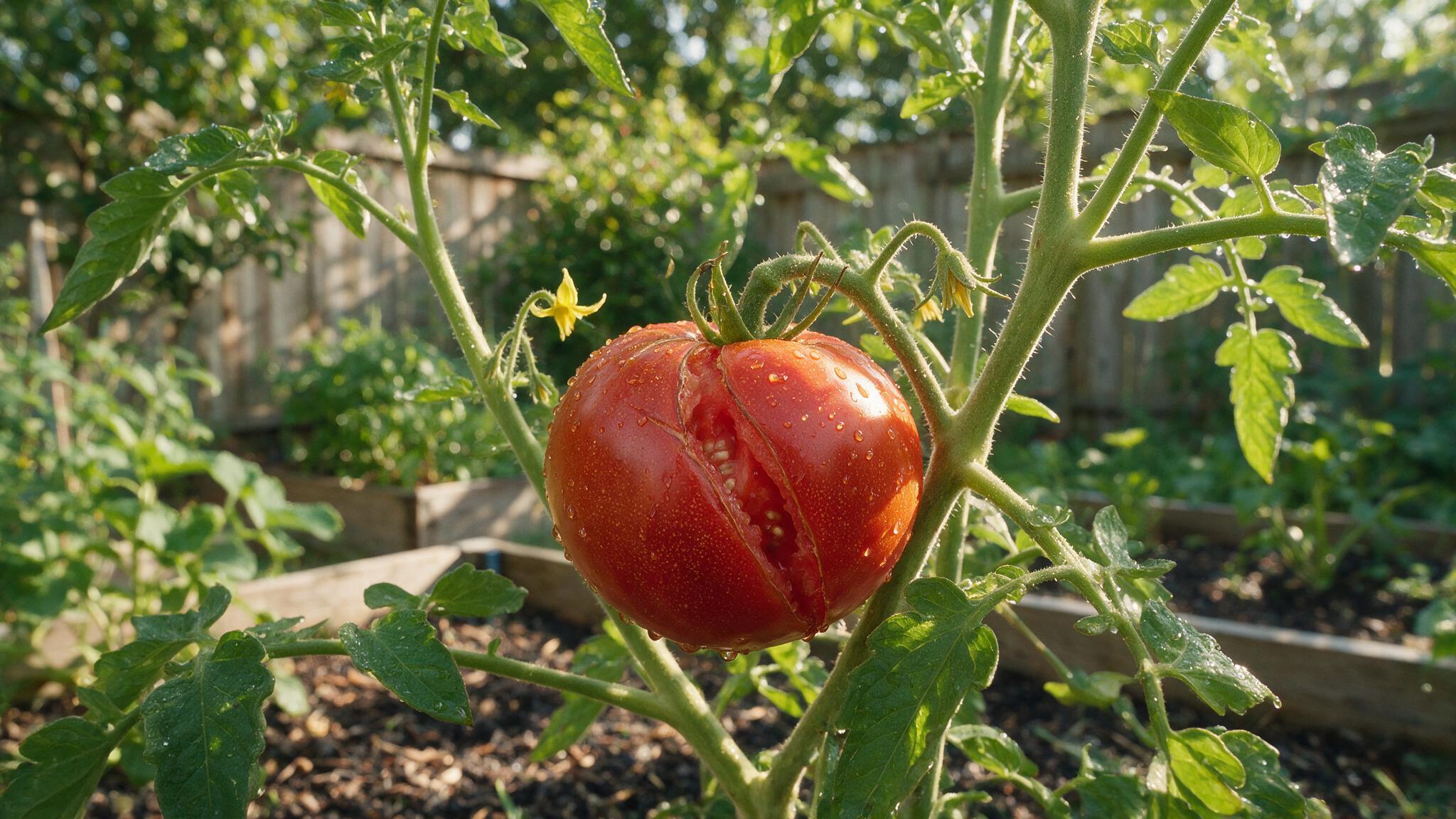
You walk out to your garden expecting to see healthy green tomato plants standing tall, and instead you find them drooping like they’ve given up entirely. It’s one of the most frustrating sights for any home gardener in the US — and it happens to everyone at some point.
The good news is that wilting in tomato plants is one of the most diagnosable problems you’ll face. Wilting tomato plants can be caused by underwatering, overwatering, root rot, pest damage, heat stress, or serious soil-borne diseases like Fusarium. Once you know what you’re looking at, fixing it — or at least stopping it from spreading — becomes much more manageable.
This guide walks you through every major cause of tomato plant wilting, how to tell them apart, and what to do about each one. Whether you’re growing in raised beds, containers, or in-ground plots, you’ll find answers here.
What Does It Mean When Your Tomato Plant Is Wilting?
Wilting is your tomato plant’s way of waving a flag. It means something is interfering with the plant’s ability to move water from its roots to its leaves, stems, and fruit. That disruption can come from many directions — the soil, the roots, the vascular system, or outside attackers like pests and pathogens.
Wilting may indicate that roots or stems are injured, soil moisture has been too high or too low, or that the vascular tissue directly below the epidermis of tomato stems is blocked up with fungal or bacterial pathogens. In other words, wilting is a symptom, not a diagnosis.
The leaves droop because the cells inside them lose turgor pressure — the internal water pressure that keeps plant tissue firm. When water stops flowing properly through the plant, those cells deflate and the whole plant sags. Your job is to figure out why the water flow broke down.
Pro Tip: Before you do anything else, check the soil moisture about two inches down. That one step rules out the most common cause — watering problems — before you go looking for something more serious.
Is Wilting in Tomato Plants Always a Sign of a Problem?
Not always. Tomato plants can wilt and droop for many reasons. Some are more serious issues caused by disease, while others are absolutely nothing to worry about.
For example, on a blazing hot summer afternoon — common across much of the US South, Southwest, and Midwest — tomatoes often droop during the hottest hours of the day and then perk back up by evening. Excessive heat can cause wilting and curling tomato leaves. Heat can cause tomato leaves to curl up as a way of reducing the surface area exposed to the sun, which helps minimize the amount of moisture lost through the foliage. If your plants look fine again by morning, that temporary afternoon wilt is likely just heat response, not a crisis.
Transplant shock is another non-emergency cause. Transplanting from indoors to outdoors, from warm soil to cold soil, or accidentally damaging the roots in the process of replanting can all cause transplant shock. Signs include wilting and yellowing leaves, but these are no cause for alarm. Your tomato plant simply needs some time to adjust to its new home.
The pattern and timing of wilting matter a lot. Wilting that shows up only in the afternoon heat and disappears by morning is very different from wilting that gets progressively worse day by day, or that appears on just one side of the plant. Pay attention to those details — they’re your best clues.
Watering Issues Causing Tomato Plant Wilting
Watering problems are behind the majority of tomato wilting cases, and the tricky part is that both too little and too much water cause the same drooping symptom.
Underwatering
The most common and easily fixed reason for wilting tomato plants is simply a lack of water. Tomato plants require approximately one inch of water per week. Plants may wilt badly when soils are dry, but will revive rapidly when they are watered.
When tomato plants don’t get enough water, they quickly wilt, droop, and show signs of stress. This is especially common in containers or raised beds that dry out faster. To check, push your finger about two inches into the soil near the base of the plant. Water when the top two inches of soil feel dry. Give a slow, deep soak to reach the root zone — about six to eight inches deep.
Overwatering
Overwatering can also cause leaves to droop and wilt, just like underwatering can. However, the signs are slightly different, allowing you to determine the primary culprit. While underwatered foliage will be dry and crispy, overwatered tomato plants will usually have soft and mushy leaves or stems.
When you overwater, you limit the amount of airflow around the roots, essentially suffocating them. The excess moisture can encourage fungal growth that spreads throughout the plant, killing tissues and impacting moisture uptake. Unhealthy roots struggle to transport water and nutrients to parts of the plant that need it, leading to drooping leaves.
If overwatering has gone on long enough, it leads to root rot. You’ll usually notice other signs of struggle first, like wilting and yellowing leaves. Check the area where the stem meets the soil line. Rot can spread quickly from the roots up the stem, leaving it soft and mushy.
Pro Tip: Use the finger test every time before watering. Push your finger two inches into the soil — if it still feels moist, skip the water that day. A simple moisture meter takes all the guesswork out of this.
| Symptom | Underwatering | Overwatering |
|---|---|---|
| Leaf texture | Dry, crispy, brittle | Soft, mushy, limp |
| Soil feel | Dry and pulling away from pot edges | Soggy, waterlogged, possibly smelly |
| Leaf color | Dull green to brown at tips | Yellowing from bottom up |
| Recovery speed | Fast — perks up within hours of watering | Slow — may worsen despite continued watering |
| Stem near soil | Firm | Soft or discolored at base |
Light Conditions Behind Tomato Plant Wilting
Light is often overlooked as a cause of wilting, but it plays a direct role in how your tomato plant manages water and stress. Tomatoes are sun-loving plants — they need a full day of direct sunlight to thrive. Tomatoes need a lot of sun, between six and ten hours each day.
Too much intense direct sun during a heat wave, especially in hot states like Texas, Arizona, or Florida, can overwhelm a plant’s ability to pull water from the soil fast enough to keep up with evaporation. Heat stress or physiological leaf roll makes leaves curl and wilt during hot, dry spells as a water-saving mechanism, often reversible with shade and mulch.
On the other end, too little light weakens tomato plants over time. A plant growing in partial shade won’t photosynthesize efficiently, which leads to slow, weak growth and a root system that can’t support the plant well. Weak roots are more vulnerable to overwatering and soil-borne diseases — both of which cause wilting.
If your tomatoes are in a spot that gets fewer than six hours of direct sun, consider moving container plants to a sunnier location. For in-ground plants, pruning nearby shrubs or trees that cast shade can make a meaningful difference. You can also explore plants that perform better in low-light areas if your garden space is genuinely limited on sun.
Soil, Nutrients, and Root Health Causing Tomato Plant Wilting
Healthy roots are the foundation of a healthy tomato plant. When the soil environment goes wrong — whether through poor drainage, compaction, wrong pH, or nutrient imbalances — the roots suffer, and wilting follows.
Soil pH and Nutrient Uptake
Tomatoes are particular about soil pH. Tomatoes prefer slightly acidic to neutral soil with a pH of 6.0–6.8. If the pH is too high (alkaline) or too low (acidic), even if nutrients are present, the plant can’t absorb them effectively, leading to “nutrient lockout.” This means your plant could be sitting in fertilized soil and still starving.
Soil tests can reveal if your soil has sufficient levels of calcium and can determine if your soil pH is optimal for nutrient availability. Most US cooperative extension offices and garden centers sell inexpensive soil test kits, and many state universities offer mail-in soil testing services.
Nutrient Deficiencies
Tomatoes are heavy feeders, and gaps in their diet show up as wilting and discoloration. Imbalances in nutrients can severely impact their health and resilience, often manifesting as wilting or stunted growth. Nitrogen deficiency causes older leaves to turn yellow and plant growth to slow. Phosphorus deficiency may show as a purplish tint on the undersides of leaves, especially on younger plants. Potassium deficiency causes leaf edges to turn yellow or brown and the plant to show general weakness.
Calcium is another key nutrient. Calcium deficiency is famous for causing blossom end rot, where the bottom of the fruit turns black and leathery. However, severe calcium deficiency can also impact overall plant vigor and lead to wilting of new growth. A cycle of dryness followed by overwatering only promotes calcium deficiency in the plant.
Fertilizer Burn and Root Damage
Too much of a good thing can be harmful. Excess fertilizer, especially nitrogen, can “burn” roots, leading to wilting and browning of leaf tips. Use a balanced tomato fertilizer (ideally 5-10-10 or similar), but avoid overfeeding.
Root damage from rough transplanting is also a culprit. If you did not use the entire root bundle when transplanting, some of the secondary roots were likely lost. The reduced root system means there’s less capture area for water to get into the plant system. This problem can fix itself in a few days, and you should notice the plant improving day by day.
Key Insight: When switching from a high-nitrogen fertilizer to one higher in phosphorus and potassium once your tomatoes start flowering, you support fruit production without pushing excessive leafy growth that competes for calcium.
Environmental Stress Triggering Tomato Plant Wilting
Beyond water and soil, the conditions around your tomato plant — temperature, wind, and proximity to other plants — can trigger wilting that has nothing to do with disease or pests.
Heat and Temperature Extremes
Tomatoes are sensitive to extremes. Hot weather can cause blossoms to drop, while sudden cold snaps stunt growth or kill young plants. Young tomato plants exposed to cold temperatures early in the growing season can show signs of wilting. The plants can often recover (as long as they aren’t showing signs of serious frost damage) if you find a warmer spot for them or temperatures — especially nighttime temperatures — climb.
In the US, gardeners in the Deep South and Desert Southwest often deal with temperatures exceeding 95°F during peak summer. At those temperatures, even well-watered tomatoes can wilt midday. Use shade cloth in high heat. In early spring, cover plants with row cover or frost blankets when nights dip below 50°F.
Over-Pruning Stress
Not every gardener chooses to prune their tomato plants, but if you do — make sure you’re not overdoing it. Going too far with the pruning results in stress, causing the leaves to curl. Tomato plants are susceptible to heat damage, and constantly cutting back the plant will expose it to the sun. Focus on pinching off suckers between the main and lateral stems rather than aggressive cutbacks.
Allelopathic Plants Nearby
Planting tomato plants near allelopathic plants such as black walnut trees, butternut trees, sunflowers, and tree of heaven can cause wilting in tomato plants. Black walnut trees release a chemical called juglone through their roots, leaves, and fruit. Generally, the greatest concentration of juglone in the soil exists within the dripline of walnut trees. Plant tomatoes and other susceptible plants 20 to 25 feet beyond the dripline of walnut trees to minimize walnut toxicity problems.
Choosing the right plant neighbors is a smart preventive step. You can explore plants that grow well with tomatoes to set your garden up for success from the start.
Pests and Disease Leading to Tomato Plant Wilting
When environmental and watering fixes don’t resolve the wilting, you’re likely dealing with a pathogen or pest. These causes tend to be more serious and, in many cases, irreversible once established.
Fusarium and Verticillium Wilt
Verticillium and Fusarium wilt are two common diseases affecting tomatoes and plants in the tomato family. Both diseases overwinter as fungal spores in garden soil or on infected plant debris. Verticillium or Fusarium wilt spores enter the tomato plant through the roots. The fungus then grows up into the main plant and throughout the plant’s vascular system, blocking the movement of water and nutrients.
According to the University of Maryland Extension , symptoms include lower leaves turning yellow and then brown, leaf and stem wilting with some recovery at night, caused by the soilborne fungus *Fusarium oxysporum* sp. *lycopersici*. When the outside of an infected stem is scraped, you will see browning of the vascular tissue underneath.
The first symptoms on older plants appear when leaves, either at the top or bottom of the plant, wilt during the day and then recover at night. Eventually, infected plants no longer recover at night but remain permanently wilted and finally die. There is no cure — infected plants must be removed. Use tomato varieties with resistance to fungal wilts. Resistant plants are labeled “VF” on the plant tag or in the plant description, to indicate disease resistance.
Bacterial Wilt
Bacterial wilt is often found in hot, humid environments — typically in coastal areas. It impacts tomato plants by clogging the vascular system and stopping the plant from getting water and nutrients from the soil. Young leaves will begin to wilt first, slowly spreading to the rest of the plant until it dies. Unfortunately, as the leaves stay green, there are few signs that indicate bacterial wilt, making it difficult to identify.
A useful diagnostic test: if you are experiencing prolonged problems with wilting, even after changing your watering habits, cut off a section of the stem and place it in a glass of water. The tomatoes will wilt and die quickly and when the stem is inspected, the inside will be dark, watery and even hollow.
Tomato Spotted Wilt Virus (TSWV)
Tomato Spotted Wilt Virus (TSWV) causes stunting, wilting, bronzing of foliage, and brown or green rings on fruit. A virus disease, TSWV can infect plants in the greenhouse or in the field. Infected plants cannot be cured and should be removed from the garden. TSWV is spread by thrips — tiny insects that are difficult to see with the naked eye.
Stalk Borers and Other Pests
The main pest culprit in tomato wilting is the stalk borer. These small caterpillars dig a tiny hole into the main stem of the plant, remaining out of sight for the rest of their residency and slowly feeding on your plant. Root-knot nematodes, aphids, or spider mites damage roots or suck sap, weakening plants.
Aphids, hornworms, whiteflies, and spider mites are common tomato pests. They suck sap, chew leaves, and weaken the plant. For most of these soft-bodied insects, spray leaves with water to knock off aphids. For tougher pests, try neem oil or insecticidal soap.
Companion planting can also reduce pest pressure. Growing strategic companions alongside your tomatoes — like basil or marigolds — can deter some common insects naturally.
How to Diagnose Why Your Tomato Plant Is Wilting
Accurate diagnosis saves you time and your plant. Work through this process before reaching for any treatment.
- Check the soil moisture first. Push your finger two inches into the soil. Dry soil points to underwatering. Soggy, smelly soil points to overwatering or root rot. This rules out the most common cause immediately.
- Observe the timing of wilting. Wilting only during peak afternoon heat that resolves by morning is likely heat stress, not disease. Wilting that gets worse each day regardless of temperature is more serious.
- Look at the pattern of wilting. If you notice your tomato plants have yellowing leaves and are wilting mostly on one side of the plant initially, that is the sign of fungal disease-causing wilt. Uniform wilting across the whole plant points more toward water stress.
- Inspect the stem. When the outside of an infected stem is scraped, you will see browning of the vascular tissue underneath. A stem that is soft and mushy at the base suggests root rot from overwatering.
- Check the leaves closely. Spotted, browning, or blotchy foliage is usually a sign of disease or pest pressure. Dry, crispy edges suggest underwatering or heat. Soft, yellowing leaves suggest overwatering.
- Look under the leaves for pests. Aphids, spider mites, and whiteflies cluster on the undersides. Use a magnifying glass if needed.
- Consider recent changes. Did you just transplant the plant? Apply fertilizer? Experience a heat wave? Recent changes often explain sudden wilting.
Using a plant identification app can also help you match symptoms to known conditions. Check out the best iPhone apps for identifying plants or the best Android apps for identifying plants for tools that can speed up your diagnosis.
How to Fix a Tomato Plant That Is Wilting
If the wilting is caused by an environmental factor — yes, you can recover your plant. However, if the plant is wilting because of a pathogen, it is unfortunately almost always necessary to uproot and destroy the plant. Here’s what to do for each scenario.
Fixing Underwatering
Water deeply and slowly at the base of the plant. Apply water directly to the soil around the base of the plants with a garden or soaker hose. If an overhead sprinkler is used, water the plants in the morning to reduce foliar disease problems. Avoid wetting the foliage. Add a 2–3 inch layer of mulch to help retain soil moisture between waterings.
Fixing Overwatering and Root Rot
Stop watering immediately and let the soil dry out. Improve drainage by loosening compacted soil or adding compost. If your tomatoes are still young, you can lift them, trim the affected roots, and transplant them into fresh soil to continue growing. Discard older plants to stop the issue from getting out of hand.
Fixing Nutrient Problems
Gently loosen the top layer of soil if compacted. Add compost to boost nutrients and drainage. Use a balanced fertilizer during planting, and then switch to a fertilizer higher in phosphorus and potassium once flowering begins to support fruit production. If blossom end rot is a recurring issue, ensure adequate calcium by amending the soil with bone meal or crushed eggshells, or using a calcium-rich foliar spray.
Fixing Heat Stress
Provide temporary shade using a shade cloth or row cover during the hottest part of the day. Water more frequently during heat waves, always at the base of the plant. If you have over-pruned your tomato plant and it is now stressed, simply leave it alone and the stress will resolve itself.
Fixing Fungal and Bacterial Disease
Unfortunately there is no cure for fungal wilt diseases, so infected plants should be removed and discarded — but do not place diseased plants in the compost pile. As the fungus is soil-borne, it will stay in the same spot for at least a year, so you shouldn’t plant any more tomatoes in that spot or any plants related to tomatoes that are also affected by these diseases. According to the University of Maryland Extension’s Maryland Grows blog , another option is to grow tomato plants in containers filled with compost and soilless growing media to avoid infected garden soil entirely.
Fixing Pest Damage
Prune away affected leaves and dispose of them. Consider a copper fungicide for fungal problems. For insect pests, use neem oil or insecticidal soap applied to the undersides of leaves. For stalk borers, the damage is often already done by the time you notice it — remove and destroy heavily infested plants to prevent spread.
Important Note: Make one change at a time and give your plant a few days to respond before trying something else. Tomato plants are sensitive to overcorrection — piling on extra water, fertilizer, and treatments at once can cause more harm than the original problem.
How to Prevent Tomato Plant Wilting Going Forward
Prevention is far easier than treatment, especially when it comes to soil-borne diseases. Building good habits from the start of each growing season protects your plants all summer long.
- Water consistently and deeply. Instead of light, daily sprinkles, water deeply every few days. This encourages roots to grow deeper, making the plant more resilient to dry spells.
- Mulch every bed. A 2–4 inch layer of organic mulch helps regulate soil temperature, conserves moisture, suppresses weeds, and slowly adds organic matter as it breaks down.
- Test your soil before planting. A soil test can reveal nutrient deficiencies or pH imbalances before they become problems. Adjustments can be made based on the results.
- Choose disease-resistant varieties. Many tomato varieties are bred for resistance to common wilts — look for “VFN” on seed packets, indicating resistance to Verticillium, Fusarium, and Nematodes. According to the University of Nebraska-Lincoln Extension , varieties like Celebrity, Mountain Pride, and QuickPik carry resistance to both Verticillium and Fusarium wilt.
- Practice crop rotation. Rotation is a key method of reducing the effects of fungal wilts in the vegetable garden. Fungal spores can survive many years in the soil, so a long garden rotation of 4–6 years is necessary.
- Avoid overhead watering. Avoid overhead watering, which can encourage fungal diseases. Use drip irrigation, soaker hoses, or water by hand directly at the soil level.
- Improve airflow between plants. Water at the base, remove affected leaves, and improve airflow between plants. Crowded tomato plants trap moisture and heat, creating ideal conditions for fungal disease.
- Harden off transplants properly. Before moving seedlings from indoors to the garden, expose them to outdoor conditions gradually over 7–10 days to reduce transplant shock and the wilting that comes with it.
You can also look into drought-tolerant plants to fill in gaps in your garden during dry spells without adding to your watering workload. And if you’re experimenting with what to grow near your tomatoes, learning about different types of plants can help you build a more resilient garden ecosystem overall.
Frequently Asked Questions
Why are my tomato plants wilting even though I just watered them?
If your tomatoes are well watered and seem to wilt more after being watered, then chances are they’re being affected by a fungal wilt. Fungal wilt in tomatoes is caused by either Verticillium wilt fungus or Fusarium wilt fungus. The effects of both are very similar, in that tomato plants wilt and die rapidly as the fungus clogs the vascular system of the tomato plant. Overwatering causing root rot is also a possibility — check if the soil is soggy and the stem base is soft.
Can a wilting tomato plant recover?
In many cases, yes. Tomato plants are more resilient than they get credit for, and catching problems early is often all it takes. The key is to spot what’s going wrong and respond with the least stressful solution first. Plants wilting from water stress or heat usually bounce back quickly. Plants wilting from soil-borne fungal or bacterial disease generally cannot be saved.
Why are my tomato plants wilting in the afternoon but fine in the morning?
This is usually normal heat stress behavior. When tomatoes curl their leaves, they’re usually stressed from a hot spell — not sick. Think heat, wind, or water woes. If the plant fully recovers each morning and doesn’t show other symptoms like browning or spots, it’s likely just coping with afternoon heat. Mulching and deep watering help reduce this response.
Should I remove a wilting tomato plant?
Only if you’ve confirmed a soil-borne disease like Fusarium wilt, Verticillium wilt, bacterial wilt, or Southern blight. Once you’ve identified one of these fungal diseases, it’s too late to save the plant. Production will be impacted, the plants will likely die, and the disease can spread around your garden. Remove the entire plant and destroy it to prevent it from affecting any others. For environmental causes like heat or transplant shock, give the plant time before pulling it.
What is the white mold at the base of my wilting tomato plant?
Another fungal wilt of tomatoes is Southern Blight. This fungus can be identified by the appearance of white mold on the soil around the base of the plant, in addition to the rapid wilting of the plant. According to the Maryland Grows blog from the University of Maryland Extension , Southern blight is another soil-borne disease that is worse during extended periods of hot, wet, humid weather. This fungal disease has a wide host range with tomato and pepper frequently affected. Darkening of lower main stems is an early symptom, quickly followed by wilting. There is no cure — remove and destroy the plant.
How do I know if my tomato plant has root rot?
Since root rot occurs under the soil, it can be tough to identify. You’ll usually notice other signs of struggle first, like wilting and yellowing leaves. Check the area where the stem meets the soil line. Rot can spread quickly from the roots up the stem, leaving it soft and mushy. The soil will also smell sour or unpleasant from lack of oxygen in the root zone.