Why Are My Hydrangeas Not Blooming? (And How to Actually Fix It)

September 22, 2026
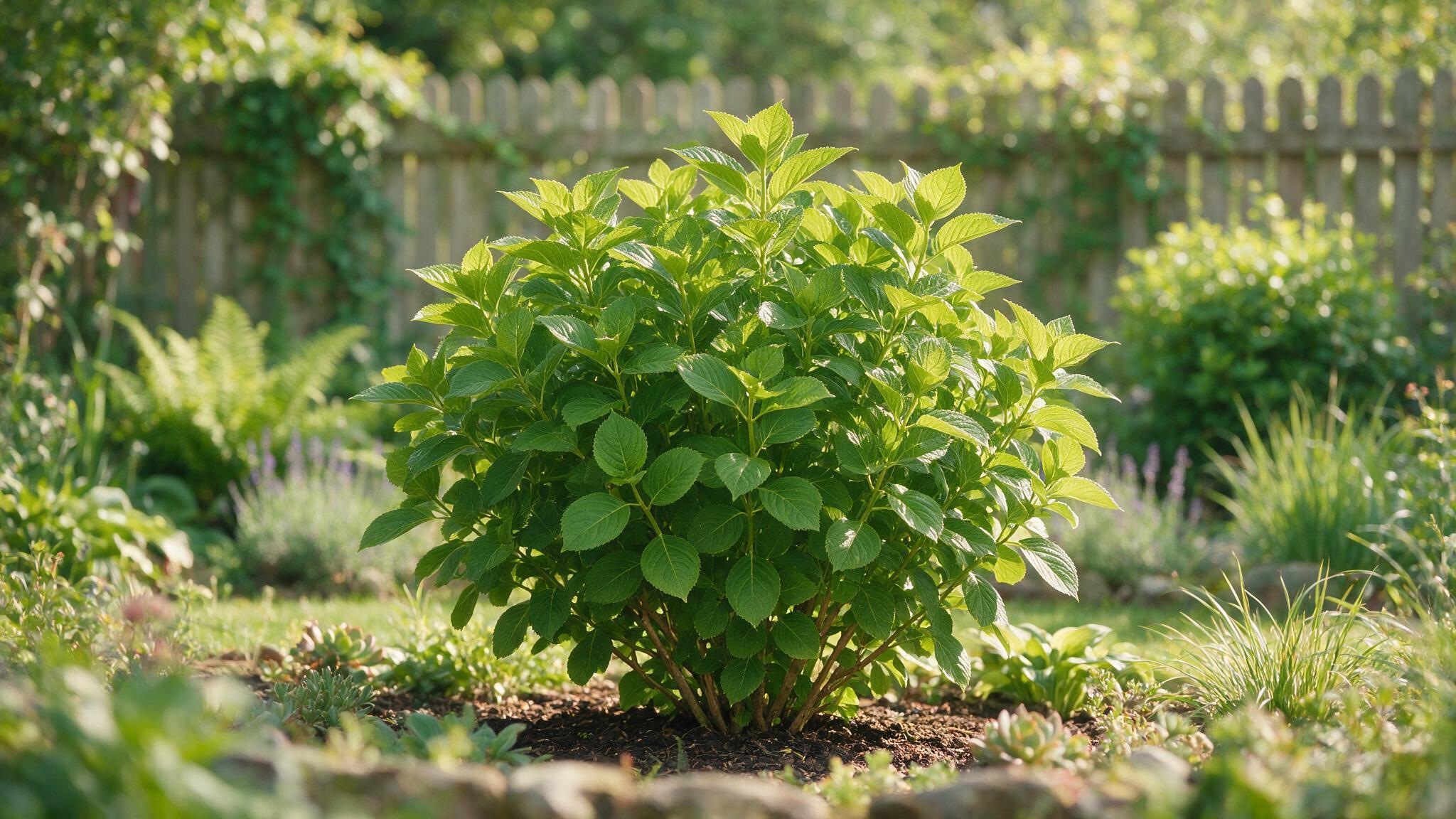
You planted hydrangeas for those big, beautiful blooms, and now you’re staring at a perfectly healthy-looking shrub with nothing but leaves. It’s one of the most common frustrations in the American garden — and the good news is that it almost always has a clear, fixable cause.
Hydrangeas are not difficult plants. If your hydrangeas aren’t producing their usual flowers, there’s always a reason. Bloom failure can come from environmental stress, pruning mistakes, plant maturity, or unexpected weather patterns. The trick is figuring out which one applies to your yard — and that’s exactly what this guide will help you do.
What’s Actually Happening to Your Hydrangeas Right Now
Before you grab the pruning shears or reach for fertilizer, it helps to understand what your plant is actually doing. Your hydrangea is not broken. It is actually telling you something. The plant is putting all its energy into foliage for a reason, and that reason is almost always something you can fix.
There are five main hydrangea types grown across the United States, and they don’t all behave the same way. The most popular by far is the bigleaf hydrangea (Hydrangea macrophylla) — the one with those classic softball-sized mophead blooms in pink or blue. The bigleaf hydrangea blooms on “old” wood, meaning the flower buds develop the previous fall on last year’s branches. That single fact explains the majority of bloom failures.
Other common types include panicle hydrangea (Hydrangea paniculata) and smooth hydrangea (Hydrangea arborescens), which both bloom on new wood — the current season’s fresh growth. Bigleaf, oakleaf, climbing, and mountain hydrangeas all bloom on old wood and should be lightly pruned immediately after flowering before plants develop buds for the following growing season. Panicle and smooth hydrangeas bloom on the current season’s growth and are best pruned in late winter or early spring as plants are breaking dormancy.
Pro Tip: Not sure which type you have? Look at your blooms (when they do appear). Cone-shaped flower clusters point to a panicle type. Big round balls or flat lacecap flowers usually mean bigleaf. Knowing your variety is the single most useful piece of information you can have.
Once you know what type you’re growing, most bloom problems become much easier to diagnose. Check out this overview of plant types if you’re still building your plant ID skills.
Is This Normal, or a Sign Something’s Wrong?
Sometimes a non-blooming hydrangea isn’t a problem at all — it’s just doing what young plants do. Newly planted hydrangea shrubs can take 2 to 5 years before they begin blooming. If yours went in the ground within the last couple of seasons, patience may be all you need.
A newly planted shrub is spending all its energy on building roots, not putting on a flower show. Most hydrangeas need at least two to five years in the ground before they bloom reliably. The first season or two are all about establishing a strong root system underground. What looks like nothing is actually a lot of important work happening below the surface.
That said, some signs do indicate something is genuinely wrong:
- The plant bloomed well in previous years but has suddenly stopped
- Leaves are scorched, yellowing, or developing brown edges
- The shrub looks lush and full of foliage but has produced zero buds for two or more years
- You (or a landscaper) pruned it in fall or early spring
- You had an unusually cold winter or a late spring frost
Most bloom problems come down to a mismatch between the plant’s needs and the conditions it’s growing in. Even small changes in sunlight, pruning timing, or winter exposure can mean the difference between a shrub full of flowers and one that never sets buds. If any of the items on that list sound familiar, keep reading.
The Real Trigger Behind No Blooms
The single most common reason hydrangeas fail to flower is a pruning mistake. Pruning mistakes are one of the top reasons hydrangeas fail to bloom. Different varieties form their flower buds at different times of year, so pruning at the wrong time can accidentally remove the very buds that would have bloomed the following season.
For old-wood bloomers like bigleaf hydrangeas, the damage happens in fall or early spring. These hydrangeas set their flower buds in late summer on the previous year’s growth. If you prune them in fall, winter, or early spring, you’re likely cutting off the buds. The plant then spends the whole summer producing leaves — because that’s all it has left to work with.
Incorrect pruning by landscapers or well-meaning helpers is very common. If someone else maintains your shrubs, this might be the culprit. It’s worth having a direct conversation with whoever trims your yard about which plants to leave alone.
The fix is straightforward: old wood hydrangeas should be pruned right after flowering, while new wood types can be pruned in late winter or early spring. When in doubt, skip pruning for a year. One skipped pruning season won’t hurt the plant, and it gives you a chance to see where buds are actually forming before you cut.
| Hydrangea Type | Blooms On | When to Prune | Never Prune In |
|---|---|---|---|
| Bigleaf (Mophead / Lacecap) | Old wood | Right after flowering (summer) | Fall, winter, early spring |
| Oakleaf | Old wood | Right after flowering (summer) | Fall, winter, early spring |
| Panicle | New wood | Late winter or early spring | Late summer or fall |
| Smooth (Annabelle) | New wood | Late winter or early spring | Late summer or fall |
| Reblooming (Endless Summer, Let’s Dance) | Old and new wood | Right after flowering; light shaping only | Heavy pruning any time |
Winter damage is the other major trigger, and it’s one you often can’t prevent after the fact. If you have a colder-than-usual winter, the dormant flower buds may be frozen, leading to few or no blooms the following early summer. The plant itself survives and pushes out healthy green leaves — but the buds that would have become flowers are simply gone.
Old wood bloomers create their flower buds during the late summer and early fall of the previous year. These buds remain dormant on the bare stems all winter long. When spring arrives, these are the very first buds to break dormancy. If a late frost kills these buds, the plant will not have enough time to grow new ones before the summer. You will get plenty of green leafy growth, but zero flowers.
Other Factors That Can Speed It Up or Make It Worse
Once pruning timing and winter damage are off the table, a few other factors can push a borderline plant from “might bloom” to “definitely won’t.”
Too much shade — or too much sun. Some hydrangeas may appear very healthy and vigorous in low light areas but they may never bloom because they need more sunlight. Most hydrangeas need at least 3–4 hours of gentle sun. Too much shade means no blooms. On the flip side, too much direct sun may stress hydrangea plants, which can force them to conserve energy by not forming flowers. The sweet spot for most varieties is morning sun with afternoon shade — especially important in warmer parts of the country like the Southeast and Southwest.
Too much nitrogen. Soil nutrition has a big influence on whether hydrangeas bloom, especially when it comes to nitrogen. Too much nitrogen encourages the plant to produce lush green leaves, often at the expense of flower buds. The most likely culprit is an excess of nitrogen probably caused by regular fertilizing of nitrogen-craving lawns next to the hydrangea bed. If your hydrangeas sit near a lawn that gets regular fertilizer applications, that runoff may be the problem. Use a slow-release fertilizer with a higher phosphorus content to promote flowering.
Water stress. Hydrangeas need consistent moisture to bloom. Both drought stress and overwatering can cause issues, as stressed plants will focus on root and foliage production rather than flowers. During hot summers — especially in states like Texas, Georgia, or the Carolinas — hydrangeas in south- or west-facing beds may need watering every few days to stay out of stress.
Deer and wildlife browsing. Both deer and rabbits can damage flowers produced on old wood before shrubs even have the opportunity to bloom. Browsing animals can also chomp on hydrangea buds on new wood as well as foliage throughout the growing season. If you’re in a suburban or rural area and your plants look like they’ve been nibbled, that’s likely your answer. Our guide to deer-tolerant plants can help you think through your overall garden strategy.
Key Insight: Soil pH affects bloom color in bigleaf hydrangeas — acidic soil produces blue flowers, alkaline soil produces pink — but pH does not cause bloom failure. Soil pH affects flower color, not whether the plant blooms. Bloom failure is usually caused by pruning, sunlight, or winter damage, not pH.
Can You Reverse It?
This is where honesty matters. Some causes are fully reversible; others mean you’re simply waiting out the season.
If the cause is pruning timing: You cannot get this season’s blooms back once the buds are gone. Pruning hydrangea plants back too hard may result in the loss of flowers until the following year. The good news is that the fix is simple — stop pruning at the wrong time, and next year’s bloom should return on its own.
If the cause is winter or frost damage: If you do nothing and the coming winter is “normal,” you can expect to see blooms next year. There’s nothing to undo once the buds are frozen. The plant is fine; it just lost its flower buds for this cycle. For old-wood bloomers, wait for new growth to emerge from the base or along the stems below the damaged areas. Once you see clear signs of new growth, you can start to remove the dead, blackened, or mushy parts. Cut back to just above a healthy, outward-facing bud or where new green growth is emerging.
If the cause is too much shade: You can move the plant, but transplanting a mature hydrangea mid-season is stressful. The best solution is often to move or transplant bushes into new beds, with better conditions for growth — but wait until fall or very early spring to do so, when the plant is dormant.
If the cause is excess nitrogen: Stop applying high-nitrogen fertilizer near the plant and let the soil balance out. This can take a full season. Soil tests from your local extension office are cheap and incredibly useful. Knowing exactly what your soil has and lacks takes all the guesswork out of feeding your plants.
If the plant is simply young: There’s no shortcut here. Resist the urge to push a young plant with extra fertilizer to speed things up. High-nitrogen feeding at this stage can actually delay blooming even further by encouraging leafy growth over root development. Give a young hydrangea consistent water, good sunlight, and a little patience.
For gardeners who keep losing blooms to cold winters year after year, it may be worth reconsidering the variety. The North American native oakleaf hydrangea (Hydrangea quercifolia) is a full growing zone more cold tolerant than bigleaf hydrangeas. Oakleaf hydrangeas bear cone-shaped white or light-pink flowers instead of the popular ball-shaped blue or pink ones. Panicle and smooth types are also excellent choices for colder climates since they bloom on new wood and aren’t vulnerable to bud kill over winter. You can explore more wind- and cold-tolerant plants if you’re rethinking your planting scheme entirely.
How to Prevent It Next Season
Most of what protects next year’s blooms happens in late summer and fall — well before winter arrives. Here’s what to do:
- Prune at the right time. For old-wood bloomers, prune only right after this summer’s flowers fade — no later. For panicle and smooth types, wait until late winter or early spring. If you’re unsure of your type, skip pruning entirely for one full year.
- Protect buds before winter. Mulch the area around the base of plants in fall with several inches of compost, leaves, or straw to insulate roots. Protect plants with burlap or other covering for the entire winter, or at least during extreme cold spells or frosts.
- Build a proper frost cover. To apply a cover correctly, build a simple tent structure. Place three or four tall bamboo stakes or wooden sticks in the soil around the plant’s outer edge. They should extend just above the height of the hydrangea. Drape the fabric over the stakes to hold it up. This prevents the weight of the material from crushing delicate new growth or resting against the swelling buds.
- Don’t deadhead in fall. Do not deadhead in fall or early spring. The dried blooms act as a small “umbrella,” shielding the top buds from frost, wind, and ice accumulation.
- Switch your fertilizer. Feed your hydrangeas in early spring and again in midsummer, but stop by August so the plant can harden off before cold weather hits. Use a balanced or bloom-promoting formula — not a high-nitrogen lawn fertilizer.
- Check your light conditions. Ideal light conditions for hydrangeas are several hours of direct morning sun with afternoon shade, or dappled shade that allows plenty of bright indirect light. If your plant is in dense shade or baking in full afternoon sun, plan to relocate it in fall.
- Consider switching varieties. If you live in USDA Zone 5 or colder and keep losing bigleaf blooms to winter, reblooming varieties such as the Let’s Dance® series or Endless Summer® bloom on both old and new wood and give you a better shot at flowers even after a rough winter.
Important Note: If you received your hydrangea as a gift plant — potted, wrapped in foil, in bloom for Easter or Mother’s Day — it may be a florist-grade variety not suited to your climate. These types are produced in warmed greenhouses, timed so they’re in peak bloom for the occasion. Later, gardeners plant these hydrangeas outside but seldom see a bloom again. Consider replacing it with a variety selected for your USDA hardiness zone.
If wildlife is part of your problem, a simple fence or repellent spray goes a long way. You can also look into companion plants and garden layout strategies that help keep animals from browsing your beds. For plant identification help when you’re not sure what variety you’re working with, the best iPhone plant ID apps and Android plant ID apps can be genuinely useful tools.
FAQ
Why does my hydrangea have lots of leaves but no flowers?
When hydrangeas grow lots of leaves but no flowers, it is often due to excessive nitrogen in the soil, which encourages foliage over blooms. Insufficient sunlight can also cause lush growth without flowers, especially in varieties that need 3–4 hours of direct light. Check both your fertilizing habits and your plant’s light exposure first.
Can I get my hydrangea to bloom this season if it hasn’t started yet?
It depends on why it isn’t blooming. If the buds were pruned off or killed by frost, this season’s flowers are gone and can’t be recovered. If the issue is light or water stress, improving conditions now may still encourage some late blooms — especially on reblooming varieties or new-wood bloomers like panicle hydrangeas.
My hydrangea bloomed last year but not this year. What changed?
For a second summer in a row, gardeners throughout much of the United States have experienced sparse years for hydrangea flowers — or none at all. If the same plants bloomed well in previous years, this lack of flowers may be caused by several reasons, including back-to-back colder than usual winters. Also consider whether anyone pruned the plant last fall or early spring.
How do I know if my hydrangea buds were killed by frost?
Frost damage typically appears as wilted, blackened, or dark brown leaves and stems. Developing flower buds might turn mushy and dark. If you see these signs in spring but the plant otherwise pushes out healthy new leaves from the base, the roots are fine — you just lost this year’s flowers.
Should I cut back my hydrangea if it didn’t bloom?
Wait to prune until mid to late spring when you can assess winter damage, and only remove dead canes. For old-wood bloomers especially, cutting back a non-blooming plant in fall or early spring removes any remaining chance of flowers the following year. When in doubt, wait and watch for where new growth emerges before making any cuts.
Does changing soil pH fix a non-blooming hydrangea?
No. pH adjustments change bloom color in bigleaf hydrangeas — more acidic soil produces blue flowers, more alkaline soil produces pink — but they do not cause or fix bloom failure. Focus on pruning timing, light, and winter protection instead. Learn more about how different plant types respond to soil conditions if you want to dig deeper into plant health basics.
What’s the easiest hydrangea to get blooming reliably in the US?
For cold regions, panicle and smooth types offer reliable blooms. In milder climates, bigleaf types thrive with their color-changing flowers, while oakleaf varieties provide beautiful fall foliage. Panicle hydrangeas in particular are hard to stop — they bloom on new wood, tolerate more sun, and shrug off most winters without any protection.