Can You Freeze Yogurt? What Actually Happens and How to Do It Right

September 30, 2026
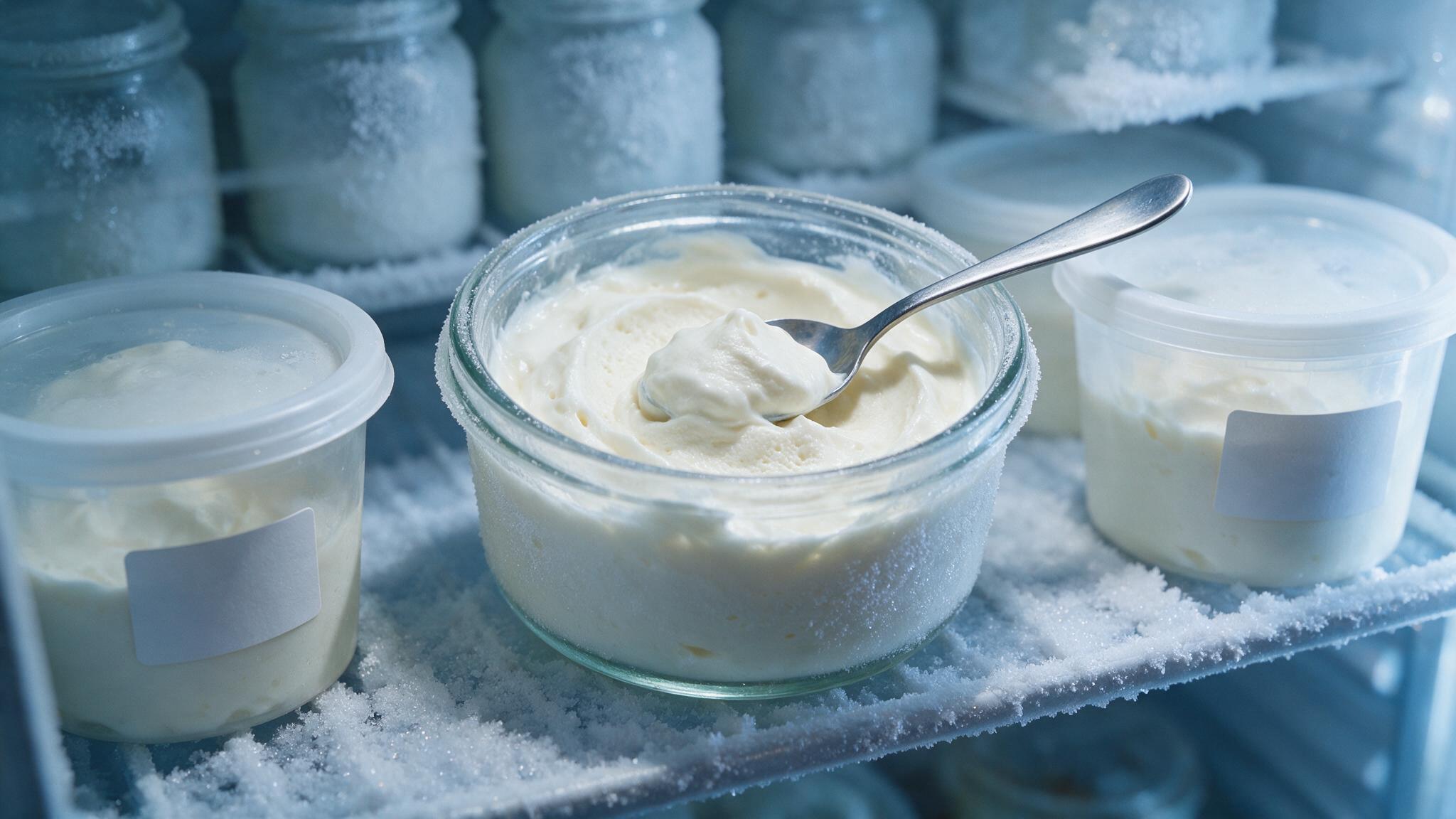
You bought a big tub of yogurt on sale, used a few spoonfuls for a recipe, and now it’s sitting in your fridge with a week left before the sell-by date. Sound familiar? The good news is that you don’t have to race to finish it or watch it go to waste.
Yes, you can absolutely freeze yogurt — and doing so is easier than most people think. Whether you have plain, Greek, flavored, or single-serve cups, the freezer can buy you an extra month or two. The one thing worth knowing upfront: frozen yogurt won’t come back looking exactly the way it went in. This guide walks you through everything — what changes, what doesn’t, and how to get the most out of every container.
Can You Freeze Yogurt?
Yes, you can freeze yogurt — whether it’s Greek yogurt, plain yogurt, or individual yogurt cups. Freezing your yogurt can help keep it from spoiling or create a cold, healthy treat. It’s one of the simplest ways to cut down on food waste and stretch your grocery budget, especially when you stock up during a sale.
The health-boosting live and active bacteria found in yogurt survive freezing. The most discernible change is its texture, which is grainier or thinner after freezing. Knowing that going in makes it much easier to plan how you’ll use it once it’s thawed.
You can freeze all types of yogurt — Greek yogurt, plain yogurt, fat-free yogurt, organic yogurt, yogurt cups, squeeze tubes, and even plain or flavored or fruit-swirled varieties. The process is the same across the board, with just a few small adjustments depending on how you plan to use it later.
Pro Tip: If you want to eat thawed yogurt straight from the container, look for brands that list stabilizers like pectin, xanthan gum, or gelatin in the ingredients — these help the yogurt hold its texture better after freezing.
Does Freezing Change the Texture or Taste of Yogurt?
Some yogurts may look noticeably thinner or grainier after freezing. It isn’t unusual to see tiered layers as you thaw your yogurt. This is because freezing collapses the protein networks in yogurt. The process releases water that, when frozen, separates from the milk solids.
Yogurt is packed with water, mostly in the form of whey. When you freeze it, this water forms sharp little ice crystals that disrupt the protein structure that gives yogurt its thick, smooth consistency. Once you thaw it, the original texture is largely gone. The whey separates from the solids, leaving a consistency that’s often grainy or gritty, and thinner or watery.
Yogurt may also taste a bit more tart after it’s been frozen. But this transformation is purely textural. Freezing doesn’t touch the safety or nutritional profile of the yogurt. You’ll still get all that protein and those probiotic benefits.
Greek yogurt tends to freeze better than regular yogurt because it’s thicker and contains less liquid. If you’re planning to eat yogurt straight out of the container after freezing it, keep in mind that yogurts with added stabilizers will freeze best. Look for ingredients like pectin, xanthan gum, and gelatin, which prevent yogurt from separating in the freezing process.
If you’re using thawed yogurt in smoothies, baked goods, or sauces, the texture change is essentially a non-issue — the blending or cooking process takes care of it. You can also learn more about how whole plant-based foods pair well with yogurt-based recipes for added nutrition.
How to Freeze Yogurt the Right Way
The best method depends on how you plan to use the yogurt once it’s thawed. Here are four reliable approaches, each suited to a different situation.
Method 1: Freeze in the Original Container
You can freeze yogurt directly in the container you purchased from the store, or in an airtight container if you purchased a big tub and want to divide it up. Because yogurt is partially liquid, it will expand slightly when you freeze it. Leave 1 to 2 inches of space at the top to prevent the container from bursting.
If you’re using the original yogurt container, cover it with a layer of plastic wrap before sealing the lid to add extra protection against the cold air. Label each container or bag with the date of freezing to keep track of how long the yogurt has been stored.
Method 2: Freeze in Ice Cube Trays
If you’re planning to use your frozen yogurt in smoothies or pre-made smoothie packs, freeze it in an ice cube tray. After the cubes are solid, they can be enjoyed as is or added directly to a smoothie — just pop a few cubes into the blender with the rest of your ingredients.
Once frozen solid, transfer the cubes to a zip-top freezer bag for longer storage. You can even freeze berries or spinach in the yogurt cubes for an added boost.
Method 3: Scoop onto a Baking Sheet
Line a baking sheet with parchment paper. Using an ice cream scoop, portion the yogurt onto the parchment paper, leaving an inch or two between each scoop. Freeze for 6 to 8 hours, then remove the frozen scoops to a freezer container or resealable bag for longer storage. This method works best for thicker Greek yogurt, as thinner plain yogurt may not hold its shape and might spread across the tray.
Method 4: Freeze in Portion-Sized Bags
Transfer yogurt to an airtight container, making sure not to fill all the way to the top, since yogurt will expand a bit once frozen. Portioning it into half-cup or one-cup amounts before freezing makes it easy to grab exactly what you need for a recipe without thawing the whole batch.
Pro Tip: Stir the yogurt thoroughly before freezing to distribute the whey evenly. This simple step helps minimize the grainy separation you’ll see after thawing.
How Long Can You Freeze Yogurt?
You can store yogurt safely in the refrigerator in a closed container at 40°F (4°C) for 1 to 2 weeks. However, if you decide to store it in the freezer, you can extend its shelf life to 1 to 2 months.
Yogurt can be frozen for up to two months. Technically, it’s safe to eat for quite a while after that, but freezer burn can set in, with taste and textural changes after the two-month mark.
The table below gives you a quick reference for yogurt storage timelines:
| Storage Method | Recommended Duration | Best Use After Storage |
|---|---|---|
| Refrigerator (sealed) | 1–2 weeks | Eating fresh, cooking, baking |
| Freezer (any method) | Up to 2 months | Smoothies, baking, cooking |
| Freezer (for spoon eating) | Up to 30 days | Eating directly after thawing |
If you plan to eat the yogurt with a spoon, aim for no more than 30 days in the freezer. While the yogurt will still be safe to use and nutritious, the texture will continue to change as it sits in the freezer. If you’re intending to enjoy it with a spoon, aim to do so within the first month of freezing.
It’s also worth knowing that you can freeze yogurt that has expired as long as it has not gone bad, but be sure to consume it immediately after thawing. Always freeze before the sell-by date whenever possible for the best results. For more tips on getting the most from nutrient-rich foods like yogurt, it helps to understand how storage affects their health benefits.
How to Thaw Frozen Yogurt
How you thaw yogurt matters just as much as how you freeze it. Rushing the process can compromise both texture and food safety.
- Refrigerator overnight (recommended): Move the container from your freezer straight to the fridge. This slow, gradual temperature change is gentle on the yogurt’s protein structure, which helps minimize the watery separation you’ll see. A standard container can easily take a full 24 hours to thaw completely.
- Counter thaw (quick option): If you’re pressed for time, you can keep it on the counter for up to 2 hours. While this won’t fully thaw it, it can soften the yogurt.
- Add frozen to blender (smoothies only): If adding to smoothies, there is no need to thaw. Just drop the frozen cubes or scoops straight into the blender.
Never thaw yogurt in the microwave or leave it sitting on the counter for extended periods. The microwave creates hot spots that can cook the yogurt, turning it into a lumpy, rubbery mess. And letting it thaw at room temperature for too long invites bacterial growth, making it unsafe to eat.
If the yogurt was made from raw milk, don’t thaw it on the counter for any period of time. Raw milk yogurt carries a higher risk of harmful bacteria like E. coli when left at room temperature.
Once thawed, you can insert a single whisk from a hand blender into the container and mix at the lowest speed to give it a smoother texture. A vigorous stir with a spoon also helps recombine the separated whey.
Can You Refreeze Yogurt After Thawing?
Once yogurt has been thawed, do not freeze it again. Refreezing puts the yogurt through a second cycle of ice crystal formation and protein breakdown, which worsens the texture significantly and increases the risk of bacterial growth during the repeated thaw cycle.
The best way to avoid this situation is to freeze yogurt in individual portions from the start. Portioning yogurt into individual servings before freezing makes it easier to thaw only the amount you need without defrosting the entire batch. Ice cube trays and small zip-top bags work especially well for this.
Important Note: Thaw only what you plan to use within 1 to 2 days. Once yogurt is thawed and refrigerated, treat it like fresh yogurt and don’t refreeze it.
How to Use Frozen Yogurt (Best Uses After Freezing)
The changes in yogurt after it’s been frozen and thawed won’t be obvious when you use it to make drinks or for cooking and baking. These applications are where thawed yogurt truly shines, and they make the most of your frozen stash without any texture concerns.
Smoothies
Smoothies are a go-to use for yogurt after freezing. They don’t require the yogurt to be thawed beforehand — just pop the yogurt ice cubes into the blender with the other ingredients. This is especially handy for busy mornings when you want a quick, protein-packed breakfast.
Baking
Baked recipes don’t need the texture of yogurt to be perfect, so they’re a great option for frozen yogurt. Just give the yogurt a quick stir before using it, and you’re good to go. Think muffins, quick breads, pancakes, and coffee cakes — yogurt adds moisture and a subtle tang that works beautifully in these recipes. Pair it with skin-healthy foods for a nutritious approach to everyday eating.
Savory Sauces and Marinades
Thawed yogurt works well in main dishes, like the sauce in chicken and spinach enchiladas or as the base of a slow cooker beef stroganoff. You can also marinate meat in yogurt for a more flavorful and tender result. The natural acids in yogurt tenderize proteins beautifully, making it a smart marinade base for chicken, lamb, and pork.
Frozen Yogurt Pops
One of the best ways to use up yogurt that’s nearing its expiration date is to freeze it into a treat. Making frozen yogurt pops is easy and a great way to prevent food waste while creating a healthy snack. Pour yogurt into popsicle molds, add fresh fruit, and freeze overnight for a simple summer treat the whole family will enjoy.
Dips and Dressings
Thawed yogurt works well as a base for creamy dips, tzatziki, and salad dressings. Thawed yogurt doesn’t make the smoothest sauces, so if you’re at all concerned about texture, save your thawed yogurt for a baking project or a smoothie. For dips, a quick blend with a hand mixer restores enough smoothness to make it work. You can also explore healing foods that complement yogurt-based dishes for added nutritional value.
Signs That Frozen Yogurt Has Gone Bad
Freezing slows spoilage, but it doesn’t stop it indefinitely. Frozen yogurt can go bad. If you notice any mold, a slimy film, or off-putting odors, discard it right away. Here’s what to look for before using any frozen or thawed yogurt:
- Mold: Any visible mold — pink, green, or black spots — means the yogurt should go straight in the trash. Don’t scoop it off and eat the rest.
- Sour or rancid smell: Thawed yogurt naturally smells a bit tart, but a sharp, rancid, or “off” odor is a sign it has spoiled.
- Slimy texture: Separation and graininess are normal after thawing. A slimy or unusually thick film on the surface is not — that’s bacterial growth.
- Excessive freezer burn: After the six to eight-week storage span, yogurt will get icicles and freezer burn, which isn’t ideal. Heavy freezer burn doesn’t make yogurt unsafe, but it does significantly affect the flavor and is a sign it’s past its prime.
- Unusual color: Fresh yogurt is white or off-white. Yellow, gray, or other discoloration after thawing suggests the yogurt has gone bad.
When in doubt, throw it out. According to the USDA, food stored constantly at 0°F will always be safe — only the quality is affected with lengthy freezer storage. Freezing preserves food for extended periods because it prevents the growth of microorganisms that cause both food spoilage and foodborne illness. That said, quality still matters, so sticking to the two-month window is the best practice.
For more on how the foods you eat every day affect your health, see this guide to powerful nutrients found in everyday foods.
Frequently Asked Questions
Does freezing yogurt kill the probiotics?
No, the health benefits of good bacteria in yogurt are not destroyed in the freezing process. They are, however, destroyed when yogurt is heated. Research shows that the live bacteria go into a “dormant” mode until thawed. Once you thaw the yogurt, the cultures become active again.
Can you freeze Greek yogurt?
Yes, you can absolutely freeze Greek yogurt. It’s a practical way to extend its shelf life and cut down on food waste. Greek yogurt tends to freeze better than regular yogurt because it’s thicker and contains less liquid. Use any of the methods described above — container, ice cube tray, or baking sheet scoops.
Can you freeze flavored or fruit yogurt?
Yes, you can freeze any flavored yogurt in its container or a freezer-safe container. Fruit-on-the-bottom varieties freeze well, though the fruit may become softer after thawing. Flavored yogurts work especially well in smoothies and baked goods after freezing.
Can you freeze yogurt for babies?
Yes, you can freeze yogurt for babies. There is no harm in doing so, as long as you don’t keep it in the freezer beyond the two-month limit. Within this range, babies can still get all the nutritional benefits from yogurt’s good bacteria. Freeze in small portions so you only thaw what you need for a single serving.
Is frozen yogurt the same as store-bought froyo?
Store-bought frozen yogurt is often churned as it’s frozen, incorporating air bubbles into the mixture and producing a slightly smoother final product. If this is your preferred texture, you may achieve a similar result at home by using an ice cream machine to freeze your yogurt instead of simply placing the container in the freezer. Simply freezing regular yogurt gives you a solid, icy block — not the creamy froyo texture you’d get at a shop.
What is the best yogurt to freeze?
Full-fat and Greek yogurts freeze best because their higher fat and protein content helps maintain structure after thawing. It is best to freeze plain yogurt, but it will work with flavored yogurt too. Low-fat and non-fat varieties tend to become more watery after thawing, so they’re better suited for smoothies and baking than for eating with a spoon. You can also look at foods that support liver function to understand how fermented dairy like yogurt fits into a balanced diet.