Can You Eat Catfish While Pregnant? What Every Mom-to-Be Should Know

April 24, 2026
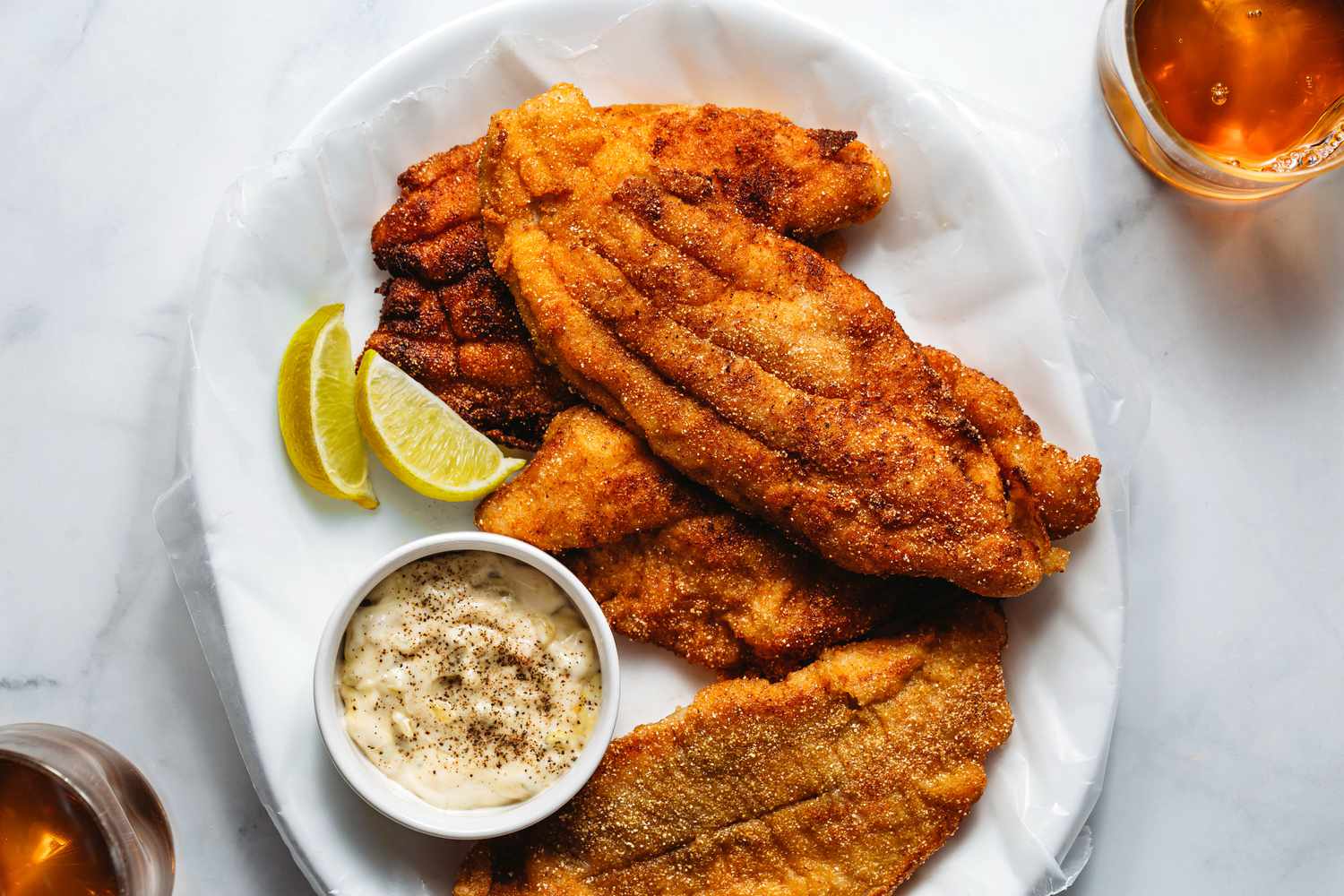
If you’ve been craving catfish during your pregnancy and then paused to wonder whether it’s actually safe, you’re not alone — and the good news is you don’t have to give it up. Catfish is one of the most pregnancy-friendly fish available, sitting on the FDA’s approved list right alongside salmon and shrimp.
That said, there are a few important details worth knowing before you dig in: how much is safe, how it should be cooked, and the one scenario where you’ll want to think twice. This guide walks you through everything clearly so you can eat with confidence.
The Short Answer
Yes — catfish is safe to eat during pregnancy. Catfish is considered one of the safer fish to eat during pregnancy. It’s a lower-mercury fish that pregnant women can have in moderation — about 8 to 12 ounces a week.
During pregnancy, you can eat 8 to 12 ounces per week of fish that doesn’t have a lot of mercury, and catfish is specifically included on that list alongside shrimp, salmon, pollock, and canned light tuna. That’s roughly two to three satisfying servings each week.
Pro Tip: A single serving of catfish during pregnancy is 4 ounces — about the size of your palm. Two to three of those per week keeps you well within the safe zone.
The FDA and EPA place catfish in the “Best Choices” category — a group that covers nearly 90% of fish eaten in the U.S., including shrimp, salmon, tilapia, canned white tuna, and cod. Being in the “Best Choices” tier means you can eat two to three servings weekly, not just one.
Why It’s Safe
The primary concern with fish during pregnancy is mercury — a heavy metal that can cross the placenta and affect your baby’s developing brain and nervous system. Catfish simply doesn’t carry that risk the way larger, predatory fish do.
Fish that are larger and live longer than catfish tend to have the highest levels of mercury. On average, swordfish may harbor as much as 40 times more mercury than catfish. In fact, the FDA lists catfish as one of the species that’s lowest in mercury.
Beyond being low in mercury, catfish is genuinely nutritious for you and your baby. Catfish is low in calories and packed with lean protein, healthy fats, vitamins, and minerals. It’s particularly rich in heart-healthy omega-3 fats and vitamin B12.
Catfish is a good source of protein, with 49 percent of the daily value in one fillet. Each serving also delivers a meaningful range of vitamins and minerals including selenium, phosphorus, potassium, and thiamine. For a growing baby, those nutrients matter enormously.
Key Insight: Catfish delivers omega-3 fatty acids in the form of EPA and DHA — the most bioavailable forms, meaning your body (and your baby’s) can actually use them efficiently for brain and nervous system development.
Seafood can be a great source of protein, iron, and zinc — nutrients that are important for your baby’s growth and development. The omega-3 fatty acids in many fish, including docosahexaenoic acid (DHA), also help with your baby’s brain development.
You can explore more about the pros and cons of eating seafood during pregnancy and beyond to get a fuller picture of how fish fits into a healthy diet.
What the Research Actually Says
The science on fish consumption during pregnancy has actually shifted in recent years — and it’s shifted toward eating more fish, not less. Many pregnant women have been avoiding seafood out of excessive caution, when the data tells a different story.
Fish intake during pregnancy is recommended because moderate scientific evidence shows it can help your baby’s cognitive development. This isn’t just a general wellness suggestion — it’s a finding backed by multiple large-scale studies.
Most of the studies that the FDA and EPA reviewed compared levels of fish consumption with the IQ of offspring. These findings consistently demonstrated that among women who consumed more fish during pregnancy, there were improvements in the child’s IQ — with the positive effect extending to both verbal and overall IQ.
FDA and international experts calculated that optimal fish consumption during pregnancy can increase IQ by 3 to 5 points. Although maximum benefits can be obtained from consumption of 8 to 12 ounces of fish per week, consumption of just 4 to 6 ounces per week can provide as much as 70% of the maximum possible neurodevelopmental benefit.
Empirical evidence published since 2004, as well as FDA, FAO, and WHO assessments, indicates that fish consumption beyond what most people eat would be necessary for exposure to become harmful. In other words, eating catfish two or three times a week puts you nowhere near any risk threshold.
Some studies have shown that modest fish consumption — two meals per week — during pregnancy may actually improve motor skills, brain function, and communication in young children. Other research suggests that seafood consumption may help mothers carry their babies to full term and avoid low birth weight.
Key Insight: The research is clear — the bigger risk for most pregnant women isn’t eating too much low-mercury fish like catfish. It’s eating too little. About half of pregnant women eat only half the recommended weekly amount of fish.
For a broader look at how nutrients in food support healthy development, check out this guide on foods that boost brain health and function — many of which overlap with what catfish provides.
How to Do It Safely
Eating catfish safely during pregnancy comes down to three things: how much you eat, how it’s sourced, and how it’s cooked. Get those three right, and you’re in excellent shape throughout all three trimesters.
Serving Size and Frequency
The FDA, EPA, and Dietary Guidelines for Americans recommend that pregnant people eat at least 8 ounces and up to 12 ounces of a variety of seafood lower in mercury per week — that’s about 2 to 3 servings. Catfish counts toward that total and can make up part or all of your weekly fish intake.
For adults who weigh less than 165 pounds, eating smaller portions or eating just two servings of fish a week from the “Best Choices” category keeps mercury intake within safe limits. For example, you could eat 2.5 ounces three times a week, or 4 ounces two times a week.
Farm-Raised vs. Wild-Caught
Both farm-raised and wild-caught catfish can be safe during pregnancy, but they’re not identical — and the distinction matters.
Farm-raised catfish is generally safe to eat during pregnancy. It’s often monitored for contaminants, ensuring lower mercury levels. Wild-caught catfish can also be safe if sourced responsibly.
However, some fish caught by family and friends — such as larger carp, catfish, trout, and perch — are more likely to have fish advisories due to mercury or other contaminants. The key difference here is commercially raised catfish versus catfish pulled from a local lake or river.
If you’re pregnant or breastfeeding, you may want to select farmed catfish over wild catfish — particularly if the wild-caught fish comes from a body of water without a current safety advisory.
Important Note: If someone offers you locally caught catfish, check your state or local health department’s fish advisory before eating it. Locally caught fish from rivers and lakes can have contaminant levels that commercially raised fish don’t.
Cooking Catfish Safely
Raw or undercooked catfish is never safe during pregnancy. The good news: cooking it properly is straightforward.
- Cook catfish to an internal temperature of at least 145°F and make sure it is opaque in color before eating.
- The fish should flake easily with a fork — if it doesn’t, it needs more time.
- Wash your hands and the cooking surface before preparing any seafood, and use a cutting board dedicated specifically to seafood prep.
- Use or freeze fresh catfish within one to two days after purchasing.
- Cooking techniques that allow fats to drip away from the fish — such as grilling, broiling, or baking on a rack — are also beneficial for reducing any fat-soluble contaminants.
Deep-frying is safe from a food safety standpoint (as long as it reaches temperature), but it adds significant calories and fat. Baking, broiling, or grilling are healthier choices that keep the nutritional profile intact.
Trimester-by-Trimester Breakdown
You can eat catfish during the first trimester — it’s a low-mercury fish, making it a safe and nutritious choice. Just ensure it’s cooked thoroughly to avoid any harmful bacteria.
Catfish is safe to eat during the second trimester as well. It provides protein and omega-3 fatty acids, which are vital for your baby’s brain development. Just remember to cook it properly and enjoy it as part of a balanced diet.
Catfish is also safe in the third trimester. The same guidelines apply — 8 to 12 ounces per week, fully cooked, from a commercial or verified source.
For more on what to eat and avoid across your whole pregnancy, this resource on foods and beverages to avoid during pregnancy is a helpful companion read. You might also find this article on powerful nutrients and foods useful for understanding how nutrient-dense eating supports overall health.
When to Avoid It Completely
Catfish itself isn’t the problem in any of these scenarios — the concern is the source, preparation, or individual health context. Here’s when you should skip it:
- Locally caught catfish with no advisory: Check for fish and shellfish advisories to find out how often you can safely eat locally caught fish. If there is no advisory, eat only one serving and no other fish that week.
- Raw or undercooked catfish: Undercooked catfish can carry parasites or bacteria, increasing the risk of infections during pregnancy. This includes catfish sushi, ceviche-style preparations, or any dish where the fish hasn’t been fully cooked.
- Catfish from visibly polluted water sources: Catfish from polluted waters might contain harmful pollutants that can affect both maternal and fetal health.
- If you have a fish allergy: Eating catfish may trigger allergic reactions in those with fish allergies, causing hives or breathing issues. If you’ve never eaten catfish before and discover a fish allergy during pregnancy, avoid it entirely.
- If you’re already at your weekly fish limit: Catfish counts toward your 8–12 ounce weekly total. If you’ve already had salmon and shrimp earlier in the week, factor that in before adding catfish.
Common Mistake: Assuming all fish safety concerns are the same. Catfish is not in the same category as shark, swordfish, or king mackerel. Those fish are on the “Avoid” list during pregnancy — catfish is firmly on the “Best Choices” list.
For a broader look at foods that deserve more caution during pregnancy, the foods to avoid during pregnancy guide covers the full picture. You may also want to review how food preservatives can factor into processed seafood products if you’re buying pre-marinated or packaged catfish.
Quick Reference Chart
| Catfish Type / Scenario | Safety Status | Notes |
|---|---|---|
| Farm-raised catfish (commercially sold) | ✅ Safe | Best choice — monitored for contaminants |
| Wild-caught catfish (commercially sold) | ✅ Safe | Safe when responsibly sourced |
| Locally caught catfish (advisory checked) | ⚠️ With Caution | Verify local health advisory first; limit to 1 serving/week if no advisory |
| Locally caught catfish (no advisory, unknown waters) | ⚠️ With Caution | One serving max that week, no other fish |
| Fully cooked catfish (baked, grilled, broiled) | ✅ Safe | Must reach 145°F internal temp and flake easily |
| Deep-fried catfish | ✅ Safe (less ideal nutritionally) | Food-safe if fully cooked; higher in fat and calories |
| Raw or undercooked catfish | ❌ Unsafe | Risk of bacteria and parasites — avoid entirely |
| Catfish from polluted/industrial waterways | ❌ Unsafe | Potential PCB and contaminant exposure |
| More than 12 oz/week of catfish | ⚠️ With Caution | Stay within weekly 8–12 oz limit for all fish combined |
| Catfish with a known fish allergy | ❌ Unsafe | Avoid entirely if allergic to fish |
For more on heart-healthy superfoods and whole plant-based foods that pair well with a fish-inclusive pregnancy diet, those guides offer great complementary nutrition ideas.
Frequently Asked Questions
Can I eat fried catfish while pregnant?
Yes, as long as it’s cooked all the way through to 145°F. Deep-frying does make catfish significantly higher in fat and calories, so it’s not the most nutritious preparation — but from a food safety standpoint, fully fried catfish is fine during pregnancy. Opt for baked or grilled versions when you can.
Is catfish safe in the first trimester?
Yes — catfish is safe during the first trimester. It’s a low-mercury fish, making it a safe and nutritious choice from the very start of your pregnancy. The same cooking and portion guidelines apply throughout all three trimesters.
How much catfish can I eat per week while pregnant?
The FDA, EPA, and Dietary Guidelines for Americans recommend eating at least 8 ounces and up to 12 ounces of low-mercury seafood per week during pregnancy — about 2 to 3 servings. Catfish counts toward this total. If you’re also eating other fish that week, factor those portions in.
Is farm-raised or wild-caught catfish better during pregnancy?
Farm-raised catfish is generally safe to eat during pregnancy and is often monitored for contaminants, ensuring lower mercury levels. Wild-caught catfish sold commercially is also fine. The caution applies specifically to catfish caught from local bodies of water, which may carry higher contaminant risks depending on the location.
Can catfish harm my baby?
When eaten in the recommended amounts and fully cooked, no — catfish is not harmful to your baby. Mercury can harm a developing baby’s brain, but eating average amounts of seafood containing low levels of mercury during pregnancy hasn’t been shown to cause problems. Catfish is consistently ranked among the lowest-mercury fish available.
What fish should I completely avoid during pregnancy?
The FDA and EPA list seven fish to avoid during pregnancy because of high mercury levels: shark, swordfish, king mackerel, tilefish from the Gulf of Mexico, orange roughy, marlin, and bigeye tuna. Catfish is not on this list — it’s in the opposite category entirely. You can also review the full list of foods and beverages to avoid during pregnancy for a complete reference.
Can I eat catfish if I’m breastfeeding?
Yes. Women who are breastfeeding should consume at least 8 and up to 12 ounces of a variety of seafood per week, from choices that are lower in methyl mercury — and catfish qualifies. The same guidelines that apply during pregnancy extend into the breastfeeding period. Eating fish while nursing supports your own nutritional recovery and continues to benefit your baby through breast milk.
For further reading on how your diet supports your health during and after pregnancy, explore these helpful resources: foods for healthy skin, foods that support liver function, and fibroid healing foods — all of which are relevant to overall wellness during the pregnancy and postpartum period.