Can You Freeze Sliced Cheese? Storage Tips, Shelf Life, and Best Uses

November 12, 2026
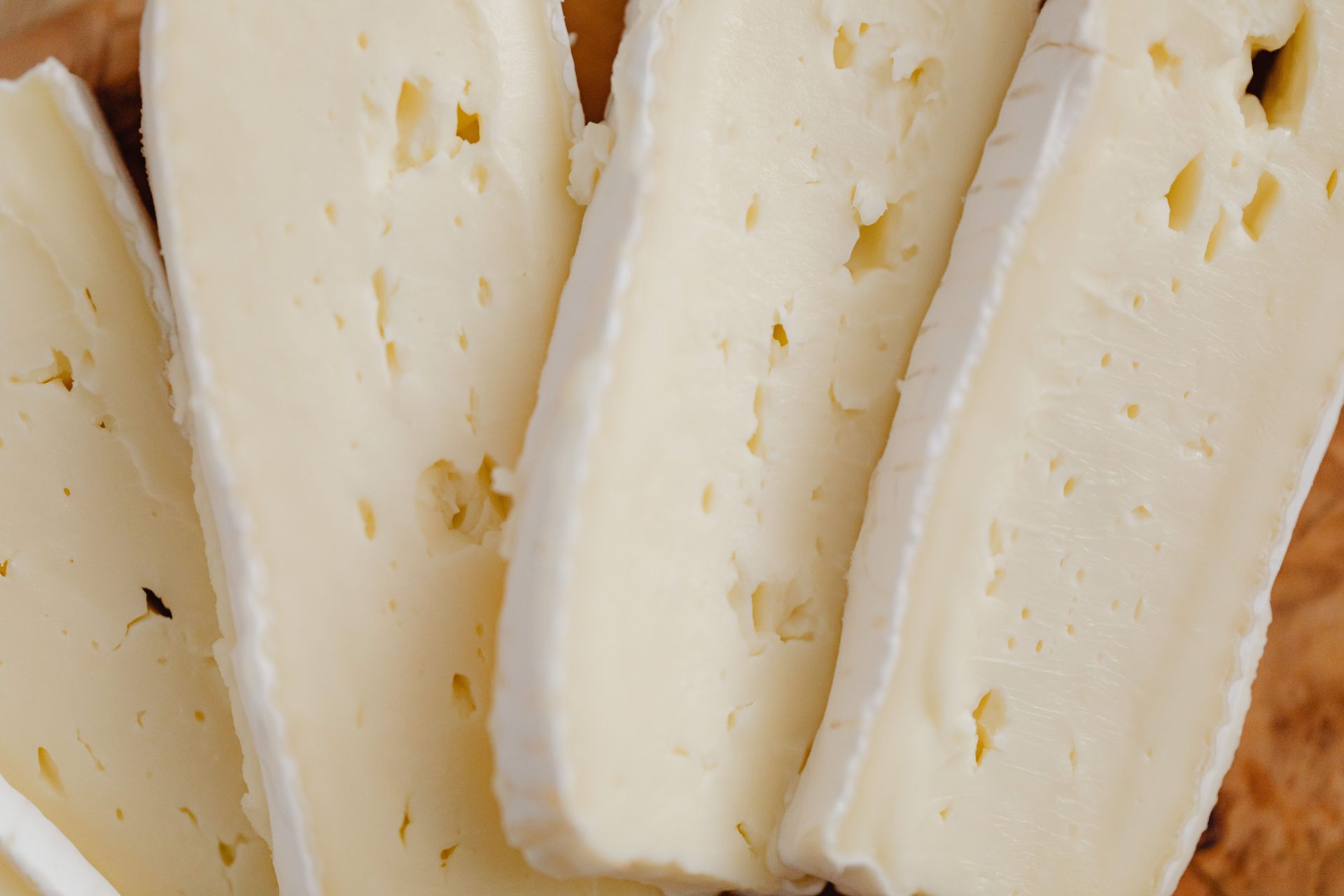
Sliced cheese is one of those refrigerator staples that seems to disappear fast — until suddenly you have too much of it. Maybe you stocked up during a sale, bought a deli platter with leftovers, or simply opened a package you won’t finish before it dries out. Whatever the situation, the freezer is a practical option worth knowing about.
The short answer is yes, you can freeze sliced cheese. The longer answer involves understanding which types hold up best, how to package them properly, and what to expect when you pull them out weeks later. This guide covers everything you need to make it work.
Can You Freeze Sliced Cheese?
You can freeze sliced cheese, depending on the type you want to freeze and how you plan to use it afterward. The best cheeses to freeze in slices are harder varieties such as cheddar or Monterey Jack. Softer cheeses have more moisture in them and are less likely to hold up after being frozen and thawed again in slices.
Hard cheeses like cheddar and Monterey Jack freeze particularly well in slice form. Common American deli favorites — cheddar, Swiss, provolone, and pepper jack — are all solid candidates. Processed cheese products such as American cheese slices may not freeze as well due to their emulsified nature, and freezing can cause them to become rubbery or lose their creamy consistency.
Most pre-sliced cheeses freeze well. Separate slices with wax paper to prevent sticking and store in a freezer bag. Thawed slices may be slightly drier and brittle but are fine for sandwiches and melting.
Pro Tip: Freeze sliced cheese before the best-by date, not after it has already started to dry out at the edges. Starting with the freshest possible slices gives you the best results after thawing.
Does Freezing Change the Texture or Taste of Sliced Cheese?
When cheese is frozen, its moisture turns into ice crystals, which are released as water once it thaws. This creates a drier and crumblier cheese, which is why softer or creamier types are greatly affected. For firmer sliced cheeses, the change is noticeable but manageable depending on how you plan to use them.
Freezing cheese should not result in much change to its flavor — it is really just the texture that is likely to change. The caveat is that if you place poorly packaged cheese in a smelly freezer, those odors could permeate the slices.
The general rule of thumb is that freezing cheese will likely change its texture. If you opt to freeze it, cook with it after thawing, because the texture change becomes a moot point once it is all melted. Slices that come out of the freezer slightly crumbly or brittle are still excellent for grilled cheese sandwiches, quesadillas, casseroles, and melted toppings.
| Cheese Type | Freezes Well as Slices? | Expected Texture Change | Best Use After Freezing |
|---|---|---|---|
| Cheddar | Yes | Slightly crumbly | Melting, grilled cheese, casseroles |
| Swiss | Yes | Slightly drier | Sandwiches, quiches, baked dishes |
| Provolone | Yes | Minimal change | Subs, pizza, melted toppings |
| Monterey Jack | Yes | Slightly brittle | Quesadillas, nachos, burgers |
| American (processed) | Fair | Can turn rubbery | Cooked dishes only |
| Mozzarella (fresh) | No | Watery, falls apart | Not recommended |
How to Freeze Sliced Cheese the Right Way
Proper packaging is the single biggest factor in how well your sliced cheese survives the freezer. The goal is to keep air and moisture out while preventing the slices from fusing into one solid block.
Once you have selected fresh cheese slices ready for freezing, they need to be prepared so the slices will not stick together once frozen. Place a piece of parchment paper between each cheese slice, creating a stack as you go. You can also dust a little flour on each slice to reduce clumping, but parchment paper alone should work. Place the stacked slices in a freezer bag and remove the excess air, then seal the bag and label and date it.
For store-bought sliced cheese that already has wax paper between each piece, you can freeze them as-is if they already come with wax paper between them. For deli-sliced cheese, place a piece of parchment paper between each slice, then wrap the cheese in freezer paper, tape it shut, and place the whole package in a freezer bag or freezer-safe container.
- Check for freshness first. The most important thing when freezing cheese slices is that the cheese is at its freshest. Check the slices for mold or discoloration, and discard any pieces with either of these features.
- Separate each slice. Layer parchment or wax paper between every slice so they do not freeze together in a clump.
- Wrap the stack tightly. Wrap the full stack in plastic wrap or freezer paper before placing it in a bag.
- Remove all air. If you have already opened the package, place it in a freezer bag and remove as much air as possible. Double-bag to help prevent freezer burn.
- Label with the date. Write the cheese type and freeze date on the bag so you know exactly what is inside and when to use it by.
- Store at the right temperature. Keep your freezer at 0°F (-18°C) or below to maintain the quality of the cheese.
Pro Tip: If you are freezing deli-sliced cheese, flash freezing works well. Lay your slices out on a parchment-lined cookie sheet, freeze for 30–60 minutes until firm, then transfer to a freezer bag for long-term storage. This keeps the slices completely separate and easy to grab one at a time.
How Long Can You Freeze Sliced Cheese?
Use frozen cheese slices within 4–6 months for best results. That said, cheese can be frozen for up to six months, but using it within two to three months is recommended for the best quality.
Freezing stops bacterial growth, so cheese can be frozen for quite a long time — but it is recommended to use it within six months. Beyond this, the cheese’s taste and texture can be very significantly altered.
For reference, here is a quick shelf-life breakdown by storage method:
- Refrigerator (unopened): Until the best-by date, typically 2–4 weeks for sliced deli cheese
- Refrigerator (opened): Hard cheeses last up to 4 weeks; soft cheeses 5–7 days.
- Freezer (sliced, well-wrapped): Best quality within 2–3 months; safe up to 6 months
The key variable is packaging. Slices that are double-wrapped and stored in a quality freezer bag will hold up much longer than slices tossed in a single bag with excess air still inside. Consistent freezer temperature also matters — a freezer that gets opened frequently and fluctuates in temperature will degrade quality faster.
How to Thaw Frozen Sliced Cheese
For best results, thaw frozen cheese in the refrigerator for 24–48 hours before eating. This slow, cold thaw minimizes moisture loss and gives the cheese the best chance of holding its shape.
Thaw cheese in the refrigerator rather than at room temperature to minimize bacterial growth. Place the cheese in its packaging on a plate to catch any moisture. Avoid leaving frozen slices on the counter — room temperature thawing increases the risk of bacterial growth and speeds up texture degradation.
If you only need a few slices, there is no need to thaw the entire package. Because you separated the slices with parchment paper before freezing, you can pull out just what you need and return the rest to the freezer untouched.
Pro Tip: Plan ahead the night before. Move the slices from the freezer to the fridge before bed, and they will be ready to use by morning — no last-minute rushing or microwave thawing needed.
Can You Refreeze Sliced Cheese After Thawing?
Once you have thawed cheese that has been frozen, do not refreeze it. Refreezing is not recommended for any type of sliced cheese. Each freeze-thaw cycle causes more ice crystals to form and break down the cheese’s protein structure, resulting in a noticeably worse texture with each round.
Avoid refreezing cheese after it has been thawed, as this can further degrade quality. The safest approach is to freeze in portions you will realistically use within a few days of thawing. If you have a large stack of slices, divide them into smaller groups — say, four to six slices per bag — before freezing so you only thaw what you need.
This is exactly why labeling and portioning before freezing matters so much. Smaller, clearly labeled packets make it easy to grab the right amount without disturbing the rest of your supply. For more tips on smart food storage and reducing waste in the kitchen, check out this guide to whole plant-based foods and how they store.
How to Use Frozen Sliced Cheese (Best Uses After Freezing)
Thawed sliced cheese may not look picture-perfect, but it works beautifully in a wide range of everyday cooking. The key is matching the cheese to the right application — anywhere heat or moisture is involved, the texture change becomes invisible.
- Grilled cheese sandwiches: The classic American comfort food is one of the best uses for thawed sliced cheddar, Swiss, or provolone. The heat melts everything back together.
- Quesadillas and tacos: Thawed Monterey Jack or pepper jack slices melt perfectly in a hot skillet and are ideal for weeknight Mexican-inspired dinners.
- Burgers and hot sandwiches: Lay a slice over a patty or chicken breast right before it comes off the heat. The slight crumbliness disappears entirely once melted.
- Casseroles and baked pasta: If you opt to freeze cheese, cook with it after thawing because the texture change becomes a moot point once it is all melted. Test it out in cheesy casserole recipes.
- Omelets and scrambled eggs: Lay a thawed slice into an omelet or fold it into eggs for a quick, protein-rich breakfast.
- Soups and chili: Tear thawed slices and stir them into a hot bowl of tomato soup or chili for a creamy, melted finish.
Thawed slices are not recommended for charcuterie boards, and you definitely do not want to freeze the fancy stuff you bought for snacking with crackers. Save the freezer for workhorse cheeses you plan to cook with, and keep your fresh specialty cheeses in the refrigerator where they belong.
Cheese is a versatile ingredient that pairs well with many health-conscious meals. If you are looking for ways to build more nutritious dishes around your pantry staples, this resource on superfoods for a healthy heart offers practical meal ideas worth exploring.
Signs That Frozen Sliced Cheese Has Gone Bad
Freezing slows bacterial growth but does not stop it indefinitely, and poor packaging can cause quality to drop well before the six-month mark. Before using any thawed sliced cheese, run through these checks.
Look: Unless you are expecting naturally occurring mold, visible mold and discoloration are often signs of spoilage. On hard cheeses, specks of blue or green on the surface can sometimes be cut away. However, with sliced cheese, any visible mold means you should discard the entire slice — mold spreads easily between thin pieces that have been in contact with each other.
Smell: A sour or off smell is a clear sign of spoilage. Fresh cheese should have a pleasant, milky aroma. A sour, ammonia-like, or otherwise unpleasant smell when you open the bag means it has gone off.
Feel: If the cheese feels slimy or excessively dry, it may no longer be good to consume. Some dryness after freezing is normal, but sliminess is always a red flag.
Taste: An off or bitter taste can indicate that the cheese has gone bad. Dispose of your cheese if it has an unintentionally bitter flavor, a fermented fruit taste, or a fizzy sensation on your tongue.
Freezer burn: You can tell if frozen cheese has gone bad by looking for discolored, frost-bitten, or poor-tasting areas. Freezer-burned patches appear as grayish-white, dry spots on the surface. The cheese is technically still safe to eat, but the affected areas will taste dry and papery. Cut them away and use the rest in a cooked dish.
Important Note: When in doubt, throw it out. A package of sliced cheese is not worth a foodborne illness risk, especially if it has been in the freezer longer than six months or was not packaged with care from the start.
Frequently Asked Questions
Can You Freeze Deli Sliced Cheese?
Yes. For deli-sliced cheese, place a piece of parchment paper between each slice of cheese before wrapping the stack and placing it in a freezer bag. The key is separation — deli slices that are stacked without a barrier will freeze into a solid block that is nearly impossible to pull apart without breaking.
Can You Freeze Individually Wrapped American Cheese Slices?
Processed cheese products such as American cheese slices may not freeze well due to their emulsified nature. Freezing can cause them to become rubbery or lose their creamy consistency. If you do freeze them, use them only in cooked applications — not straight out of the wrapper on a cold sandwich.
Does Frozen Sliced Cheese Melt the Same Way?
Mostly, yes — especially for semi-hard cheeses like cheddar, Swiss, and provolone. Thawed slices may be slightly drier and brittle but are fine for sandwiches and melting. Any texture changes that happened during freezing largely disappear once the cheese hits heat.
How Long Does Thawed Sliced Cheese Last in the Fridge?
Once thawed, use sliced cheese within 2–3 days for the best quality. Keep it covered in the refrigerator and do not leave it sitting out at room temperature. Do not freeze any cheese slices that have been kept at room temperature for a long period of time. If a cheese has been sitting out for several hours, it might be best to discard it instead of trying to freeze it.
What Is the Best Way to Prevent Freezer Burn on Sliced Cheese?
Use airtight containers or heavy-duty freezer bags to prevent freezer burn and contamination. Ensure that all air is removed before sealing. Double-wrapping — first in plastic wrap or freezer paper, then in a zip-top freezer bag — provides the most reliable protection against freezer burn.
Can You Freeze Cheese for Sandwiches?
You can, but manage your expectations. Frozen and thawed sliced cheddar, Swiss, or provolone works fine on a toasted or grilled sandwich. For cold sandwiches where you want the cheese to be soft and pliable, the slightly drier texture after freezing may be noticeable. If you are going to freeze cheese, steer clear of putting whole wedges and blocks in the freezer. The best results come from freezing grated and sliced cheeses for cooking and grating.
Cheese is a staple ingredient in many of the most satisfying meals across American home kitchens, from quick weeknight dinners to weekend brunches. If you want to explore how everyday foods like cheese fit into a broader healthy diet, take a look at this article on foods for healthy skin or this overview of powerful nutrients and foods that fight cancer for more practical food guidance.