Can You Freeze Milk? Everything You Need to Know Before You Try

November 11, 2026
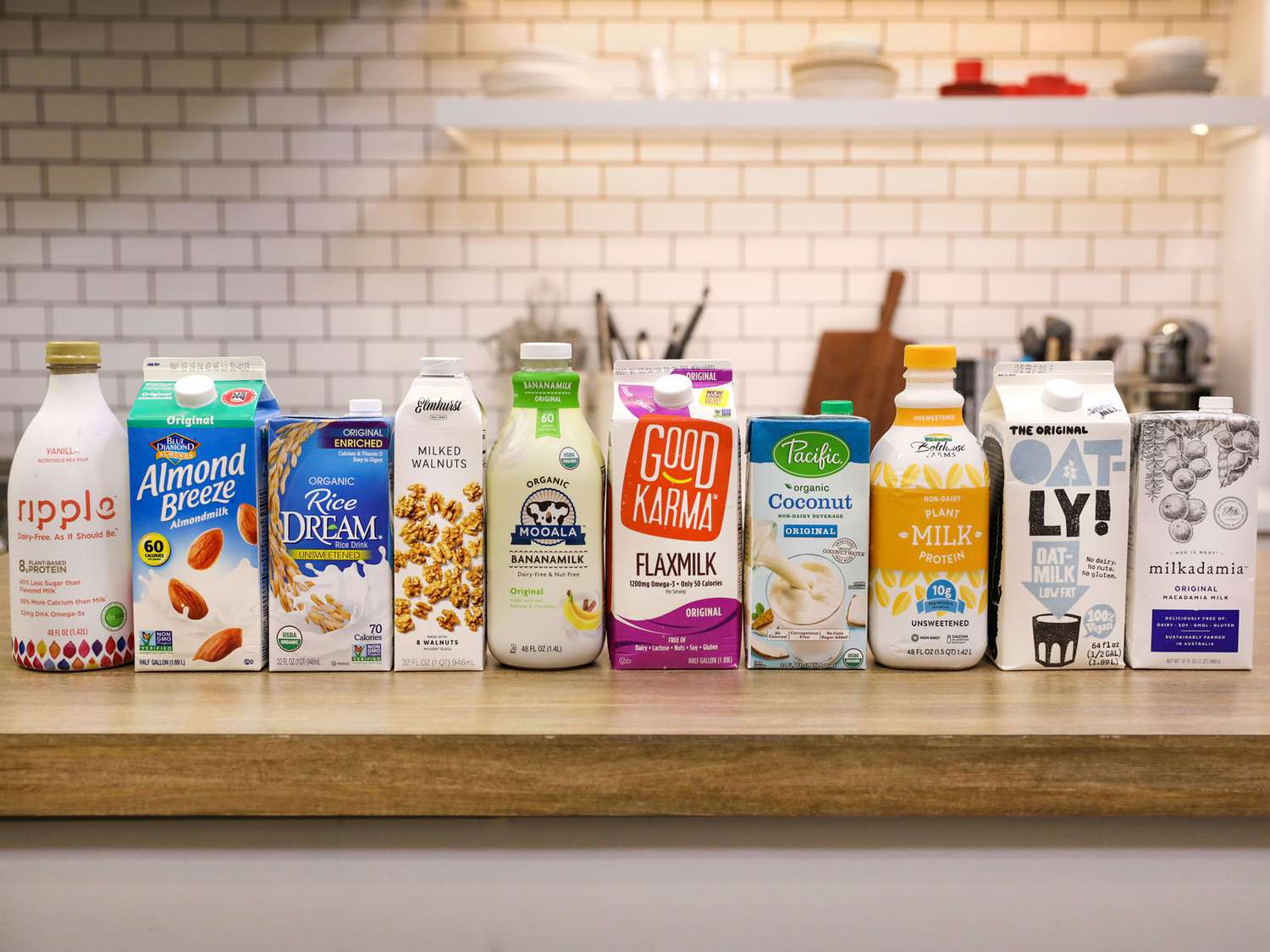
If you have a gallon of milk that’s about to hit its use-by date and you’re not going to finish it in time, the freezer is a smarter option than the drain. You can freeze milk for up to six months, and freezing is a practical way to extend its shelf life and prevent waste — though there are a few key steps that make a real difference in the final result.
The short answer is yes, most types of milk freeze safely. The longer answer involves understanding what actually happens to milk in the freezer, how to prep it properly, and what to expect when you thaw it. Whether you’re stocking up on whole milk, working with a plant-based alternative, or storing breast milk for a newborn, this guide walks you through everything you need to know.
Can You Freeze Milk?
You can freeze most types of milk, and frozen milk retains its nutritional profile when it thaws — the sooner you freeze it, the better the milk quality after thawing. The enzymes and fat-soluble vitamins in milk may decrease very slightly but largely remain the same.
That applies to whole milk, 2%, skim, and most plant-based varieties. For the most part, you can freeze non-dairy milk following the same steps you would for dairy milk — just note that freezing and defrosting these will make them separate and get slightly grainy, so only use defrosted non-dairy milk for cooking or in smoothies.
Here is a quick breakdown of how common milk types handle freezing:
| Milk Type | Freezes Well? | What to Expect After Thawing | Best Use After Thawing |
|---|---|---|---|
| Whole milk | Yes | Fat separation, slightly grainy | Cooking, baking, smoothies |
| 2% milk | Yes | Mild separation | Cooking, baking, drinking |
| Skim milk | Best option | Least separation | Cooking, baking, drinking |
| Soy milk | Yes | May curdle or separate | Cooking, smoothies |
| Oat milk | With caveats | Texture issues, separation | Smoothies, cooking |
| Almond milk | With caveats | Separates, may stay separated | Smoothies, cooking |
| Coconut milk (carton) | Short-term only | Texture alters noticeably | Cooking only |
| Lactose-free milk | Yes | Separates more than regular | Cooking, baking |
Skim milk is more freezer-friendly than full-fat milk — milk with a higher fat content separates more readily when thawed. If you plan to drink your milk straight after thawing, starting with a lower-fat variety gives you better results.
Does Freezing Change the Texture or Taste of Milk?
Yes — and it helps to know what to expect so you are not caught off guard. Freezing milk does alter its taste and texture, often resulting in a slightly watery consistency and diminished smoothness upon thawing. While still perfectly safe to consume, the change is primarily due to the separation of fat and water components during the freezing process.
These changes happen because water in the milk forms ice crystals that push fats and proteins out of their normal arrangement. The milk you buy from the store undergoes homogenization, where fat globules are broken down into much smaller globules and mixed well with the rest of the milk to ensure a smooth texture. When freezing and thawing milk, the fat can separate from the rest of the milk, making it less smooth than usual.
Beyond texture, you may also notice a color change. That yellow tint comes from the milk fat and riboflavin (vitamin B2) becoming more visible when frozen. It is completely normal and not a sign of spoilage — the color evens out once the milk thaws and is shaken.
Pro Tip: Skim milk freezes and thaws with noticeably less separation than whole milk. If you plan to drink thawed milk straight, choose a lower-fat variety for the best result.
Over time, frozen milk can undergo more pronounced changes in taste. The longer milk is stored in the freezer, the more likely it is to develop off-flavors, which can be due to the oxidation of fats and the degradation of proteins. This is why using frozen milk within the first month gives you the best quality, even though it remains safe for longer.
How to Freeze Milk the Right Way
Good prep takes about two minutes and makes a significant difference in what you get back after thawing. Follow these steps to freeze milk properly:
- Freeze before the use-by date. Freeze milk as soon as possible after purchasing, and definitely before its “use by” date. Freezing does not reset the clock — it only pauses it.
- Choose the right container. The best container to freeze milk in is an airtight, freezer-safe plastic container. Because the milk will expand, it is helpful to leave about an inch of space at the top. Never use glass — liquids like milk expand when frozen, which could break glass bottles.
- Leave headspace. Leave at least 1 to 1.5 inches of empty space at the top of any container. If you are freezing milk in its original jug, pour off a cup first.
- Use smaller portions. Large containers like gallons will take a long time to freeze and thaw, so freezing smaller containers such as half-gallons is preferable. Better yet, freeze in ice cube trays for grab-and-go portions.
- Seal tightly and label. Label every container with the freeze date — milk does not look very different at month one versus month three in the freezer, so writing the date on every container is essential.
- Store at the back of the freezer. Store milk at the back of the freezer, not the door where temperatures fluctuate, and keep your freezer at or below 0°F.
Pro Tip: Freeze milk in ice cube trays, then pop the cubes into a labeled freezer bag. You get grab-and-go portions for smoothies and recipes without thawing a whole batch.
Milk is highly susceptible to picking up odors from other foods in the freezer. This can change the milk’s flavor once thawed. An airtight container will help keep out unwanted smells.
How Long Can You Freeze Milk?
You can freeze milk for up to six months, but for the best quality, it is recommended to use it within one month. That one-month window is a quality target, not a safety cutoff.
In practice, milk frozen for one month will taste noticeably better than milk frozen for six. The three-month window is a quality guideline, not a safety cutoff — milk kept frozen solid the whole time remains safe to use, it just may not taste as fresh.
Milk will last for several months in the freezer, but for the best quality, use it within the first month. After that point, milk will begin to separate and turn grainy, and you also risk freezer burn.
Once you take milk out of the freezer, the clock restarts. Milk is safe for up to three months in the freezer, but consume it within three days after thawing. Treat thawed milk the same way you would a freshly opened carton from the fridge.
How to Thaw Frozen Milk
How you thaw milk matters as much as how you freeze it. The wrong method can let bacteria multiply before the milk is even fully liquid.
The best way to thaw frozen milk is slowly, in the refrigerator. Move it from the freezer to the fridge and let it thaw over several hours or overnight. A half-gallon can take a full day or more, so plan ahead.
If you need it faster, there is a safe shortcut. For faster thawing, set the sealed container in a bowl of cold water and change the water every 30 minutes. This keeps the outer layer of milk from sitting in the temperature danger zone while the inside is still frozen.
Avoid thawing milk at room temperature on the counter — the outer layer can sit in the temperature “danger zone” (40–140°F) where bacteria multiply, while the inside is still frozen. According to the Medical News Today review of thawing guidelines, you should allow 24–36 hours for milk to thaw in the fridge, and the more milk there is, the longer it will take.
Do not defrost milk in the microwave, which may kill the beneficial enzymes. Microwaving also creates hot spots that heat the milk unevenly.
Once thawed, give the container a vigorous shake. Once milk thaws, it may separate into solids and liquid, but shaking it will return it to a smoother texture. If the solids and liquid remain separate, use a blender or electric mixer to recombine them.
Can You Refreeze Milk After Thawing?
This is one of the most common questions about frozen milk, and the answer is straightforward: no, you should not refreeze milk that has fully thawed.
Refreezing is not recommended. It degrades texture further and increases food-safety risk because milk may sit too long in unsafe temperatures during repeated thawing. Each freeze-thaw cycle also compounds the separation and graininess you are already trying to minimize.
There is one narrow exception. You can safely refreeze food from the freezer if it still contains ice crystals and feels as cold as if refrigerated. If the milk has ice crystals, you can refreeze it. But once it has fully liquefied, that window has closed.
Previously frozen milk should be kept cold and used within 24 hours from the time it thaws completely. The best strategy to avoid this situation entirely is to freeze milk in small portions from the start, so you only thaw exactly what you need.
Important Note: The same no-refreeze rule applies to breast milk. According to the CDC , if your breast milk has completely thawed but still feels cold, put it in the refrigerator and use it within the next day or throw it away. Thawed milk cannot be refrozen, and after 24 hours, you should discard unused thawed milk.
How to Use Frozen Milk (Best Uses After Freezing)
Thawed milk is not ideal for drinking straight out of the glass — but it works beautifully in a wide range of recipes where texture is less noticeable. Most people prefer to cook with thawed milk instead of drink it. Thawed milk works well in baked goods and even in dishes like chicken potpie.
Here are the best ways to put thawed milk to work in your kitchen:
- Baking. Muffins, pancakes, quick breads, cakes, and biscuits all work perfectly with thawed milk. The heat involved in baking eliminates any texture concerns entirely.
- Soups and sauces. Cream soups, white sauces, and gravies are great applications. Baking and soups are the sweet spot — the heat fixes most of the texture issues without any extra effort.
- Smoothies. For smoothies, milk cubes are genuinely useful — they chill the drink without watering it down the way ice does.
- Oatmeal and hot cereals. Cooking oatmeal with thawed milk adds richness with no noticeable difference in texture once it is heated through.
- Coffee and tea. Thawed milk is suitable for adding to tea or coffee. A good shake beforehand is all it needs.
- Scrambled eggs and custards. Any egg-based dish that calls for milk handles thawed milk without issue.
- Mashed potatoes and casseroles. Thawed milk blends seamlessly into savory dishes where it is cooked into the recipe.
If you want to explore how milk and dairy fit into a broader healthy diet, heart-healthy superfoods and whole plant-based foods are good starting points for understanding how dairy and dairy alternatives compare nutritionally.
There may be fat separation in high-fat products, but once the product is fully thawed, it can be shaken to mix the fat back in, or used immediately in a recipe. For most cooking applications, you will not notice any difference at all.
Signs That Frozen Milk Has Gone Bad
Frozen milk that was stored properly and kept solidly frozen is safe. But there are situations where milk can spoil — either because it was past its prime before freezing, experienced a temperature fluctuation, or sat too long after thawing.
Watch for these warning signs before using thawed milk:
- Sour or off smell. If the milk smells or gets lumpy, throw it out — it has gone bad. A sour odor is the clearest indicator that milk has spoiled.
- Lumpy or chunky texture. Pay attention to signs of spoiling, such as a strong odor or lumpy consistency. Normal separation after thawing is smooth and whisks back together easily — lumps that do not dissolve are a red flag.
- Persistent yellow color after shaking. A slight yellow tint in frozen milk is normal and comes from riboflavin and milk fat. However, if the color remains strong or uneven after thorough shaking, combined with an off smell, discard it.
- Sour taste. If thawed milk smells sour or off, throw it out, just as you would any milk.
- Freezer burn. Milk that was not sealed airtight can develop freezer burn, which shows up as icy crystals on the surface and a flat, stale flavor. It is safe but unpleasant — best used in cooking where other flavors dominate.
Important Note: Normal post-thaw separation — where milk looks slightly grainy or yellowish — is not spoilage. None of these texture or color changes affect food safety. As long as milk stayed frozen solid and is thawed in the fridge, it is safe to use. The smell test is your most reliable tool.
If you are ever uncertain, the rule that applies to all perishables applies here too: when in doubt, throw it out. For more on nutrient-rich foods and foods with powerful nutritional profiles, understanding how storage affects quality is part of getting the most from what you eat.
Frequently Asked Questions
Does Freezing Milk Destroy Its Nutrients?
Frozen milk retains its nutritional profile when it thaws. The enzymes and fat-soluble vitamins it contains may decrease very slightly but largely remain the same. Freezing is one of the safest preservation methods when it comes to holding onto nutrients.
Can You Freeze Milk in the Original Carton or Jug?
Milk can be frozen in the original container, as long as it is not glass, according to Nicole Martin, PhD, assistant research professor in dairy foods microbiology at Cornell University. If the jug is completely full, pour off about a cup first to leave room for expansion before sealing and freezing.
Why Does Frozen Milk Turn Yellow?
Two things cause that yellow color: fat separating from the water, and riboflavin (vitamin B2), which has a natural yellow color. Both are normal, and a good whisk usually sorts it out.
Can You Freeze Plant-Based Milk?
Almond, soy, oat, and flax milks all separate and become grainy after freezing, just like dairy milk. In some cases the texture change is more pronounced because plant-based milks rely on added stabilizers and emulsifiers to stay smooth, and those systems break down during freezing. Freeze them in small portions and plan to use them in cooking or smoothies rather than drinking straight. You can learn more about how plant-based foods compare nutritionally to dairy options.
Can You Freeze Breast Milk?
Freezing human milk enables parents and caregivers to build up supplies to use at their convenience. The CDC recommends storing breast milk in special storage bags or clean food-grade containers, freezing it as soon as possible after expressing, and keeping it at the back of the freezer where temperatures are most stable. Store breast milk in the freezer for up to 6 months to retain its quality. For more on the topic of breast milk and its properties, see this overview of breast milk for adults.
How Do You Know When Thawed Milk Is Still Good?
Give it a shake, then smell it. If you thaw your milk properly after freezing, there may be a small change in texture or consistency if the fat has separated from the liquid, but it will be safe to consume and will not change the nutrition — you can just shake it or put it in a blender to remix it. If it smells sour or has lumps that do not dissolve after shaking, discard it.
Is It Worth Freezing Milk?
For most American households, yes — especially if you buy in bulk at warehouse stores like Costco or Sam’s Club, or if your schedule makes weekly grocery runs difficult. Storing extra milk in the freezer can help you avoid waste and save money. The trade-off is a texture change that makes thawed milk better suited for cooking and baking than drinking straight — a trade most people find well worth it. For ideas on how to use dairy in everyday cooking, check out resources on liver-supporting foods and foods that support eye health, where dairy often plays a role.