Can You Freeze Gluten Free Bread? (The Right Way to Do It)

November 11, 2026
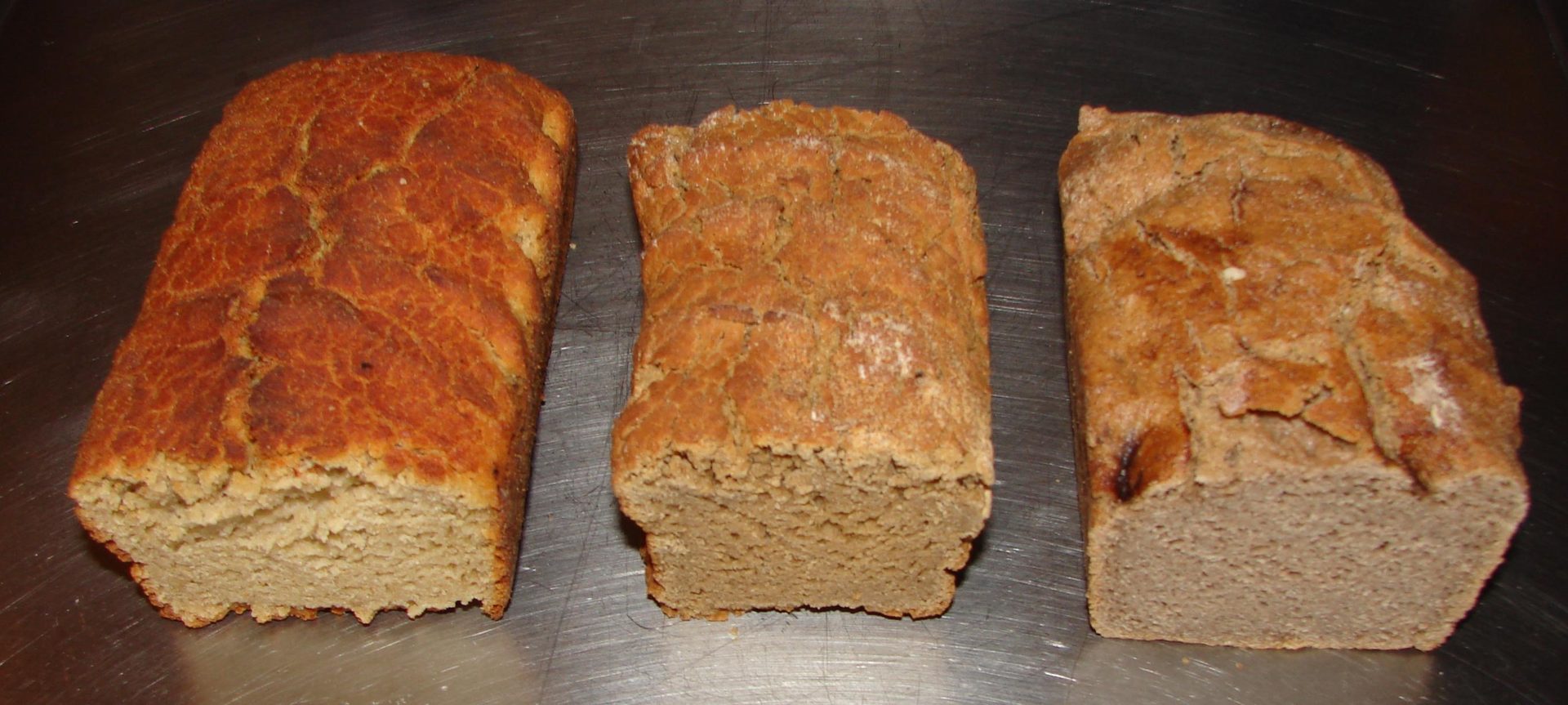
Gluten free bread has a reputation for going stale fast — sometimes within a day or two of opening the bag. If you’ve ever thrown out half a loaf because it dried out before you could finish it, you already know the frustration. Freezing is the single most effective way to solve that problem, and it works better than most people expect.
Whether you bake your own loaves at home or stock up on store-bought brands like Canyon Bakehouse or Udi’s, the freezer is your best tool for stretching every dollar and keeping each slice tasting its best. This guide walks you through everything you need to know — from wrapping technique to thawing and beyond.
Can You Freeze Gluten Free Bread?
Yes, you can absolutely freeze gluten free bread, and in most cases you should. Gluten free bread doesn’t have the same structure as traditional wheat bread, so it doesn’t last as long on the shelf. Many gluten free food manufacturers get around this problem by selling their breads frozen. That’s not a coincidence — it’s the best preservation method available.
Gluten free bread is more susceptible to mold due to its higher moisture content and limited use of preservatives, which is why it’s usually sold frozen instead of at room temperature. When you freeze it yourself at home, you’re doing exactly what the pros do.
Freezing is the right answer, and the reason is chemically straightforward: at temperatures below -18°C (0°F), starch retrogradation essentially stops. Freezing slows the chemical changes that cause bread to stale, which locks in the flavor and texture of the loaf at its peak freshness. The key is freezing the bread while it’s still at its best — not after it’s already started to dry out.
Pro Tip: If you’re not going to finish a loaf within two days of opening it, go ahead and freeze the rest right away. Waiting longer only means you’re freezing bread that’s already past its prime.
Does Freezing Change the Texture or Taste of Gluten Free Bread?
Freezing does affect gluten free bread somewhat, but the impact depends heavily on how well you wrap it and how long it stays in the freezer. The longer bread sits in the freezer, the more it loses its original taste. That said, bread frozen at peak freshness and thawed correctly comes back surprisingly close to what you started with.
While refrigeration might seem like a good way to extend the life of your gluten free bread for a few more days, it’s actually not the best method — refrigeration can cause your bread to dry out more quickly, which can affect its texture and flavor. The freezer, by contrast, pauses the staling process rather than accelerating it.
One thing worth knowing: rice flour has high amylose content, making it one of the fastest-retrograding options. If rice flour dominates your recipe, prioritize freezing promptly and don’t rely on a long ambient window. Many popular US gluten free breads use rice flour as a base, so this applies to a wide range of store-bought options.
The good news is that toasting frozen slices directly — without thawing first — often produces results that rival fresh bread. Rapid direct heat simultaneously thaws the slice and re-gelatinizes the surface starches, often producing a result better than day-two room-temperature bread. If you’re making toast anyway, freezing is essentially a zero-compromise storage method. You can also check out common ingredients in gluten free bread to better understand how different flour blends affect shelf life and texture.
How to Freeze Gluten Free Bread the Right Way
The steps below apply whether you’re freezing a homemade loaf or a store-bought one you’ve already opened. The goal is to remove as much air as possible and protect the bread from moisture loss.
- Cool completely first. Let your baked goods reach room temperature before you freeze or refrigerate them. If you box, wrap, bag, or otherwise seal them while they’re still even somewhat warm, the steam they generate will get trapped and turn your food soggy.
- Slice before freezing. Slice your bread before freezing. This way, you can easily grab just what you need without having to thaw the entire loaf.
- Separate the slices. You can add parchment paper between slices so you can pull out only what you need. This prevents slices from fusing together in the freezer.
- Wrap tightly. Place the slices or loaf in a freezer-safe bag, pressing out as much air as possible before sealing. Use an actual freezer bag — it has a tighter seal and will help prevent freezer burn when freezing fresh bread.
- Double-bag for extra protection. Try double-bagging your bread. This extra layer of protection helps prevent freezer burn, which can dry out your bread and give it an off taste.
- Label with the date. Wrap tightly in freezer-safe wrap and label the bread with the type and date it was put into the freezer. You’ll be glad you did when you’re digging through the freezer three months later.
Pro Tip: If you have a vacuum sealer, use it. Vacuum-sealing your gluten free bread before freezing can keep it fresher for even longer by removing all the air that can cause freezer burn.
For a deeper look at how different flour blends affect baking and storage, see this guide to substitutes for gluten free flour.
How Long Can You Freeze Gluten Free Bread?
Freezer life varies depending on how well the bread is wrapped and how consistently your freezer holds temperature. Here’s a practical breakdown:
| Bread Type | Recommended Freezer Life | Notes |
|---|---|---|
| Homemade gluten free loaf | 1–2 months | Best quality within the first month |
| Store-bought (opened) | Up to 3 months | Canyon Bakehouse recommends up to 3 months |
| Store-bought (commercially frozen) | Up to 6–7 months | Queen Street Bakery notes up to 7 months for their products |
| Gluten free rolls or buns | 1–3 months | Individually wrap for best results |
If kept at a constant frozen temperature, gluten free bread will last for 1–2 months in the freezer at peak quality when homemade. For store-bought options, Canyon Bakehouse recommends storing gluten free breads at room temperature and enjoying within 7–10 days, or freezing the product for up to 3 months.
Frozen bread may last up to 6 months in terms of food safety, though quality declines the longer it stays frozen. Always prioritize eating it sooner rather than later for the best experience. If you’re planning meals around the holidays and want to stock up in advance, check out these gluten free Christmas foods and gluten free Thanksgiving foods for inspiration.
How to Thaw Frozen Gluten Free Bread
How you thaw gluten free bread matters just as much as how you freeze it. The wrong method can undo all your careful prep work and leave you with a gummy, dry, or oddly textured slice.
The fastest and best method for sliced bread is going straight from the freezer to the toaster. Slice and freeze immediately if not consuming quickly, then toast directly from frozen for best results. This approach skips thawing entirely and gives you a warm, slightly crisp slice in minutes.
For whole loaves or rolls, a two-step approach works well. Allow 3–4 hours at room temperature, then refresh in the oven at 160°C (325°F) for 10–15 minutes. This rehydrates the surface and briefly re-gelatinizes the outer crumb, closely approximating the fresh-baked experience.
According to Deux Pates Gluten Free Bakery , for slices, toast until warm and lightly crisp; for a whole loaf or baguette, use the oven at 350°F for 5–10 minutes from thawed, or 10–15 minutes from frozen.
Important Note: Don’t add spreads to the bread before it’s completely thawed. Once spreads are added, the bread underneath will become soggy and the bread will never toast properly.
Also, if you have celiac disease or a severe gluten sensitivity, use a dedicated gluten free toaster. Crumbs are everywhere in a toaster and one will most likely come in contact with your bread slice if it’s shared with gluten-containing products.
Can You Refreeze Gluten Free Bread After Thawing?
This is one of the most common questions, and the answer depends on your priorities. Most experts advise against it for quality reasons. It’s best to avoid refreezing gluten free bread, as this can affect the texture and taste. Instead, try to freeze it in small portions so you only thaw what you need.
The best strategy is to portion your bread before it ever goes into the freezer. If you’re concerned about shelf life, you can simply take a few slices and thaw them when you’re ready to enjoy, keeping the rest frozen for as long as you need. Freezing in individual portions or small groups of two to three slices makes this easy.
That said, if you’ve thawed a whole loaf and only used part of it, refreezing the remainder is better than letting it go to waste. There’s no harm done in re-freezing the rest — just wrap it again the same way you did before and put it back in. Expect some additional texture loss, but it will still be usable, especially for toasting or cooking.
How to Use Frozen Gluten Free Bread (Best Uses After Freezing)
Frozen gluten free bread is more versatile than it might seem. Even slices that have been in the freezer a while and come out a bit drier than ideal can shine in the right application. Here are the best ways to put it to work:
- Toast it directly. Slices tend to be better microwaved for just a few seconds, then toasted in a pan, toaster oven, or conventional oven. This is the go-to method for everyday sandwiches and breakfast.
- Make breadcrumbs. Stale gluten free bread makes fantastic breadcrumbs — just toss the slices into a food processor and pulse until you have crumbs. Use them as a coating for chicken, a topping for casseroles, or a binder for meatballs.
- Refresh stale slices in the oven. If your gluten free bread does go stale, don’t toss it. Sprinkle it with a little water and pop it in a warm oven for a few minutes — this will revive the bread’s texture and make it soft again.
- Use it for French toast. Frozen and thawed gluten free bread holds up well when dipped in an egg mixture and cooked on a griddle. The slightly firmer texture after freezing actually works in your favor here.
- Build holiday appetizers and sides. Toasted gluten free bread slices make a great base for bruschetta, crostini, or stuffing. If you’re planning a holiday spread, see these gluten free Christmas appetizers and gluten free Christmas desserts for ideas that pair well.
- Use in bread pudding. Day-old or slightly dry frozen-and-thawed bread is ideal for bread pudding, where it soaks up the custard mixture and bakes into something rich and satisfying.
If you enjoy keeping a well-stocked gluten free pantry, you might also find it helpful to know whether mayo is gluten free — a common sandwich staple worth double-checking.
Signs That Frozen Gluten Free Bread Has Gone Bad
Frozen bread doesn’t last forever, and even properly stored loaves can decline in quality or safety over time. Here’s what to look for before eating bread that’s been in the freezer for a while:
| Sign | What It Means | What to Do |
|---|---|---|
| Visible mold (green, black, or white fuzzy spots) | Mold growth, likely before or during freezing | Discard the entire loaf |
| Off or sour smell | Bacterial activity or spoilage | Discard immediately |
| Freezer burn (white or grayish patches, dry spots) | Air exposure caused dehydration | Cut away affected areas; use the rest for toasting or crumbs |
| Extreme dryness or crumbling | Too long in the freezer or poor wrapping | Still safe to eat; best used for crumbs or stuffing |
| Strange or bitter taste | Quality has significantly degraded | Discard |
If your gluten free bread has developed mold, has an off smell, or tastes sour, it’s time to toss it. When in doubt, trust your senses — gluten free bread that smells or tastes wrong should not be eaten.
According to Healthline , if you see mold, you should throw away the whole loaf, as mold can produce harmful mycotoxins. This applies even if the mold appears to be only on one slice — spores spread through the loaf before they’re visible.
Double-bagging your bread in the freezer provides an extra layer of protection that helps prevent freezer burn, which can dry out your bread and give it an off taste. Good wrapping is the single best defense against most of these problems. If you’re curious about freezing other foods safely, see our guides on freezing fresh watermelon chunks, freezing applesauce for babies, and freezing jam without pectin.
Frequently Asked Questions
Can you freeze store-bought gluten free bread that hasn’t been opened yet?
Yes. Most store-bought gluten free bread can go straight into the freezer in its original packaging. For extra protection, place the sealed bag inside a second freezer bag. If you don’t plan to eat the bread right away, you can store it in your freezer for up to 3 months.
Is it better to freeze gluten free bread sliced or whole?
Sliced is almost always better. Slicing your bread before freezing lets you easily grab just what you need without having to thaw the entire loaf. It also speeds up thawing and lets you toast slices directly from frozen.
Can you freeze gluten free bread dough?
Yes. Pre-freezing gluten free doughs is perfectly harmless. The recommended practice is to portion the dough out, place it on a parchment paper-lined baking sheet, wrap everything in plastic, and let it freeze until completely hard before transferring to a sealable bag.
Should you refrigerate gluten free bread instead of freezing it?
No. If you’re not eating your bread within 48 hours, freeze it — not refrigerate it. The refrigerator is not the middle ground you might think it is. For gluten free baked goods, it’s closer to an accelerator of the very process you’re trying to slow.
How do you keep gluten free bread from getting freezer burn?
Wrap it tightly, remove as much air as possible, and consider double-bagging. Using multiple wraps of sealable bags gives you extra peace of mind for long-term storage — even a small hole in the wrap or bag can lead to freezer burn, but doubling up can prevent this.
What’s the best gluten free bread for freezing?
Breads with a denser crumb and less rice flour tend to hold up better after freezing and thawing. Brands sold frozen (like Udi’s or Canyon Bakehouse) are already formulated with freezing in mind. If you bake at home, review the ingredients in gluten free bread to choose a blend that freezes well. You can also explore gluten free Asian noodles as a pantry alternative on days you’d rather skip bread altogether.