Can You Freeze Diced Tomatoes? Everything You Need to Know

November 11, 2026
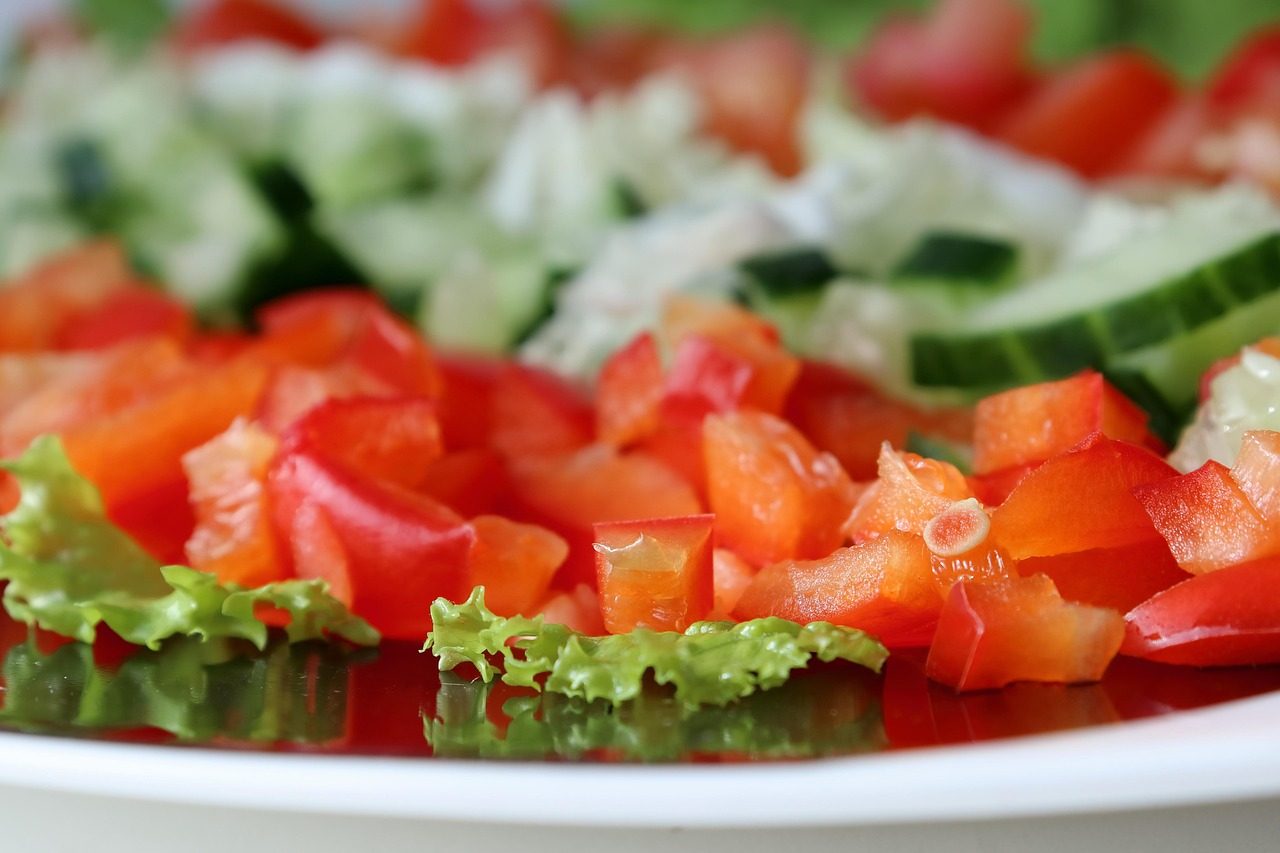
If you’ve ever stared at a pile of ripe tomatoes on your counter — or had half a can left over after dinner — you’ve probably wondered whether the freezer is a viable option. The good news: yes, you can absolutely freeze diced tomatoes, and it requires almost no special equipment or technique.
Whether you grow your own tomatoes in a backyard garden or pick up a bulk bag from a farmers market, freezing is one of the smartest ways to preserve that fresh flavor for soups, chilis, and pasta sauces all year long. This guide walks you through everything you need to know, from prep and packaging to thawing and spotting spoilage.
Can You Freeze Diced Tomatoes?
Yes, you can freeze diced tomatoes. Tomatoes may be frozen raw or cooked, whole, sliced, chopped, or puréed. The diced form is especially practical because it saves freezer space and means your tomatoes are already prepped and portioned when you need them.
Chopping whole tomatoes before freezing is generally considered best practice to save freezer space and ensure they are ready for use in your recipes without defrosting. You can freeze both fresh diced tomatoes and leftover canned diced tomatoes — instead of throwing away the leftovers, you can freeze what remains for later use; just be sure to transfer them out of the metal can and into a freezer-safe bag or container before freezing.
Tomatoes do not need to be blanched before freezing. That said, blanching is still an option worth considering. Blanching helps preserve color and slows enzyme activity, but it’s optional for freezing — raw freezing works well for cooking applications.
Pro Tip: Roma tomatoes (also called plum tomatoes) are the best variety for freezing. According to Good Life Eats, they have the most pulp and hold up better in the freezer than larger slicing tomatoes like beefsteak.
Does Freezing Change the Texture or Taste of Diced Tomatoes?
Texture is the one honest caveat with frozen diced tomatoes. Tomatoes have high water content — about 95% — which freezes into crystals that rupture cell walls. While this leads to structural breakdown upon thawing, it doesn’t degrade nutritional value or cooking performance.
Tomatoes contain a large amount of water, and freezing changes their texture, causing them to soften once thawed. This is completely normal and makes them ideal for cooked recipes. In practical terms, don’t expect them to hold their shape in a fresh salad or bruschetta after freezing.
On the flavor side, you have little to worry about. While the texture changes after freezing, the flavor remains excellent, making frozen tomatoes a great substitute for fresh tomatoes in sauces, soups, chili, and stews. Frozen tomato sauce still holds the acidity and richness of fresh tomatoes or canned tomatoes.
The takeaway: no matter how you freeze tomatoes, you won’t be able to eat them on sandwiches or in salads later on, because freezing changes their texture and makes them unpalatable when thawed and eaten raw — so it really depends on how you plan on using them.
How to Freeze Diced Tomatoes the Right Way
The process is straightforward, but a few details make a real difference in the final quality. Follow these steps for the best results.
- Choose ripe, firm tomatoes. Select firm, ripe tomatoes for freezing and sort them, discarding any that are spoiled. Overripe or blemished tomatoes will produce a lower-quality result.
- Wash and dry thoroughly. Gently rub tomatoes under cold running water and then dry with a paper towel or a clean cloth. Excess moisture speeds up freezer burn.
- Remove the stem and core. Cut away the stem scar and surrounding area and discard it. Then dice the tomatoes to your preferred size.
- Tray-freeze first. Line a baking tray with parchment paper and transfer the diced tomatoes to the tray, making sure they’re in an even layer. This step keeps the pieces from clumping together into one frozen block.
- Freeze until solid. Place the tray in the freezer for at least one to two hours, until the pieces are individually frozen solid.
- Transfer and seal. Place the frozen diced tomatoes in airtight containers or heavy-duty freezer bags, or wrap tightly in heavy-duty aluminum foil or plastic wrap. Squeeze out as much air as possible before sealing.
- Label with the date. Labeling with dates ensures rotation — first in, first out. Write the date and contents clearly on each bag.
Pro Tip: Freeze diced tomatoes flat in quart-sized bags. Once solid, you can stack the bags upright like file folders to save significant freezer space — and it’s easy to snap off just the amount you need for a recipe.
If you want to skip the skin, dip tomatoes in boiling water for about 1 minute or until the skins split to peel easier before dicing. This is optional but helpful if you prefer a smoother texture in your finished dishes. You can also learn more about what plants grow well alongside tomatoes if you’re raising your own in the garden.
How Long Can You Freeze Diced Tomatoes?
Storage time depends on how well the tomatoes were packaged and how consistently your freezer maintains temperature. Here’s a quick reference:
| Storage Method | Best Quality Window | Safe to Eat Beyond That? |
|---|---|---|
| Freezer bag (air removed) | 2–6 months | Yes, if kept at 0°F |
| Airtight container | Up to 6 months | Yes, if kept at 0°F |
| Vacuum-sealed bag | Up to 12 months | Yes, with reduced quality |
Properly stored, diced tomatoes will maintain best quality for about 2 months, but will remain safe beyond that time — tomatoes that have been kept constantly frozen at 0°F will keep safe indefinitely. Blanched tomatoes tend to last longer; according to Good Life Eats , unblanched raw diced tomatoes are best used within 2 months, while blanched tomatoes can last considerably longer.
Stored in an airtight container such as a freezer bag, glass jar, or deli container, frozen tomatoes will keep for at least 6 months, and tomatoes sealed in a vacuum bag will last even longer. Up to 12 months at 0°F is possible for best quality, but beyond that they remain safe while potentially developing off-flavors or freezer burn.
The practical sweet spot for most home cooks: aim to use frozen diced tomatoes within 3 to 6 months for the best flavor and texture. Tomatoes are packed with nutrients like lycopene and potassium — the same compounds highlighted in research on heart-healthy foods and cancer-fighting nutrients — so preserving them well is worth the effort.
How to Thaw Frozen Diced Tomatoes
The good news about diced tomatoes is that you often don’t need to thaw them at all. You can add them directly to boiling soups, stews, or sauces — they’ll thaw quickly and integrate well. This is the easiest and most common approach for weeknight cooking.
When you do need to thaw them first, here are your best options:
- Refrigerator overnight: The best way to thaw frozen chopped tomatoes is to put them in the fridge overnight or for a few hours before you use them — this slow thawing method helps prevent damage to the cells, which keeps the flavor and texture intact.
- Cold water bath: If you’re in a hurry, place the sealed bag or container of frozen tomatoes in a bowl of cold water and change the water every 30 minutes to speed up thawing. Do not use hot water, as it can cook the tomatoes prematurely and ruin their texture.
- Microwave: You can thaw frozen tomatoes in the microwave, but this method requires careful attention to prevent overheating, which can lead to hot spots. Use the defrost setting and check frequently.
Important Note: Never thaw diced tomatoes on the counter at room temperature. According to food safety guidance, bacteria thrive in moist, warm environments — and tomatoes’ high water content makes them especially vulnerable once they start to warm up.
After thawing in the refrigerator, use your diced tomatoes within 1 to 2 days for the best results. Drain off any excess liquid before adding them to dishes where extra water would affect the final consistency.
Can You Refreeze Diced Tomatoes After Thawing?
This is one area where most food safety sources agree: refreezing is not recommended as a habit. Refreezing thawed tomatoes is not recommended, as it can lead to a significant loss of quality and an increased risk of foodborne illness. When tomatoes are thawed, the cell walls begin to break down and enzymes that contribute to spoilage become active — refreezing can cause ice crystals to form again, further damaging the cell walls and leading to a loss of texture and flavor.
For best quality, avoid refreezing thawed tomatoes. If the tomatoes were thawed safely in the refrigerator and have not been sitting at room temperature for an extended period, they can technically be refrozen, but the texture will deteriorate further.
The smarter move: if you have thawed tomatoes you don’t plan to use immediately, cook them first and then freeze them again — cooking helps inactivate the enzymes and kill any microorganisms that may have grown during thawing. This way, you’re refreezing a cooked product rather than a raw one, which is much safer and still useful for future soups or sauces.
To avoid this situation altogether, freeze diced tomatoes in small, recipe-sized portions from the start. Portioning diced tomatoes into freezer bags or ice cube trays makes it easy to grab only what you need later.
How to Use Frozen Diced Tomatoes (Best Uses After Freezing)
Frozen tomatoes are best used in cooked foods such as soups, sauces, and stews, as they become mushy when thawed. That softened texture, which would be a problem in a fresh salad, is actually an advantage in most cooked dishes — the tomatoes break down faster and integrate more smoothly into your recipe.
Here are the best ways to put your frozen diced tomatoes to work:
- Pasta sauces and marinara: Add frozen diced tomatoes directly to a saucepan with olive oil, garlic, and herbs. They’ll thaw and break down within minutes. Previously frozen tomatoes are usually a little softer than their fresh counterparts, so they work best in saucier applications like marinara sauce or pizza sauce.
- Soups and stews: Diced tomatoes are commonly used in chili, pasta sauce, curries, casseroles, and soups — applications where their softened post-thaw texture doesn’t matter.
- Chili: They’re great to use in place of crushed tomatoes in American goulash or your favorite chili recipe.
- Shakshuka and egg dishes: The tomatoes cook down into a rich base quickly, making them perfect for one-pan meals.
- Braised meats and casseroles: Add frozen diced tomatoes to braises, slow cooker recipes, or baked casseroles without thawing — they’ll release liquid and flavor as the dish cooks.
One thing to skip: fresh preparations. Thawed frozen tomatoes work only for cooked salsa (like salsa verde or canned style) — they’re too soft for fresh, chunky salsas. Stick to fresh tomatoes for pico de gallo, caprese salads, or any dish where firm texture matters. For inspiration on how tomatoes fit into broader healthy eating, see our guide on whole plant-based foods and foods that support liver function.
Pro Tip: Season your dishes after adding the frozen tomatoes, not before. According to the University of Nebraska–Lincoln Extension , freezing can cause seasonings like garlic, onion, and herbs to either strengthen or weaken, so it’s best to taste and adjust at the end of cooking.
Signs That Frozen Diced Tomatoes Have Gone Bad
Even in the freezer, diced tomatoes can degrade past the point of usefulness. While frozen tomatoes can be stored for several months, they can still go bad if they are not stored properly. Knowing what to look for helps you avoid wasting a dish — or worse, getting sick.
Check for these warning signs before you use your frozen tomatoes:
- Off smell: If frozen tomatoes have an off smell or taste, they may be spoiled. Fresh tomatoes smell sweet and slightly tangy — if your chopped tomatoes smell sour, fermented, or just plain bad, they are spoiled. Do not try to wash or cook them to save them.
- Slime or mold: If frozen tomatoes develop slime or mold, they should be discarded immediately.
- Heavy freezer burn: Visible darkening or icy buildup can signal loss of quality. Light freezer burn on the edges is cosmetic and can be trimmed, but heavily freezer-burned tomatoes will taste bland or papery.
- Unusual color: Tomatoes that have turned gray, brown, or developed dark patches beyond normal cooking discoloration should be discarded.
- Slimy texture after thawing: Toss the tomatoes if the texture becomes slimy or sticky after thawing instead of just soft. Soft and mushy is normal; slimy is not.
Food safety experts recommend the “2-hour rule”: don’t leave diced tomatoes at room temperature longer than 2 hours. If thawed tomatoes have been sitting out longer than that, discard them rather than risk foodborne illness. Proper food storage habits protect not just flavor but your health — a principle that applies across your kitchen, from anti-inflammatory foods to everyday staples like tomatoes.
Frequently Asked Questions
Do I Need to Blanch Diced Tomatoes Before Freezing?
Tomatoes do not need to be blanched before freezing. However, blanching does extend shelf life. Fresh vegetables contain enzymes that impact freshness, color, and flavor, and blanching deactivates these enzymes so peak quality is preserved. If you’re planning to store tomatoes for longer than 2 months, blanching first is a smart move.
Can You Freeze Canned Diced Tomatoes?
Yes. Sometimes you don’t need to use the entire can for one dish — instead of throwing away the leftovers, you can freeze what remains for later use. Be sure to transfer them out of the metal can and into a freezer-safe bag or container before freezing. Use within 2 to 3 months for best flavor.
Can You Add Frozen Diced Tomatoes Directly to a Recipe Without Thawing?
No thawing is necessary. You can add them directly to boiling soups, stews, or sauces, and they’ll thaw quickly and integrate well. This is the most convenient approach for weeknight cooking and saves you the extra step of planning ahead.
What Is the Best Tomato Variety to Freeze Diced?
You can freeze any variety of tomato, but Roma tomatoes (also called plum tomatoes) are best. They have the most pulp, making them more freezer-friendly, and paste tomatoes like Roma hold their shape well when frozen. Slicing tomatoes like beefsteak tend to change texture once frozen and work best in soups and sauces.
How Do You Prevent Freezer Burn on Diced Tomatoes?
The key is removing as much air as possible before sealing. Use heavy-duty freezer bags and press out all the air, or use a vacuum sealer for the longest shelf life. It’s best not to leave tomatoes on a baking sheet in the freezer for too long, as this can cause freezer burn — as soon as your tomatoes are frozen solid, transfer them to the containers you plan to store them in.
Are Frozen Diced Tomatoes as Nutritious as Fresh?
While the high water content of tomatoes freezes into crystals that rupture cell walls, this doesn’t degrade nutritional value or cooking performance. Freezing is a terrific method to lock in seasonal flavor and nutrients — tomatoes contain potassium and lycopene, which have multiple health benefits such as a reduced risk of developing certain cancers and cardiovascular diseases. For more on nutrient-rich foods, explore our article on foods that support healthy skin and foods that promote healthy eyesight.