Can You Freeze Live Fish? What You Need to Know Before You Try

November 10, 2026
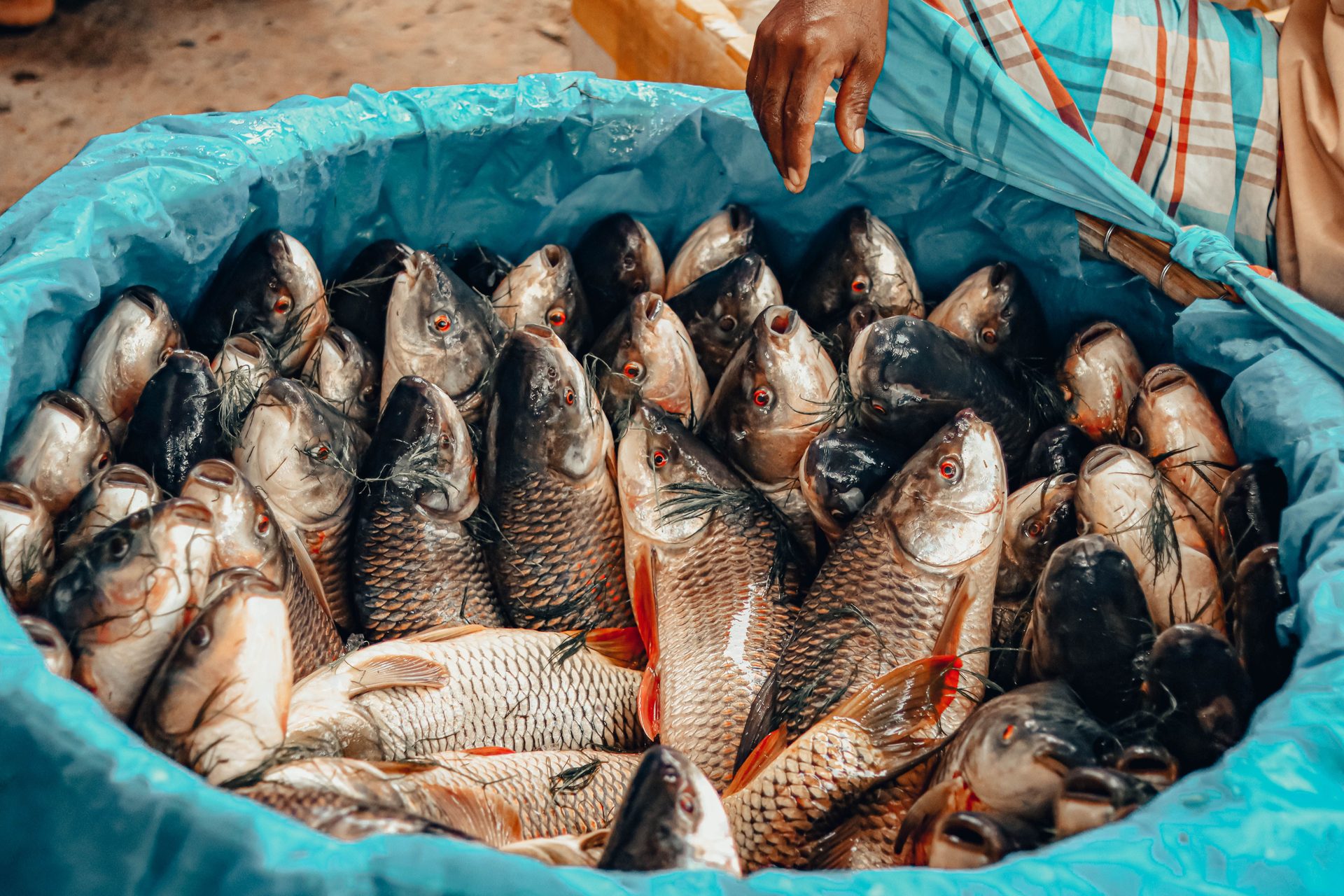
Seafood is more perishable than most other food items, so careful handling is important. If you just caught a haul of fresh fish or bought more than you can eat in the next couple of days, the freezer is your best friend — but only if you use it correctly. Tossing a live fish straight into the freezer is not the right move, and skipping the proper prep steps can leave you with mushy, off-tasting fillets that are a far cry from what you started with.
The good news is that freezing fish is straightforward once you know the process. This guide walks you through everything — from what happens to fish during freezing, to how long it keeps, how to thaw it safely, and what to do with it once it comes out of the freezer.
Can You Freeze Live Fish?
Yes, you can freeze fish — but not while it is still alive. A live fish needs to be humanely killed and properly cleaned before it ever goes into the freezer. Fish should be dispatched quickly, bled immediately in a container of water, and rapidly chilled on ice or in an ice/saltwater slurry to prevent spoilage. Skipping this step leads to a lower-quality end product.
The quality of frozen fish starts at the moment of catch. Fish should not be allowed to bounce around in the boat or on the ground, as this can lead to bruising and result in a lower-quality frozen product. Once the fish is dispatched and bled, you can gut, clean, and prepare it for the freezer.
The same principle applies to shellfish. Only freeze live or freshly cooked crabs. Live clams and oysters can be frozen shucked, but only fresh oysters and clams should be eaten raw — if clams and oysters are frozen, they must be cooked in order to be safe to consume. One notable exception: do not freeze live lobster. Lobster must be cooked before freezing or the meat will turn mushy and lose its texture.
Pro Tip: If you catch your own fish and cannot clean it right away, keep it alive in a livewell or pack it in ice immediately after dispatch. According to NOAA Fisheries , if you catch your own fish, bury them in ice immediately or use an ice slush with two parts ice to one part water to keep your catch cold.
Does Freezing Change the Texture or Taste of Live Fish?
Freezing does affect fish, but how much depends on how well you handle it. Freezing is the most widely used method for long-term preservation of fish. It slows down bacterial growth, enzyme activity, and chemical reactions that cause spoilage — but freezing does not press a pause button on quality.
The main culprit behind texture changes is ice crystal formation. Water makes up about 70% of the content inside the millions of cells that bind together to make a fish. One of the mysterious properties of water when it crystallizes into ice is that it expands about nine percent as it freezes. The ice crystals become little daggers sharp enough to poke through cell walls, and the expansion pushes those daggers against and through the cell walls. Everything that was in the fish is still in the fish, but when it thaws, the texture of the meat changes and the delicate flavors of a fresh fish are muddled to some degree.
Taste can also shift over time. During frozen storage, flavor changes are primarily driven by two processes: lipid oxidation and enzymatic activity. Fats in fish are rich in polyunsaturated fatty acids, which are highly susceptible to oxidation — even at freezing temperatures. This oxidation produces compounds such as aldehydes and ketones that give fish a stale, metallic, or rancid taste.
That said, the damage is not inevitable. Fish frozen quickly at very low temperatures forms tiny ice crystals, which protects texture and flavor. Slow freezing damages muscle fibers and causes moisture loss. The faster and colder the freeze, the better the result. Research published in Fisheries Science also notes that frozen fish stored for up to three months under ideal conditions — low, non-fluctuating temperature — cannot be distinguished from fresh fish with regard to color, taste, and texture.
Fish type matters too. Firm, lean fish like cod, pollock, and haddock freeze very well. Fatty fish like salmon can be successfully frozen. Delicate fish tend to show texture changes more easily. If you are a regular seafood eater, knowing which varieties freeze best can help you plan your meals around peak quality.
How to Freeze Live Fish the Right Way
Proper prep before freezing makes the biggest difference in what you get when you thaw. Follow these steps to protect flavor and texture from the start.
- Kill and clean the fish promptly. As soon as a fish dies, it starts to decay due to both bacteria and enzyme action. The reason commercially caught fish are at least gutted before storage is because the acids in their digestive system start digesting their innards when the fish dies. Clean the fish as soon as possible after dispatch.
- Decide on your cut. The fish can be frozen dressed, filleted, or skinned depending on your preference. Fillets are the most convenient for portioning and thawing.
- Pat it dry. Removing surface moisture before packaging reduces ice crystal buildup and helps prevent freezer burn.
- Choose the right packaging. The most effective way to prevent freezer burn and oxidation is vacuum sealing using oxygen-barrier bags. This removes air and keeps the seafood protected during storage. If you do not have a vacuum sealer, wrap fish tightly with plastic wrap, then overwrap with freezer paper or aluminum foil to prevent tearing and protect from air exposure.
- Label everything. Clearly label each package with species/cut (e.g., cod fillets, salmon steaks), total weight or portion size, and date frozen.
- Set your freezer correctly. Ensure the freezer maintains a temperature at or below 0°F (−18°C). Do not overcrowd the freezer, as this slows freezing.
An alternative packaging method worth knowing is ice glazing. Ice glazing involves dipping frozen fish into ice water, freezing again, and repeating until a uniform layer forms. This protective glaze should be wrapped to prevent chipping and dehydration. It works especially well for whole fish or large fillets you plan to store for an extended period.
Pro Tip: Freeze fish in individual meal-sized portions. Freeze fish in portions so you are ready to roll whenever hunger strikes. This way you only thaw what you need and avoid wasting the rest.
How Long Can You Freeze Live Fish?
Storage time varies by species and fat content. Using fish within the recommended window keeps flavor and texture at their best. Here is a quick reference based on guidance from NC State Extension and Fulton Fish Market :
| Fish Type | Recommended Freezer Time | Notes |
|---|---|---|
| Fatty fish (salmon, bluefish) | 2–3 months | Prone to lipid oxidation; use sooner for best flavor |
| Lean fish (cod, flounder, sea trout) | 4–8 months | Holds up well; firm texture after thawing |
| Shellfish (varies by type) | 2–18 months | Shrimp and scallops on the shorter end; clams longer |
| Cooked fish | Up to 2 months | Quality declines faster once cooked |
| Smoked seafood | Up to 6 months | Vacuum seal for best results |
Freshness and quality at the time of freezing affect the condition of frozen foods. If frozen at peak quality, thawed foods emerge tasting better than foods frozen near the end of their useful life. So freeze items you will not use quickly sooner rather than later.
If you are not planning to eat your fish within two days of catching or purchasing it, freeze products within 24 hours of receiving them for the best results. Waiting longer gives bacteria and enzymes more time to degrade the flesh before it ever hits the freezer. Good food storage habits across the board can make a real difference in how long your ingredients stay at their best.
How to Thaw Frozen Fish
Thawing fish the right way is just as important as freezing it correctly. You should not thaw your seafood at room temperature or with hot water, as this will affect the quality and has food safety risks. Bacteria thrive in warm temperatures (between 40°F and 135°F) combined with time to multiply.
You have three safe options depending on how much time you have:
- Refrigerator (best method): Thaw frozen seafood gradually by placing it in the refrigerator overnight. For smaller portions, overnight thawing is sufficient, while larger portions may take about 24 hours per 5 lbs.
- Cold water (faster method): Seal the seafood in a plastic bag and immerse it in cold water. Thin items around 1 lb thaw in about 1 hour or less; thicker cuts of 3–4 lbs may need 2–3 hours. Change the water every 30 minutes to keep it cold.
- Microwave (last resort): Use the defrost setting and heat until the fish is icy but pliable. Monitor closely and cook immediately.
One important safety note for vacuum-sealed fish: always puncture the package of vacuum-sealed frozen seafood before thawing. By puncturing the package, you allow oxygen to be introduced to the fish, which reduces the risk of bacteria that can grow in low-oxygen environments.
Fish that has been thawed should be used within 1 day. Do not let it sit in the fridge for several days after thawing and expect it to still be at its best.
Can You Refreeze Fish After Thawing?
This is one of the most common questions about fish storage, and the answer depends entirely on how the fish was thawed. You can safely refreeze fish if it was originally thawed overnight in the fridge. Under USDA guidelines, it is safe to refreeze any previously frozen food that has been thawed in the refrigerator. The guidelines assume the food has not spoiled before being refrozen. This principle also applies to raw fish and seafood.
However, if the fish was thawed at room temperature or in warm water, it should not go back in the freezer. Salmon that has been thawed on the counter or in warm water can quickly enter the “danger zone” between 40°F and 140°F, where bacteria multiply rapidly. Refreezing fish that has been in this temperature range can increase the risk of foodborne illness.
Even when refreezing is safe, quality takes a hit. There will always be some loss of moisture when ice crystals form and melt, leaving the seafood a little less succulent each time. Eventually, seafood will lose its best texture and taste. Use refrozen seafood in dishes where the texture impacts are less noticeable, such as chowders or shredded fish tacos.
Important Note: In order to refreeze thawed fish, it cannot have been out on the counter for more than two hours. This time shrinks to just one hour if the ambient temperature has passed 90 degrees Fahrenheit. When in doubt, throw it out.
How to Use Frozen Fish (Best Uses After Freezing)
Properly frozen and thawed fish can go into almost any recipe you would use fresh fish for. The key is matching the fish’s post-thaw texture to the right cooking method.
Fish that has been frozen once and thawed carefully — especially firm, lean varieties — performs well in pan-searing, baking, grilling, and broiling. For optimal quality, prepare after thawing and drain any liquid before cooking. Patting the fillet dry before it hits the pan helps you get a better sear and avoids steaming the fish in its own moisture.
For fish that has been refrozen or stored longer than recommended, texture-forward preparations are your best bet. Fish soups, chowders, fish cakes, and tacos all mask minor textural changes well. Flaking the fish into pasta dishes, rice bowls, or casseroles is another practical option. If you enjoy Mediterranean-style cooking, frozen white fish like cod or sea bass works beautifully in tomato-braised preparations where it simmers in sauce.
One area where frozen fish genuinely shines: if you choose to eat raw fish, one rule of thumb is to eat fish that has been previously frozen. Some species of fish can contain parasites, and freezing will kill any parasites that may be present. This is why sushi-grade fish is often frozen before serving. However, be aware that freezing does not kill all harmful germs, so cooking remains the safest route.
Fish is also one of the most nutritious proteins you can keep on hand. Fish and shellfish contain high-quality protein and other essential nutrients and are an important part of a healthful diet. A well-balanced diet that includes a variety of fish and shellfish can contribute to heart health and aid in children’s proper growth and development. Pairing fish with heart-healthy foods makes for a well-rounded meal that supports long-term wellness.
Signs That Frozen Fish Has Gone Bad
Even properly frozen fish can go bad if it is stored too long, exposed to air, or subjected to temperature swings. Here is what to look for before you cook it.
- Freezer burn: This occurs when ice molecules on the fish sublimate, turning directly into vapor. The primary causes are packaging that is not airtight or significant temperature fluctuations during storage. Freezer burn is more than just a cosmetic flaw — it guarantees a dry, chewy texture once cooked.
- Off odor: The aroma should remain clean, fresh, and distinctly oceanic, just like high-quality fresh fish. Even the slightest hint of an off-odor, like ammonia or sourness, indicates protein decomposition and is unacceptable.
- Discoloration: A dull or faded appearance can suggest that the fish was not at its peak freshness before being frozen. Any yellowing, particularly on fatty fish, is a classic sign of fat oxidation and emerging rancidity.
- Mushy texture: The muscle fibers should be well-defined and adhere tightly to one another. If the flesh seems mushy or falls apart, the fish has degraded beyond the point of good eating.
- Frost or ice crystals inside the package: Avoid packages with signs of frost or ice crystals, which may mean the fish has been stored a long time or thawed and refrozen.
When in doubt, trust your nose. Fresh fish should not have a fishy or stinky smell. A strong, unpleasant odor after thawing is a reliable sign the fish should be discarded. Eating spoiled fish can cause foodborne illness, so it is not worth the risk. Keeping your kitchen and storage areas clean is part of responsible food handling — the same attention you might give to foods that support your overall health.
Frequently Asked Questions
Can You Freeze a Fish Whole Without Cleaning It?
It is not recommended. As soon as a fish dies, it starts to decay due to both bacteria and enzyme action. The acids in the digestive system start digesting the fish’s innards when it dies. Always gut and clean the fish before freezing to preserve quality and prevent off-flavors from developing.
How Long Does Fresh Fish Last in the Fridge Before You Should Freeze It?
Refrigerate raw fish at 40°F (4.4°C) or colder and use within 3 days. A good rule of thumb is to use fresh fish within 2 days of purchase. If you know you will not cook it in that window, freeze it right away rather than waiting.
Can You Freeze Cooked Fish?
Yes. You can freeze cooked fish. Place the cooked seafood in freezer-safe bags and remove as much air as possible. Cooked fish that has been frozen should be consumed within 2 months.
Does Freezing Fish Kill Bacteria?
Freezing only slows the enzyme activity that takes place in foods — it does not halt it. Freezing reduces bacterial activity but does not eliminate all pathogens. It is always best to cook seafood thoroughly to minimize the risk of foodborne illness. The FDA recommends cooking fish to an internal temperature of 145°F.
Can You Freeze Shellfish Like Shrimp and Scallops?
Yes. Shrimp can be frozen cooked or raw, peeled or unpeeled. Remove heads if keeping shells. Chill before freezing and use thick vacuum or freezer bags to prevent puncture. Scallops and squid should be stored in an airtight container or zippered bag before freezing. Check out the NOAA Fisheries seafood handling guide for species-specific storage tips.
What Is the Best Way to Prevent Freezer Burn on Fish?
The most effective way to prevent freezer burn and oxidation is vacuum sealing using oxygen-barrier bags. This removes air and keeps the seafood protected during storage. If vacuum sealing is not an option, wrap fish tightly with plastic wrap, then overwrap with freezer paper or aluminum foil to prevent tearing and protect from air exposure. You can also explore the NC State Extension guide on freezing and thawing seafood for additional packaging methods including ice glazing.