Can You Freeze Guacamole? What Actually Works (and What Doesn’t)

November 11, 2026
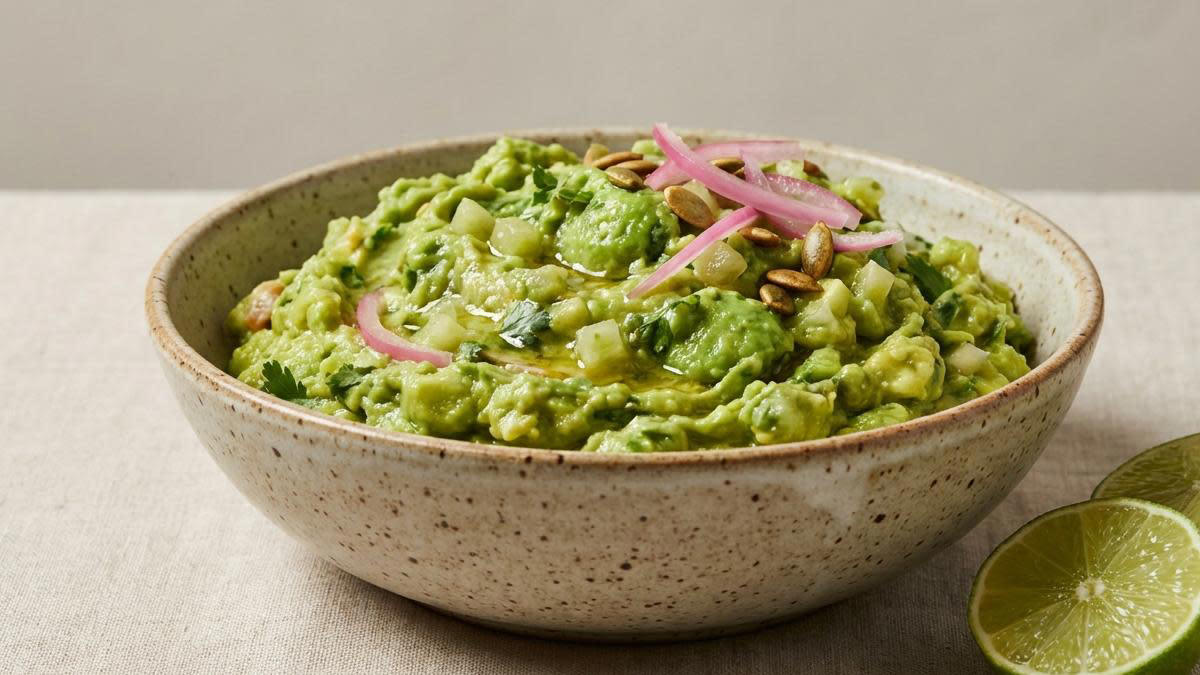
Guacamole has a short window of peak freshness, and most home cooks know the frustration of watching a beautiful batch turn brown within hours of making it. Whether you made too much for taco night or caught avocados on sale and went overboard, the freezer can be a real solution — but only if you do it right.
The good news is that freezing guacamole is entirely possible. You can freeze guacamole with minimal changes to the taste and texture. The catch is that not all guacamole freezes equally well, and skipping a few key steps can leave you with a watery, flat-tasting dip. This guide covers everything you need to know, from prep to thawing to the best ways to use your frozen guac once it comes out of the freezer.
Can You Freeze Guacamole?
Yes, you can freeze guacamole, but you’ll want to make sure you take some very specific steps. The type of guacamole you freeze makes a significant difference in the final result. A creamy guacamole freezes better than a chunky one, since its texture is already pureed. Chunks of avocado, onion, and tomato add a more watery texture after thawing.
Avocados have a high fat but relatively low water content, which makes freezing them quite easy with little texture change. The problem comes from the add-ins. If you freeze guacamole with tomatoes and onions (or other ingredients like jalapeño peppers and cilantro), they will release water as they thaw, leaving you with watery guacamole.
The bottom line: plain or simply seasoned guacamole is your best candidate for the freezer. Chunky, loaded guac is better enjoyed fresh.
Pro Tip: If you know you’re going to freeze a batch, make it specifically for that purpose — mashed avocado with lime juice and salt only. Add your tomatoes, onions, cilantro, and jalapeños fresh after thawing for the best result.
Does Freezing Change the Texture or Taste of Guacamole?
Honest answer: yes, freezing does affect guacamole — but how much depends on what’s in it. The texture of frozen guacamole is not quite the same as a freshly made guac, but the flavor is the same. That’s a reasonable trade-off when the alternative is throwing the whole batch away.
Here’s what actually happens inside the dip. When food is frozen, the water content within it turns into ice crystals. These ice crystals can cause cell walls to break, leading to changes in texture and sometimes a loss of moisture when the food is thawed. For avocado, it can become mushy and lose its creamy texture when frozen and thawed, because the freezing process breaks down the cell structure, resulting in a softer consistency.
Simple guacamole retained the creamy texture after freezing, but it did lose that “fresh avocado” flavor that perfectly ripe avocados have. The chunky guac was quite watery when thawed, making for a guacamole that had a slightly broken texture and a slightly off flavor, because watery ingredients like tomato and onion are notoriously hard to freeze.
Guacamole becomes slightly watery and less creamy after thawing, and chunky guacamole becomes mushier. The avocado flavor and seasonings are preserved well, and it will not look or feel like fresh guacamole but is perfectly good for dipping and spreading.
How to Freeze Guacamole the Right Way
Getting good results from frozen guacamole comes down to three things: what you put in it before freezing, how well you seal out air, and how you portion it. Follow these steps for the best outcome.
Step 1: Prepare the Right Base
Start with plain guac. Mash your avocados with salt and lime juice — that’s it. Skip the onions, tomatoes, or sour cream, as they don’t freeze well and will make your guac watery later. Another tip for retaining texture during freezing is to freeze guacamole that is smooth rather than chunky, since pieces of avocado are more likely to let water out during freezing than avocado that has been pureed or mashed.
Step 2: Add an Acid Shield
A little acid isn’t just for flavor — it slows oxidation and keeps that bright green color. Add an extra tablespoon of lemon or lime juice per cup of guacamole to prevent browning. Don’t add too much citrus juice, as this can introduce more liquid to the dip and affect texture during freezing.
Step 3: Portion Before You Freeze
Freeze your guacamole in portions so that you don’t end up thawing too much at a time and being unable to re-freeze it. Single-serving or meal-sized portions give you flexibility and reduce waste. You can also use an ice cube tray to freeze small amounts. Once frozen solid, transfer the cubes to resealable plastic bags to avoid freezer burn.
Step 4: Seal Out All Air
The enemy of frozen guacamole is air. Air causes browning and off-flavors. Press plastic wrap directly onto the surface (touching the guacamole), then seal the container. You can use an airtight container, but for the freezer, a heavy-duty freezer bag works well. Scoop the guacamole into the bag, flatten it out, and spread it evenly, releasing as much air as possible.
Step 5: Label and Freeze
Guacamole can be stored in the freezer for up to 3 months. Make sure to label the freezer bag with the date you made the guacamole so you can keep track of how long it’s been frozen. Freeze guacamole at a temperature of 0°F (−18°C) or lower to minimize cell damage and preserve the overall texture and taste.
Pro Tip: Flatten your filled freezer bags before they freeze solid. Flat bags stack easily, take up less space in the freezer, and thaw much faster than a thick frozen block.
How Long Can You Freeze Guacamole?
Most sources agree on a 3-month window for best quality. Stored correctly, frozen guacamole can last up to 3 months. You can only store homemade guacamole in the fridge for about three days, but you can freeze it for up to three months.
If you use a vacuum sealer, you may get more mileage. Vacuum-sealed guacamole can last 1–2 weeks in the refrigerator, and if frozen, it can stay fresh for up to 6–8 months. For most home cooks without a vacuum sealer, the 3-month guideline using a heavy-duty freezer bag is a reliable target.
| Storage Method | Location | Estimated Shelf Life |
|---|---|---|
| Airtight container | Refrigerator | 2–3 days |
| Vacuum-sealed | Refrigerator | Up to 2 weeks |
| Freezer bag (air removed) | Freezer | Up to 3 months |
| Vacuum-sealed | Freezer | Up to 6–8 months |
Keep in mind that these timeframes reflect quality, not just safety. The sooner you use frozen guacamole within that window, the better it will taste. Freeze for up to 3 months, keeping in mind the fresher the guac, the better.
How to Thaw Frozen Guacamole
Freezing guacamole is half the job — thawing it the right way is what keeps it tasting fresh. Go too fast, and you’ll end up with watery guac all over again. Here are your three options, depending on how much time you have.
- Overnight in the fridge (best method): Move your bag or container from the freezer to the refrigerator and let it thaw overnight or for at least six hours. Slow thawing keeps the texture creamy instead of watery.
- Cold-water bath (faster): To speed up defrosting, put the freezer bags in a bowl of cold water for up to 45 minutes. Use cold water, not warm — warm water can unevenly heat the guac and create food safety issues.
- Microwave (quickest, use with care): You can pop it in the microwave on defrost mode for a few minutes. Stir the guacamole to help break up any ice crystals and microwave again until thawed. This method works, but it’s the most likely to affect texture.
Once thawed, give it a good stir to bring everything back together. You might notice it’s slightly thinner — that’s normal. After thawing, give your guacamole a good stir to recombine any separated liquids. Assess the texture and taste to ensure it meets your preferences. While the texture may be slightly different from freshly made guacamole, the flavors should still be intact.
Once it’s stirred back together, this is the moment to freshen it up. Once the guacamole is defrosted, give it a stir and enjoy it with tortilla chips, on top of tacos or nachos, or with any other dish you desire. You can also add extra ingredients at this point to restore any flavor that might have been lost in the freezing process, including extra citrus juice, onions, chiles, and tomatoes.
Can You Refreeze Guacamole After Thawing?
This is a hard no. Refreezing guacamole, or any food for that matter, can not only cause unpleasant changes to the texture and flavor but also heighten the risk of bacteria growth. Avoid refreezing thawed guacamole since the texture will take a bigger hit.
The practical solution is to portion your guacamole before it goes into the freezer. Portion your guacamole into your preferred serving sizes before freezing. That way, you won’t have to thaw the whole batch whenever you’re craving some guacamole. Think of individual portions as single-use packs — thaw only what you need for that meal.
Important Note: Once thawed, treat your guacamole like fresh guacamole. Keep it refrigerated and eat it within 1 to 2 days. After that, it starts to lose its fresh flavor and can get a bit mushy.
How to Use Frozen Guacamole (Best Uses After Freezing)
Thawed guacamole may not win a beauty contest, but it absolutely delivers on flavor when used the right way. The recommendation is to use frozen guacamole in dishes that have lots of other flavors going on, like tacos or burritos. The frozen, thawed guacamole will give you the suggestion of guac without having to totally shine on its own.
Here are the best ways to put thawed guacamole to work in your kitchen:
- Tacos and burritos: Spoon it over seasoned ground beef, chicken, or black bean tacos. The other bold flavors carry the dish, and the guac adds its creamy richness without needing to be perfect.
- Nachos: Freezing guacamole is a convenient way to preserve leftovers or to make ahead for burrito bowls, cheesy nachos, or steak quesadillas.
- Avocado toast: Generously spoon it over toasted sourdough for a Mexican take on avocado toast.
- Salad dressings and sauces: You can blitz defrosted or leftover guacamole into creamy salad dressings. Blend with a splash of olive oil, lime juice, and garlic for an easy avocado dressing.
- Dips with chips: A quick stir usually brings it back to life, and a little extra lime juice or salt can work wonders. It’s still totally tasty and perfect for scooping on tortilla chips or topping tacos.
- Sandwiches and wraps: Use thawed guac as a spread in place of mayo or mustard — it works especially well on turkey wraps, veggie sandwiches, and grain bowls.
Avocados are also a great source of healthy fats, which is one reason guacamole pairs so well with so many dishes. If you’re interested in how specific foods support your overall health, check out this overview of super foods for a healthy heart and this guide to whole plant-based foods.
Signs That Frozen Guacamole Has Gone Bad
Frozen guacamole doesn’t last forever, and even well-stored batches can go bad. Knowing what to look for protects you from eating something that’s past its prime. If there are any signs of spoilage, such as an off odor or unusual color, discard the guacamole immediately as it may not be safe to consume.
Here’s what to check before you eat thawed guacamole:
- Smell: Fresh thawed guacamole smells like avocado and lime. A sour, fermented, or otherwise “off” smell means it has spoiled — toss it.
- Color: Some browning on the surface is normal and safe. If you notice a little browning on the surface, don’t panic — just give it a quick stir and it’s good to go. However, deep gray or black discoloration throughout the dip (not just the surface) is a sign of spoilage.
- Texture: Thawed guacamole will be slightly softer than fresh. But if it looks slimy, separated beyond what stirring can fix, or has visible mold, discard it.
- Freezer burn: Freezing guac can slow down browning, but it can still happen a little, especially if there’s air trapped in your container. Heavily freezer-burned guacamole will have dry, white or grayish patches and a noticeably flat flavor. It’s safe to eat but unpleasant — use your judgment.
- Time: If your guacamole has been in the freezer longer than 3 months (or up to 6–8 months if vacuum-sealed), its quality has likely declined enough that it’s not worth eating.
Always store guacamole at or below 40°F (4°C) in the refrigerator to inhibit bacterial growth and spoilage. After thawing, don’t leave it at room temperature for more than two hours.
If you’re curious about how avocados and other foods support your body beyond the dinner table, this guide to fibroid healing foods and this article on foods for healthy skin are worth exploring.
Frequently Asked Questions
Can You Freeze Store-Bought Guacamole?
It is very common to purchase pre-made guacamole and have plenty left over. Store-bought brands like Wholly Guacamole can also be frozen to maintain freshness. To do so, simply follow the freezing and thawing instructions on the food’s packaging. In general, store-bought creamy guacamole freezes better than homemade. While avocados lose their texture after defrosting, creamy guacamole can retain its creaminess without becoming too watery.
How Long Does Guacamole Last in the Fridge Before Freezing?
Make sure the guac is still fresh and not at the end of its shelf life. You can safely store guacamole refrigerated for about 3 to 4 days, with plastic wrap pressed into the surface so it doesn’t brown. If you don’t think you can eat it quickly, you can pop it into the freezer. Don’t wait until it’s nearly gone bad to freeze it — the fresher it goes in, the better it comes out.
Does Frozen Guacamole Turn Brown?
Frozen guacamole won’t turn brown the way refrigerated guacamole does. That’s because the freezing process halts the oxidation reaction. Guacamole turns brown due to oxidation, a process where the enzyme polyphenol oxidase in avocados reacts with oxygen in the air. To keep guacamole from turning brown, you must use a food preservation method that prevents exposure to air. Squeezing out all air from your bag or pressing plastic wrap against the surface before freezing takes care of this.
Can You Freeze Guacamole with Sour Cream in It?
It’s not recommended. Dairy products like sour cream tend to separate and become grainy when frozen and thawed. If your guacamole recipe includes sour cream, hold that ingredient out before freezing and stir it in fresh after thawing.
What’s the Best Container for Freezing Guacamole?
Heavy-duty freezer bags are the most practical option for most home cooks — they’re easy to flatten, stack well, and thaw quickly. You can also use a mason jar or another freezer-proof airtight storage container. Mason jars are freezer-friendly. Whichever container you choose, the goal is the same: remove as much air as possible before sealing.
Can You Use Frozen Guacamole as a Dip?
Yes, but manage your expectations. The recommendation is to use frozen guacamole in dishes that have lots of other flavors going on, like tacos or burritos. The frozen, thawed guacamole will give you the suggestion of guac without having to totally shine on its own — as it would if you served it as a dip with tortilla chips. For a party-ready chip dip, fresh is always better. For a weeknight topping or spread, frozen works great.