Can You Freeze Heavy Cream? Storage Tips, Shelf Life, and How to Use It

November 10, 2026
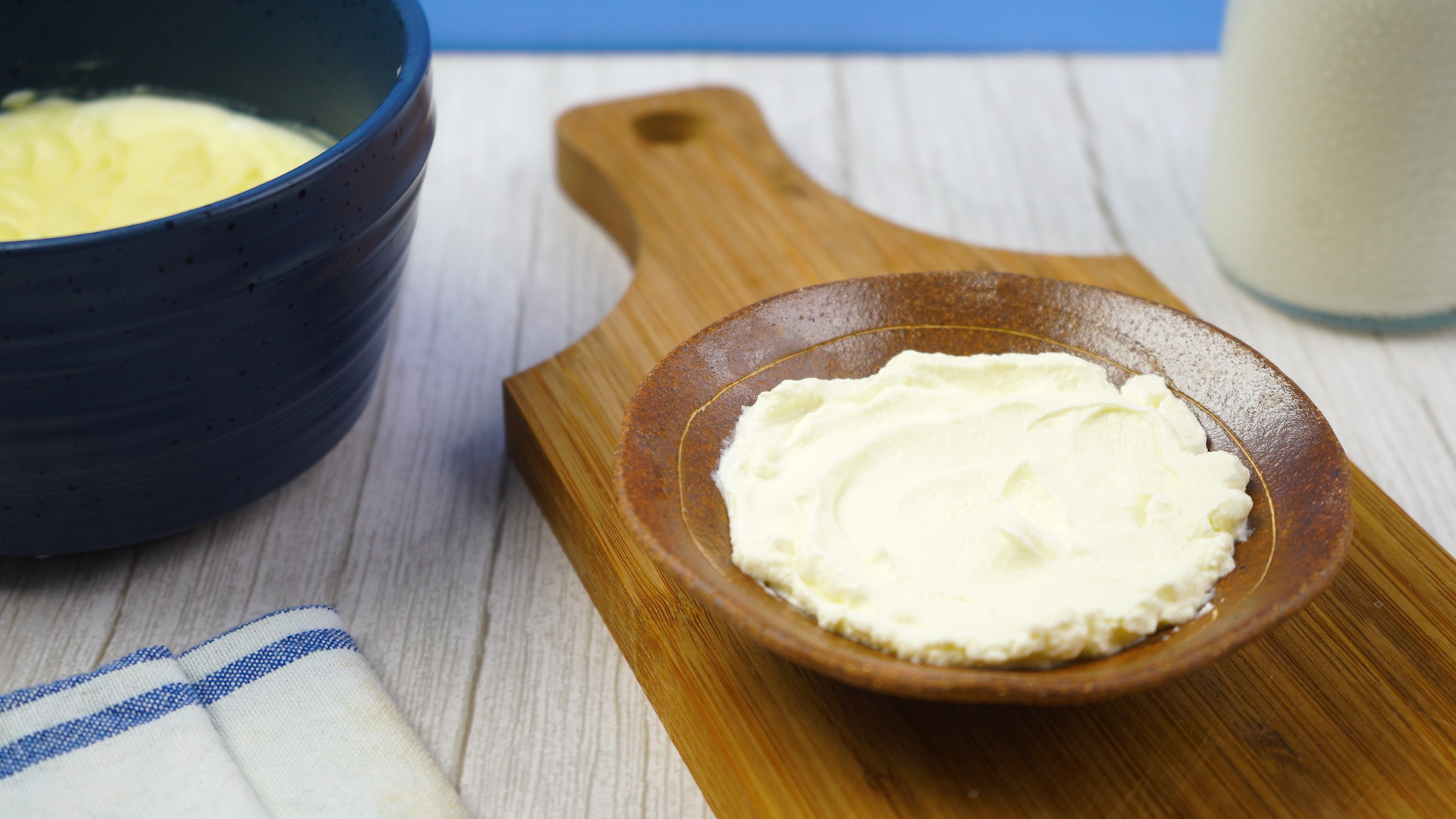
You bought a pint of heavy cream for one recipe, used a few tablespoons, and now the rest is sitting in the fridge slowly ticking toward its expiration date. Sound familiar? It happens to home cooks across the United States all the time. The good news is that you don’t have to pour it down the drain.
Heavy cream can absolutely be frozen, and with the right method, it stays useful for months. The catch is that freezing changes its texture in ways that matter for some recipes but not others. Knowing what to expect — and how to freeze it properly — makes all the difference between cream that works beautifully in a soup and cream that disappoints you in a bowl of whipped topping.
This guide covers everything you need to know about freezing heavy cream, from step-by-step storage instructions to thawing methods, shelf life, and the best ways to put frozen cream to work in your kitchen.
Can You Freeze Heavy Cream?
Heavy cream is the thick, high-fat portion of milk that rises to the top during the separation process. It contains at least 35% milk fat, making it richer in taste than other dairy products like half-and-half or whole milk. That high fat content is actually what makes it a better candidate for freezing than lighter dairy products.
According to a report by the University of Georgia, only cream with 40% milkfat or more is acceptable for freezing. Light cream contains only between 18% and 30% milkfat, while whipping cream ranges between 30% and 36%, so heavy cream is the most viable option. If you’re unsure which type you have, check the label before freezing.
Heavy cream is one of those ingredients that often goes to waste before it’s fully used — but freezing it is an easy way to make sure you always have some available when you need it. While the texture may change slightly, it remains useful for cooking, baking, and topping desserts. Freezing heavy cream ensures that not a drop goes to waste, stretching both your ingredients and your budget.
Pro Tip: If you’re not sure whether you have heavy cream or heavy whipping cream, don’t worry — the two are nearly interchangeable in most recipes. Learn the key differences between heavy cream and light cream before deciding which to freeze.
Does Freezing Change the Texture or Taste of Heavy Cream?
Yes, freezing does change the texture of heavy cream — and it’s worth understanding exactly how so you can plan accordingly. The flavor, however, holds up well.
Heavy cream can be frozen for 1 to 2 months. It will separate once thawed, but heavy cream’s higher fat content does fare better — it separates less than lighter dairy products. That said, some separation is normal and expected.
Frozen heavy cream isn’t as creamy or luscious after it’s thawed because the longer it’s frozen, the more ice crystals form. This can cause some separation and make the thawed cream harder to whip. The nutritional content, though, stays intact: freezing does not alter macronutrient composition. A tablespoon of thawed heavy cream retains 51 kcal and 5.5 g fat — identical to fresh.
Frozen-then-thawed heavy cream will not whip as nicely as fresh heavy cream. The heavy cream will develop ice crystals the longer it sits in your freezer, and the added water content will prevent the cream from becoming as voluminous as a carton of fresh heavy cream.
The fat and liquid in cream can separate during freezing and thawing, resulting in a cream that may appear slightly grainy or that does not whip as well as fresh cream. For cooking applications — soups, sauces, pasta dishes, casseroles — frozen and thawed cream works perfectly, and the texture difference disappears once it is incorporated into a hot dish.
How to Freeze Heavy Cream the Right Way
The method you use to freeze heavy cream depends on how you plan to use it later. Portioning it into smaller amounts before freezing is almost always the smarter move, since you can thaw exactly what you need without defrosting a large block.
Method 1: Ice Cube Tray Portions
The ideal way to freeze leftover heavy cream is to pour pre-measured amounts into ice cube trays. That way you can always pull out exactly what you need without defrosting a large quantity, and the cubes defrost quickly.
- Fill the ice cube trays or molds three-quarters of the way full with heavy cream. Leave room for expansion or else you’ll end up with a big mess.
- When all the squares are filled, transfer the ice cube tray to the freezer, making sure it sits flat. Freeze for a couple of hours.
- Once frozen, pop the cubes out of the tray and place them into a freezer bag or airtight container labeled with the date and contents.
Jumbo silicone trays sold for making whiskey ice cubes are ideal — each square holds 1/4 cup of heavy cream and easily peels away from the frozen cube. You can also use ordinary-sized ice cube trays, which hold about 2 tablespoons of liquid.
Method 2: Freezer Bag for Larger Amounts
You can also freeze a pre-measured portion of heavy cream flat in a freezer bag for larger amounts. Label the bag with the date and amount that was frozen. Lay the bag flat in the freezer so it freezes into a thin, even layer that’s easy to break apart later.
Method 3: Freezing in the Original Carton
If you have an unopened carton of heavy cream, pour out some of the liquid so there is about 1 inch of space in the carton to allow for expansion as it freezes. Place cardboard cartons into a freezer bag or wrap in plastic wrap before placing in the freezer.
Pro Tip: If you want whipped cream available for topping desserts, freeze it before it’s whipped. Whip your heavy cream to soft peaks, dollop the mixture onto parchment paper-lined sheet trays, then freeze until firm and transfer to zip-top bags until ready to use. This method preserves the texture far better than freezing liquid cream and whipping it afterward.
Key Freezing Rules to Follow
- Paperboard cartons are not vapor-barrier sealed and allow moisture migration and freezer burn. Transfer to rigid, airtight containers or heavy-duty freezer bags immediately after opening.
- Label every container with the date and the amount so you always know what you’re working with.
- Ensure the container is sealed tightly to prevent air from entering, which can cause freezer burn.
How Long Can You Freeze Heavy Cream?
Shelf life in the freezer depends on the container size and how well it’s sealed. Here’s a quick reference:
| Storage Method | Maximum Freezer Life | Best Use After Thawing |
|---|---|---|
| Ice cube portions (airtight bag) | 3 months | Soups, sauces, coffee |
| Freezer bag (flat) | 3–4 months | Cooking, baking |
| Original carton (wrapped) | 1–2 months | Cooking only |
| Pre-whipped dollops | 3 months | Dessert toppings |
The USDA FoodKeeper confirms heavy cream freezes for 3 to 4 months. For the best quality, though, aim to use it within 3 months. The heavy cream cubes can be left in an airtight zip-top bag in the freezer for up to 3 months. The longer the cream is frozen, the more ice crystals will form, which can cause it to separate, have a grainy texture, and form a thinner consistency when thawed.
For context on how this compares to refrigerator storage: heavy cream is among the most perishable dairy products in the home kitchen, with a refrigerated shelf life of only 7–10 days post-opening, even when stored at a consistent 34–38°F. Freezing dramatically extends that window.
How to Thaw Frozen Heavy Cream
Thawing heavy cream correctly is just as important as freezing it correctly. Rushing the process or using the wrong method can accelerate separation and affect how well the cream performs in your recipe.
Refrigerator Thawing (Recommended)
The safest and most recommended method is to move the heavy cream from the freezer to the refrigerator. This allows the cream to thaw slowly and evenly. Heavy cream frozen directly in the original container takes between 2 to 3 days to thaw in the refrigerator. Give it a good shake before you are ready to use it. Ice cube portions thaw much faster — typically overnight.
Once thawed, transfer as many cubes as you need to a container and leave them to thaw in the refrigerator. Use within 1 to 2 days. Allow your frozen heavy cream to thaw in the fridge overnight, and use a whisk to mix it up before using for the best results.
Quick Thawing on the Stovetop or Microwave
If you’re in a rush, just pop a few cubes in a saucepan on the stove or in the microwave. Heat in 30-second increments until thawed. This method works well when you’re adding the cream directly to a hot dish like a soup or sauce, since the cream will be heated anyway.
Important Note: Skipping the slow-thaw step or agitating while partially frozen accelerates irreversible curdling. If your cream looks gritty after thawing, the butter fat has started clumping together, and it is very difficult to re-emulsify solid fat. It can still be used in cooked dishes, but whipping it is no longer realistic at that point.
Can You Refreeze Heavy Cream After Thawing?
The short answer is no. Once frozen, heavy cream should not be re-frozen, so you’ll have to toss whatever can’t be used immediately. This is exactly why portioning before freezing matters so much — you only thaw what you need.
Refreezing thawed dairy creates two problems. First, the texture degrades further with each freeze-thaw cycle, producing a grainier, more separated product. Second, bacterial growth is a real concern. The 2-hour rule applies: heavy cream left at room temperature for more than 2 hours should be discarded. If thawed cream has been sitting out or was improperly handled during thawing, refreezing it doesn’t make it safe — it just locks in whatever bacteria may have grown.
The best strategy is to freeze cream in the exact portion sizes your recipes call for. Standard ice cube trays hold about 2 tablespoons per cube, while jumbo silicone trays hold about 1/4 cup — both common measurements in American recipes for soups, pasta sauces, and baked goods. You can also look into how coffee creamer freezes if you’re trying to reduce dairy waste across the board.
How to Use Frozen Heavy Cream (Best Uses After Freezing)
Thawed heavy cream shines in cooked and baked applications. The texture change that makes it less ideal for whipping actually becomes invisible the moment it hits a hot pan or blends into a batter.
Best Uses for Thawed Heavy Cream
- Soups and chowders — tossing a cube or two directly into a pot of soup or stew works perfectly, since the heat re-incorporates the cream seamlessly.
- Pasta sauces — cream-based sauces like Alfredo or vodka sauce are ideal. The cream blends into the sauce as it reduces, and no one will detect any textural difference.
- Casseroles and gratins — thawed cream adds richness to baked dishes without any issues.
- Baked goods — scones, biscuits, pound cakes, and quick breads all work well with thawed cream.
- Coffee and hot drinks — a frozen cube dropped into hot coffee melts quickly and adds the same richness as fresh cream.
- Homemade butter — heavy cream can be used to make homemade butter, and thawed cream works fine for this since you’re churning it anyway.
What to Avoid
Thawed heavy cream is not recommended for delicate recipes where fresh cream is best. Instead, use it in hearty soups, stews, and other recipes where the texture of the cream isn’t of the utmost importance.
If you need whipped cream for a dessert topping and only have frozen cream on hand, use the pre-whipped dollop method described in the freezing section above. Transfer the frozen whipped cream to an airtight container or zip-top bag and freeze for up to 3 months. When thawed, use the whipped cream dollops as a finishing touch on top of pancakes, waffles, hot chocolate, scones, and more.
If you’ve run out of heavy cream entirely and can’t use your frozen supply in time, it helps to know your options. Check out these best substitutes for heavy cream for recipes that need a fresh alternative.
Signs That Frozen Heavy Cream Has Gone Bad
Frozen cream doesn’t last forever, and even properly stored cream can go off if it’s been in the freezer too long or if the seal was compromised. Here’s what to look for before you use it.
| Sign | What It Means | What to Do |
|---|---|---|
| Sharp, rancid, or foul smell | Spoilage — the cream has gone bad | Discard immediately |
| Sour smell (mild) | Natural aging — may still be usable in cooked dishes | Taste a small amount; if acceptable, use in soups or sauces only |
| Gritty or clumped texture | Fat has separated — not spoilage, but texture is compromised | Use only in cooked applications |
| Discoloration or yellowing | Possible spoilage or freezer burn | Discard if color is unusual |
| Visible mold | Spoilage | Discard the entire container |
| Bubbling after thawing | Bacterial growth has occurred | Discard immediately |
You can always tell if your heavy cream is spoiled by the way it looks and smells. If there is a sour smell or you see any discoloration or molding, it is time to throw it away.
A slightly sour smell is not always spoilage — heavy cream develops mild sourness as it ages. A sharp, rancid, or foul smell means discard. When in doubt, throw it out — heavy cream is inexpensive relative to the dish it might ruin.
Bubbles in thawed cream can be an indicator that heavy bacterial buildup has already started. Significant solid lumps or curdling that does not smooth out indicates the cream has broken and is past its prime. Discard opened heavy cream after 10 days, as the USDA recommends, or after 2 to 3 weeks maximum even if it passes the smell test.
Also watch for freezer burn — over 92% of spoilage incidents linked to frozen dairy stem from temperature fluctuation greater than ±2°F during storage, not the freeze itself. Keeping your freezer at a consistent 0°F and storing cream in airtight containers prevents most of these issues.
Eating well with quality ingredients matters, and heavy cream plays a role in many nourishing recipes. For more on foods that support your health, explore superfoods for a healthy heart and foods that promote healthy skin.
Frequently Asked Questions
Can you freeze heavy cream in its original carton?
Yes, but with precautions. Pour out some of the liquid so there is about 1 inch of space in the carton to allow for expansion as it freezes. Place cardboard cartons into a freezer bag or wrap in plastic wrap before placing in the freezer. Keep in mind that this method makes it harder to use just a small portion later.
Can you freeze heavy cream for whipping?
Once frozen and thawed, heavy cream does not always make the best whipped cream. But already-whipped cream freezes really well. To make whipped cream, beat the heavy cream in the bowl of a stand mixer until stiff peaks form, then freeze the dollops on a parchment-lined sheet before transferring to a bag.
How long does heavy cream last in the fridge after thawing?
Transfer as many cubes as you need to a container and leave them to thaw in the refrigerator. Use within 1 to 2 days. Don’t let thawed cream sit in the fridge for more than 2 days before using it.
Does freezing heavy cream affect its fat content?
Freezing does not alter macronutrient composition. A tablespoon of thawed heavy cream retains 51 kcal and 5.5 g fat — identical to fresh. The nutritional value stays the same; only the texture changes.
Can you freeze heavy cream that’s already been opened?
Yes. Opened heavy cream can be frozen as long as it hasn’t already started to spoil. Once opened, use within 10 days — no freezing needed for short-term storage. If you’re approaching that window and know you won’t use the rest, freeze it right away in portioned cubes rather than waiting until the last minute.
Is heavy cream the same as heavy whipping cream for freezing purposes?
Heavy cream contains 35 to 40% butterfat. It is very rich and is best for taste and texture, but the two can be swapped in most recipes. Both freeze and thaw in essentially the same way, so the same storage tips apply to both. If you’re looking for dairy-free alternatives that also freeze well, see how to freeze coffee creamer for comparison.
What’s the best way to use up heavy cream before it needs to be frozen?
Because of its high fat content, heavy cream is incredibly versatile in the kitchen. It can be used to make creamy soups and pastas, whipped cream topping, desserts, or homemade butter, and it can be added to coffee and tea. If you’re looking for creative ways to cook with it before it goes to waste, explore whole plant-based foods that pair well with cream-based sauces, or browse traditional Greek foods and German foods for cream-forward recipe inspiration.