Can You Freeze Hard Salami? Storage Tips, Shelf Life, and More

November 9, 2026
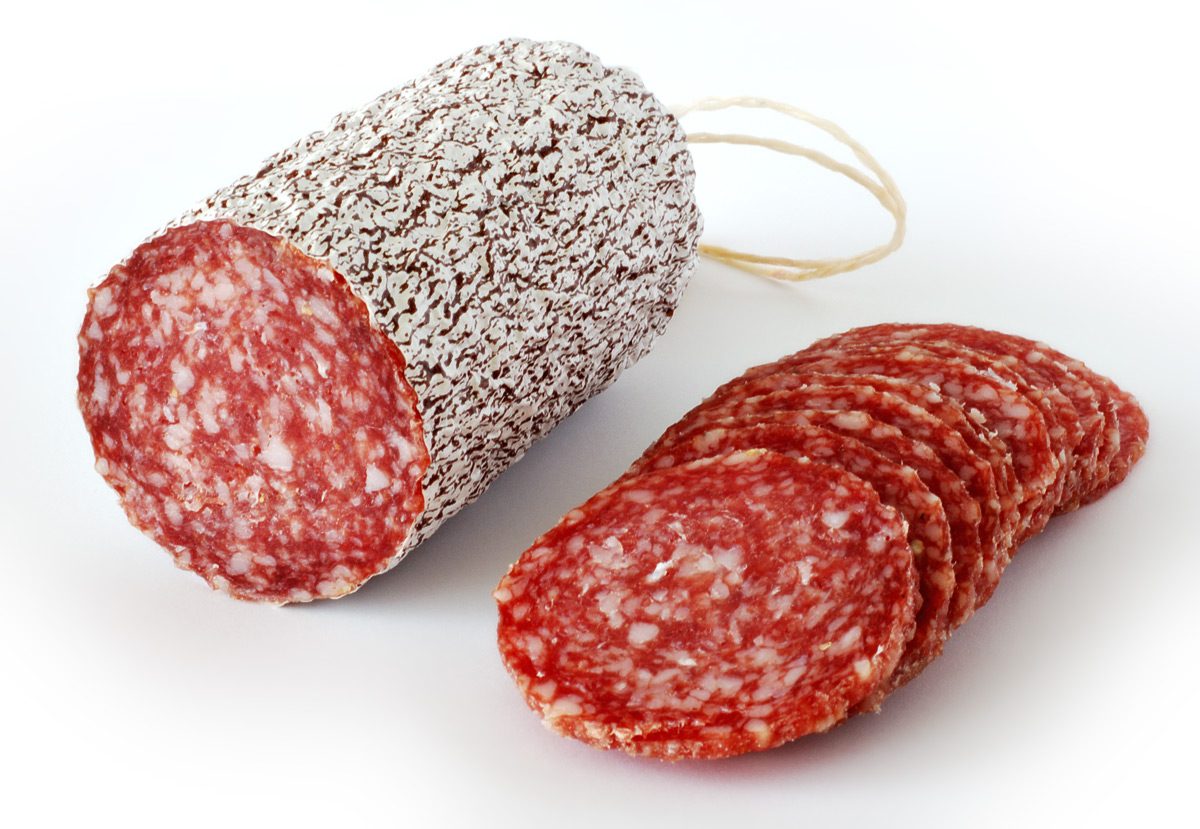
Hard salami is one of those refrigerator staples that always seems to run out at the wrong time — or pile up faster than you can use it. Whether you grabbed a bulk pack at Costco, stocked up on a sale, or simply have leftover deli slices from a charcuterie spread, you may be wondering if the freezer is a safe option.
The short answer is yes. Freezing hard salami is a viable method for extending its shelf life, provided it’s done properly. The key is knowing how to prep it, how long it actually keeps, and what to expect when you thaw it. This guide walks you through every step.
Can You Freeze Hard Salami?
Hard salami holds up quite well to the freezing process. Like some other luncheon meats, salami has a low water content, which makes it ideal for freezing — foods with high water content suffer the most damage from freezing. That low moisture level is one reason hard salami is a better candidate for the freezer than many other deli meats.
Since salami is a cured meat, it already has a longer shelf life compared to fresh meats. Hard salami is fairly shelf-stable, so it can sit wrapped in butcher or wax paper indefinitely, as long as it is kept fully covered and away from excess moisture. Freezing simply extends that window even further.
One important note: freezing does not fix salami that smells sour, feels slimy, has mold that should not be there, or was held warm too long. Always freeze it while it’s still fresh and in good condition.
Pro Tip: If you buy hard salami in bulk at warehouse stores like Costco or Sam’s Club, divide it into meal-sized portions before freezing. You’ll save time and avoid thawing more than you need at once.
Does Freezing Change the Texture or Taste of Hard Salami?
Freezing can have some effects on the texture and flavor of hard salami. Freezing may cause the salami to become slightly softer or more prone to crumbling, because the water content in the salami forms ice crystals, which can disrupt the meat’s structure.
Fat may separate or become grainy if frozen too long or improperly wrapped. Flavor changes are usually minimal since hard salami’s curing salts and spices help stabilize taste compounds, though some subtle shifts in aroma or mouthfeel might occur.
Freezing salami might change the texture a bit, but if it’s well wrapped, you’re not going to see a significant drop in quality. In terms of flavor, freezing should not affect the salami’s aroma and taste, as the curing process and spices used in making the salami help preserve its flavor profile.
The takeaway: texture may shift slightly after thawing, but the flavor holds up well when the salami is properly packaged. If you plan to use it in cooked dishes, any minor texture change becomes a non-issue entirely.
How to Freeze Hard Salami the Right Way
How you freeze hard salami depends on whether it’s whole, unsliced, or already cut into slices. Both work well, but sliced salami is generally more practical for everyday use.
Freezing Sliced Hard Salami
- Portion it out. Freeze only the amount you will thaw at one time. Think in terms of how you’ll use it — a few slices for a sandwich, a handful for pizza, etc.
- Separate the slices. Place parchment or freezer paper between stacks of slices so they do not freeze into one solid block.
- Wrap tightly. Use plastic wrap followed by aluminum foil or vacuum seal bags for best protection.
- Double bag it. Protect it against freezer burn by adding a second freezer bag over the salami meat.
- Label it. Write the food and date on the package so freezer time stays clear.
- Store away from odors. Keep it away from strong-smelling foods, as hard salami can absorb odors easily.
Freezing a Whole or Unopened Hard Salami
Unopened salami that has been purchased in an airtight or vacuum seal packet can be left in its original packaging and wrapped in another layer of heavy-duty aluminum foil. Then place it inside a freezer bag, press out the air, and seal it. Store the salami in a part of the freezer where the temperature is consistent and doesn’t fluctuate. Avoid placing it near the door or in areas that are often exposed to warm air when the freezer is opened, as this will help maintain the salami’s quality and prevent temperature fluctuations that could affect its taste and texture.
Pro Tip: A vacuum sealer is the single best tool for freezing hard salami. It helps frozen food maintain excellent quality for significantly longer by eliminating the air that causes freezer burn and flavor loss.
How Long Can You Freeze Hard Salami?
Freezer life depends on whether the salami is whole or sliced, and how well it’s packaged. Here’s a quick reference:
| Type | Refrigerator Life (Opened) | Freezer Life |
|---|---|---|
| Whole, unopened dry/hard salami | Up to 6 weeks (pantry); indefinitely refrigerated | Up to 10 months (well-wrapped) |
| Sliced hard salami (deli or home-cut) | 5–7 days | 1–2 months (best quality); up to 6 weeks per USDA guidance |
| Sliced salami (vacuum sealed in freezer) | 5–7 days | Up to 6 months |
Whole dry-cured salami freezes well for up to 10 months. For longer storage, deli-sliced salami can be frozen for 1–2 months while maintaining good quality. These times are based on USDA food safety guidelines and assume proper storage conditions.
Although you can safely store it up to six months, you will start to notice that the texture and taste have been affected if you store it longer than 3 months in the freezer. For the best eating experience, aim to use frozen hard salami within 2–3 months regardless of the type.
The sooner you freeze salami, the less the texture and taste will be affected. Freezing it a day or so after opening is better than waiting a week.
How to Thaw Frozen Hard Salami
Thawing hard salami correctly protects both its quality and your safety. There are a few methods, but one is clearly best.
Refrigerator Thawing (Recommended)
You should always thaw salami in the refrigerator overnight. This is the safest way to thaw deli meats and also helps to preserve the taste and texture of the salami. To avoid the growth of harmful bacteria which can cause food-borne illnesses, frozen salami should be placed directly from the freezer into the refrigerator to thaw.
Sliced pieces will defrost fairly quickly, whereas a full sausage of salami may need to be left to thaw overnight. Keep it wrapped while thawing so it does not dry out or pick up refrigerator odors.
Cold Water Thawing (Faster Option)
If pressed for time, use the cold water bath method — seal tightly, then submerge in cold water, changing the water every 30 minutes until thawed, usually under an hour. This works well for sliced salami portions.
Microwave Thawing (Use with Caution)
Avoid microwave thawing when possible, as it heats unevenly, causing partial cooking spots that ruin texture and flavor. If you’re short on time and need to use the microwave, defrost slices on the defrost setting in small increments — no more than one minute at a time. The slices can go from thawing to cooking very quickly, so you’ll need to keep an eye on them.
Once thawed, keep salami in the fridge and eat it within three to four days.
Can You Refreeze Hard Salami After Thawing?
This is one of the most common questions about deli meat storage, and the answer is generally no.
Leftover salami that has been frozen once should not be frozen again. Like most meats, it’s only sensible to freeze and defrost it once. That’s why it’s important that, when you freeze deli meat, you plan ahead. If you know you are going to want to defrost small portions at a time, freeze salami in individual portions.
There is one exception: if you thaw salami and then cook it — for example, as a pizza topping — you can bake the pizza and then safely freeze the pizza with the salami on it. Cooking in between thaw and refreeze changes the equation.
Important Note: Only refreeze salami that thawed safely in the refrigerator and stayed cold throughout. Only refreeze salami that thawed safely in the refrigerator and stayed cold. Salami thawed on the counter or in warm water should be used immediately, not refrozen.
How to Use Frozen Hard Salami (Best Uses After Freezing)
Thawed hard salami works well in most of the same ways as fresh, though its slightly softer texture makes it better suited for some applications over others. Despite the potential texture changes, frozen hard salami can still be used in various dishes, such as sandwiches, salads, and pasta sauces.
Best Uses for Thawed Hard Salami
- Pizza topping. Arrange slices on your pizza before baking. The heat of the oven will cook the salami, making the edges curl and crisp while its flavorful fat seasons the pizza. This is one of the best uses for salami that has softened slightly after freezing.
- Pasta dishes. Chop the thawed salami into small pieces and add it to sauces or soups, where its texture will not be noticeable. It works especially well in tomato-based pasta sauces or baked pasta casseroles.
- Sandwiches and wraps. Salami retains its texture well, making it ideal for sandwiches and snacks after thawing — particularly when paired with cheese, mustard, or roasted peppers on a hoagie roll.
- Charcuterie and antipasto boards. If you sliced your salami before freezing, defrosting is very quick. The thin slices thaw quickly, making it easy to prepare charcuterie boards straight out of the freezer.
- Salads. Dice or slice thawed hard salami and toss it into an Italian pasta salad, a green salad with olives and pepperoncini, or a hearty grain bowl for a protein boost. You may also enjoy it alongside other traditional Greek foods like hummus, pita, and feta for a Mediterranean-style spread.
- Pan-fried salami chips. For a crispy texture, pan-fry salami slices for 1–2 minutes per side until they are browned and the fat has rendered. These work great as a crunchy topping for soups or as a snack on their own.
If you enjoy exploring cured meats and bold flavors, hard salami pairs naturally with the kinds of ingredients featured in traditional German foods and traditional Pakistani cuisine — cuisines that share a deep appreciation for preserved and cured meats.
Signs That Frozen Hard Salami Has Gone Bad
Even in the freezer, hard salami can eventually degrade. Knowing what to look for before you eat it can save you from a food safety issue.
Signs of Spoilage to Watch For
- Off smell. Good salami should have a rich, savory, and slightly tangy aroma. A sour or rancid smell is a clear sign of spoilage. If it smells like rotten eggs, ammonia, or anything sharp and unpleasant, discard it.
- Slimy or sticky surface. Look for a slimy or sticky surface, sour or rancid smell, discoloration beyond normal curing colors, or off taste. Sliminess is one of the clearest indicators that bacteria have taken hold.
- Unusual mold. A sour or rancid smell, a slimy or sticky surface, or the presence of black, green, or fuzzy mold indicates spoilage (a fine, white powdery mold can be normal on some artisanal salamis).
- Gray or discolored edges. Some surface discoloration from oxygen exposure is normal on sliced salami. Gray edges that spread inward toward the center of the slice, or uniform grayness throughout, indicate spoilage.
- Freezer burn. If you notice any grayish-brown spots or dry areas on the meat, it may have freezer burn. While still safe to eat, the quality and taste will be compromised. Heavily freezer-burned salami is best used in cooked dishes where the texture is less noticeable.
- Unusual texture after thawing. Any overly tough, dry, or slimy meats may mean that it is time to put the food in the garbage instead of your mouth.
Important Note: If you suspect that the salami has gone bad, do not taste it. Avoid the risk of food poisoning and throw it away. When in doubt, it’s not worth the risk.
For more guidance on foods that support your overall health and well-being, explore this overview of superfoods for a healthy heart or learn about foods that support liver function.
Frequently Asked Questions
Can you freeze hard salami that’s still in its original packaging?
It is generally recommended to freeze unopened salami in its original packaging. The original packaging is designed to maintain the quality of the salami during freezing. Just add an outer layer of aluminum foil or a freezer bag for extra protection against freezer burn.
How long does hard salami last in the fridge after opening?
Properly stored deli-sliced salami stays safe for 5–7 days in the fridge. Once cut or opened, refrigerate and use within 3 weeks for a whole dry-cured hard salami. Once it has been in the fridge for over 7 days (for sliced), it is no longer safe to eat or freeze and should be discarded.
Can you freeze deli-sliced hard salami from the deli counter?
If the salami was sliced at a deli counter or opened for a sandwich tray, handle it more like lunch meat and freeze it while it is still fresh. The sooner you freeze it after purchase, the better the quality when you thaw it.
Does hard salami need to be cooked before freezing?
No. Hard salami is a ready-to-eat food — no cooking is required. You can freeze it raw, thaw it, and eat it as-is. Cooking it is optional and simply changes the texture and flavor profile.
What is the white coating on hard salami? Is it safe?
The white coating on whole dry salami is typically a beneficial mold (Penicillium) that is part of the curing process and is safe. However, white spots that appear after slicing or green mold should be treated as spoilage.
Is it safe to freeze hard salami more than once?
Generally, no. Although salami freezes well, the texture will change a little. Because of this change of texture, you should never refreeze the meat once it has been thawed. It is best to separate salami into servable portions in double-wrapped bags so that you don’t have to defrost the complete package when you only want a few slices.
Can I freeze hard salami with cheese for a charcuterie board?
Hard cheeses like Parmesan or aged cheddar can be frozen, but softer cheeses do not freeze well. It’s better to freeze the salami separately and pair it with fresh cheese after thawing. For entertaining inspiration, check out ideas from food storage guides that cover how to prep deli meats ahead of events.
How do I know if my hard salami was frozen long enough to lose quality?
Keep in mind that freezing may affect the texture of the salami, making it slightly softer or more prone to crumbling. Nevertheless, the flavor and aroma should remain intact, allowing you to enjoy your hard salami for a longer period. If the salami has developed freezer burn or been stored beyond 3 months in sliced form, use it in cooked dishes rather than eating it cold.