Can You Freeze Beef Enchiladas? Storage Tips That Actually Work

November 8, 2026
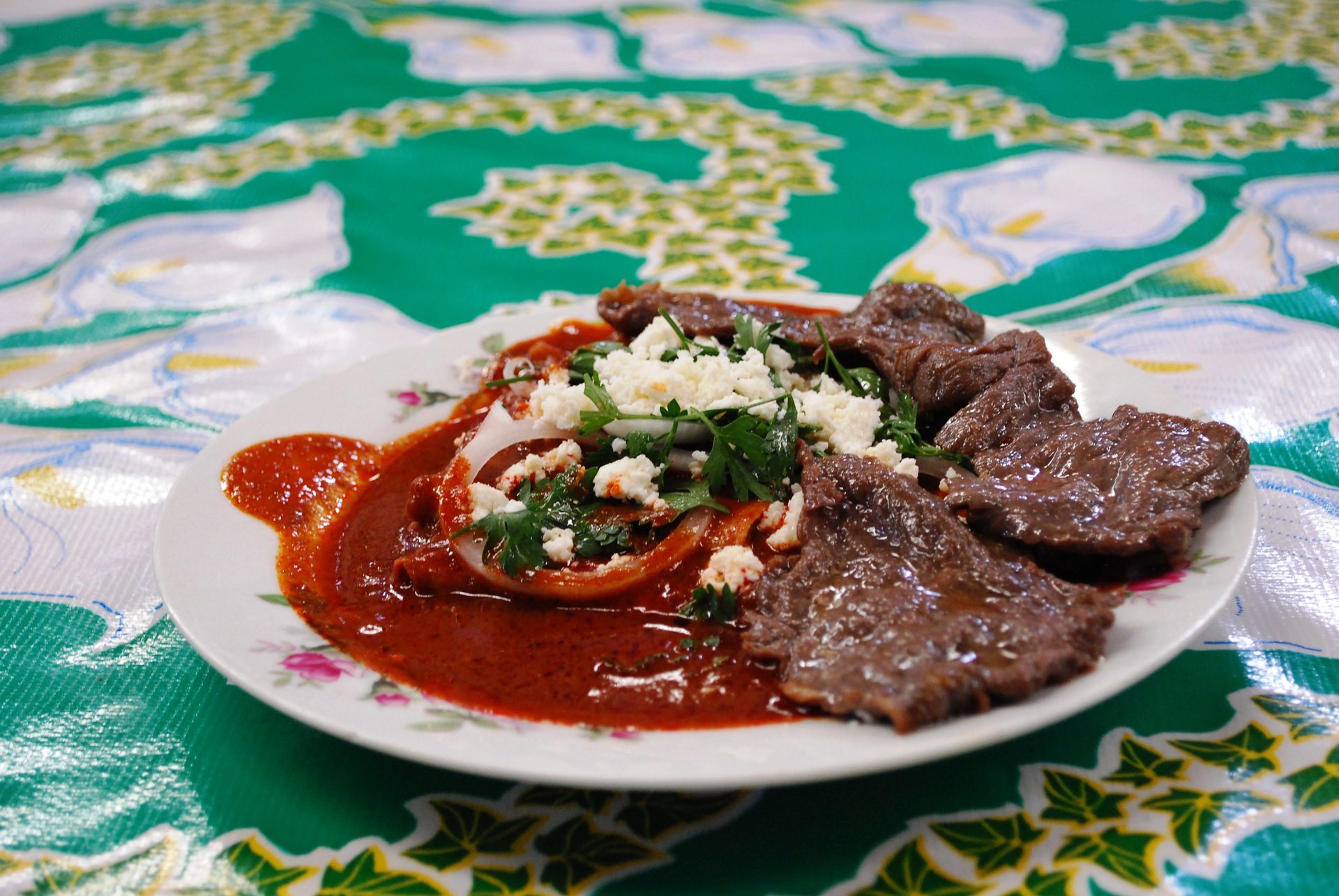
Beef enchiladas are one of those meals that practically beg to be made in bulk. Whether you cooked a double batch on Sunday or have a pan of leftovers from last night’s dinner, the freezer is your best friend — as long as you know how to use it right.
The short answer is yes, you can absolutely freeze beef enchiladas, and they hold up better than most people expect. The longer answer involves a few simple steps that make the difference between a soggy, flavorless result and a pan that comes out of the oven tasting like you just made it fresh. This guide covers everything you need to know, from wrapping to reheating.
Can You Freeze Beef Enchiladas?
Yes — beef enchiladas freeze well, and they are one of the most practical make-ahead meals you can keep on hand. Freezing enchiladas preserves their spicy, cheesy, and saucy flavors for up to 3 months. That makes them a reliable option for busy weeknights, postpartum meal prep, or anytime you want dinner ready with minimal effort.
You have two options when it comes to timing: freeze them before baking or after. You can freeze enchiladas either before or after they have been cooked. For optimal texture, freezing enchiladas before baking allows the tortillas to crisp up perfectly in the oven and avoid sogginess — but either option will work.
If you are freezing a full pan of leftovers after dinner, that works just fine too. Freezing leftover enchiladas in single servings in freezer-safe glass storage containers makes it easy to pull out one enchilada at a time for quick lunches throughout the week.
Pro Tip: If you know you are planning to freeze a batch, consider making a double recipe — one pan for dinner tonight and one to freeze. You do all the work once and get two meals out of it.
Does Freezing Change the Texture or Taste of Beef Enchiladas?
Freezing can affect the texture of beef enchiladas, but the change is manageable with the right technique. Because enchiladas are made wrapped up in a tortilla, they have a tendency to become soggy when frozen and thawed, which can ruin the taste or texture when you defrost them. The good news is that this is largely preventable.
The tortilla is the most vulnerable part. Freezing uncooked enchiladas and baking them just before serving helps preserve texture, whereas freezing cooked enchiladas often results in soggy or rubbery tortillas. That said, plenty of home cooks freeze fully cooked enchiladas with great results by following a few key steps.
Flavor holds up well in the freezer. When considering freezing enchiladas, the main concern is how long they can be stored and whether they will retain their taste and texture after being thawed — and generally speaking, freezing does not negatively affect food unless it is exposed to extreme temperatures. The beef filling, enchilada sauce, and cheese all freeze without significant flavor loss when properly wrapped.
One practical trick that makes a real difference: to avoid having soggy enchiladas, quickly fry the tortillas before assembling. Frying them in a small amount of hot oil creates a barrier so they do not soak up too much sauce or liquid, which could cause them to break down. Frying the tortillas is a reliable way to avoid sogginess and protect the contents of the enchilada.
How to Freeze Beef Enchiladas the Right Way
How you wrap and store your enchiladas matters just as much as how long you keep them. Follow these steps to get the best results whether you are freezing them raw or cooked.
Freezing Uncooked Beef Enchiladas
- Assemble as normal — Brown the beef, season it, and roll the enchiladas in your tortillas. Spread sauce on the bottom of the pan, place the rolled enchiladas seam-side down, and pour sauce over the top.
- Stop before baking — Do not put the pan in the oven. You can add cheese on top before freezing; it bakes up fine later.
- Flash freeze first — Cover the pan with foil, then freeze until completely firm, which could take up to 3 hours. This is called flash freezing. Once firm, lift the enchiladas out of the pan using the parchment paper.
- Wrap tightly — If using vacuum seal bags, transfer the frozen enchiladas to a vacuum seal bag, label, and freeze. If using a disposable foil pan, wrap the pan in two layers of plastic wrap and a layer of aluminum foil to prevent freezer burn.
- Label with the date — Label your frozen enchiladas to easily identify them when removing from the freezer, including the quantity and preparation date.
Freezing Cooked Beef Enchiladas
- Let the enchiladas cool completely before wrapping — never freeze them hot, as steam creates ice crystals inside the packaging.
- Drain out any excess liquid from the enchiladas. This helps prevent freezer burn and crystals when the enchiladas are frozen — either by pouring off excess watery sauce or by cooking the sauce down thicker during preparation.
- Wrap the dish tightly in plastic wrap, then a layer of aluminum foil.
- Try adding some fresh cheese to the top before placing in the freezer. The cheese may have spread unevenly during baking, so adding extra fresh cheese ensures you get that melted, gooey result once you thaw and reheat.
Pro Tip: Disposable aluminum pans are ideal for freezer enchiladas. You can go straight from freezer to oven without worrying about your good bakeware being tied up in the freezer for weeks.
How Long Can You Freeze Beef Enchiladas?
If stored and frozen correctly, enchiladas can last in the freezer for up to 3 months and still taste delicious when thawed and baked again. Most sources agree on this three-month window as the sweet spot for quality.
Frozen enchiladas will last up to 3 months if stored correctly. After that point they will still be safe to eat, but they may develop freezer burn which could cause textural changes. Some sources note they can technically last longer, but the eating experience declines noticeably past the three-month mark.
Once you thaw your enchiladas, the clock starts ticking. If you opt to thaw the enchiladas before baking them, you will need to cook them within 24 hours. Do not thaw them and then leave them in the refrigerator for several days before getting around to baking.
| Storage Method | How Long They Last | Notes |
|---|---|---|
| Refrigerator (cooked) | 4–5 days | Store in an airtight container |
| Freezer (uncooked, assembled) | Up to 3 months | Best quality; bake from frozen |
| Freezer (cooked) | Up to 3 months | Wrap tightly; reheat covered |
| After thawing | Within 24 hours | Bake promptly; do not refreeze |
How to Thaw Frozen Beef Enchiladas
The refrigerator is the safest and most reliable way to thaw frozen beef enchiladas. The best way to thaw enchiladas is to leave them in the fridge overnight. They will not warm up too much, and this prevents the growth of any bacteria while still defrosting the dish.
Plan ahead by moving the pan from the freezer to the refrigerator the night before you want to eat. Transfer the enchiladas from the freezer to the refrigerator at least 24 hours before use. Once thawed, bake them promptly.
You also have the option to skip thawing entirely. You do not actually need to thaw frozen enchiladas prior to baking them. In fact, frozen uncooked enchiladas should be baked from frozen — this helps preserve the texture of the tortillas and prevents them from becoming soggy.
Thawing frozen enchiladas in the microwave is not recommended, as it can make the cheese and tortillas dry or rubbery. Stick to the refrigerator method or go straight from the freezer to the oven for the best outcome.
Important Note: Never thaw enchiladas on the kitchen counter at room temperature. Bacteria multiply rapidly between 40°F and 140°F, and leaving a large pan of enchiladas out for several hours puts the beef filling in the danger zone.
Can You Refreeze Beef Enchiladas After Thawing?
Refreezing is not recommended. While it is technically possible to freeze enchiladas that have been thawed, it is not recommended. Freezing and thawing can compromise the texture and flavor of the enchiladas, potentially resulting in a mushy dish upon reheating. It is best to freeze enchiladas only once to maintain their quality.
The beef filling is the main concern here. Do not refreeze ground beef once it has defrosted — doing so increases the risk of bacterial growth and degrades the texture of the meat significantly. The tortillas also suffer from repeated freeze-thaw cycles, turning soft and falling apart.
If you find yourself having to refreeze, ensure the enchiladas are still in optimal condition after thawing. Ideally, consume them after the first thaw or cook a smaller portion to reduce waste and avoid compromising the dish’s quality. A better approach is to freeze in individual portions from the start so you only pull out what you need.
How to Use Frozen Beef Enchiladas (Best Uses After Freezing)
Reheating frozen beef enchiladas in the oven gives you the best results by far. The dry heat crisps the edges, melts the cheese properly, and heats the beef filling all the way through without turning the tortillas to mush.
Reheating from Frozen (No Thawing)
If the enchiladas are frozen, bake at 350°F covered with foil for 30 minutes, then uncover and bake another 20 minutes or until the cheese is golden and bubbling. The foil traps steam during the first phase to heat the interior, and removing it at the end lets the cheese brown and any excess moisture evaporate.
Reheating from Thawed
Thawed enchiladas will reheat faster — bake them covered for about 20–25 minutes, then uncover and bake for an additional 5–10 minutes. Check that the center is hot and the cheese is fully melted before serving.
To maintain the best texture, ensure the enchiladas are tightly wrapped during freezing to prevent ice crystals. When reheating, keeping them covered initially helps retain moisture, and uncovering them later allows any excess moisture to evaporate, preventing sogginess.
Finishing Touches
Frozen and reheated enchiladas benefit from fresh toppings added right before serving. Consider adding fresh toppings after reheating, such as chopped cilantro, diced onions, or a sprinkle of cheese. These fresh ingredients can elevate the dish, giving it a more vibrant and freshly-made feel.
Classic American Tex-Mex toppings work great here too. Serve your enchiladas with sour cream, guacamole, and salsa — these fresh flavors pair very well with the baked enchiladas and melted cheese. Jalapeños can also be served to add an extra kick. If you enjoy cooking with traditional Mexican flavors, reheated enchiladas are a great base for building a full spread. You might also pair them alongside dishes from Texas food culture, where Tex-Mex enchiladas have deep roots.
Signs That Frozen Beef Enchiladas Have Gone Bad
Even with careful storage, it is worth knowing how to spot enchiladas that are no longer safe to eat. Use your senses — smell, sight, and texture — as your primary tools.
- Off smell: Once thawed, spoiled beef often has a sour or rancid odor. If the enchiladas smell sour, funky, or ammonia-like after thawing, discard them.
- Slimy texture: Feel the enchiladas — they should not be overly slimy. Enchiladas are a traditional Mexican dish made by wrapping a filling inside a corn tortilla, and the filling should feel firm, not mushy or tacky, when thawed.
- Visible mold: Check for any signs of mold — it could be green or white fuzz. These are clear signs of spoilage. Discard the entire pan if you see any mold growth.
- Unusual color: The color might shift to dull gray, greenish tones, or develop an unpleasant sheen. If you encounter these signs, it is best to discard them.
- Heavy freezer burn: After three months, enchiladas may develop freezer burn which could cause textural changes. Freezer burn itself is not dangerous, but large dry, leathery patches on the tortillas or beef mean the quality has dropped significantly.
- Past the three-month mark: If your enchiladas have been in the freezer longer than three months and show any of the above signs, err on the side of caution and throw them out.
Important Note: When in doubt, throw it out. The risks of foodborne illness from spoiled beef — including Salmonella and E. coli — are not worth the savings of one pan of enchiladas.
Frequently Asked Questions
Can You Freeze Beef Enchiladas With Sauce Already on Them?
Yes. In fact, the sauce helps protect the tortillas and filling during freezing by acting as a moisture barrier. Just make sure the enchiladas are tightly wrapped so the sauce does not dry out or absorb freezer odors. Adding a little extra sauce before freezing can also help keep them moist during reheating.
Should You Freeze Beef Enchiladas Before or After Baking?
Freezing uncooked enchiladas is preferred by many home cooks because the tortillas do not become soggy after baking, and the textures of the dish generally hold up better. That said, freezing cooked leftover enchiladas works well too, especially if you follow the proper wrapping steps.
Can You Freeze Individual Beef Enchiladas?
Yes, and it is a smart approach. Freezing enchiladas individually allows you to prepare these tasty treats according to the number of servings you need — for example, if you have a potluck event coming up, you can remove a few from your freezer bag and heat them in the oven or microwave once at the venue. Wrap each one in plastic wrap, then store in a labeled freezer bag.
Can You Cook Beef Enchiladas Straight from the Freezer?
Yes. Bake from frozen, covered, for 20 minutes, then uncover and add an additional 10–15 minutes of baking time, until the cheese is melted and the enchiladas are hot and bubbly. Larger pans or thicker enchiladas may need additional time, so always check the center temperature before serving.
How Do You Keep Frozen Beef Enchiladas from Getting Soggy?
The two most effective strategies are: lightly fry the tortillas in oil before assembling to create a moisture barrier, and bake uncooked enchiladas directly from frozen rather than thawing them first. To maintain the best texture, ensure the enchiladas are tightly wrapped during freezing to prevent ice crystals. When reheating, keeping them covered initially helps retain moisture, and uncovering them later allows any excess moisture to evaporate, preventing sogginess.
What Is the Best Container for Freezing Beef Enchiladas?
Disposable aluminum foil pans are a popular choice because they go straight from the freezer to the oven. Assembling the enchiladas in a freezer-safe dish, covering tightly with foil or a few layers of plastic wrap to prevent freezer burn, and freezing for up to 3 months is a reliable method. Glass Pyrex dishes also work well if you have the freezer space. For individual portions, freezer-safe glass containers or vacuum-seal bags are both solid options.
Beef enchiladas are one of the most freezer-friendly meals in any home cook’s rotation. With the right wrapping, a labeled date, and a hot oven when you are ready to eat, you can pull a pan out of the freezer and have dinner on the table in under an hour. If you are looking to expand your food knowledge, explore whole plant-based foods that pair well alongside enchiladas, or browse nutrient-rich foods to round out your weekly meal plan. For those who love exploring global cuisines, check out traditional Greek foods or traditional Pakistani food for more make-ahead meal inspiration.