Can You Freeze Block Cheese? Storage Tips, Thawing Methods, and More

November 7, 2026
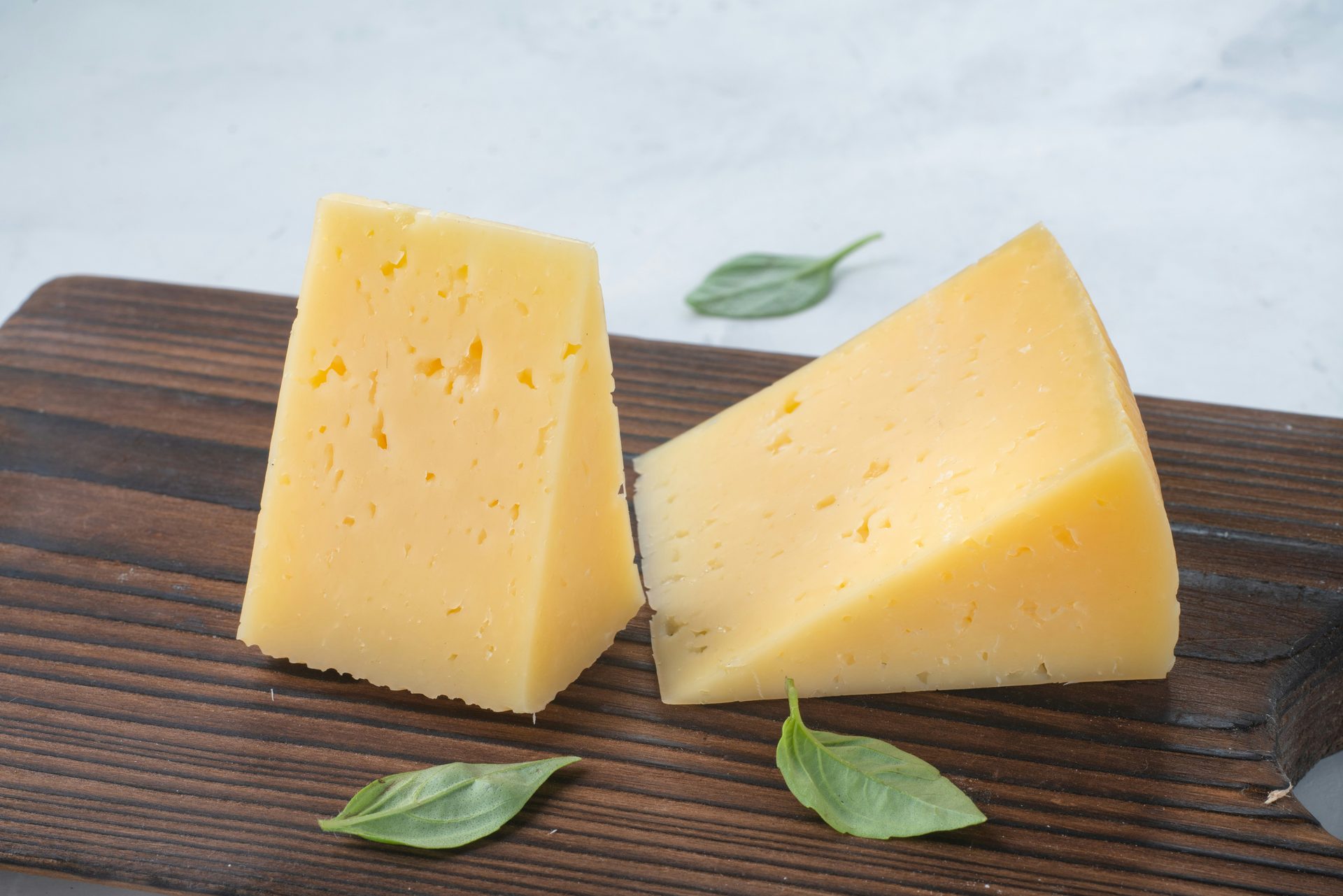
Spotted a great sale on a two-pound block of cheddar at Costco or Sam’s Club? Grabbed an extra block of Monterey Jack for a big cookout and now have more than you can use? You’re not alone. Many American home cooks find themselves with more block cheese than their fridge can handle before it starts to dry out or grow mold.
The good news: yes, you can freeze block cheese. The honest caveat: freezing changes the texture, and how much it changes depends on the type of cheese and how well you wrap it. Knowing what to expect — and how to do it right — makes all the difference between cheese that’s still useful weeks later and a crumbly, freezer-burned disappointment.
Can You Freeze Block Cheese?
Freezing cheese can be useful for reducing waste and managing stock, but not all cheeses respond well to freezing. The type of cheese matters a great deal here. Hard block cheeses are ideal for freezing — think Parmesan, cheddar, and Monterey Jack. These are the varieties you’ll find at most US grocery stores in block form, and they hold up reasonably well in the freezer.
Freezing cheese is possible, but it’s not ideal for all types. While many hard and grated or crumbled cheeses freeze well, most soft and creamy cheeses do not. If you’re working with a block of aged cheddar, Swiss, Gouda, or Parmesan, go ahead and freeze it. If you’ve got a block of brie or fresh mozzarella, think twice.
| Cheese Type | Freezes Well? | Best Use After Freezing |
|---|---|---|
| Cheddar (block) | Yes | Mac and cheese, grilled cheese, casseroles |
| Monterey Jack | Yes | Melted dishes, quesadillas, soups |
| Parmesan / Romano | Yes | Grated over pasta, baked dishes |
| Swiss / Gouda | Yes (texture changes) | Sauces, melted toppings |
| Low-moisture Mozzarella | Yes | Pizza, lasagna |
| Fresh Mozzarella / Burrata | No | Eat fresh only |
| Brie / Camembert | No | Cooking only if frozen |
| Ricotta / Cottage Cheese | No | Baked dishes only if frozen |
Hard and semi-hard cheeses hold up because they have less moisture to freeze. That lower moisture content means fewer ice crystals form inside the cheese, which is the main reason texture suffers in the first place. If you’re storing cheese to use in cooked dishes later, freezing a block is a perfectly practical option.
Does Freezing Change the Texture or Taste of Block Cheese?
Yes — and being upfront about this will save you from disappointment. When cheese is frozen, small ice crystals form on the inside, disrupting the internal structure of the cheese. When it’s thawed, water is released, causing the product to dry out, become crumbly, and potentially develop a mealy texture.
Freezing causes water crystals to form, which can break down the cheese’s structure. This often results in a more crumbly, drier, or softer texture once thawed. It’s usually not ideal for slicing or eating plain. The flavor generally remains quite good, making frozen cheese excellent for cooking, grating, and melting into dishes like casseroles, sauces, or pizzas.
In other words: the taste largely survives the freezer, but the texture takes a hit. Freezing cheese should not result in much change to its flavor — it’s really just the texture that’s likely to change. The caveat is that if you place poorly packaged cheese in a smelly freezer, the funky smells could permeate the blocks or slices. That’s why proper wrapping is non-negotiable.
Pro Tip: Plan to use frozen block cheese in cooked recipes — soups, mac and cheese, quesadillas, pizza, and casseroles. Once the cheese melts, the texture change becomes irrelevant and the flavor shines through.
How to Freeze Block Cheese the Right Way
How you wrap the cheese matters as much as how long you freeze it. Texture and melt are affected more by how the cheese is wrapped than by the exact length of time in the freezer. Follow these steps to get the best results from your frozen block cheese.
- Portion it first. Slice the block into smaller portions — no more than ½ to 1 pound each — to help maintain texture. Smaller portions freeze more evenly and let you thaw only what you need.
- Wrap tightly in plastic wrap. Use plastic wrap, then foil, then a freezer-safe bag. Triple wrapping is not overkill — freezer burn is the enemy.
- Remove all air. Squeeze out all the air from the bag. Air is what dries out frozen cheese and makes it crumbly beyond repair.
- Label with the date. Label the bag with the date. Trust yourself — future you won’t remember.
- Use the quick-freeze function if available. Use the quick-freeze function on your freezer if it’s available — faster freezing means smaller ice crystals and less structural damage to the cheese.
Prepackaged cheese blocks can be frozen directly in their original package. If you’ve already opened the package, place it in a freezer bag and remove as much air as possible. Double bagging helps prevent freezer burn.
If you’d rather shred the cheese before freezing, that works well too. Shredding first and portioning into 2-cup freezer bags is convenient because that’s the amount most recipes call for, making it easy to grab and use straight from the freezer. A 16-ounce block yields roughly 4 cups of shredded cheese when you grate it yourself — with no added anti-caking agents found in pre-shredded bags.
Pro Tip: Consider shredding your block cheese before freezing. Shredded cheese freezes faster, thaws more evenly, and can go directly into recipes without fully defrosting — a real time-saver on busy weeknights.
How Long Can You Freeze Block Cheese?
Cheeses with less moisture do freeze well. In the freezer, they can last for up to six months according to the USDA. Bear in mind that when they’re thawed, they might have slightly less flavor or thaw less well.
For best quality, most sources recommend a shorter window. Cheese can be frozen safely for up to six months, though most professionals recommend using it within 2–3 months for the best texture and flavor. After that point, quality gradually declines even if the cheese is technically still safe to eat.
Here’s a quick reference by cheese type:
- Hard and semi-hard cheeses like cheddar, Swiss, Gouda, and Parmesan: 3–6 months for minimal flavor loss; acceptable up to 6–12 months, but flavor and texture gradually decline.
- Semi-soft cheeses like Monterey Jack, Edam, and Colby: 2–6 months.
- Soft and high-moisture cheeses like mozzarella, brie, ricotta, and cream cheese: not recommended for preserving original texture or flavor; if frozen, use within 1–2 months and expect degradation.
Keep your freezer at 0°F (-18°C) or colder for the best results. Keep your fridge at 40°F (4°C) or below and your freezer at 0°F (-18°C) for optimal freshness.
How to Thaw Frozen Block Cheese
Thawing slowly in the refrigerator is the gold standard. Place frozen cheese in the fridge for 24–48 hours. Slow thawing helps retain moisture and structure. Rushing the process with heat or leaving it at room temperature causes uneven thawing and excess moisture loss.
Always thaw cheese in the refrigerator. Slow thawing helps limit moisture loss and preserves the texture. Avoid thawing at room temperature to prevent uneven thawing and condensation, which can cause sogginess.
If you’re in a hurry, the microwave is an option for shredded cheese going straight into a recipe. Defrost in 30–45 second intervals on low power. This works best for shredded cheese headed straight into a recipe. For a whole block, the microwave is not ideal — it can partially cook the outside before the inside defrosts.
One useful trick: the secret to success when slicing or shredding thawed block cheese lies in working with it when it’s still slightly frozen. This semi-frozen state gives you better control and ensures smoother slicing and shredding. Let it thaw most of the way in the fridge, then work with it while it still has a slight chill.
Pro Tip: After thawing, you can improve quality by tempering the cheese in the refrigerator. This means leaving it in the refrigerator for a few days to let it ripen a little before using it in a recipe.
Can You Refreeze Block Cheese After Thawing?
This is one of the most common questions about frozen cheese — and the answer is a firm no. Like any food, cheese that has been frozen and thawed should not be re-frozen. Refreezing compounds the ice crystal damage and further breaks down the texture.
Once you’ve frozen and thawed your cheese once, it’s not a good idea to freeze it again. Refreezing won’t take away nutritional value or make it unsafe, but you’re more likely to ruin the texture and alter the flavor if you freeze cheese multiple times.
The practical fix is simple: freeze cheese in recipe-size portions so you only thaw what you need, since refreezing makes texture problems worse. If you’re working with a large two-pound block, divide it into 8-ounce portions before freezing. That way, you pull out exactly what a recipe calls for and never have to refreeze a partially used piece.
How to Use Frozen Block Cheese (Best Uses After Freezing)
Frozen and thawed block cheese has a narrower range of ideal uses than fresh cheese, but it still performs beautifully in the right dishes. Frozen or thawed cheese works best in cooked recipes like casseroles, sauces, soups, mac and cheese, and grilled cheese sandwiches. Melting hides the texture changes and lets flavor shine through.
Here are the best ways to put your thawed block cheese to work in everyday American cooking:
- Mac and cheese: Thawed cheddar is slightly crumbly but ideal for mac and cheese, grilled cheese, or baking.
- Pizza and flatbreads: Shredded frozen cheese goes directly from freezer to pizza without thawing — it melts evenly under oven heat.
- Soups and chowders: Stir thawed shredded cheddar or Monterey Jack into potato soup, chili, or broccoli cheddar soup.
- Casseroles and baked pasta: Cheese that has been frozen is best suited for cooked dishes in which changes to texture are less noticeable, such as in sauces or on pizza and grilled cheese sandwiches.
- Quesadillas and tacos: A quick melt in a skillet eliminates any textural issues entirely.
- Omelets and scrambled eggs: Crumble thawed cheddar directly into eggs for a fast, cheesy breakfast.
What to avoid: frozen block cheese can be sliced, shredded, or melted, but isn’t ideal for charcuterie boards or cheese trays due to its crumbly texture. Save your fresh block for snacking and save the frozen block for cooking.
Cheese is a nutrient-dense food that pairs well with many health-forward ingredients. If you’re building meals around frozen cheese, consider pairing it with whole plant-based foods for a balanced plate, or explore how dairy fits into foods that support healthy skin.
Signs That Frozen Block Cheese Has Gone Bad
Frozen cheese that’s been stored correctly and used within the recommended window is almost always safe. But there are a few signs that tell you something has gone wrong — either with the packaging, the storage temperature, or the timeline.
- Freezer burn: White or grayish dry patches on the surface of the cheese indicate freezer burn. The affected areas taste bland or off, but you can cut them away and use the rest in a cooked dish.
- Off smell after thawing: If you place poorly packaged cheese in a smelly freezer, the funky smells could permeate the blocks or slices. If the cheese smells like something other than cheese after thawing, discard it.
- Excessive graininess or sliminess: Marked loss of aroma, muted taste, grainy or excessively crumbly texture, or freezer burn are all signs quality has declined past the point of usefulness.
- Visible mold after thawing: Freezing inactivates microbes in cheese, such as bacteria, yeasts, and mold, which helps extend shelf life. However, freezing doesn’t kill these microbes — it only damages them. They may become active again when the cheese thaws. If you see mold growth after thawing, cut away a generous margin around the affected area on hard cheeses, or discard soft cheeses entirely.
- Watery or separated texture: This is most common in soft cheeses that shouldn’t have been frozen in the first place. When moisture freezes, it expands and ruptures the cheese’s cell walls. When the cheese thaws, it has little structure left and weeps out the moisture, becoming crumbly or grainy in the process.
Always trust your senses — if it looks, smells, or tastes off, it’s best to discard it. When in doubt, throw it out. Cheese is affordable enough that it’s not worth a stomach ache.
If you’re thinking more broadly about food quality and nutrition, it’s worth exploring powerful nutrients and foods that fight cancer or superfoods for a healthy heart to round out your kitchen knowledge.
Frequently Asked Questions
Can You Freeze Any Type of Block Cheese?
Any cheese can technically be frozen, but some varieties respond to freezing better than others. As a general rule, it’s best to freeze cheeses that are designed to be used in cooked dishes rather than eaten fresh. Hard and semi-hard block cheeses like cheddar, Gouda, Swiss, and Parmesan are your best bets. Avoid freezing soft, high-moisture cheeses like brie, fresh mozzarella, or ricotta unless you plan to cook with them.
Does Freezing Block Cheese Affect Its Nutritional Value?
Freezing does not affect the nutrients in cheese. Freezing cheese increases shelf life and preserves color and nutritional value. The only meaningful changes are to texture and, to a lesser extent, flavor — not the protein, calcium, or fat content. If you’re interested in how dairy and other foods contribute to overall wellness, take a look at certain foods that can help enhance your liver function.
Can You Freeze an Opened Block of Cheese?
As long as the cheese still looks and smells fresh, wrap it tightly and freeze it. In many cases, freezing an opened package is a better option than letting it slowly dry out in the back of the fridge. Just make sure you remove as much air as possible before sealing.
Can You Grate Frozen Block Cheese Without Thawing It?
Yes — and it actually works well. The secret to success lies in working with the cheese when it’s still slightly frozen. This semi-frozen state gives you better control and ensures smoother slicing and shredding. Run the partially frozen block across a box grater or use a food processor for quick results. Shredded cheese for pizza toppings or cooking can even be added straight out of the bag without thawing.
How Do You Know When Frozen Cheese Has Gone Bad?
Look for heavy freezer burn, an off smell after thawing, mold growth, or a watery, slimy texture. As freezing stops bacterial growth, cheese can be frozen for quite a long time — but using it within six months is recommended. Beyond this, the cheese’s taste and texture can be very significantly altered. If it passes the smell and appearance test after thawing, it’s almost certainly fine to use in a cooked dish.
Is It Better to Freeze Block Cheese or Shredded Cheese?
Shredded cheese is the easiest cheese to freeze because it doesn’t need to keep a firm, solid texture, and the individual pieces freeze quickly. However, shredding a block yourself before freezing gives you more control over portion size and avoids the anti-caking additives found in many store-bought shredded bags. Both methods work — choose based on how you plan to use the cheese later. For more practical food storage tips, check out foods that start with Q or browse the pros and cons of eating seafood for more kitchen-focused reading.