
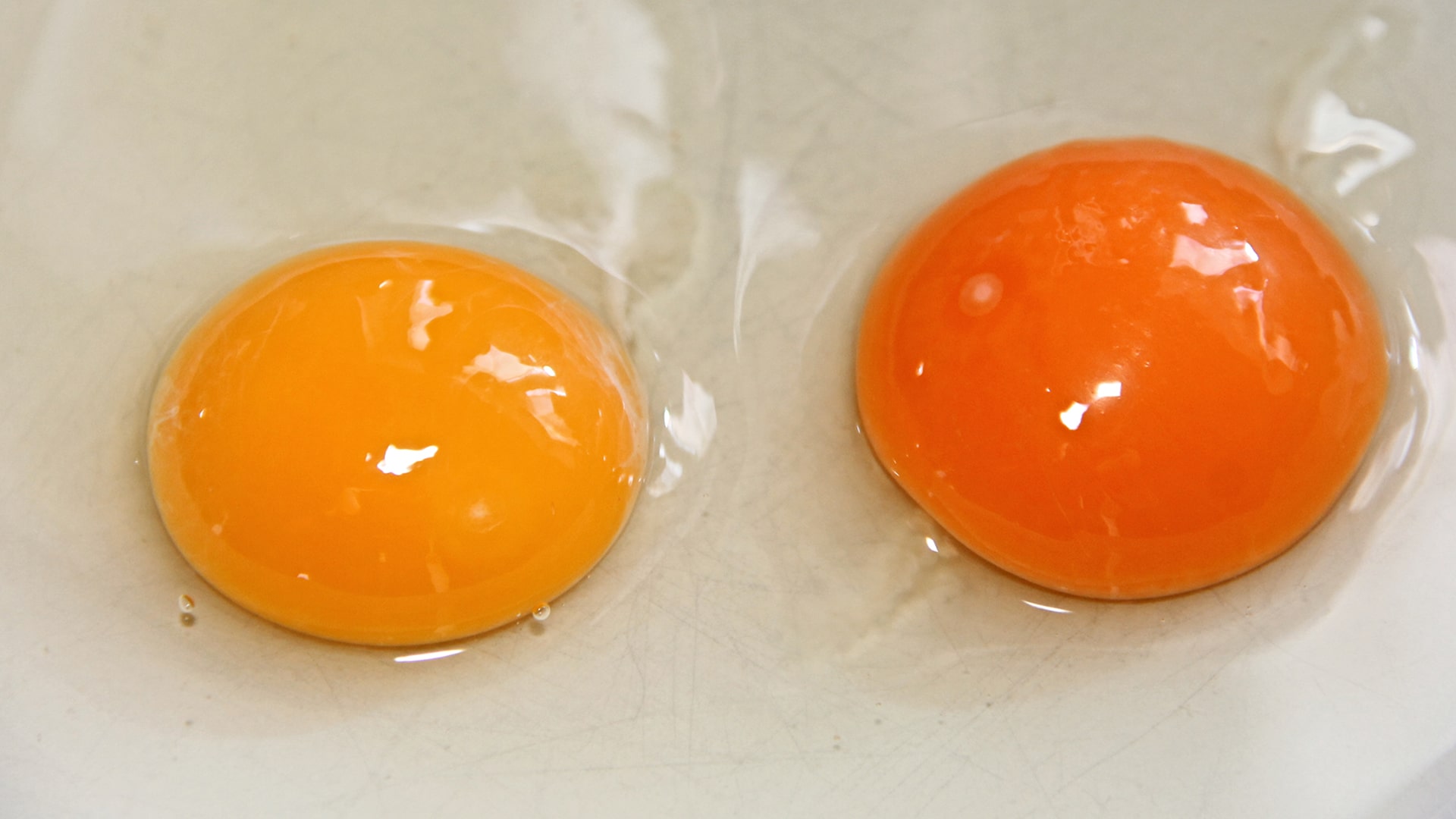
Egg yolks are one of the most useful ingredients in any American kitchen — from creamy pasta sauces and homemade mayo to custards and hollandaise. But if you’ve ever made a batch of meringues or angel food cake, you know exactly what it feels like to stare down a bowl of leftover yolks with only a day or two to use them. The good news is that freezing is a real option, but it comes with one important catch you need to know before you get started.
This guide covers everything from the science behind why yolks behave differently in the freezer, to the exact steps for freezing and thawing them safely, to the best recipes for putting your frozen stash to work.
Can You Freeze Egg Yolks?
Yes — you can absolutely freeze egg yolks, but they require a little more preparation than egg whites do. The gelation property of egg yolk causes it to thicken or gel when frozen, and if you freeze yolks as they are, they can eventually become so gelatinous that they are almost impossible to use in a recipe. That’s the catch.
The fix is simple and takes less than a minute. Egg yolks can gel and become paste-like when frozen, so to prevent this, you mix a pinch of salt or about 1/3 teaspoon of sugar — depending on whether you plan to use them for savory or sweet recipes — into each egg yolk before freezing. This keeps the proteins in the yolk from thickening up.
According to the USDA, it is safe to freeze eggs after removing them from their shells, and you can beat yolks and whites together or freeze them separately for up to 12 months. So whether you have two leftover yolks or a dozen, the freezer is a perfectly safe and practical solution.
Pro Tip: Always label your container with the date, the number of yolks, and whether you added salt or sugar. That detail matters when you pull them out weeks later for a recipe.
Does Freezing Change the Texture or Taste of Egg Yolks?
Texture is where freezing affects egg yolks the most. Egg yolks take on a gel-like texture when frozen, so to avoid this, they should be combined with salt, sugar, or egg whites prior to freezing. When you follow the proper prep steps, the texture after thawing is noticeably better — smooth enough to whisk into sauces, batters, and custards without issue.
Egg yolks frozen independently from their whites can take on an unusual texture if not properly prepared for freezing. Although this may not affect the flavor, it can change the texture enough to make the yolks difficult to cook with. This is why skipping the salt or sugar step is a mistake you’ll only make once.
On the flavor side, the news is mostly good. Freezing is unlikely to affect the flavor of raw frozen eggs, though raw egg yolks may taste slightly sweet or salty depending on whether they were mixed with sugar or salt before freezing. Account for this small addition when you’re measuring out salt or sweetener in your final recipe. You can also read more about nutrient-rich foods and how preparation affects their properties.
Freezing preserves most essential nutrients in eggs, including high-quality protein, vitamin B12, and choline. Only minor texture and functional changes occur, not significant nutritional losses.
How to Freeze Egg Yolks the Right Way
The process is quick, but each step matters. Follow these instructions and your yolks will thaw in a workable, pourable state rather than a rubbery gel.
- Separate your eggs. Crack each egg and separate the yolks from the whites carefully, making sure no white gets into the yolks.
- Add your stabilizer immediately. Add 1/8 teaspoon salt or 1 1/2 teaspoons sugar for every four yolks you plan to freeze. Immediately after adding, use a whisk or electric mixer to beat well, as if you were making scrambled eggs. Do not let the sugar or salt sit on the yolks without stirring, as it will “burn” them and yield a clumpy texture.
- Choose savory or sweet. Use salt if the yolks are destined for hollandaise, pasta, mayo, or other savory dishes. Use sugar if they’re going into custard, ice cream, lemon curd, or pastry cream.
- Portion them out. Like egg whites, yolks can be frozen individually in ice cube trays, then moved to a freezer-safe container or zip-top bag for storage. For reference, one tablespoon of the yolk mixture equals one egg yolk.
- Freeze until solid. Let them freeze in the tray for four to six hours, then transfer the frozen portions to a labeled freezer-safe bag or airtight container.
- Label everything. Label the container with the number of yolks, the date, and whether you’ve added salt (for main dishes) or sweetener (for baking or desserts).
Pro Tip: Silicone ice cube molds are the easiest option for portioning. Frozen eggs pop right out of flexible silicone, which makes transferring them to a freezer bag much simpler than using a metal muffin tin.
If you enjoy making dishes that rely on eggs as a base ingredient, you might also find inspiration in whole plant-based foods that pair well with egg-rich recipes.
How Long Can You Freeze Egg Yolks?
The USDA sets the safety window at up to one year, but quality is a different story. Eggs can be safely frozen for up to a year, but for best results, use them within three to four months. Beyond that point, they remain safe but may absorb freezer odors or lose some of their functional properties.
Egg yolks can be frozen for up to four months, but are best in texture and flavor when frozen no longer than two months. If you want the most reliable results for delicate recipes like custard or hollandaise, aim to use your frozen yolks within that two-month window.
| Storage Method | How Long They Last | Best For |
|---|---|---|
| Refrigerator (raw yolks) | 2–4 days | Immediate use |
| Freezer (with salt or sugar) | Up to 12 months (best within 2–4 months) | Long-term storage |
| Freezer (no stabilizer added) | Not recommended | Yolks become unusable gel |
How to Thaw Frozen Egg Yolks
Thawing egg yolks safely is just as important as freezing them correctly. The USDA recommends keeping the process cold and controlled. The USDA Food Safety and Inspection Service recommends thawing frozen egg products in the refrigerator or under cold running water before use, and consuming thawed yolks promptly to maintain their quality and safety.
Here are your two main options:
- Overnight in the refrigerator: Place the frozen eggs in a sealed container in the refrigerator and let them thaw for six to eight hours or overnight. This is the safest and most hands-off method.
- Quick thaw under running water: You can quickly thaw frozen eggs that are in an airtight container under cold running water. This works well when you need them in a hurry.
Once thawed, act quickly. Use egg yolks as soon as they’re thawed. No matter what you’re making, be sure to give the eggs a good whisk after thawing to ensure that the mixture is uniform.
Important Note: Never thaw egg yolks on the kitchen counter at room temperature. Leaving them in the temperature danger zone (40°F–140°F) for more than two hours creates conditions where bacteria can multiply rapidly.
Can You Refreeze Egg Yolks After Thawing?
No — refreezing thawed egg yolks is not safe and should be avoided entirely. Eggs should only be frozen once, so only thaw what you need, and toss any thawed eggs that you aren’t able to use within 24 hours.
Never refreeze thawed eggs. This increases the risk of bacterial overgrowth and degrades quality. The texture also suffers significantly through a second freeze-thaw cycle, making the yolks even harder to work with.
The best way to avoid waste is to freeze yolks in individual portions from the start. That way, you only thaw exactly what a specific recipe calls for — no more, no less. This is especially useful if you regularly make dishes that call for a single yolk at a time, like pastry cream or lemon curd .
How to Use Frozen Egg Yolks (Best Uses After Freezing)
Frozen and thawed egg yolks work well in a wide range of cooked and baked applications. The key is choosing recipes where the yolk gets fully incorporated and cooked through, rather than dishes that depend on a perfectly runny or intact yolk.
Egg yolks also freeze well when first combined with egg whites prior to freezing, and the resulting texture works well for making dishes like scrambled eggs, baked goods, and casseroles.
Here are some of the best ways to put your frozen yolks to use:
- Custards and pastry cream: Thawed yolks stabilized with sugar work perfectly in vanilla custard, pastry cream, and crème brûlée.
- Hollandaise and béarnaise sauce: Savory yolks (stabilized with salt) emulsify beautifully into these classic butter sauces.
- Homemade mayonnaise: Making your own mayonnaise is a great way to use egg yolks — combine yolks, oil, vinegar, mustard, and seasonings to create a creamy and flavorful mayo that can be used in sandwiches, salads, and dips.
- Ice cream and gelato bases: Egg yolks are the backbone of a French-style ice cream base, and frozen yolks work just as well as fresh ones here.
- Baked goods: Cookies, pound cake, brioche, and other rich baked goods that call for yolks are excellent candidates for your frozen supply.
- Pasta dough: Fresh pasta made with egg yolks has a rich golden color and silky texture — thawed yolks deliver the same result.
- Lemon curd: This is one of the best uses for individually portioned frozen yolks, since most recipes call for three to four at a time.
One thing to avoid: dishes where a whole, intact yolk is part of the visual or textural experience — like a fried egg, a soft-boiled egg, or a poached egg. Frozen-thawed eggs are not ideal for dishes that depend on visual presentation or delicate structure, such as poached eggs or soufflés.
For more ideas on building nutritious, egg-rich meals, explore these superfoods for a healthy heart that pair well with egg-based dishes.
Signs That Frozen Egg Yolks Have Gone Bad
Even properly frozen egg yolks can go bad if they were stored too long, improperly sealed, or thawed and left sitting. Knowing what to look for keeps you safe in the kitchen.
When storing egg yolks, it is vital to check for any visible signs of spoilage, such as an off smell, slimy texture, or mold growth. If you notice any of these signs, it is best to err on the side of caution and discard the egg yolks.
Here’s a quick checklist of what to check after thawing:
- Smell: A fresh egg doesn’t have a smell, but an egg that is going bad smells like sulfur. If you smell something, chances are the egg is no longer good.
- Color: The yolk should remain bright yellow or orange. A grayish or greenish tint may suggest spoilage.
- Texture: The yolk should be smooth and slightly thick. If it feels overly sticky or gelatinous beyond what’s expected from freezing, this could indicate spoilage.
- Freezer burn: Over extended storage, eggs can develop off-flavors or absorb odors from other items in the freezer, especially if not sealed properly. Dry, discolored patches on the surface of the frozen yolk are a sign of freezer burn.
Consuming spoiled egg yolks can pose serious health risks, including food poisoning and Salmonella infection. Spoiled egg yolks can contain high levels of bacteria such as Salmonella, E. coli, and Campylobacter, which can cause symptoms like nausea, vomiting, diarrhea, and abdominal cramps. When in doubt, throw it out.
If food safety is a topic you take seriously in your household, you may also want to read about foods you need to avoid for long-term health.
Frequently Asked Questions
Can You Freeze Hard-Boiled Egg Yolks?
You can freeze hard-boiled egg yolks to use later for toppings or garnishes. Carefully place the yolks in a single layer in a saucepan and add enough water to come at least one inch above the yolks, then cover and quickly bring just to boiling. Remove the pan from the heat and let the yolks stand, covered, in the hot water for about 12 minutes, then remove with a slotted spoon, drain them well, and package them for freezing. Note that it is best not to freeze hard-boiled whole eggs and hard-boiled whites because they become tough and watery when frozen.
How Much Does One Tablespoon of Frozen Yolk Equal?
One tablespoon equals one large egg yolk. Use this as your measuring guide when a recipe calls for a specific number of yolks and you’re working from a frozen batch.
Can You Freeze Egg Yolks Without Adding Salt or Sugar?
Technically yes, but the results are not practical. The gelation property of egg yolk causes it to thicken or gel when frozen, and if you freeze them as they are, egg yolks will eventually become so gelatinous that they will be almost impossible to use in a recipe. The salt or sugar step is not optional if you want usable yolks after thawing.
Do Frozen Egg Yolks Lose Nutrients?
Freezing preserves most essential nutrients in eggs, including high-quality protein, vitamin B12, and choline. Only minor texture and functional changes occur, not significant nutritional losses. You can learn more about powerful nutrients found in everyday foods and how storage affects them.
How Long Do Thawed Egg Yolks Last in the Fridge?
Frozen egg yolks should be used within 24 hours of thawing. Plan your recipe around your thaw time so nothing goes to waste. If you thaw overnight and cook the next morning, you’re in great shape.
Can You Use Frozen Egg Yolks in Baking?
Yes — baking is one of the best applications for frozen yolks. You can safely and effectively freeze whole eggs, the whites, or just the yolks, and never again have to discard aging eggs or those leftover yolks you didn’t know what to do with. Cookies, cakes, tarts, and enriched breads all work well with properly thawed yolks. For more on baking with frozen eggs, King Arthur Baking’s guide is a reliable reference.
Is It Safe to Freeze Eggs in the Shell?
No. Eggs are liquid, so they expand when they freeze and crack their shells, exposing the interiors to freezer burn and turning into a gloopy shell-studded mess when thawed. Always remove the yolks from the shell and prepare them with a stabilizer before freezing. You can also find tips on safe food handling practices for other tricky kitchen situations.