
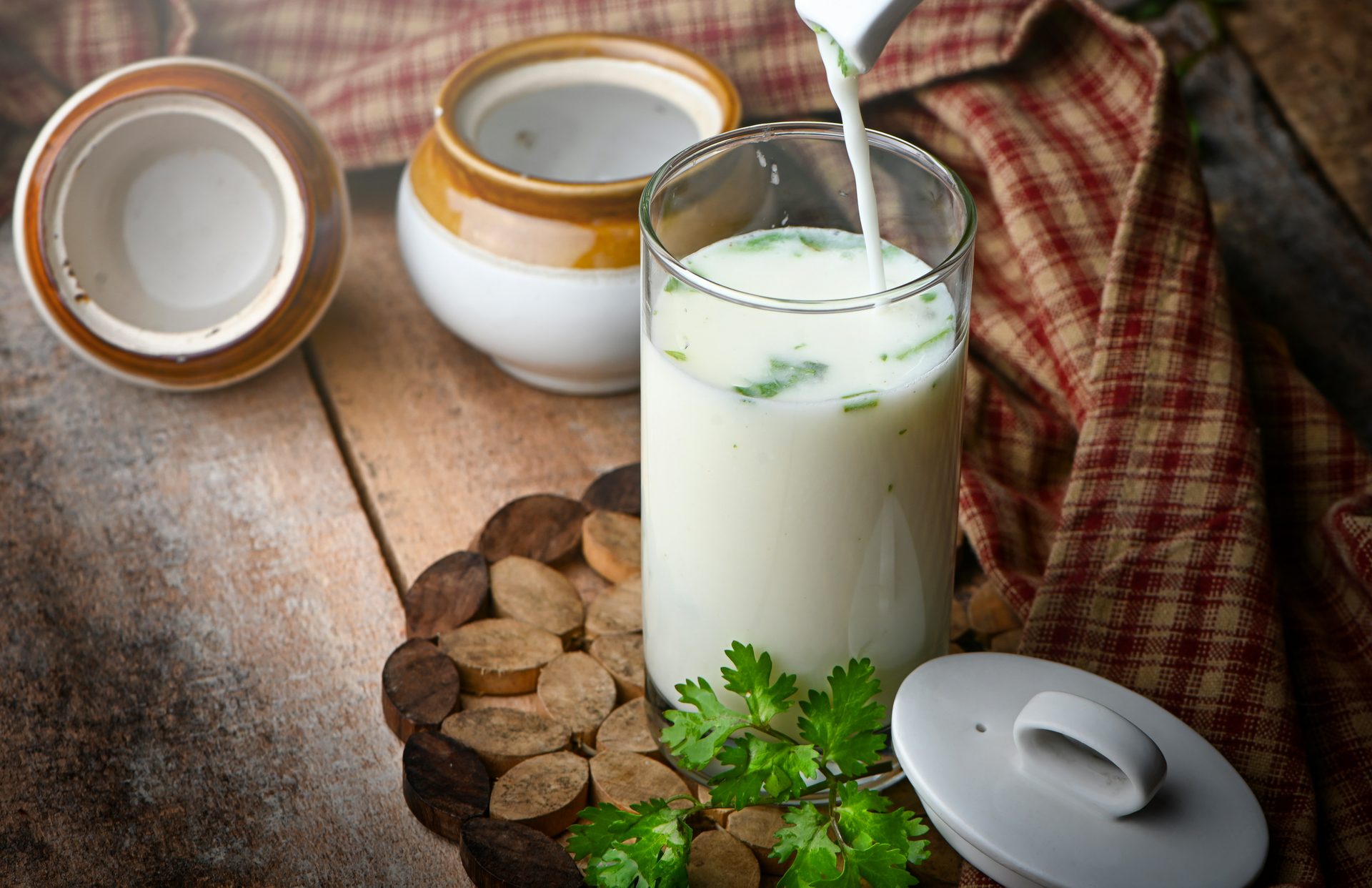
You bought a full quart of buttermilk for one batch of pancakes, used half a cup, and now the rest is sitting in your fridge slowly counting down to its expiration date. Sound familiar? This is one of the most common food storage frustrations in American kitchens, and the good news is there’s a simple fix.
Buttermilk freezes surprisingly well, and you can store it in the freezer and use it later in many recipes without wasting a drop. Whether you have a half-empty carton or a full jug, freezing is a practical way to stop the waste and always have this tangy ingredient on hand when your next baking project calls for it.
Can You Freeze Buttermilk?
Yes, you can freeze buttermilk — safely and effectively. Its refrigerated shelf life is typically 7–14 days past the sell-by date, which leaves many home cooks pouring out half a carton after a single recipe. The good news is that food science confirms freezing buttermilk is not only safe, but highly effective when done correctly.
Unlike milk, which separates unpredictably when frozen, buttermilk’s cultured lactic acid bacteria, lower pH (around 4.2–4.6), and natural stabilizers give it unique freeze-thaw resilience. That means it holds up better in the freezer than most other dairy products you might have in your fridge.
If you intend to use your buttermilk within 2–3 weeks, it is better to store it in the fridge. When stored in the fridge, buttermilk might get a bit sourer and thicker with time, but it will last weeks without losing texture or quality. Freezing is the right call when you know you won’t get to it before then.
Pro Tip: Only freeze buttermilk that is still within its refrigerator-safe window. If it already smells off or is past its expiration date, freezing will not rescue it — start with fresh product for the best results.
Does Freezing Change the Texture or Taste of Buttermilk?
When you freeze buttermilk, it loses its texture: the homogenization it has undergone becomes undone during freezing, which causes it to separate during thawing. This is the most noticeable change you will see, and it is completely normal.
The biggest change you will notice after thawing buttermilk is its texture. It will likely be less smooth and more grainy than fresh buttermilk. This is due to the ice crystals that form during freezing, which disrupt the protein structure. Freezing can also slightly affect the flavor of buttermilk, making it less tangy. However, the difference is minimal and often not noticeable in cooked or baked dishes.
Freezing buttermilk may cause it to separate and take on a grainy texture once thawed, but this does not affect its taste or its effectiveness in most recipes. While the texture can appear less smooth, a quick stir or whisking will usually restore a more uniform consistency. This change in texture may be more noticeable in uncooked dishes, but in baking or cooking, the difference is typically unnoticeable.
The acidity that makes buttermilk work in baking is fully preserved through freezing. So while the appearance might look a little different when you first open the container, its functional role in recipes — tenderizing, leavening, adding tang — remains intact.
| Quality Factor | Fresh Buttermilk | Frozen and Thawed Buttermilk |
|---|---|---|
| Texture | Smooth and creamy | May be grainy; stir or whisk to restore |
| Flavor | Tangy and pronounced | Slightly less tangy; minimal difference in recipes |
| Leavening power | Full | Fully preserved |
| Best use | Any recipe, including drinks and glazes | Cooked and baked dishes; avoid uncooked glazes or icings |
How to Freeze Buttermilk the Right Way
How you package buttermilk before it goes in the freezer makes a real difference in quality. The goal is to minimize air exposure, prevent the container from cracking, and portion it in a way that makes thawing convenient later.
It is not recommended to freeze buttermilk directly in the carton. Liquid expands when frozen, so the carton may split or leak. Always transfer the buttermilk to a freezer-safe container first.
Here are three reliable methods for freezing buttermilk at home:
- Freezer bags (flat): Measure out the amount of buttermilk you want to freeze and put it in a zip-lock bag. Label and date the bag, then lay it flat to freeze. Freezing the bag flat makes storage easier because the bags can be neatly stacked.
- Rigid freezer containers: The simplest way to freeze buttermilk is to transfer it to freezer-safe storage containers that have an airtight lid. Freezing buttermilk in multiple smaller containers rather than one large one is recommended, so you can thaw the precise amount you need later on.
- Ice cube trays: Pour into ice cube trays (each cube is about 2 tablespoons). Freeze until solid, then transfer cubes to a freezer bag. Silicone ice cube trays work especially well — they are flexible, making it easier to pop the frozen buttermilk cubes out.
Pour the buttermilk into a storage container, leaving at least ½ inch of headspace to allow for expansion during freezing. Label and date your containers, and note the amount of buttermilk inside. You can label dry, grease-free storage containers with masking tape and a marker.
Pro Tip: If you have a go-to recipe that regularly calls for buttermilk, portion your freezer bags by that exact measurement — such as ½ cup or 1 cup — before freezing. You will thaw exactly what you need without any guesswork. This pairs well with planning out whole plant-based meals that often call for measured dairy or dairy alternatives.
How Long Can You Freeze Buttermilk?
In the freezer, buttermilk can last about 3 to 6 months if you store it in an airtight container or freezer bag and leave some space for it to expand as it freezes. However, the quality window is narrower than the safety window.
Fresh buttermilk can last up to three months in the freezer without significant loss in quality. For the best flavor and texture, try to use it within two months. Buttermilk stays best for 3–6 months in the freezer, but beyond that, flavor and texture degrade. Plan meals and use it before that window to keep peak quality.
If buttermilk was already 5 days past its printed date before freezing, count those days toward the 3-month optimal window. The clock does not reset when something goes into the freezer — it simply pauses.
| Storage Method | Shelf Life | Notes |
|---|---|---|
| Refrigerator (unopened) | Up to 2–3 weeks past sell-by date | Keep at or below 40°F |
| Refrigerator (opened) | 1–2 weeks after opening | Keep tightly sealed |
| Freezer (best quality) | Up to 3 months | Use within 2 months for ideal texture |
| Freezer (safe but degraded) | Up to 6 months | Texture and flavor noticeably decline after 3 months |
How to Thaw Frozen Buttermilk
Thawing buttermilk properly is just as important as freezing it correctly. Rushing the process or cutting corners can affect both the texture and the safety of the final product.
The best way to defrost frozen buttermilk is to place it in the refrigerator overnight, which prevents any drastic texture changes. To defrost, place the container in the refrigerator for 24 to 48 hours, or you can place the container in a bowl of lukewarm water for a faster thaw.
Never thaw buttermilk at room temperature. When the buttermilk reaches room temperature, bacteria can quickly multiply, causing it to spoil.
Once thawed, the buttermilk will likely look separated or grainy. Do not panic — this is expected. Thawed buttermilk might appear separated, but simply whisking or stirring the defrosted buttermilk will restore its consistency before using. Once thawed, use within 3 days.
If you are in a rush and need buttermilk quickly, you can use the microwave for defrosting. Place the frozen buttermilk in a microwave-safe dish and defrost it in short bursts, stirring occasionally to ensure it heats evenly. This method works best when you plan to use the buttermilk immediately in a cooked or baked recipe.
Important Note: Always move thawed buttermilk to the refrigerator right away and use it within 3 days. Do not let it sit on the counter while you prep your recipe.
Can You Refreeze Buttermilk After Thawing?
Never refreeze buttermilk after defrosting it. It is not safe to do so. Once frozen, buttermilk is highly perishable. Thawing in the fridge and refreezing drastically reduces texture and safety, risking spoilage and mold. Once frozen, use it fresh or discard properly — do not reset the clock.
This is exactly why portioning buttermilk before freezing is so valuable. When you freeze it in small, recipe-sized amounts — like ¼-cup or ½-cup portions — you only thaw what you need and never have to worry about leftovers going to waste a second time.
How to Use Frozen Buttermilk (Best Uses After Freezing)
Despite texture changes, frozen and thawed buttermilk is generally safe to use and can still add its characteristic flavor and leavening properties to baked goods. It is best suited for recipes where its texture is not critical.
Here are the best ways to put frozen buttermilk to work in your kitchen:
- Pancakes and waffles: If you plan to cook with frozen buttermilk by making pancakes or waffles, the separation will not be noticeable — it will be fine for cooking.
- Biscuits and cornbread: Thawed buttermilk works perfectly in Southern-style biscuits and cornbread , where the acidity activates baking soda for a proper rise.
- Muffins and cakes: Cakes, muffins, and bread recipes often mask any slight changes in buttermilk’s texture or flavor.
- Marinades: Use defrosted buttermilk to tenderize chicken or meat in marinades. The acidity does its job just as well after freezing.
- Ranch dressing and dips: Thawed buttermilk can even work in dressings like ranch dressing. Whisk it well before mixing with other ingredients.
- Soups and chowders: Frozen buttermilk can be thawed and added to muffins, cakes, cupcakes, chowders, and more.
Freezing buttermilk can degrade the texture, making it grainy and less creamy over time. This is perfectly fine if the buttermilk is baked into a dish for flavor. The slightly grainy texture will not be noticeable in a baked or cooked recipe but might not taste great in an uncooked recipe such as a glaze or icing.
Buttermilk is also a surprisingly useful ingredient in health-conscious cooking. Its natural acidity pairs well with lean proteins and whole grains, making it a practical addition to skin-supporting recipes and heart-healthy meal plans that rely on fermented dairy for gut-friendly benefits.
Signs That Frozen Buttermilk Has Gone Bad
Not every carton of buttermilk that comes out of the freezer is worth using. Knowing the warning signs of spoilage before you add it to a recipe can save you from ruining a dish — or worse, getting sick.
Fresh buttermilk should have a smooth texture, milky white color, and a tangy but pleasant aroma. Signs of spoilage include large clumps, an extremely sour smell, yellowing color, or mold. If you detect any of these signs, it is best to throw the buttermilk away.
Keep in mind that some separation and a slightly grainy appearance after thawing is completely normal. The difference is that normal post-freeze separation will smooth out when you whisk the buttermilk, while true spoilage will not. When buttermilk begins to turn bad, it develops a thick, clumpy texture. It will be difficult to pour and there will be large clots. There is no way to salvage buttermilk that has turned lumpy, as there is a good chance that it is spoiled.
Buttermilk does have a slightly tangy taste, but if it tastes sour or off in any way, it should be thrown away. Buttermilk should also have a buttery taste with a certain creaminess, and this disappears once it starts to spoil.
- Normal after thawing: Watery separation, slightly grainy texture, mild tang — all resolve with a good whisk
- Signs of spoilage: Large solid clumps that do not break up, strong sour or rotten odor, yellow or pink discoloration, visible mold
Buttermilk is high in lactic acid, which is hostile to harmful bacteria growth. However, this does not last forever, and after a few weeks, harmful bacteria begin to grow as the buttermilk continues to ferment and become more acidic. This bacteria growth is what causes the buttermilk to spoil and makes it risky to consume after its expiry date.
When in doubt, throw it out. Buttermilk is inexpensive, and no biscuit recipe is worth a foodborne illness. For more guidance on identifying safe versus spoiled ingredients in your kitchen, check out this resource on foods you should avoid and what makes certain ingredients go from beneficial to harmful.
Frequently Asked Questions
Can You Freeze Store-Bought and Homemade Buttermilk?
You can freeze fresh, store-bought buttermilk as well as homemade buttermilk substitutes. The same rules apply for both: use fresh product, portion before freezing, leave headspace, and label with the date.
Can You Freeze Buttermilk in the Original Carton?
You can freeze buttermilk in its original carton, but only after some of it has been used. The liquid needs room to expand, so make sure a decent amount has been used before freezing. Storing buttermilk in the carton can be a time saver and is quick and easy, requiring no extra steps. That said, transferring to a dedicated freezer bag or container gives you more control over portioning and reduces the risk of leaks.
Can You Drink Buttermilk After It Has Been Frozen?
Buttermilk will not have ideal drinking quality, but it will be safe to consume after freezing, whether for drinking or cooking. If you want to drink it after freezing, you must shake it up every time, and you may still notice the separation even after shaking. For drinking purposes, fresh buttermilk is always a better choice.
Does Freezing Affect Buttermilk’s Leavening Properties?
The separation does not affect baking results at all. The acidity that makes buttermilk work in baking is fully preserved through freezing. Your biscuits, pancakes, and cakes will rise just as well with properly thawed, well-stirred frozen buttermilk.
How Do You Quickly Measure Frozen Buttermilk Cubes?
One standard ice cube is about 2 tablespoons. For 1 cup of buttermilk, you need 8 cubes. For ½ cup, you need 4 cubes. Keeping this ratio in mind makes it easy to pull exactly the right amount from the freezer for any recipe.
What Is the Best Way to Use Up Buttermilk Before Freezing It?
If your buttermilk is nearing its refrigerator expiration date, consider using it up in a quick recipe before freezing the rest. Leftover buttermilk can be used in a variety of dishes such as pancakes, cakes, muffins, salad dressings, marinades, and bread. Its acidity helps with leavening and adds moisture, making it a versatile ingredient for many recipes. You can also explore how buttermilk fits into broader healing food strategies and nutrient-rich eating plans that include fermented dairy.