Can You Freeze Spinach Puree? Everything You Need to Know

November 8, 2026
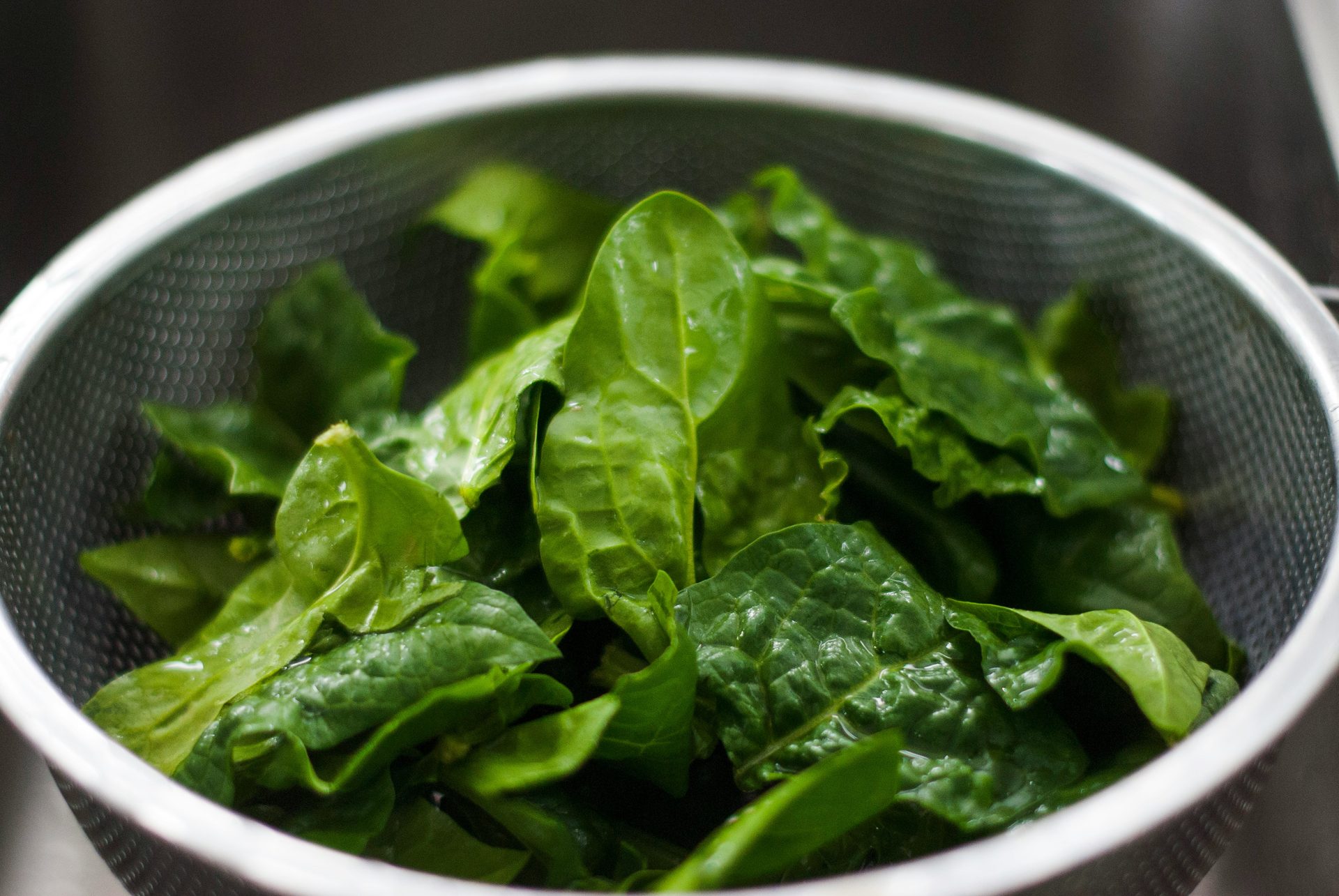
Spinach puree is one of those kitchen staples that disappears fast — until you make too much of it at once. Whether you blended a big batch for smoothies, baby food, or a pasta sauce and can’t use it all in time, freezing is a practical, reliable solution.
The good news: spinach puree freezes exceptionally well. Because the leaves are already broken down, the texture change that comes with freezing is essentially a non-issue. You can store it in small, ready-to-use portions and pull exactly what you need for soups, sauces, or green smoothies without any waste.
This guide walks you through the entire process — from how to freeze it correctly to how long it lasts, how to thaw it safely, and what signs to watch for when it’s time to toss it.
Can You Freeze Spinach Puree?
Yes, you can absolutely freeze spinach puree. You can easily freeze spinach either as leaves or as a puree. In fact, the puree method is often the most convenient option because it lets you freeze in small, portioned amounts that are easy to drop straight into recipes.
This method is perfect when you want to add small amounts of spinach puree to smooth, chunk-free recipes like smoothies, soups, sauces, or homemade baby food. Spinach (Spinacia oleracea) has a high water content, which means it responds well to the puree-and-freeze approach — the cell structure is already disrupted before freezing, so there’s no shocking texture loss the way there would be with whole leaves.
Freezing, when properly done, can preserve more nutrients than other methods of food preservation. To maintain top nutritional quality in frozen fruits and vegetables, it is essential to follow directions for pretreatment, store the frozen product at zero degrees Fahrenheit, and use frozen food within the suggested storage times.
Pro Tip: Freeze spinach puree in an ice cube tray first, then transfer the frozen cubes to a labeled freezer bag. Each cube equals roughly two tablespoons — a convenient portion size for most recipes.
Does Freezing Change the Texture or Taste of Spinach Puree?
For whole spinach leaves, freezing causes a noticeable texture change. Freezing spinach breaks down cellular walls, so it will lose the structure you would want for a salad. But spinach puree is already blended, so this concern largely disappears — the texture change has already happened during blending.
Taste is generally well preserved when the puree is stored correctly. Improper storage may result in darkened color, bitter taste, and soft texture, making it less appealing when cooked. The key word there is “improper” — if you seal the puree tightly and freeze it at a consistent temperature, the flavor holds up well for months.
Freezing vegetables typically helps maintain nutrients, but it depends on what steps you take to preserve them. In particular, blanching spinach before freezing will result in the loss of water-soluble nutrients like vitamin C. If you want to skip blanching and freeze raw puree, that’s fine for short-term storage — just plan to use it within three months for the best quality.
While freezing can slightly alter the texture and flavor of spinach, it does not significantly reduce its nutritional value, making it an excellent option for future meals. For a nutrient-dense green that supports your health, spinach remains one of the best vegetables to keep stocked in your freezer. You can read more about how leafy greens contribute to your well-being in this guide to whole plant-based foods.
How to Freeze Spinach Puree the Right Way
The process is straightforward and takes under 10 minutes. Follow these steps to get the best results:
- Start with fresh spinach. Spinach leaves should be young and fresh. Avoid older, tough, limp, or yellowing leaves — they’ll produce a nasty taste and rubbery texture.
- Wash thoroughly. Wash all leafy greens under cold running water before cutting them, use clean cutting boards and knives, discard any spoiled pieces, and dry well before storage.
- Blend the puree. Puree 3 to 4 cups of packed spinach with 1/2 to 1 cup of water. A high-powered blender works best. You can also use a food processor with a splash of water to get it moving.
- Pour into an ice cube tray. Pour the puree into containers or ice cube trays. Leave enough space for the puree to expand as it freezes.
- Freeze until solid. Freeze for at least 3 to 4 hours for the spinach cubes to set.
- Transfer to a freezer bag. Pop the cubes out of the tray and into a freezer bag. Label the bag with contents and date before stashing it in your freezer.
- Remove as much air as possible. Remove as much air as possible from the containers or bags before sealing to prevent freezer burn and the formation of ice crystals, which can damage the spinach’s texture and nutritional content.
Pro Tip: Silicone ice cube trays with lids are ideal for this job. They’re easy to pop cubes out of, leave no residual odors, and the lids prevent the puree from absorbing other freezer smells during the initial freeze.
If you plan to use the puree in cooked dishes like soups, stews, or pasta sauces, blanching the spinach briefly before blending gives you a better color and a more stable result. To do this, wash the spinach well and bring water to a boil. Once the water is boiling, add the spinach leaves for two minutes, then remove and place them in an ice-water bath to stop the cooking process. Then blend and freeze as described above.
Spinach is rich in powerful nutrients that support overall health, including folate, iron, and antioxidants — another reason it’s worth the effort to preserve it properly rather than let it go to waste.
How Long Can You Freeze Spinach Puree?
Storage time depends on whether you blanched the spinach before pureeing it. Here’s a quick breakdown:
| Preparation Method | Recommended Freezer Life | Notes |
|---|---|---|
| Raw spinach puree (no blanching) | Up to 3 months | Best for smoothies; enzymes continue degrading quality over time |
| Blanched spinach puree | 3 to 6 months | Better color and flavor retention; preferred for cooked dishes |
| Vacuum-sealed puree | Up to 12 months | Maximum protection against freezer burn and oxidation |
Spinach puree stays good for 3 to 4 days in the refrigerator and for up to 3 months in the freezer in an airtight container. For longer storage with blanching, after the puree is frozen, remove it from the tray and store it in the freezer in resealable plastic bags or an airtight container for up to 6 months. If you store the spinach longer than 6 months, freezer burn is more likely to occur.
For the best quality, use frozen fruits and vegetables within 8 to 12 months. This is a quality versus a food safety issue. According to the University of Minnesota Extension , food stored beyond recommended times will still be safe to eat but you may notice changes in flavor, color, and texture.
Important Note: Always write the date on your freezer bags. Spinach puree cubes look nearly identical after a few months, and labeling prevents you from accidentally using an older batch past its prime quality window.
How to Thaw Frozen Spinach Puree
How you thaw spinach puree depends on what you’re making. You have three main options:
- Directly in the dish (no thawing needed): You can take what you need out of the freezer and add it straight to the dish while it’s cooking. This works well for soups, stews, pasta sauces, and scrambled eggs. The puree melts quickly in hot liquid.
- In the refrigerator overnight: Transfer the cubes to a small bowl or container and let them thaw in the fridge. This is the safest method and takes 6 to 8 hours. After thawing spinach, it is best to use it within 1 to 2 days, especially if it has been kept in the refrigerator.
- In a blender (for smoothies): Freeze in ice cube trays and then pop straight in your blender to give you pureed spinach. No thawing required — the blender handles frozen cubes easily.
Frozen foods must be thawed safely to prevent the growth of microorganisms as the temperature of the food increases. Avoid thawing spinach puree on the counter at room temperature for extended periods. Frozen spinach should be discarded if left for more than 6 hours at room temperature, as bacteria grow rapidly at temperatures between 40°F and 140°F.
Once thawed, drain any excess water if your recipe calls for a thicker consistency. A fine mesh strainer or a clean kitchen towel works well for this.
Can You Refreeze Spinach Puree After Thawing?
Technically, refreezing is possible under the right conditions — but it comes with real trade-offs in quality. Many vegetables are safe to refreeze. However, they lose much of their texture, flavor, and appearance even if ice crystals are present in the package. You may want to cook the thawed vegetables and eat them right away, or add them to soup or stew and freeze the soup to eat later.
According to the USDA Food Safety and Inspection Service , if food is partly frozen, still has ice crystals, or is as cold as if it were in a refrigerator (40°F), it is safe to refreeze or use. If the puree has fully thawed and warmed above 40°F, refreezing is not recommended from a safety standpoint.
To safely refreeze, the thawed product must have been kept cold at 40 degrees Fahrenheit or below for no more than 3 to 4 days. The smarter approach is to freeze spinach puree in single-use portions from the start — that way, you only ever thaw what you need and refreezing never becomes a question.
Pro Tip: Freeze puree in 1-tablespoon or 2-tablespoon cubes so you can grab exactly the right amount for a recipe without thawing a larger batch.
How to Use Frozen Spinach Puree (Best Uses After Freezing)
Frozen spinach puree is one of the most versatile freezer staples you can keep on hand. Because it’s already blended, it incorporates seamlessly into a wide range of dishes without changing the flavor profile dramatically.
Best uses for frozen spinach puree:
- Smoothies: Drop one or two cubes directly into your blender with fruit, yogurt, or protein powder. Pureed spinach ice cubes are a great addition to smoothies.
- Soups and stews: Add frozen spinach to soup or stock, casseroles, and stir fries. The puree dissolves into the broth without any additional prep.
- Pasta sauces: Stir a cube or two into marinara, Alfredo, or pesto for an easy nutrition boost. Frozen spinach works well in dips, quiche, and pasta dishes. It brings flavorful nutrition to homemade egg rolls, meatballs, and marinara sauce.
- Baby food: This is a great option if you’re certain you’ll be using it in smoothies and or for baby food. Puree cubes thaw quickly and can be mixed with other vegetable or fruit purees.
- Eggs and omelets: Stir a thawed cube into scrambled eggs or an omelet filling for a quick, nutrient-dense breakfast.
- Rice and grains: Toss spinach cubes into sauces or stews. They also work well when cooking rice, quinoa, or barley.
Spinach is widely recognized as one of the best superfoods for heart health, and keeping frozen puree on hand makes it easy to work into your daily meals without extra effort. It’s also a go-to ingredient for foods that support healthy skin, thanks to its vitamin A and antioxidant content.
Signs That Frozen Spinach Puree Has Gone Bad
Frozen spinach puree is generally safe for a long time when stored correctly, but quality can decline. Here’s what to look for before using it:
- Freezer burn patches: Freezer burn appears as dry, whitish or grayish patches on the surface. This is a sign of dehydration and oxidation. While freezer burn doesn’t make the spinach unsafe to eat, it will affect the texture and flavor. The affected areas will be tough and tasteless.
- Off odor: If the spinach smells sour, musty, or otherwise unpleasant, it’s likely spoiled. Frozen spinach puree should smell neutral to mildly vegetal.
- Significant color change: Fresh spinach should retain a vibrant green color. If the spinach appears yellow, brown, or darkened, it may be spoiled. Some slight darkening over many months is normal, but a dramatic color shift is a red flag.
- Large ice crystal clumps: Excessively large, hard clumps suggest that the spinach has thawed and refrozen, which affects its quality and can promote bacterial growth.
- Damaged packaging: Check the packaging for tears, holes, or signs of thawing and refreezing. Damaged packaging can compromise the integrity of the frozen spinach and allow air and moisture to enter.
According to StillTasty , frozen spinach that has been kept constantly frozen at 0°F will keep safe indefinitely, as long as it has been stored properly and the package is not damaged. That said, quality is a different story — use puree within the recommended time windows for the best flavor and texture.
Spinach is one of the top healing foods recommended for a range of health goals, so it’s worth taking a few extra seconds to inspect your frozen batch before using it.
Frequently Asked Questions
Can You Freeze Store-Bought Spinach Puree?
Yes. If you purchased pre-made spinach puree or baby food spinach, check the label for any “do not freeze” warnings — most commercial spinach purees freeze without issue. Transfer to an airtight freezer-safe container or ice cube tray, label with the date, and freeze for up to 3 months.
Do You Need to Blanch Spinach Before Pureeing and Freezing It?
If you are making spinach cubes for smoothies, there’s no need to blanch the spinach — just blend the raw spinach to make puree and make the cubes. But when you make the cubes for curry and other cooked dishes, blanch the spinach, make the puree, and then freeze in an ice cube tray. Blanching also helps deactivate enzymes that break down color and flavor over time.
How Much Water Should You Add When Pureeing Spinach for Freezing?
Blend your washed and dried fresh spinach leaves along with water — about 1/4 cup for 15 oz of spinach. You can adjust slightly depending on how thick you want the puree. Less water gives you a thicker, more concentrated cube; more water produces a thinner puree better suited for smoothies.
Can You Freeze Cooked Spinach Puree?
Sautéed, steamed, and even creamed spinach can all be frozen. Let it cool completely, then transfer to an airtight container. Cooked spinach puree follows the same freezing rules — portion into cubes, seal tightly, label, and use within 3 months for best quality.
Is Frozen Spinach Puree as Nutritious as Fresh?
Spinach may lose some nutrients when frozen, but it’s likely not enough to really matter in an otherwise balanced diet. If you are concerned about nutrient loss in frozen vegetables, be sure to eat a variety of fresh and frozen, raw and cooked veggies. Spinach is also one of the best foods for liver function and a strong source of nutrients that promote healthy eyesight — frozen or fresh, it earns its place in a balanced diet.
How Do You Thaw Spinach Puree Quickly?
The fastest method is to add frozen cubes directly to whatever hot dish you’re cooking — soups, sauces, and grains melt the cubes in minutes. For smoothies, there’s no thawing needed at all. If you need thawed puree for a cold application, place the cubes in a small bowl and microwave in 15-second bursts until just softened.