Can You Freeze Oat Milk? What Actually Happens and How to Do It Right

November 8, 2026
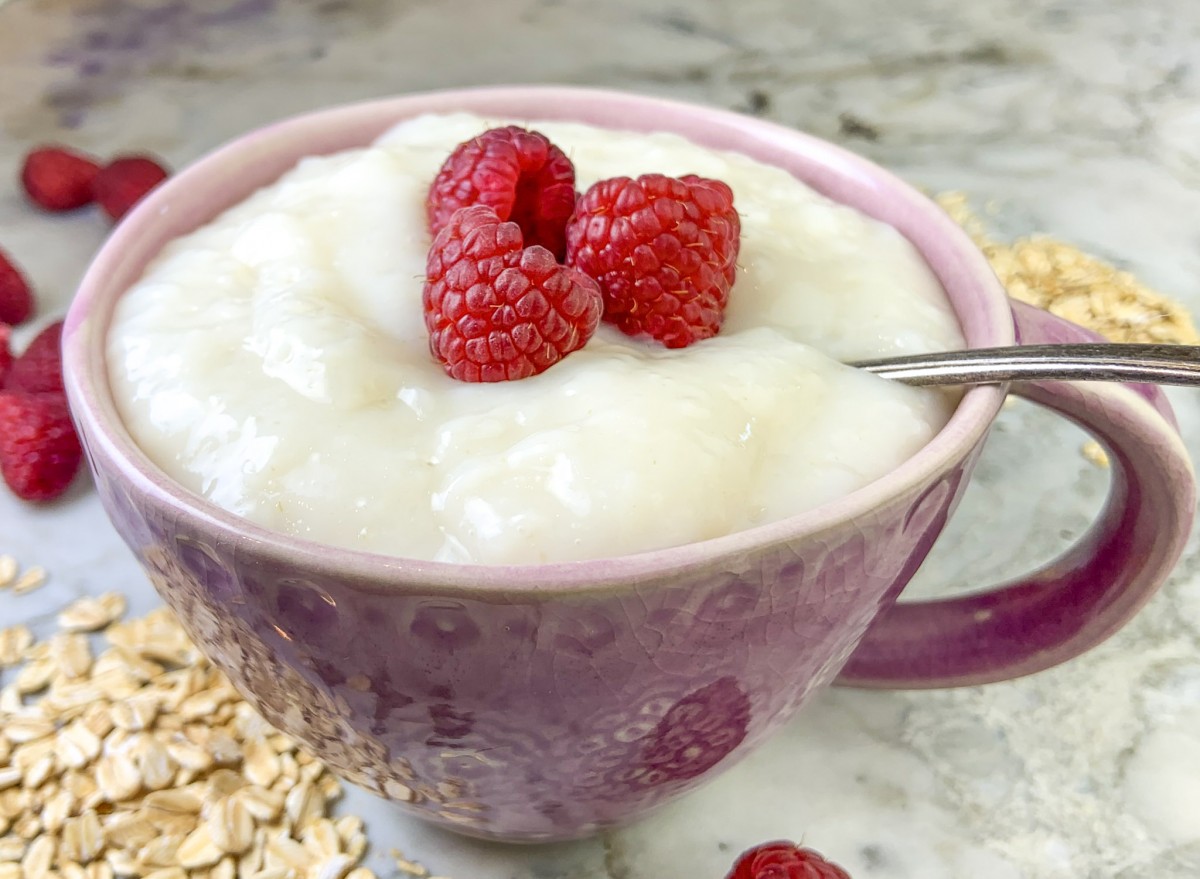
Oat milk has earned a permanent spot in American kitchens — it goes into coffee, smoothies, baked goods, and weeknight sauces. But when you are staring at a half-used carton that is three days from expiring, the question is obvious: can you freeze oat milk?
The short answer is yes. You can absolutely freeze oat milk, and freezing won’t compromise its safety or nutritional profile — whether it is store-bought or homemade. The longer answer is that freezing can lead to changes in texture, and upon thawing you might notice a grainier consistency and some separation. While these changes may make it less palatable to drink straight, thawed oat milk is still a great choice for baking or cooking.
This guide walks you through everything you need to know — how to freeze it correctly, how long it lasts, how to thaw it, and which recipes actually benefit from frozen oat milk. If you care about whole plant-based foods and reducing kitchen waste, this is one storage skill worth having.
Can You Freeze Oat Milk?
You can freeze oat milk without any problems and significantly extend its shelf life. That said, it helps to understand what is actually happening inside the carton when you freeze it, so you know what to expect when you thaw it.
When water freezes, it forms ice crystals that can change the smooth texture of oat milk. Freezing can also cause the oat particles to clump together, making the milk grainy. Emulsifiers — the ingredients that keep oat milk creamy and homogenous — can become less effective during freezing, leading to separation.
Higher-fat blends, like barista editions, tend to freeze better due to improved emulsion stability. Stabilizers such as gellan gum and dipotassium phosphate help maintain texture after thawing. Unsweetened versions also freeze more cleanly, while flavored or sweetened types may crystallize or separate more.
Shelf-stable, UHT-treated oat milk tends to handle freezing slightly better than fresh-refrigerated varieties. So if you regularly buy the shelf-stable cartons in bulk from a warehouse store, those are your best candidates for the freezer.
Pro Tip: Freeze oat milk before it reaches its expiration date — not after. Freezing does not reverse spoilage; it only pauses it.
Does Freezing Change the Texture or Taste of Oat Milk?
Yes — and it is worth being honest about this upfront so you are not caught off guard. Larger ice crystals, which tend to form during slow freezing, cause more significant damage to the emulsion. The ice crystals push the starches and fats together, causing them to clump. When the oat milk thaws, the water separates from these clumps, resulting in a watery, grainy texture.
Another factor at play is starch retrogradation — a process where starch molecules realign themselves after being cooked and then cooled. When oat milk is frozen and thawed, starch retrogradation accelerates, leading to a further breakdown of the smooth texture and the formation of larger, less palatable starch granules. The retrograded starch is less able to bind with water, which worsens the separation problem and contributes to a gritty mouthfeel.
The taste itself does not change dramatically, but from a nutritional standpoint, freezing oat milk does not significantly alter its health benefits. However, the flavor may become slightly muted after freezing, which could affect its use in some recipes.
The speed at which you freeze oat milk also affects the final product. Rapid freezing, which results in smaller ice crystals, can minimize some of the damage to the starch network and emulsion. However, even with rapid freezing, some textural changes are almost inevitable.
Key Insight: The graininess disappears almost entirely when thawed oat milk is heated or blended. If you plan to cook or bake with it, the texture change is a non-issue.
How to Freeze Oat Milk the Right Way
The method you choose depends on how much oat milk you have and what you plan to use it for. There are two reliable approaches: freezing in portions using an airtight container, or freezing in an ice cube tray for smaller, recipe-ready amounts.
Method 1: Freezer-Safe Container
- Give the oat milk a good shake before pouring to ensure it is well mixed.
- Fill a freezer-safe bottle or container with oat milk, leaving at least 1 inch of room at the top. Liquid expands as it freezes, so it is critical to allow enough space at the top to prevent glass from shattering from the pressure.
- Seal the container tightly to prevent any freezer odors from permeating the milk.
- Clearly label the container with the date and place it in the freezer.
Method 2: Ice Cube Tray
- Pour oat milk into a silicone or standard ice cube tray in equal measures.
- Use a tray with a lid if possible — it is more hygienic and prevents contamination in the freezer.
- Oat milk typically freezes solid in an ice cube tray in around 3 hours, but for best results, freeze overnight.
- Once the cubes are completely frozen, pop them out of the tray, put them into a freezer bag, and label the bag with the contents and date of freezing.
Freezing in an ice cube tray gives you pre-portioned sizes of frozen milk on hand that you can add directly to sauces. Pre-portioning the milk before freezing also means you can add it to cooking without the need to defrost the milk beforehand. This is the most practical method for most home cooks.
Important Note: Avoid freezing oat milk in paper cartons that have already been opened. The seal is weaker than a dedicated freezer container, which increases the risk of freezer burn and odor absorption.
How Long Can You Freeze Oat Milk?
Most sources agree on a safe window of one to three months for best quality. Oat milk can be safely stored in the freezer for up to 3 months. While it is still safe to consume after this point, the changes in texture and flavor might be more noticeable.
For unopened, store-bought cartons, you have a bit more flexibility. If the oat milk has been unopened, it can last up to 6 months in the freezer. However, for the best eating experience, aim to use it within three months regardless of whether it was opened.
Once you open a carton and store it in the fridge without freezing, the clock moves much faster. Once a carton has been opened, it should be stored in the fridge and used within seven days, or sometimes ten at the most, depending on the brand. Homemade oat milk only lasts 5 days in the fridge because it lacks the preservatives that are usually added to store-bought products.
| Storage Method | Estimated Shelf Life | Best For |
|---|---|---|
| Pantry (unopened, shelf-stable) | 9–12 months from production | Long-term stock |
| Refrigerator (opened) | 7–10 days | Daily use |
| Freezer (opened, in container) | Up to 3 months | Cooking and baking |
| Freezer (unopened carton) | Up to 6 months | Bulk storage |
| Freezer (ice cube tray) | Up to 3 months | Recipe portions |
How to Thaw Frozen Oat Milk
How you thaw oat milk matters almost as much as how you freeze it. The thawing process is important — slow thawing in the refrigerator is generally preferable to thawing at room temperature, as it allows the ice crystals to melt more evenly.
Simply transfer the oat milk from the freezer to the fridge and let it slowly thaw overnight. This method allows for even thawing and maintains the milk’s quality better than faster alternatives. Plan ahead: leave the oat milk in the fridge for at least 8 hours or overnight to thaw fully.
If you are short on time, a quicker option is to submerge the sealed container in cold water until thawed, which usually takes about 30 minutes. You can also use a microwave, but proceed carefully — use the defrost mode or the lowest power level, and microwave in 20 to 30-second intervals, whisking the milk between each interval to prevent hot spots.
Once thawed, the oat milk will likely look separated or grainy. Do not throw it out. Shaking the thawed oat milk can help mix the separated parts and improve its texture. For a smoother result, you can strain the thawed oat milk through a cheesecloth to filter out the grainy particles.
After thawing, the defrosted oat milk should be used within 2 to 3 days. Keep it refrigerated and do not leave it at room temperature for more than two hours.
Can You Refreeze Oat Milk After Thawing?
No — and this is one rule you should not skip. It is not recommended to refreeze oat milk once it has been thawed, as this can lead to further degradation in its texture and taste.
Never refreeze already-defrosted oat milk, and always make sure your milk has not expired before freezing it in the first place. Each freeze-thaw cycle breaks down the emulsion further, and by the second round you are left with something that is watery, unpleasant, and potentially unsafe if it was not handled properly during thawing.
The best way to avoid this situation is to freeze in small portions from the start. Using airtight containers prevents freezer burn, and freezing in smaller portions helps with thawing only what you need, ensuring minimal waste and maintaining quality. Ice cube trays make this especially easy — you can pull out exactly what a recipe calls for without committing to a full jar.
How to Use Frozen Oat Milk (Best Uses After Freezing)
Thawed oat milk performs best when texture is not the star of the show. While thawed oat milk may not be ideal for drinking straight or pouring over cereal, it can still be used in baking recipes without significantly affecting the final result. The separation and graininess are usually masked by the other ingredients in the recipe.
Here are the best ways to put frozen oat milk to work in your kitchen:
- Baked goods: Use thawed oat milk in muffins, cakes, pancakes, or other baked goods. It works as a one-to-one substitute for dairy milk in most recipes.
- Smoothies: Blending thawed oat milk into smoothies can help re-emulsify the mixture and mask the grainy texture. Adding fruits, vegetables, and protein powder can further improve the texture and flavor.
- Soups and sauces: When you heat up the oat milk, you don’t notice the graininess. Defrosted oat milk works well used in cooking.
- Hot drinks: You can heat the oat milk and use it to make a milky coffee or hot chocolate. The warmth smooths out the texture noticeably.
- Oat milk ice cubes in coffee: Freezing leftover oat milk into ice cubes is a practical solution to prevent waste. These cubes can chill coffee or tea without diluting the beverage with water. While the cubes will still exhibit some separation upon melting, the overall effect is less noticeable than drinking a full glass of thawed oat milk.
If you enjoy using plant-based ingredients across your diet, you may also find ideas in this guide to superfoods for a healthy heart or this overview of foods for healthy skin — oat milk fits naturally into both categories. For a deeper look at how plant-based eating supports your body, the Today.com guide on freezing milk also covers best practices for all milk types.
Signs That Frozen Oat Milk Has Gone Bad
Freezing extends shelf life, but it does not make oat milk last forever. Knowing the difference between normal post-freeze separation and actual spoilage is important before you use it in a recipe.
Watch for these warning signs:
- Sour or off smell: Fresh or thawed oat milk should smell neutral and slightly sweet. A sour, fermented, or otherwise unpleasant odor means it has gone bad — do not use it.
- Unusual color: Discard thawed oat milk if it develops off-odors, mold, or unusual color. A yellowish or brownish tint is a red flag.
- Lumpy texture that does not blend out: Some graininess after thawing is normal and can be shaken or strained away. But if the milk is thick, chunky, or curdled even after vigorous shaking, it is past its prime.
- Mold: Any visible mold growth means the oat milk should be discarded immediately, no exceptions.
- Expired before freezing: Always make sure your milk has not expired before freezing it. Freezing spoiled oat milk does not make it safe to consume later.
Normal thawed oat milk looks separated and grainy but smells clean. If you thaw your milk properly after freezing, there may be a small change in texture or consistency if the fat has separated from the liquid, but it will be safe to consume and won’t change the nutrition. You can just shake it or put it in a blender to remix it. However, if the milk smells or gets lumpy, throw it out — it has gone bad.
Proper food storage habits connect to your overall health in more ways than one. If you are exploring how diet impacts wellbeing, check out these resources on powerful nutrients and foods that fight cancer and foods that can help enhance your liver function.
Frequently Asked Questions
Can You Freeze Oat Milk in the Original Carton?
You can freeze oat milk in its original carton if it is unopened, but transferring it to a freezer-safe container is recommended for better results. If you do freeze it in the carton, check that the seal is fully intact and leave room for expansion. Avoid paper cartons — they can expand and rupture.
Does Freezing Oat Milk Destroy Its Nutrients?
From a nutritional standpoint, freezing oat milk does not significantly alter its health benefits. The vitamins and minerals remain intact through the freeze-thaw cycle. Freezing doesn’t pose safety risks — only cosmetic and textural ones. You can read more about how plant-based foods support your nutrition in this guide to fibroid healing foods.
Can You Freeze Homemade Oat Milk?
Yes, but results are less predictable. Homemade oat milk lacks stabilizers, so separation and sedimentation are more pronounced after thawing. It is best used in cooked dishes. Freeze in small portions and blend thoroughly after thawing.
Why Does My Oat Milk Say “Do Not Freeze” on the Label?
Manufacturers often discourage freezing because it alters texture, leading to customer dissatisfaction. They prioritize a consistent sensory experience. Freezing doesn’t pose safety risks — only cosmetic and textural ones. You can still freeze it safely; just expect the texture change when you thaw it.
How Long Does Thawed Oat Milk Last in the Fridge?
After thawing, the defrosted oat milk should be used within 2 to 3 days. Some sources suggest up to five to seven days, but for best flavor and safety, aim to use it as quickly as possible after thawing. Keep it sealed and refrigerated at all times.
Can You Freeze Oat Milk Creamer?
Yes, you can freeze oat milk creamer to extend its shelf life. As with oat milk, freezing might cause separation, so you will need to shake or stir it to restore creaminess. The ice cube method works especially well for creamers since you can drop a cube or two directly into your coffee mug.
Freezing oat milk is a practical, low-effort way to cut down on waste and keep a plant-based staple on hand for cooking and baking. The texture change is real, but with the right method — portioned freezing, overnight fridge thawing, and a good shake — you can get solid results from every batch. For more ideas on building a kitchen stocked with nutritious options, explore this guide to foods that promote healthy eyesight and this look at the pros and cons of eating seafood as part of a balanced diet.