Can You Freeze Cooked Hamburger Meat? What You Need to Know

November 6, 2026
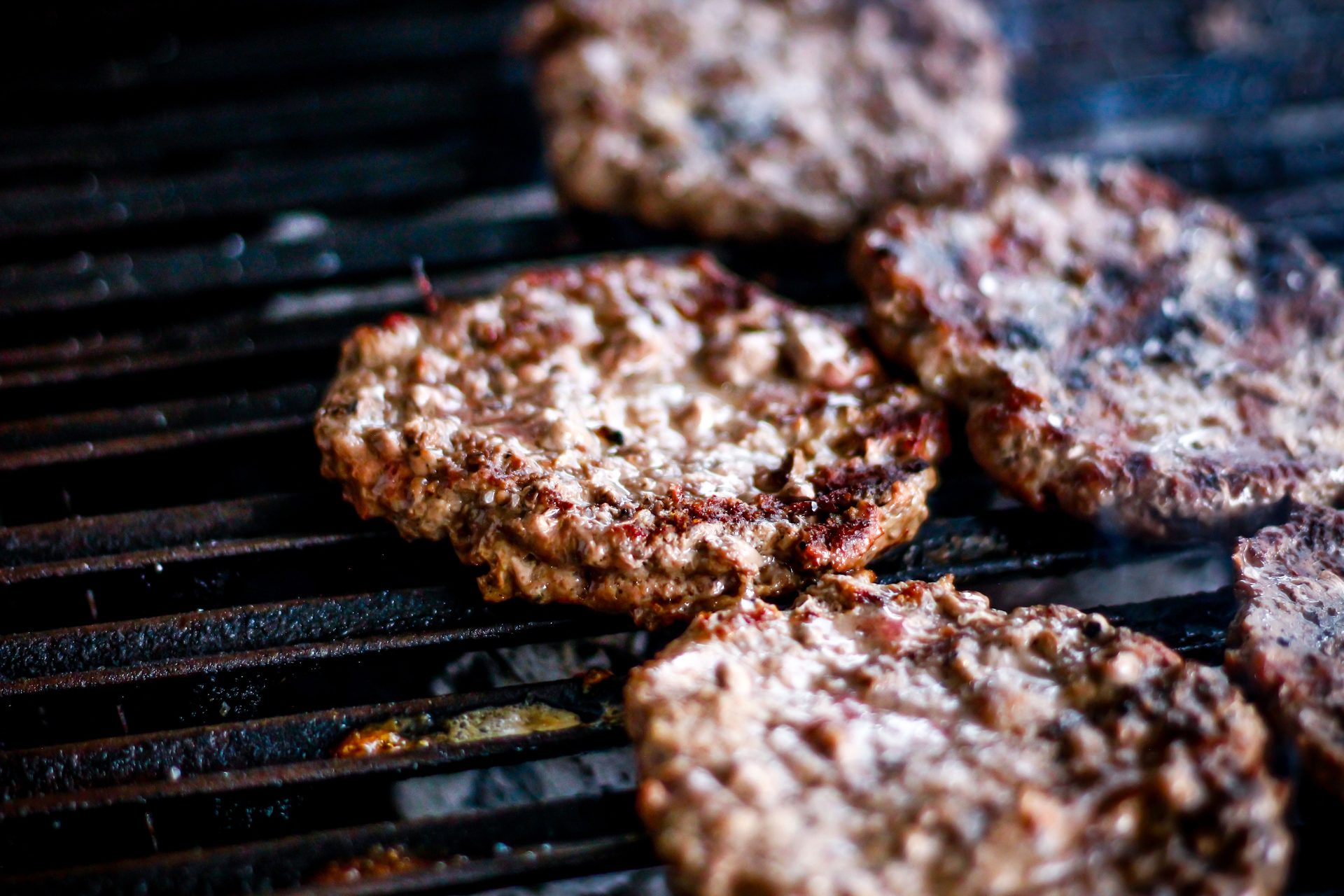
Cooking a big batch of ground beef only to wonder what to do with the leftovers is a familiar problem in American kitchens. Whether you browned a few pounds for taco night or grilled up extra hamburger patties for a cookout, freezing cooked hamburger meat is one of the smartest moves you can make for faster weeknight meals.
The short answer is yes — you can absolutely freeze cooked hamburger meat, and doing it correctly keeps it safe, flavorful, and ready to use whenever you need it. This guide walks you through everything from proper packaging and storage timelines to thawing methods and the warning signs that your frozen meat has turned.
Can You Freeze Cooked Hamburger Meat?
Cooked hamburger meat freezes well, and food safety authorities back this up. If ground beef is refrigerated promptly after cooking — within 2 hours, or 1 hour if the temperature is above 90°F — it can be safely refrigerated for about 3 to 4 days. If frozen, it should keep its quality for about 4 months.
Freezing keeps food safe by slowing the movement of molecules, causing microbes to enter a dormant stage. It preserves food for extended periods because it prevents the growth of microorganisms that cause both food spoilage and foodborne illness. That means your leftover burger crumbles or patties are perfectly safe to stash in the freezer — as long as you follow a few basic rules.
One rule that matters most: illness-causing bacteria can grow in perishable foods within 2 hours unless you refrigerate them. So do not leave cooked hamburger sitting on the counter before freezing. Get it into the fridge or freezer quickly after the meal.
Pro Tip: If you regularly cook ground beef for meals like tacos, pasta sauce, or chili, consider browning a large batch at once and freezing it in meal-sized portions. You will cut your weeknight prep time dramatically.
Does Freezing Change the Texture or Taste of Cooked Hamburger Meat?
Freezing is safe, but it does affect quality to some degree. Raw meat and poultry maintain their quality longer than their cooked counterparts because moisture is lost during cooking. That means cooked hamburger meat is more susceptible to texture changes in the freezer than raw ground beef.
Freshness and quality at the time of freezing affect the condition of frozen foods. If frozen at peak quality, thawed foods emerge tasting better than foods frozen near the end of their useful life. In practical terms, that means you should freeze your cooked hamburger meat as soon as you know you will not use it within a few days — not right before it goes bad.
Freezer burn is the other texture concern. Freezer burn does not make food unsafe, merely dry in spots. It appears as grayish-brown leathery spots and is caused by air coming in contact with the surface of the food. Tight packaging is your best defense against it. Enzyme activity can lead to the deterioration of food quality. Enzymes present in animals, vegetables, and fruit promote chemical reactions before and after harvest, such as ripening. However, enzyme activity does not harm frozen meats or fish.
When it comes to taste, cooked hamburger meat that has been properly sealed and used within the recommended window tastes nearly identical to freshly cooked beef. It works especially well in saucy, seasoned dishes where any minor texture change goes unnoticed.
How to Freeze Cooked Hamburger Meat the Right Way
The steps below apply whether you are freezing loose crumbled ground beef, cooked hamburger patties, or seasoned meat destined for tacos or pasta sauce.
- Cool it down first. The main thing you have to do is get the food cooled off before you freeze it. Leave the meat in the fridge until completely cooled. That is the most important step. Spread it in a shallow pan to speed up cooling.
- Drain excess fat. Drain the hamburger, if needed, with a strainer and a container below to catch the grease. Do not let the grease go down the sink. Excess fat can go rancid in the freezer and shorten the quality window of your meat.
- Portion it out. Freeze it in small portions. Break down the cooked ground beef into smaller portions, such as individual meal-sized portions, so you can thaw only what you need. Two cups of cooked crumbled beef equals roughly one pound — a useful benchmark for portioning.
- Use the right packaging. Freezer bags are a good option, but make sure to squeeze out as much air as possible before sealing. This helps prevent freezer burn, which can dry out the meat and affect its quality. You can also use freezer-safe containers, which offer a more rigid option for long-term storage.
- Label everything. Mark your packages with the date they were placed in the freezer so you can keep track of storage times. A simple piece of masking tape and a marker works fine.
- Lay bags flat. Lay the bags flat, squeeze out as much air as possible, and freeze. Flat bags stack easily and thaw faster than thick blocks.
Pro Tip: For an airtight seal without a vacuum sealer, use the water displacement method: seal the freezer bag almost all the way, submerge it slowly in a bowl of water to push air out, then seal completely before placing it in the freezer.
For longer-term storage, wrap in heavy-duty plastic wrap, aluminum foil, freezer paper, or plastic bags made for freezing. Double-wrapping is especially helpful if your freezer runs warm or if you open it frequently.
How Long Can You Freeze Cooked Hamburger Meat?
The guidelines for freezer storage are for quality only — frozen foods stored continuously at 0°F (-18°C) or below can be kept indefinitely. That said, quality does decline over time, so there is a practical window you should aim for.
| Type of Hamburger Meat | Refrigerator (40°F or below) | Freezer (0°F or below) |
|---|---|---|
| Cooked ground beef (crumbled) | 3–4 days | Up to 4 months (best quality) |
| Cooked hamburger patties | 3–4 days | Up to 4 months (best quality) |
| Raw ground beef | 1–2 days | 3–4 months (best quality) |
According to the USDA Food Safety and Inspection Service , ground beef is safe indefinitely if kept frozen but will lose quality over time. It is best if used within 4 months. The FDA’s Refrigerator and Freezer Storage Chart similarly notes that raw hamburger keeps for 3 to 4 months in the freezer.
You have four months before you start losing significant quality of the cooked beef. After that point, the meat is still technically safe if it has remained solidly frozen, but the texture and flavor will have degraded noticeably. Plan to use it within that four-month window for the best results.
If you want to learn how freezing works for other foods, check out this guide on whether you can freeze fresh, uncooked zucchini for a useful comparison.
How to Thaw Frozen Cooked Hamburger Meat
How you thaw cooked hamburger meat matters just as much as how you freeze it. There are three safe methods, each with different time requirements.
Refrigerator thawing (best method): The best way to safely thaw ground beef is in the refrigerator. Keeping meat cold while it is defrosting is essential to prevent the growth of bacteria. Cook or refreeze within 1 or 2 days. For a standard one-pound portion of cooked crumbled beef, plan for 12 to 24 hours in the fridge.
Cold water thawing (faster): To defrost in cold water, put the meat in a watertight plastic bag and submerge. Change the water every 30 minutes. Cook immediately. This method works well for cooked hamburger patties you plan to reheat right away.
Microwave thawing (fastest): To defrost ground beef more rapidly, you can defrost in the microwave oven. If using the microwave, cook the ground beef immediately because some areas may begin to cook during the defrosting. For cooked meat, this means reheating it straight through after the defrost cycle.
Important Note: Never thaw cooked hamburger meat on the kitchen counter at room temperature. You should never let frozen ground beef thaw on the counter at room temperature, as the meat can enter the “danger zone” between 40–140°F, creating an environment where bacteria and spoilage microbes can grow.
When reheating, be sure the internal temperature reaches 165°F as measured with a food thermometer. This applies to cooked patties, casseroles, and any dish containing previously cooked ground beef.
Can You Refreeze Cooked Hamburger Meat After Thawing?
Yes, with conditions. Whether you can safely refreeze depends on how the meat was thawed. If you thawed your beef in the refrigerator and it has been kept at a safe temperature the entire time, the USDA confirms that thawed ground beef can be refrozen without cooking it first.
If you used the cold water or microwave method, the situation changes. If you quick-thawed your ground beef using the cold water or microwave methods, which can briefly bring the meat into the danger zone, you will need to cook it right away to ensure any pathogens are killed off. That means you should not refreeze raw beef thawed with these methods. But you can freeze it again after it has been cooked.
Keep in mind that quality takes a hit each time you freeze and thaw. Each time you freeze and thaw the ground beef, it will lose some of its moisture as the water inside turns to ice, then melts back into water. Beef that has gone through this cycle is best used in dishes like classic beef chili or a slow-cooked soup where its texture is not a key feature.
The practical solution is simple: freeze in one-pound portions so you only pull out exactly what you need, eliminating the need to refreeze thawed beef in most situations. Good portioning before freezing prevents the refreezing question from coming up at all.
How to Use Frozen Cooked Hamburger Meat (Best Uses After Freezing)
Frozen cooked hamburger meat is one of the most versatile shortcut ingredients you can keep on hand. Because it is already cooked, it goes from freezer to finished dish in minutes. Here are the best ways to use it:
- Tacos and taco bowls: Thaw and reheat with taco seasoning, a splash of water, and your favorite toppings. Dinner is on the table in under 10 minutes.
- Pasta sauces: Stir thawed crumbled beef directly into marinara or Bolognese sauce while it simmers. No additional browning needed.
- Chili and soups: Frozen cooked beef drops right into a slow cooker or stockpot. You can have beef ready for anything, from tacos, spaghetti, crockpot taco soup, homemade hamburger helper, to easy chili and more.
- Sloppy Joes: Mix reheated ground beef with your favorite sloppy joe sauce and serve on buns. A weeknight classic that comes together fast.
- Casseroles and baked dishes: Add thawed beef to shepherd’s pie filling, stuffed peppers, or enchiladas before baking.
- Pizza topping: Scatter thawed crumbled beef over homemade or store-bought pizza before it goes in the oven.
- Hamburger patties: Reheat thawed patties in a skillet over medium heat or in the microwave, then serve on buns with your usual toppings.
Cooked hamburger meat that has been frozen and thawed works best in dishes with sauce, liquid, or seasoning to compensate for any minor moisture loss. Saucy applications like chili and pasta are ideal. If you are interested in how food choices affect your overall health, explore these superfoods for a healthy heart or learn about powerful nutrients and foods that fight cancer.
Signs That Frozen Cooked Hamburger Meat Has Gone Bad
Frozen cooked hamburger meat can still go bad under the right (or wrong) conditions. Freezing slows bacterial growth dramatically, but it does not destroy all bacteria. If meat was mishandled before freezing, thawed improperly, or left out too long, it can still become unsafe.
Here are the warning signs to check before you reheat:
- Sour or rancid smell: If it smells sour, metallic, or just “off” after thawing, do not risk it. Bad ground beef will have a persistent sour, rotten, or ammonia-like odor that does not go away — that is your cue to throw it out.
- Slimy or sticky texture: Cooked ground beef should never be slimy or mushy — that means spoilage bacteria have taken hold.
- Mold growth: Mold can spoil cooked ground beef, so you should toss your leftovers if you notice any fuzzy blue, grey, or green spots.
- Unusual color after thawing: Once thawed, spoiled beef often has a sour or rancid odor. The texture may feel sticky or slimy rather than firm. The color might shift to dull gray, greenish tones, or develop an unpleasant sheen.
- Freezer burn patches: Watch for ice crystals or dry, leathery patches — these mean the meat is dehydrated. It is safe to eat, but not particularly tasty. Trim away heavily affected areas before reheating.
Important Note: If you do not notice a funny scent but still see signs of spoilage in color or texture, it is still safest to throw it away, as pathogenic bacteria cannot be smelled. When in doubt, throw it out.
According to the USDA’s Freezing and Food Safety guidelines , freezing to 0°F inactivates any microbes — bacteria, yeasts, and molds — present in food. Once thawed, however, these microbes can again become active, multiplying under the right conditions to levels that can lead to foodborne illness. That is why proper thawing and prompt use after thawing are so important.
For more on how food choices and food safety connect to your overall well-being, see this resource on cancer-causing foods you need to avoid or learn about foods that can help enhance your liver function.
Frequently Asked Questions
Can you freeze cooked hamburger patties?
Yes. Let them cool completely, wrap each patty individually in plastic wrap or foil, then place them in a freezer bag. They keep well for up to 4 months. Reheat in a skillet, oven, or microwave until the internal temperature reaches 165°F.
How long can cooked hamburger meat stay in the fridge before freezing?
The general rule of thumb is that cooked ground beef can safely be stored in the refrigerator for 3 to 4 days. However, the sooner you consume it, the better. If you know you will not use it within that window, freeze it right away rather than waiting until day three or four.
Does freezing cooked hamburger meat affect nutrients?
The freezing process itself does not destroy nutrients. In meat and poultry products, there is little change in nutrient value during freezer storage. You will not lose meaningful protein or iron content by freezing your cooked hamburger meat.
Can you freeze hamburger meat that was previously frozen raw?
Yes, once cooked. You can freeze it again after it has been cooked. “That cooking step starts a new clock,” as food safety experts explain. Any of the spoilage microbes or pathogens that were there are killed by cooking. So cook it off first, then freeze the cooked leftovers.
What is the best container for freezing cooked hamburger meat?
Heavy-duty freezer bags with the air pressed out are the most practical option for crumbled ground beef. Heavy-duty freezer bags, freezer paper, or vacuum sealing significantly reduce the risk of freezer burn. Rigid freezer-safe containers work well for patties or larger portions. Whatever you use, label it with the date.
Is it safe to cook frozen cooked hamburger meat without thawing?
For crumbled ground beef, you can add it directly to a simmering sauce or soup from frozen — just break it up as it heats and make sure it reaches 165°F throughout. For patties, thawing first gives more even reheating, though a covered skillet on low heat can handle them from frozen with patience.
Freezing cooked hamburger meat is a practical habit that saves time, reduces food waste, and keeps your freezer stocked with a ready-to-use protein. Stick to the four-month quality window, use airtight packaging, and always thaw safely in the fridge or cold water. With those basics covered, your frozen hamburger meat will be just as good as the day you cooked it. For more food storage tips and healthy eating ideas, explore whole plant-based foods or browse foods for healthy skin.