Chips During Pregnancy: What’s Actually Safe and What You Should Watch Out For

April 23, 2026
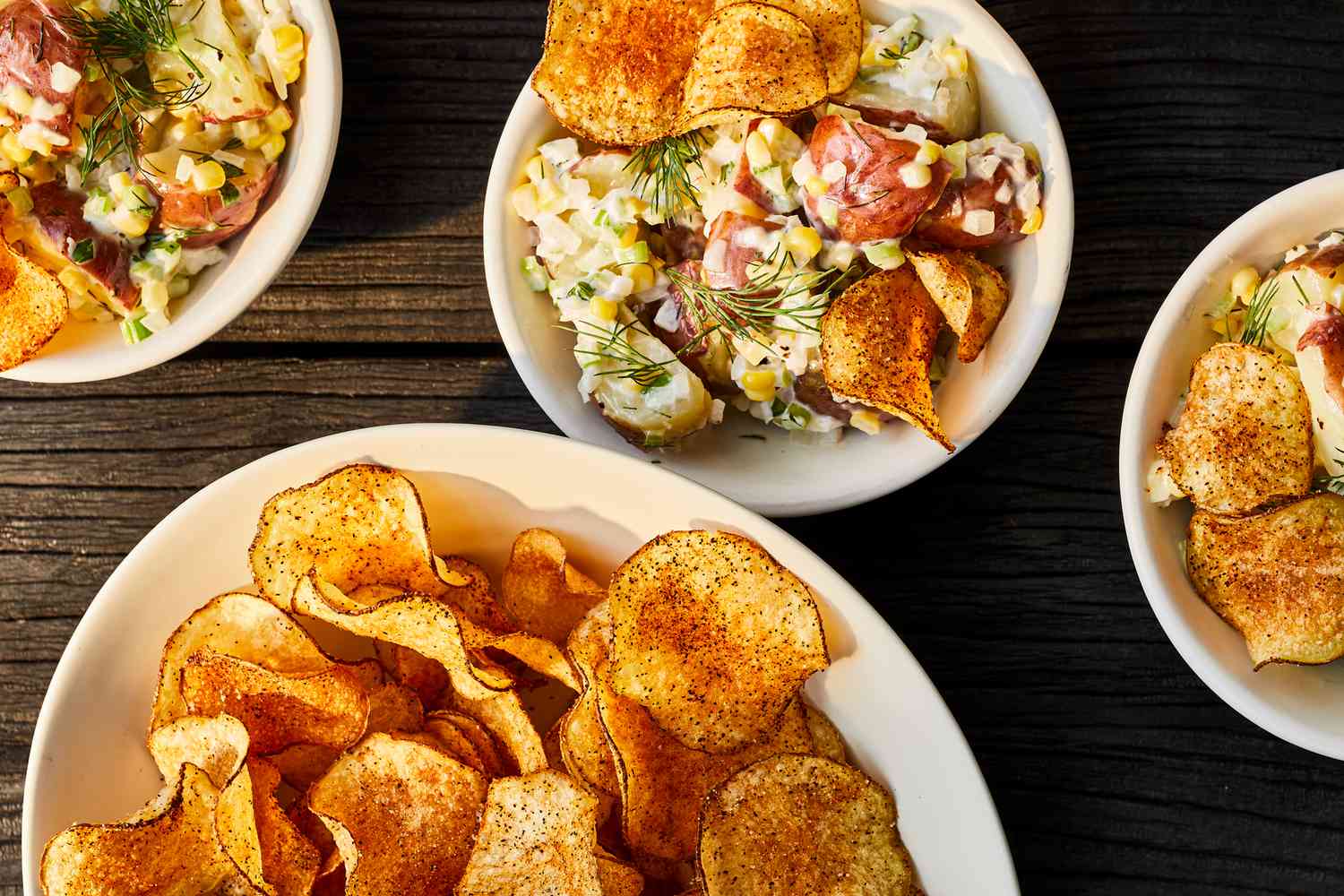
Pregnancy cravings are real, and chips are one of the most craved snacks out there. The salty crunch, the satisfying crinkle of the bag — it’s hard to resist, especially when your body seems to want it right now.
But you’re also paying close attention to everything that goes into your body, because what you eat matters more than ever. So the question “can you eat chips while pregnant?” deserves a straight, honest answer — not one that leaves you more confused than when you started.
Here’s the good news: eating chips during pregnancy isn’t automatically dangerous. But there are real reasons to be thoughtful about how often and how much you eat, and a few situations where you should hold off entirely. This guide breaks it all down so you can snack with confidence.
Medical Disclaimer: This article is for informational purposes only and does not constitute medical advice. Always consult your healthcare provider or OB-GYN about your specific dietary needs during pregnancy.
The Short Answer
Yes, you can eat chips while pregnant — but with clear limits. Eating potato chips occasionally during pregnancy is generally safe, but should be limited due to high salt and unhealthy fat content. The keyword here is occasionally.
Chips are not on the list of foods that are outright banned during pregnancy, the way raw fish or unpasteurized cheese are. They aren’t going to cause an immediate crisis if you grab a handful. What matters is the pattern — eating chips regularly, in large amounts, and as a dietary staple is where the real risks come in.
Think of chips as an occasional treat, not a daily snack. Foods that are heavily processed, high in sugar, salt, and fat are not ideal during pregnancy, but you can still enjoy these occasionally as part of a healthy, balanced diet. That’s the balance to aim for.
Key Insight: One serving of chips as an occasional treat is very different from eating chips daily or as a meal replacement. Frequency and portion size are everything.
Why It’s a Concern
Chips aren’t dangerous in the way that raw meat or listeria-carrying foods are. The concern is more about what they do — and don’t — deliver to you and your baby over time. There are three main issues to understand.
High sodium content. Consuming chips can contribute to excessive weight gain, high blood pressure, and gestational diabetes, jeopardizing both maternal and fetal health. Additionally, the high sodium content in chips may lead to fluid retention, further exacerbating these risks. If you’re already managing blood pressure or swelling during pregnancy, this is especially important to watch. Excess sodium intake causes you to retain water and can lead to swelling. Eat these in moderation. If you see sudden signs of swelling, talk to your doctor — it could be a sign of preeclampsia, a potentially dangerous pregnancy condition.
Acrylamide formation. This is the concern most people haven’t heard of. Ready-made chips are often deep-fried at high temperatures, which not only removes nutrients but also adds unhealthy ingredients. The high temperatures and prolonged frying can increase the formation of acrylamide, a chemical compound that poses risks to the unborn child. Acrylamide has been linked to issues such as low birth weight, abnormal head size, and developmental delays.
Omega-6 fat overload. Women should avoid eating too much vegetable oil and potato chips during pregnancy, as such a diet may result in an increased risk of pregnancy complications and poor development of babies. Foods such as potato chips and vegetable oil contain omega-6 fats, particularly linoleic acid, and research suggests that overconsumption of this nutrient can promote inflammation and may be associated with an increased risk of heart disease.
The combination of high fat and sodium content in chips can put pregnant women at risk of excessive weight gain, which is detrimental to both the mother and the developing baby. It’s not that one bag is going to cause harm — it’s that a pattern of poor food choices during pregnancy adds up.
What the Research Actually Says
The science on chips and pregnancy is more robust than you might expect — and the most studied concern is acrylamide, a chemical that forms naturally when starchy foods are cooked at high temperatures.
High temperatures during cooking convert sugars and other naturally occurring substances in foods to acrylamide. During pregnancy, acrylamide can pass from mother to baby. This is what makes it particularly relevant for pregnant women.
A large-scale Norwegian study involving over 50,000 pregnant women found that higher maternal dietary acrylamide intakes during pregnancy were associated with evidence of impaired fetal growth based on an increase in small-for-gestational-age (SGA) births and a reduction in birth weight. The food groups that most strongly predicted acrylamide intakes among pregnant women were snacks, which included potato chips, nuts, and popcorn; fried potatoes; and crisp bread.
An international study of 1,100 pregnant women across five European countries confirmed similar findings. Intake of foods high in acrylamide during pregnancy is associated with lower birth weight and smaller head circumference. The difference between mothers exposed to high levels of acrylamide and those exposed to low levels may be up to 132 grams in the baby’s weight and 0.33 centimetres in the size of the baby’s head.
A 2022 systematic review and meta-analysis of multiple epidemiological studies strengthened this picture further. Overall, findings strengthen the evidence of an adverse effect of maternal acrylamide exposure during pregnancy on fetal growth, encouraging increased preventive actions towards lowering acrylamide exposure in the population.
That said, it’s important to keep perspective. We don’t know what the safe dose is, so we need to be cautious — but European Commission recommendations note that exceeding acrylamide guidance levels does not constitute an identified health risk. The research points to high and frequent consumption as the concern, not the occasional handful.
On the sodium side, a recent study from the Danish National Birth Cohort found no association between overall dietary patterns, including sodium intake, and the risk of hypertensive disorders of pregnancy. However, hot chips are often high in sodium and low in nutritional value, so it’s best to balance them with a healthy, nutrient-dense diet.
Important Note: The acrylamide research focuses on high, repeated exposure — not a single serving. Context and frequency are what the science is really measuring.
How to Do It Safely
If you’re going to eat chips during pregnancy, a few smart adjustments can meaningfully reduce your risk while still letting you enjoy the crunch you’re craving.
Choose baked over fried. Choose baked chips or make your own at home using healthier cooking methods. Baking reduces the fat content, making the chips a lighter alternative while still offering the satisfying crunch. Baking also produces significantly less acrylamide than deep frying at high temperatures.
Go for whole grain options. Look for chips made from whole grains, such as whole wheat or brown rice. Whole grains provide essential nutrients like fiber, which supports digestive health and helps manage weight gain during pregnancy. These also tend to have lower sodium per serving than standard potato chips.
Pre-portion before you sit down. Be conscious of portion sizes to avoid excessive calorie intake. Pre-portioning your chips in smaller containers can help regulate consumption, preventing overindulgence. This is one of the simplest tricks that actually works — once the bag is open, it’s hard to stop.
Upgrade your dip. Instead of high-calorie and sugary dips, choose nutrient-rich alternatives like salsa, guacamole, or Greek yogurt. These options add flavor without compromising on nutritional value, offering additional vitamins and minerals beneficial for both you and your baby. Guacamole in particular gives you healthy fats and folate — both valuable during pregnancy.
Read the label. Prior to the consumption of chips during pregnancy, it’s advisable to scrutinize the nutrition label for a comprehensive understanding. Look at sodium per serving (aim for under 200mg per serving), check for artificial additives and preservatives, and be aware of serving sizes — many chip bags list a serving as just 1 oz, which is far less than most people actually eat.
Trimester considerations. There’s no hard rule that makes chips safer in one trimester versus another. However, first trimester nausea may make salty snacks feel particularly appealing — and that’s okay in moderation. In the second and third trimesters, as your caloric needs increase (the average pregnant woman needs an additional 340 calories per day during the second trimester and 450 in the third trimester — the equivalent of one to two snacks), it becomes even more important that those snack calories come from nutrient-dense sources rather than empty ones.
Pro Tip: If you’re making homemade chips, soak raw potato slices in water for 15–30 minutes before baking. Soaking in water removes some of the precursors to acrylamide formation — drain and blot dry before cooking.
When to Avoid It Completely
For most healthy pregnancies, an occasional chip is fine. But there are specific situations where you should skip them entirely and talk to your healthcare provider about your snack choices.
- Gestational diabetes diagnosis: Chips are high in refined carbohydrates and can spike blood sugar rapidly. Complications including excessive weight gain, high blood pressure, gestational diabetes, and fluid retention are associated with regular chip consumption. If you’ve been diagnosed with gestational diabetes, chips should generally be off the table.
- Preeclampsia or high blood pressure: High sodium content in chips can raise blood pressure, posing risks for both mother and baby. If your blood pressure is being monitored or you’ve been told to reduce sodium, chips are one of the first things to cut.
- Excessive pregnancy weight gain: If your OB has flagged that you’re gaining weight faster than recommended, high-calorie, low-nutrition snacks like chips are worth eliminating to make room for foods that actually support you and your baby.
- Severe heartburn or acid reflux: Vinegar-flavored or highly acidic chips may worsen heartburn, a common pregnancy discomfort. Spicy or heavily seasoned chips can have the same effect. If heartburn is already a problem, salty and spicy chips will likely make it worse.
- Significant swelling (edema): Fluid retention is common in pregnancy, but sodium makes it worse. If you’re already dealing with noticeable swelling in your hands, feet, or face, high-sodium chips are worth avoiding until it’s under control.
Common Mistake: Swapping regular chips for “veggie chips” and assuming they’re a healthy upgrade. Many veggie chip products are just as high in sodium and fat as potato chips — always check the label rather than trusting the branding.
Quick Reference Chart
| Chip Type / Scenario | Safety Status | Key Notes |
|---|---|---|
| Plain baked potato chips (small portion) | ✅ With Caution | Lower fat and acrylamide; still watch sodium |
| Regular fried potato chips (occasional) | ⚠️ With Caution | Fine occasionally; high sodium and acrylamide risk with frequent use |
| Spicy / hot chips (e.g., Hot Cheetos) | ⚠️ With Caution | Safe in moderation ; may worsen heartburn and acid reflux |
| Salt and vinegar chips | ⚠️ With Caution | High sodium + acidity; may worsen heartburn; limit intake |
| Whole grain / multigrain chips | ✅ With Caution | Better fiber and nutrient profile; still portion-control |
| Homemade baked chips | ✅ Best Option | Control over ingredients, sodium, and cooking temp |
| Chips if you have gestational diabetes | ❌ Avoid | High glycemic index; spikes blood sugar |
| Chips if you have preeclampsia / high BP | ❌ Avoid | High sodium worsens blood pressure and fluid retention |
| Chips daily or as a meal replacement | ❌ Avoid | Cumulative acrylamide, sodium, and empty calorie risk |
| Kale chips (homemade or low-sodium) | ✅ Safe | Kale chips are a crunchy, vitamin-rich snack high in folate, iron, and calcium — essential nutrients for fetal development. |
| Sweet potato chips (baked) | ✅ Safe | Sweet potatoes are rich in vitamins and minerals; when sliced and baked, they make a delicious and nutrient-packed alternative. |
| Roasted chickpeas | ✅ Safe | Beans have folic acid, which reduces the chance of spinal cord birth defects, and are high in iron, which carries oxygen to your baby. |
Frequently Asked Questions
Can chips cause a miscarriage?
No — there is no evidence that eating chips causes miscarriage. The concerns around chips during pregnancy are about cumulative effects on fetal growth, blood pressure, and weight gain, not acute pregnancy loss. Eating snack foods like chips is generally safe and does not cause miscarriage.
How many chips can I eat per day while pregnant?
There’s no universally established daily limit, but most nutrition guidance points toward treating chips as an occasional snack rather than a daily staple. A single small serving (about 1 oz or a small handful) on occasion is unlikely to cause harm for a healthy pregnancy. “Limit — not eliminate — foods that are not contributing to the growth and development of the baby. These could include sugar-filled beverages, desserts, and potato chips,” advises Amy Bragagnini, National Spokesperson for the Academy of Nutrition and Dietetics.
Are Doritos or flavored chips safe during pregnancy?
Flavored chips like Doritos are not specifically dangerous, but they tend to be higher in sodium and artificial additives than plain chips. Hot chips, including spicy snacks, are safe to eat in moderation during pregnancy. The same moderation rules apply — occasional and small portions are fine for most healthy pregnancies, but check with your provider if you have any complications. You can also explore what food preservatives are commonly used in packaged snacks if you’re concerned about additives.
Is the acrylamide in chips really dangerous during pregnancy?
It’s a legitimate concern, not a myth. Acrylamide is known to cross the placenta, so there has been particular concern about the health risk to the unborn child. Research consistently links high dietary acrylamide intake to lower birth weight and smaller head circumference. Reducing dietary acrylamide intake among pregnant women might be beneficial for fetal growth. The key is that this applies to frequent, high-volume consumption — not the occasional serving. Choosing whole, minimally processed foods as your dietary foundation keeps acrylamide exposure low naturally.
What’s the healthiest chip option during pregnancy?
Homemade baked chips give you the most control. Baking reduces the fat content, making chips a lighter alternative while still offering the satisfying crunch. If you’re buying packaged chips, look for baked varieties made from whole grains with under 200mg of sodium per serving. Kale chips, sweet potato chips, and roasted chickpeas are all genuinely nutritious alternatives worth keeping in your pantry. For broader guidance on building a pregnancy-supportive diet, resources on heart-healthy foods and brain-boosting nutrients are worth exploring.
Can I eat chips in the first trimester?
Yes, in moderation. First trimester nausea often makes salty, bland foods feel like the only tolerable option — and that’s a real phenomenon. A small amount of chips to get through a rough nausea day is not going to harm your baby. What you want to avoid is relying on chips as a primary food source throughout the first trimester, when foundational fetal development is happening most rapidly. Talk to your provider if nausea is so severe that you’re struggling to eat a balanced diet — there are solutions that don’t involve living on chips. For a broader look at what to watch out for nutritionally, see this guide to foods and beverages to avoid during pregnancy.
Are baked chips safer than fried chips during pregnancy?
Yes, meaningfully so. Baked chips or popcorn are lower in both fat and calories while still providing essential nutrients, offering a balanced approach for women craving chips during pregnancy. Baking also produces less acrylamide than deep frying at high temperatures, which is the more significant benefit from a fetal health standpoint. If you’re making chips at home, baking or air-frying at lower temperatures is the best approach. You might also find it helpful to explore anti-inflammatory foods and nutrient-dense foods to round out your pregnancy diet with choices that actively support your health.
Key Insight: The bottom line is this — chips during pregnancy aren’t forbidden, but they’re also not neutral. Being intentional about when, how much, and which kind you eat is the practical path forward. Your baby benefits most when chips are the exception, not the rule.