Can You Freeze Live Clams? What You Need to Know Before You Try

November 6, 2026
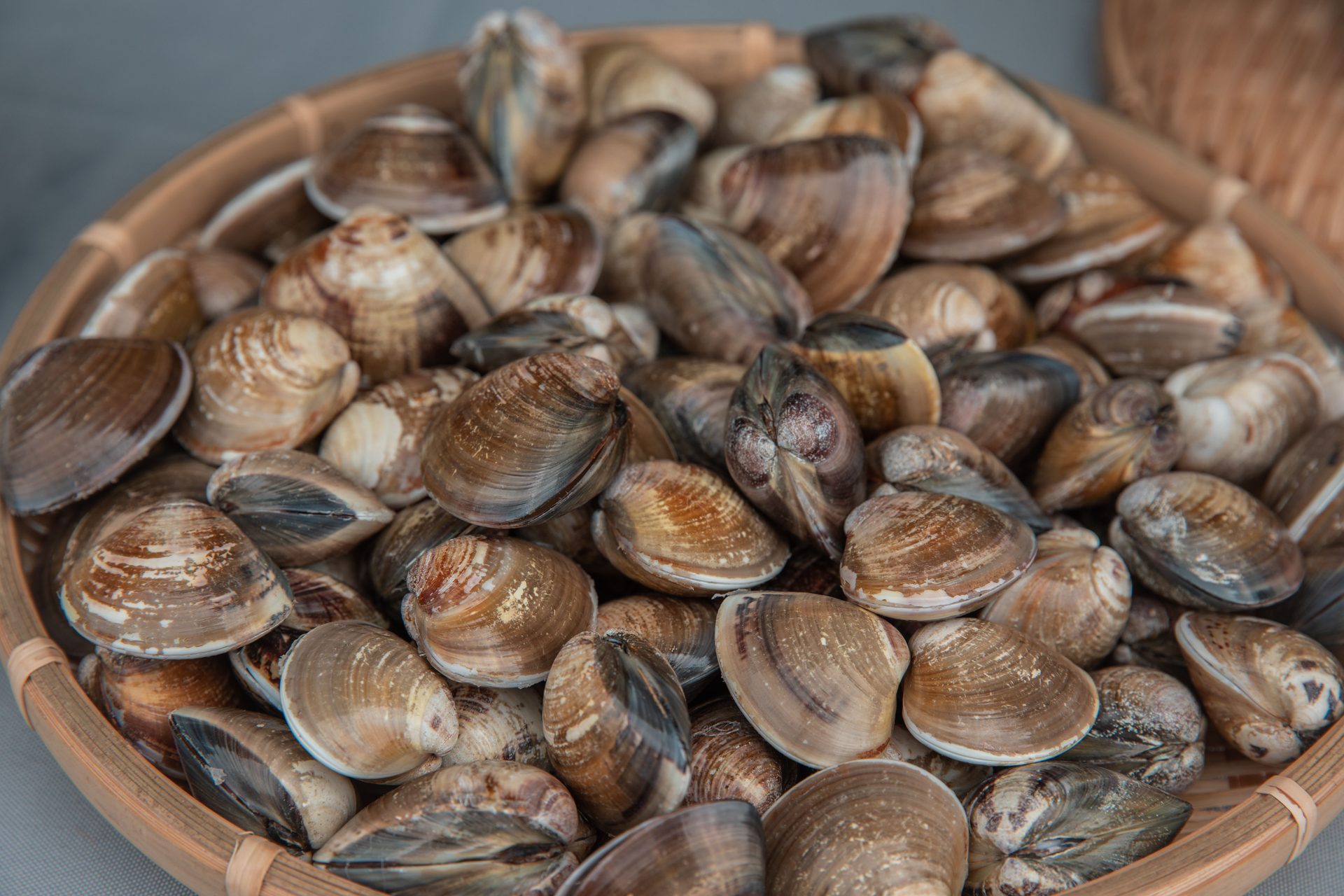
Yes, you can freeze live clams — and doing it correctly makes the difference between a bowl of tender clam chowder and a batch of rubbery, wasted seafood. Whether you dug a bucket of littlenecks at the shore, scored a great deal at a fish counter, or simply bought more than you could cook in a day, the freezer is a practical tool for extending their shelf life.
That said, clams are more sensitive than most proteins. They die during freezing, they can harbor bacteria if handled poorly, and their texture shifts more than, say, a frozen chicken breast. The good news is that with the right prep, frozen clams hold up well in cooked dishes. This guide walks you through everything you need to know — from prep and packaging to thawing, cooking, and spotting spoilage.
Can You Freeze Live Clams?
Yes, clams can be frozen, as long as they are fresh, packed airtight, and used within about three months for best texture and flavor. You can freeze them either in the shell or shucked. Both approaches work, but each has trade-offs worth knowing before you start.
You cannot freeze live clams with the expectation of them surviving the process and remaining safe for consumption. Freezing kills clams, and while they can be frozen after being properly prepared, the process does alter their texture and taste. That is not a reason to avoid freezing them — it is simply a reason to plan on cooking them after they thaw, never eating them raw.
Freezing pauses bacterial growth while the food stays at 0°F (−18°C) or below, which protects safety and slows quality loss. Food preservation authorities such as the National Center for Home Food Preservation and several extension services give clear directions for freezing clams in the shell or shucked in containers filled with their juice or clean water.
One important pre-freeze check: fresh clams should have closed shells. Any shells that are already open before you freeze them are dead and should be thrown out. A quick tap on an open shell will tell you whether the clam is still alive — if it closes, it is fine to freeze.
Pro Tip: Freeze clams as soon as possible after purchase. The fresher they are when they go in, the better they taste when they come out. As one food preservation principle puts it: freezing preserves quality, it does not improve it.
Does Freezing Change the Texture or Taste of Live Clams?
Freezing does change clams, and being honest about that helps you use them in the right dishes. When clams are frozen, the water inside their cells turns into ice, which can cause the cells to rupture. This can lead to a change in texture and a potential loss of flavor.
Freezing can cause the texture of clams to become softer and more prone to breaking. It can also affect the flavor of clams, making them taste slightly less sweet and less flavorful. The degree of change depends heavily on how quickly they were frozen and how well they were sealed.
Freezing can sometimes cause the texture of clams to become slightly tougher or rubbery, which is more common with cooked clams. To minimize texture changes, avoid overcooking the clams before freezing and thaw them slowly in the refrigerator.
Cooking with frozen clams, when done properly, should yield results comparable to fresh clams in both texture and taste. The key phrase there is “done properly” — slow freezing, poor packaging, and room-temperature thawing all accelerate quality loss. Stick to the steps below and the difference in a finished chowder or pasta dish will be minimal.
How to Freeze Live Clams the Right Way
You have two solid options: freeze them in the shell or shuck them first. Each method suits different cooking plans. Here is how to do both correctly.
Option 1: Freeze Clams in the Shell
Freezing in the shell is often considered the best method for raw clams, as the shell provides a natural barrier against freezer burn. Place the clean, live clams in a freezer-safe bag or container, arranging them in a single layer.
- Check for live clams. Live clams have closed shells or they close when touched or tapped. If they are open and unresponsive, discard them — they may be dead and unsafe to eat or freeze.
- Rinse in cool water. Rinse the clams in cool water. Do not rinse them in warm or hot water, as that will cause the clam shells to open, and you want them closed for freezing.
- Purge the clams. Soak them in cold salted water for 20 to 30 minutes so they expel any sand and grit. This step makes them much more pleasant to eat after thawing.
- Pack and seal. Place the live clams in moisture-vapor resistant bags. Press out excess air and freeze. Vacuum sealing is an excellent option for longer storage.
- Label with the date. Clearly mark the containers with the date for future reference.
Option 2: Freeze Shucked Clam Meat
Shucking before freezing saves space and makes weeknight cooking faster. To freeze the clam meat, shuck the clams, then clean and wash the meat thoroughly. Drain and pack in freezer containers, leaving ½-inch headspace. Seal, label, and freeze.
Clams should be frozen in their own liquor or water, and excess air should be removed from the containers to prevent freezer burn. That clam liquor adds flavor to whatever dish you eventually use them in, so do not discard it.
Pro Tip: Flash-freeze shucked clam meat on a parchment-lined baking sheet for one hour before transferring to a bag. This keeps the pieces separate so you can pull out exactly what you need without thawing the whole batch.
How Long Can You Freeze Live Clams?
Clams stored in the freezer remain freshest up to three months. While generally considered safe indefinitely when properly frozen, for best quality, frozen clams should be used within 2–3 months. After this time, they may develop freezer burn and lose flavor.
The table below summarizes storage times by clam type and preparation method:
| Clam Type / Preparation | Freezer Life (Best Quality) | Notes |
|---|---|---|
| Live clams in the shell | Up to 3 months | Shell acts as natural barrier against freezer burn |
| Shucked raw clam meat | Up to 3 months | Pack in clam liquor; leave ½-inch headspace |
| Cooked clam meat | Up to 3 months | Cool completely before freezing; may be slightly softer after thawing |
Clams should be frozen quickly and kept at a temperature of 0°F or lower. Rapid freezing results in less tissue damage. If your freezer runs warm or you are opening it frequently, quality will decline faster than the three-month mark suggests.
How to Thaw Frozen Live Clams
Thawing is where many home cooks make mistakes. The method you choose affects both the safety and the final texture of the clams.
Refrigerator thawing (best method): Frozen clam meats should always be thawed in the refrigerator for 24 hours and not be refrozen. The safest way to thaw clams is in the refrigerator, where they remain free from bacterial overgrowth for several days. Simply transfer the clams from the freezer to the refrigerator the night before you plan to eat them.
Cold water thawing (faster option): Place the clams in an airtight, water-tight plastic bag and thaw them in a bowl of ice water for quicker thawing, refrigerating immediately afterward. Change the cold water every 30 minutes to keep it cold.
Microwave thawing: Microwave thawing is also an option for clams, provided you cook them immediately afterward. Use the defrost setting in short bursts and check frequently to avoid partially cooking the meat.
What to expect with shell-on clams: If you freeze fresh shellfish in their shells, as they thaw their shells should open. This applies to clams, mussels, and oysters, and is typically because the muscle keeping them closed starts to relax as it thaws. If they do not open, they are still safe to eat as long as the shell was closed prior to freezing.
Important Note: Never thaw clams at room temperature. The outer layers enter the bacterial danger zone (40°F–140°F) while the center is still frozen, which raises the risk of foodborne illness. Always use the refrigerator, cold water, or microwave methods above.
After thawing, all clams need to be cooked before consuming. Cook them to an internal temperature of at least 145°F (63°C) to ensure food safety. If you enjoy seafood as part of a healthy diet, this is one step you do not want to skip with thawed shellfish.
Can You Refreeze Live Clams After Thawing?
The short answer is: avoid it whenever possible. Refreezing thawed steamer clams is not recommended. The freeze-thaw cycle can significantly degrade the texture and flavor. It is best to only thaw as much as you plan to use at one time.
It is not recommended to refreeze clams in their shells that have been previously frozen and thawed. Refreezing can cause the formation of ice crystals, which can break the shells and affect the texture and flavor of the clams. Additionally, refreezing can lead to a reduction in food safety, as bacteria and other microorganisms can grow during the thawing process.
If you have already cooked the thawed clams, the situation is slightly different. Once cooked, thawed clams can safely remain in the refrigerator for two to three days. If you do not plan to eat the cooked clams within this time frame, refreezing is an option. Cooked clams keep indefinitely when stored properly, but quality does diminish within three months of freezing.
The practical takeaway: portion your clams before freezing so you only thaw what you need. Once defrosted, you must consume them within 24 hours and you must never refreeze them.
How to Use Frozen Live Clams (Best Uses After Freezing)
Frozen clams work best in cooked dishes where a slightly softer texture goes unnoticed. They are a poor choice for raw preparations like clams on the half shell — save fresh, never-frozen clams for that. Here is where frozen clams shine:
- Clam chowder: Add the thawed clams to the soup just before serving to warm them through without overcooking. New England-style chowder is one of the best uses for frozen clams in American home cooking.
- Seafood stew: Introduce the clams in the last five minutes of simmering to avoid toughening the meat.
- Pasta with clam sauce: Frozen clams can be handy for quick chowder, pasta, or a seafood stew, as long as you freeze, store, and thaw them the right way. Linguine with white clam sauce is a natural fit.
- Clam dip and spreads: Thawed shucked meat blends easily into creamy dips — the texture change from freezing is completely masked.
- Stuffed clams and clam fritters: Both preparations involve enough binding ingredients that the softer post-freeze texture is not noticeable.
In both cases, taste and adjust the seasoning of the dishes, as the natural brininess of the clams can alter the flavor profile. Frozen clams sometimes release more liquid during cooking, so start with less added salt and adjust at the end.
Looking for more ideas on building nutritious meals around seafood? Check out these heart-healthy superfoods and skin-supporting foods that pair well with a seafood-forward diet.
Pro Tip: If you froze clams in their shells, the Interstate Shellfish Sanitation Conference notes that the shells of frozen clams open easily when held under warm water — which makes shucking after thawing much simpler than shucking live clams.
Signs That Frozen Live Clams Have Gone Bad
Even with good storage habits, clams can spoil. Knowing what to look for protects you from foodborne illness, which can be serious with shellfish.
Check the smell first. A mild briny or sea smell is normal after thawing. A strong rotten, sour, or ammonia-like odor indicates bacterial breakdown — discard immediately.
Inspect the color. Fresh frozen clam meat should be off-white to pale beige or light gray. Dark brown, greenish, black, or slimy discoloration suggests spoilage — discard.
Look for freezer burn. Small surface ice crystals are common; large dry, discolored patches (white or gray leathery flesh) indicate quality loss — safe but poor texture and taste. If severely freezer-burned, discard.
Check the texture. If the meat appears slimy, discolored, or dried out, it is best to discard the clams.
Watch the packaging. Packaging that is swollen or leaking can be a sign of microbial gas production or spoilage. If the bag has lost its seal or shows significant frost buildup inside, treat the contents with caution.
When uncertain, prioritize disposal — foodborne illness from shellfish can be severe. No meal is worth the risk. For more on how diet and food quality connect to your overall health, see this guide on foods that support liver function and the nutrients that help fight disease.
Frequently Asked Questions
Can You Freeze Clams Without Shucking Them?
Yes, clams can be frozen in their shells. They should be cleaned thoroughly before freezing. Place them in moisture-vapor-resistant bags, remove excess air, and then freeze. This is actually the simpler of the two methods and requires no special tools.
Can You Freeze Clam Chowder?
Yes, you can freeze clam chowder, but the texture of the potatoes and other vegetables may change. To minimize this, slightly undercook the vegetables before adding them to the chowder. Cool the chowder completely before freezing.
Should You Freeze Clams Raw or Cooked?
Clams can be frozen both raw or cooked. Freezing them raw, either in the shell or shucked, retains maximum freshness. Cooking them before freezing is also an option, but ensuring they are cooled and sealed properly is important. It is best not to cook fresh clams before freezing them if you want to retain their natural texture and taste.
Can You Eat Frozen Clams Raw After Thawing?
No, frozen clams should never be eaten raw. Freezing and thawing processes can compromise the integrity of the clam’s tissue and increase the risk of bacterial contamination. Always cook frozen clams thoroughly.
How Do You Know if Clams Are Still Alive Before Freezing?
When buying fresh clams at the grocery store or the fishmonger, make sure the clams do not have cracked or broken shells. Ensure the clam shells are tightly closed — open clams or clams with damaged shells are indicators of dead clams, which you should never eat. Fresh clams should smell like the sea. You should also discard any fishy-smelling clams.
Is It Safe to Freeze Clams from the Store?
Yes, as long as they are alive when you buy them. Clams harvested from approved waters, handled and processed in sanitary conditions, and properly refrigerated are safe for raw consumption by healthy individuals. Harvesting waters are monitored by states and local jurisdictions. Store-bought clams that meet these standards are perfectly safe to freeze at home using the methods above. You can also explore iconic New England seafood traditions and regional food festivals for inspiration on how to cook with the clams once thawed.