Can You Freeze Zucchini Noodles Raw? What You Need to Know

November 5, 2026
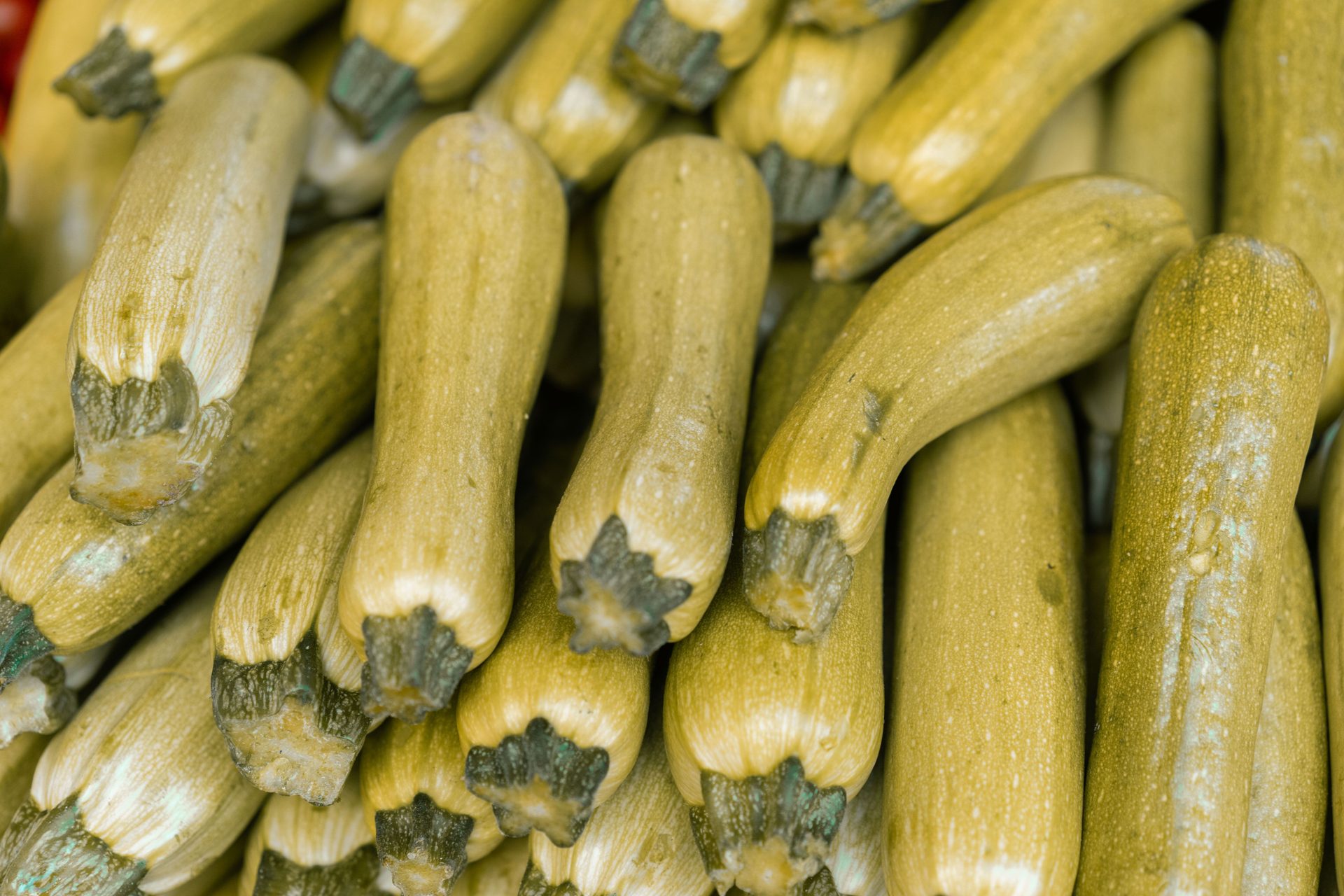
If you’ve ever spiralized a batch of zucchini noodles only to realize you made way more than you can eat, you’ve probably wondered whether the freezer is a viable option. The good news is yes — you can absolutely freeze zucchini noodles raw, and with the right technique, they’ll hold up well enough for cooked dishes later.
Zucchini noodles, often called zoodles, are a popular low-carb, gluten-free pasta substitute across the US, and freezing them is one of the best ways to cut down on food waste during peak summer harvest season. That said, there are a few important things to know before you toss a bag of raw spirals into the freezer and call it a day. This guide walks you through everything — from prep and storage to thawing, using, and spotting spoilage.
Can You Freeze Zucchini Noodles?
Yes, you can freeze zucchini noodles. You can freeze zucchini noodles either raw or blanched, though they’re typically not as enjoyable as fresh zoodles. That’s an honest trade-off worth understanding before you commit to a batch.
Some home cooks simply spiralize their zoodles, put them in a zip-top bag, and place them in the freezer. After a week or so, when pulled out and thawed, they tend to be more watery than when they went in — but still firm enough to use. The key is knowing which cooking applications will work and which won’t.
If you’re spiralizing at home, choose smaller zucchini, around 8 inches long. Larger vegetables contain too many seeds and can’t always be successfully spiralized. They also tend to be soggier once you defrost them. Starting with the right zucchini makes a real difference in your final result.
Pro Tip: Choose fresh zucchini with firm flesh and no blemishes or soft spots. Fresher zucchini will freeze better and maintain its quality during storage.
Does Freezing Change the Texture or Taste of Zucchini Noodles?
Freezing does change the texture of zucchini noodles, and it’s important to go in with realistic expectations. Thawed zucchini is soft and watery — whether you blanch it or not. The cell walls in zucchini break down as ice crystals form during freezing, which releases moisture when the noodles thaw.
Frozen zucchini noodles don’t work well as a substitute for spaghetti or other pasta dishes because they come out quite soft and watery, but they are great in soups. If your plan is to serve them under a marinara with the same firm bite as fresh zoodles, frozen won’t deliver that result.
As for taste, zucchini noodles have the right texture when fresh, but they do taste of zucchini — and that mild flavor carries through after freezing without significant change. The taste itself holds up reasonably well; it’s primarily the texture that shifts. You can freeze zucchini without blanching, but blanching is a better approach because it stops the enzyme action related to the ripening process. If the frozen zucchini’s enzymes are still active, the taste, texture, and color won’t be as satisfactory.
How to Freeze Zucchini Noodles the Right Way
There are essentially two methods for freezing spiralized zucchini: the dehydrator/salt method and the blanching method. Both aim to solve the same problem — removing as much moisture as possible before freezing so your zoodles don’t turn into a soggy mess.
Method 1: The Salt-and-Dry Method (Raw)
This approach keeps the zucchini raw and works well if you plan to use the noodles within a month or two. After spiralizing, place the noodles in a colander and sprinkle with kosher salt. Lightly toss the noodles and let them drain in the colander for 30 minutes. Then place on paper towels, pat dry, and transfer to resealable freezer bags.
The goal of the salt is purely moisture removal, not flavoring. You can use any salt you have on hand — it’s there to draw out the moisture, not to add flavor. After patting dry, place the entire tray in the freezer for 30 minutes for a quick flash-freeze, then divide the zoodles into individual portions in freezer-friendly bags. This helps them retain most of their flavor and texture.
Method 2: The Blanching Method
Blanching is the preferred method if you want the best long-term results. Steam blanch zucchini noodles for 3 minutes, tossing them around at the 90-second mark. No ice bath is needed. Drain as much water from the noodles as possible, then transfer to a towel-lined pan to dry.
Once dry, flash-freezing the spiralized zucchini will help prevent the zoodles from sticking together when you freeze them in bags. Zucchini noodles pack best in freezer bags. Squeeze out as much air as possible before sealing, label the bag with the date, and lay the bags flat in the freezer until fully frozen.
Pro Tip: Moist zoodles can lose their shape and texture during storage, resulting in a soggy and unappetizing outcome when thawed. Never skip the drying step — it’s what separates usable frozen zoodles from a watery disappointment.
If you’re working with a larger batch of fresh zucchini and want to freeze some in other forms beyond noodles, check out this guide on freezing fresh uncooked zucchini for slicing and shredding methods.
How Long Can You Freeze Zucchini Noodles?
Storage time depends largely on whether you blanched the noodles before freezing. Here’s a practical breakdown:
| Prep Method | Recommended Freezer Time | Best Used For |
|---|---|---|
| Raw (salt-dried only) | 1–2 months | Soups, stir fries, smoothies |
| Blanched before freezing | Up to 3 months | Sautéed dishes, soups, pasta-style meals |
| Commercially spiralized (store-bought) | 1–2 months after opening | Any cooked application |
Removing and defrosting frozen zucchini noodles within 2–3 months of freezer storage helps prevent freezer burn, off-flavoring, and food safety issues. Blanched zucchini can last around three months before quality begins to dwindle. Unblanched zucchini has a shorter shelf life. Do not freeze for more than six months, as this can lead to texture degeneration, an unpleasant taste, and freezer burn.
Properly blanched, packaged, and frozen zucchini should maintain high quality for approximately 10 months when stored in a deep freezer — though for zucchini noodles specifically, most sources agree that using them within 2–3 months gives you the best eating experience.
Label each container or bag with the freezing date and periodically check the stored zucchini for any signs of freezer burn. Freezer burn can occur if it’s not adequately sealed or stored for an extended period, and it may affect the taste and quality.
How to Thaw Frozen Zucchini Noodles
Thawing correctly is just as important as freezing correctly. The method you choose affects both food safety and the final texture of your dish.
Thaw zucchini noodles in the refrigerator overnight, then drain away any excess water. Heat a small amount of oil in a skillet over medium heat, add the zoodles, and sauté, stirring frequently until heated through. This is the most reliable approach for cooked applications.
For a faster option, it’s fine to thaw zucchini at room temperature, which takes 1–2 hours. Once thawed by either method, always drain the noodles thoroughly before cooking. Place the thawed zucchini in a colander set over a bowl. This allows the defrosting zucchini to release moisture into the bowl, preventing it from reabsorbing back into the thawed noodles.
Important Note: Do not thaw zucchini noodles at room temperature for extended periods. Using proper defrosting techniques not only helps avoid foodborne illness but also keeps quality and texture more intact. Stick to the fridge overnight or a quick room-temperature thaw of no more than 1–2 hours.
You can also cook frozen zucchini noodles directly from frozen in soups and stir fries without thawing first — the process of blanching already wilts and softens the zucchini, so once thawed or added to a hot dish, all they need is a quick sauté.
Can You Refreeze Zucchini Noodles After Thawing?
Refreezing thawed zucchini noodles is not recommended. Once zucchini noodles thaw, they release a significant amount of water. Refreezing that moisture-laden vegetable leads to an even soggier, mushier result the second time around — and the eating quality drops noticeably.
Always freeze zucchini in a single, non-overlapping layer initially, and be cautious with food safety when it comes to foods that have thawed and refrozen. If your zucchini is stuck together in a solid block, it was either overlapping when you froze it, or it thawed and refroze at some point.
The practical solution is to freeze zucchini noodles in single-serving or meal-sized portions from the start. Freezing in the original packaging might not provide adequate protection against freezer burn, while freezing in smaller serving sizes allows for better control over portions and maintains freshness. Individually freezing servings is best for maintaining freshness and longevity as it reduces exposure to air.
How to Use Frozen Zucchini Noodles (Best Uses After Freezing)
The best uses for frozen zucchini noodles are cooked applications where a softer texture is acceptable or even welcome. The one scenario where frozen zoodles won’t work well is if you eat them raw in a recipe. For everything else, there are plenty of solid options.
- Soups and stews: Add frozen zucchini directly to soups and stews — they thaw and cook quickly, adding flavor and texture. Zucchini works well in vegetable soup, minestrone, chicken gnocchi soup, or chili.
- Sautéed as a side: Heat a small amount of oil in a skillet over medium heat, add the noodles, and sauté, stirring frequently until heated through, about 2 to 3 minutes. Do not overcook.
- Pasta-style dishes: You can add pesto or your favorite pasta sauce, keep it simple by sautéing with some olive oil and garlic, or use it in Asian dishes like Pad Thai or stir fries.
- Smoothies: Frozen zucchini adds bulk and nutrients to smoothies. Use chunks instead of ice cubes — when blended with bold flavors such as berries or chocolate, the squash all but disappears.
For more meal inspiration, take a look at these ideas for what to serve with zucchini noodles — many of those pairings work just as well with frozen-then-thawed zoodles. Zucchini is also worth keeping on your radar as part of a health-conscious diet; it appears in lists of superfoods for a healthy heart and whole plant-based foods worth incorporating regularly.
Signs That Frozen Zucchini Noodles Have Gone Bad
Even in the freezer, zucchini noodles don’t last forever. Knowing what to look for helps you avoid using noodles that are past their prime.
| Warning Sign | What It Means | What to Do |
|---|---|---|
| Grayish or brown discoloration | Enzyme activity or freezer burn | Discard if widespread |
| Icy crystals coating the noodles | Freezer burn from air exposure | Trim affected areas or discard |
| Off or sour smell after thawing | Spoilage or bacterial growth | Discard immediately |
| Extremely mushy texture when thawed | Stored too long or improperly sealed | Discard; not safe to eat |
| Visible mold after thawing | Contamination | Discard immediately |
Do not freeze zucchini noodles for more than six months, as this can lead to texture degeneration, an unpleasant taste, and freezer burn. Even before that point, always do a quick smell and visual check after thawing. Fresh zucchini has a very mild, clean scent — anything sharp, sour, or fermented-smelling is a red flag.
Blanching stops the enzyme action related to the ripening process. If the frozen zucchini’s enzymes are still active, the taste, texture, and color of the noodles won’t be as satisfactory — which is one reason blanched noodles tend to look and taste better after a longer freeze than raw ones do.
If you’re interested in learning more about nutrient-dense foods and how storage affects their value, explore these guides on fibroid healing foods, nutrients and foods that fight cancer, and foods that support liver function.
Frequently Asked Questions
Can You Freeze Store-Bought Zucchini Noodles?
Yes. It doesn’t matter if you have freshly made or store-bought zucchini noodles — the same storage methods apply. If you buy ready-made zoodles, check the date on the package to ensure you get the freshest possible noodles before freezing. Transfer them out of their original packaging and into a proper freezer bag, removing as much air as possible.
Do You Need to Blanch Zucchini Noodles Before Freezing?
You can skip blanching. For some veggies like corn or green beans, blanching before freezing helps seal in texture and color. But blanching doesn’t have much of an impact on the final result of zucchini — thawed zucchini is soft and watery whether you blanch it or not. That said, blanching zucchini might increase the quality by 5–10%, so it’s worth doing if you have the time.
Can You Freeze Zucchini Noodles After Cooking Them?
Technically yes, but the results are even softer than freezing them raw. Cooked zucchini noodles have already released much of their moisture during cooking, so freezing and thawing a second time makes them quite mushy. It’s better to freeze raw or blanched noodles and cook them fresh each time you use them.
How Do You Keep Frozen Zucchini Noodles from Getting Soggy?
The most effective steps are: salt and drain the raw noodles thoroughly before freezing, pat them completely dry, flash-freeze in a single layer before bagging, and always drain well after thawing. If you’re pressed for time and skip blanching, just be sure to use the noodles within 2 months and understand they may get soft or mushy during the freezing process.
Can You Eat Frozen Zucchini Noodles Raw After Thawing?
The one reason frozen zoodles would not work well is if you plan to eat them raw in a recipe. The freezing and thawing process changes the cell structure of the zucchini, making the noodles limp and watery. They’re best used in cooked dishes after freezing.
What Is the Best Way to Cook Frozen Zucchini Noodles?
Thaw the zucchini noodles in the refrigerator overnight, then drain away any excess water. Heat a small amount of oil in a skillet over medium heat, add the zoodles, and sauté, stirring frequently until heated through, 2 to 3 minutes. Do not overcook. Overcooking is the fastest way to turn them into mush.