Can You Freeze Tzatziki Sauce? What to Expect and How to Do It Right

November 5, 2026
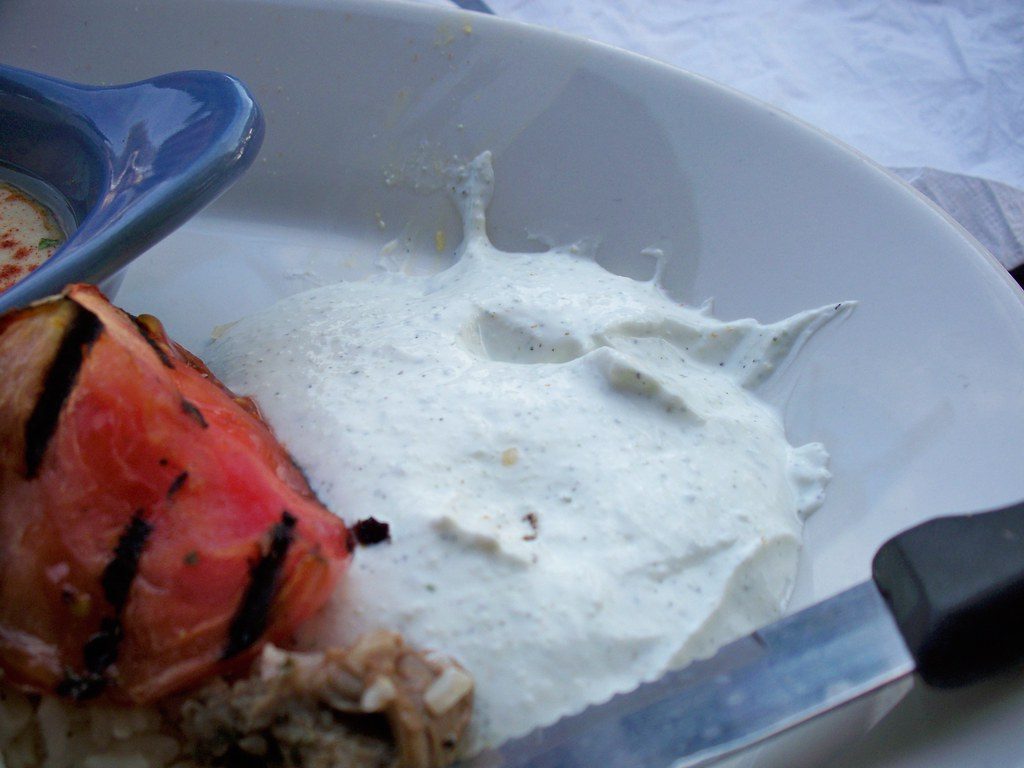
Tzatziki sauce — that cool, creamy Greek condiment made from yogurt, cucumber, garlic, and dill — is one of those foods that disappears fast at the dinner table. But when you make a big batch for a cookout or a gyro night and end up with leftovers, the obvious question is: can you freeze it?
The short answer is yes, you can freeze tzatziki sauce. The longer answer involves some honest trade-offs around texture, and knowing those trade-offs ahead of time will help you decide how to use it once it thaws. This guide covers everything from how to freeze it the right way to the best ways to use it after it comes out of the freezer.
Can You Freeze Tzatziki Sauce?
Tzatziki sauce has less water content than other dairy-based dips, which makes it better suited for freezing. You can expect some changes in the texture of the sauce, but it won’t affect the quality of the taste as long as you defrost it properly.
While it’s not recommended as the ideal storage method, if you have a lot of tzatziki left over, you can still freeze it for up to two months. For most home cooks in the US, freezing is a perfectly reasonable way to avoid wasting a large batch — just go in with realistic expectations about what the thawed sauce will look and feel like.
Store-bought tzatziki usually contains added preservatives or stabilizers. These added chemicals help the sauce last much longer while retaining its thick and creamy consistency. Arguably, store-bought may be slightly better for freezing, as it is more likely to remain stable when defrosting.
Pro Tip: Before committing your entire batch to the freezer, freeze a small portion first. Thaw it after 24 hours and taste it — that way you know whether the texture works for you before freezing the rest.
Does Freezing Change the Texture or Taste of Tzatziki Sauce?
Yes — and it’s worth being upfront about that. Greek yogurt releases water while sitting in the fridge or freezer, and the texture and taste undergo slight changes as a result. Yogurt develops a looser consistency and becomes less smooth, and the taste becomes more acidic.
The lemon juice in tzatziki causes it to curdle slightly. The cucumbers change their texture too, though the acidity of the yogurt helps them retain some of their initial crunch. If you’re hoping for the same thick, velvety dip you pulled from the fridge fresh, frozen-and-thawed tzatziki won’t quite get there.
Freezing tzatziki will change its texture. Freezing is the best way to store yogurt and sour cream-based sauces if you plan to use them in cooked dishes. If you need the sauce with a creamy, smooth consistency for serving as a dip, it should only be served fresh.
| Quality Factor | Fresh Tzatziki | Frozen and Thawed Tzatziki |
|---|---|---|
| Texture | Thick, smooth, and creamy | Looser, possibly grainy or watery |
| Taste | Tangy, balanced, and bright | Slightly more acidic; garlic may intensify |
| Cucumber | Crisp and fresh | Softer; may become mushy |
| Best Use | Dipping, spreading, topping | Marinades, cooked dishes, wraps |
How to Freeze Tzatziki Sauce the Right Way
A little prep work before freezing makes a real difference in what you get when you thaw it. The goal is to remove as much excess water as possible and protect the sauce from air exposure.
- Start with fresh, quality tzatziki. Use fresh ingredients, since the quality of the ingredients you use will affect the taste and texture of the frozen sauce. Don’t freeze tzatziki that is already a few days old.
- Drain the cucumbers thoroughly. Grate the cucumbers about half an hour before making the sauce. Put the grated cucumber in a strainer and season with some salt — this helps the vegetables leach out excess water. Once it has sat in the strainer for 20 to 30 minutes, give the grated cucumber a good squeeze to eliminate as much water as possible.
- Use full-fat Greek yogurt. If you use full-fat yogurt instead of low-fat yogurt, the defrosted tzatziki sauce will be less runny, taste better, and be creamier. If you don’t have full-fat Greek yogurt on hand, you can strain plain Greek yogurt to make it thicker.
- Consider removing the cucumbers before freezing. The cucumbers in tzatziki sauce will become mushy after freezing. Remove them before freezing and add them back in after thawing. This optional step gives you the best texture result.
- Skip extra lemon juice and salt before freezing. Avoid adding extra lemon juice or salt before freezing, as these can change the flavor during thawing.
- Freeze in small portions. When freezing yogurt-based sauces, the best way to store them is in ice cube trays. Once the cubes are frozen, transfer them to a freezer-safe bag or container. This allows you to use just what you need without thawing the entire batch.
- Use airtight, freezer-safe containers. Pack the tzatziki sauce in a freezer storage container with a tight-fitting lid. Wrap the storage container with several layers of clear plastic wrap. Place the container inside a freezer bag, squeeze out all the air, and seal the bag. The container, plastic wrap, and bag offer triple moisture-vapor protection to keep the yogurt tasting fresh.
- Label with the date. It’s a good idea to date the container so that you know when you put it in the freezer.
Pro Tip: If you’re not using high-fat Greek yogurt, once frozen and thawed, tzatziki sauce can get grainy. To prevent heavy separation, you can add some heavy cream to it and stir well before putting the tzatziki in the freezer.
How Long Can You Freeze Tzatziki Sauce?
Homemade tzatziki can last up to 2 months in the freezer at its best quality. Store-bought tzatziki can last up to a week in the fridge, or up to 2 weeks if unopened and stored correctly. When frozen, it can last up to 3 months.
Frozen tzatziki sauce is best used within 3 to 4 months. After this period, the flavor and texture may start to degrade. Technically, food stored at 0°F stays safe indefinitely, but quality drops noticeably the longer it sits — so use it sooner rather than later.
For refrigerator storage without freezing, use the sauce within 3 to 4 days. If you’re storing thawed tzatziki after pulling it from the freezer, thawed tzatziki sauce can be stored in the refrigerator for up to 3 days.
How to Thaw Frozen Tzatziki Sauce
How you thaw tzatziki matters almost as much as how you freeze it. For the best results when defrosting tzatziki, allow it to defrost slowly in the fridge overnight. Defrosting at room temperature or in the microwave may alter the texture of the tzatziki even more.
If you need it faster, a cold-water bath works. You can thaw the sauce in cold water by submerging the container or bag in a bowl of cold water and changing the water every 30 minutes to keep it cold. The sauce should be ready in about 2 hours.
Once thawed, expect some separation. Once the condiment has thawed, you will see that it has released some water. Instead of trying to mix it back in, just pour it out. Eliminating as much water as possible will help reach a better consistency and make tzatziki less watery.
After draining the excess liquid, strain excess liquid using a fine sieve or cheesecloth for a thicker texture. Add a small amount of fresh yogurt or a squeeze of lemon juice to brighten the flavor and improve texture. Taste and adjust salt or garlic if needed.
Important Note: Never leave tzatziki at room temperature for more than 2 hours. This applies during both the thawing process and when serving — dairy-based sauces can grow harmful bacteria quickly at warm temperatures.
Can You Refreeze Tzatziki Sauce After Thawing?
Refreezing tzatziki sauce is not recommended, as it can lead to a significant decrease in quality and texture. If you’ve thawed more sauce than you need, it’s best to use it within a day or two or store it in the refrigerator for up to 3 days. If you won’t be using the thawed sauce within this timeframe, it’s better to err on the side of caution and discard it to ensure food safety.
When you thaw frozen tzatziki sauce, the water content in the cucumbers and yogurt can cause the sauce to become watery and separate. Refreezing the sauce can cause the formation of ice crystals, which can further affect the texture and make the sauce unappetizing.
The best way to avoid this problem entirely is to freeze tzatziki in individual portion sizes from the start. That way, you only thaw exactly what you need each time — no leftovers, no temptation to refreeze.
How to Use Frozen Tzatziki Sauce (Best Uses After Freezing)
Once thawed, the texture of tzatziki shifts — but that doesn’t mean it’s unusable. It just means you need to match it to the right application. It’s best used in cooked dishes like marinades or sauces where texture is less critical, rather than as a fresh dip.
That said, thawed tzatziki still works well in several everyday situations popular in American kitchens:
- Wraps and gyros: Defrosted tzatziki works well in a souvlaki wrap, even though it won’t have the same creamy and thick texture as fresh tzatziki.
- Marinade for chicken or lamb: Marinate meats or vegetables in tzatziki sauce for a flavorful and tender dish. The yogurt tenderizes the protein while the garlic and dill add depth.
- Salad dressing: Mix it with some olive oil for a quick salad dressing. The looser post-freeze consistency actually works in your favor here.
- Dip for chips, crackers, or veggies: You can serve the defrosted tzatziki sauce as a dip for vegetables, chips, or crackers — just stir it well first and drain any excess liquid.
- Pasta or potato salad dressing: It can also be used as a dressing for pasta or potato salads. Tzatziki also goes perfectly with fried vegetables, such as zucchini and eggplant.
- Sandwich spread: Use it as a spread on sandwiches and wraps for a Mediterranean-inspired twist on your lunch routine.
If you’re interested in how other sauces and foods hold up in the freezer, check out this guide on freezing applesauce or this look at freezing store-bought applesauce for more food storage tips.
Signs That Frozen Tzatziki Sauce Has Gone Bad
Not all texture changes mean your tzatziki is spoiled — some separation and wateriness after thawing is completely normal. But there are specific signs that tell you the sauce has actually gone bad and should be discarded.
- Mold: Visible mold — green, black, pink, or fuzzy spots — is a clear sign of spoilage. Discard the entire container immediately.
- Off smell: Take a small whiff. If it has a strong sour, “off,” yeasty, or ammonia-like smell that is not its fresh tangy aroma, it’s likely spoiled.
- Unusual texture: Use a clean spoon to scoop a small amount. If it feels slimy, gritty, or unusually curdled, discard it.
- Bulging container: You can tell your tzatziki has gone bad before even opening the container. If your container or lid is bulging, or gas comes out when it is opened, it might have gone bad. Bacteria in the yogurt might have produced gases.
- Bitter or sour taste: Sometimes when the Greek yogurt in tzatziki has just started to go bad, it may not look or smell like it. If you’ve had a taste and it tastes sour or gone bad, throw it away.
- Freezer burn: Significant freezer burn — ice crystals, dried-out appearance — and a very watery, separated, or grainy texture upon thawing are warning signs. It may also taste bland or have an “off” freezer taste.
When in doubt, throw it out. Dairy-based sauces don’t give you much margin for error when it comes to food safety. For more on how food choices affect overall health, you might find this article on fibroid healing foods or this guide to superfoods for a healthy heart useful reading.
Frequently Asked Questions
Can you freeze store-bought tzatziki sauce?
If your tzatziki dip is store-bought, in a plastic container, and unopened, you’re probably good to freeze it as it is. The plastic container is safe to freeze and will allow the yogurt to expand if needed. Opened store-bought tzatziki can also be frozen — just transfer it to an airtight container first.
Does freezing tzatziki affect its nutritional value?
While freezing usually does not affect the nutritional content of Greek yogurt, it may affect the texture and consistency of the yogurt depending on its fat content. The frozen Greek yogurt and tzatziki made with it are still nutritious.
Can you freeze tzatziki made with sour cream?
Yes, you can freeze tzatziki sauce made with sour cream instead of yogurt. However, the texture may become slightly thinner after freezing. The same preparation tips apply — drain excess water, freeze in portions, and thaw slowly in the refrigerator.
Will garlic flavor change after freezing?
Yes, you can freeze tzatziki sauce with garlic, but the flavor may become more intense during the freezing process. Garlic contains compounds that can break down and become more concentrated when frozen, which may result in a stronger flavor. However, this change is usually not significant, and the sauce will still be safe to eat.
How long does thawed tzatziki last in the fridge?
Refreezing tzatziki sauce is not recommended. If you’ve thawed more sauce than you need, it’s best to use it within a day or two or store it in the refrigerator for up to 3 days.
Is it better to freeze tzatziki without cucumbers?
Yes. Freeze tzatziki sauce without the cucumbers. When ready to use, thaw the sauce and add fresh cucumbers. This gives you the best possible texture after thawing, since cucumbers tend to go mushy in the freezer.
Tzatziki is a versatile condiment that works well across many cuisines — not just Greek food. If you enjoy exploring global flavors, take a look at these guides to traditional Greek foods and German foods for more culinary inspiration. You can also browse our coverage of traditional South African food and traditional Pakistani food for a wider look at global cooking traditions.