
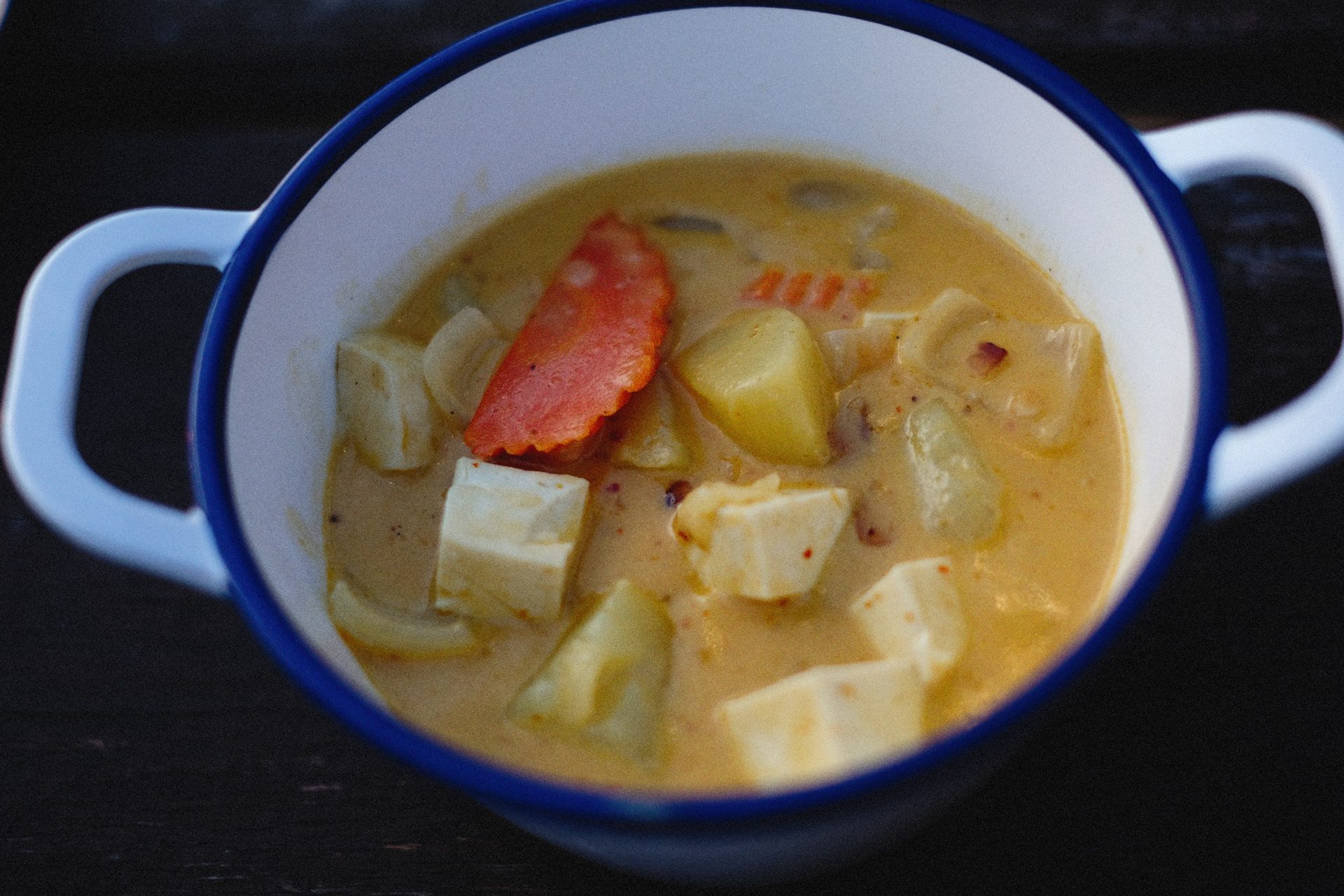
Tofu curry is one of those dishes that practically begs to be made in big batches. It’s hearty, packed with flavor, and gets even better as the spices meld overnight — so it makes perfect sense to cook a large pot and save the rest for later. But if your fridge is already full, or you want meals ready weeks from now, the freezer is the obvious next step.
The good news: you can freeze tofu curry. It’s a great way to prevent leftovers from going to waste, and the only difference you may notice after freezing is that the tofu is a little softer than before. Whether you’re meal prepping for a busy week or just trying to stretch a Sunday cook session, freezing tofu curry is straightforward once you know the right steps.
Can You Freeze Tofu Curry?
Yes, you can freeze cooked tofu curry. Freezing is a great way to preserve the freshness of your meal, and the freezing process maintains most of the flavors and textures, allowing you to enjoy the dish later without significant loss in quality.
Tofu that is part of a larger dish like a curry, stew, or stir-fry with a sauce freezes quite well. The sauce helps protect the tofu from drying out. That’s actually one reason tofu curry is a better candidate for the freezer than plain tofu on its own — the surrounding sauce acts as a buffer against freezer damage.
It’s worth noting that while the main ingredients can freeze well, some additional components like vegetables might become softer when thawed. If your curry includes delicate greens like spinach or thin-sliced zucchini, expect those to soften more than the tofu or sauce. That’s a minor trade-off for the convenience of a ready-made meal waiting in your freezer.
Pro Tip: Firm and extra-firm tofu hold up best in the freezer. If you’re planning to freeze your curry, use firm tofu when cooking it — the texture survives the freeze-thaw cycle better than soft or silken varieties.
Does Freezing Change the Texture or Taste of Tofu Curry?
Freezing does change the tofu’s texture, but whether that change is a problem depends on what you expect. The act of freezing completely alters the cellular structure of tofu. Because tofu is about 85% water, its protein structure expands in the freezer as ice crystals begin to form. The tofu grows and bloats. When it’s thawed, the tofu turns to a porous sponge, which is great for mopping up sauces.
Once thawed, the ice melts and leaves behind tiny holes that give tofu a sponge-like texture. These pores allow sauces and marinades to soak in more easily, which is why frozen tofu often tastes more flavorful. The freeze-thaw process also makes tofu firmer and chewier, which many people prefer in savory dishes.
In a curry context, this is mostly a good thing. The tofu soaks up more of the sauce and spices after thawing, which can actually deepen the overall flavor of the dish. Freezing tofu doesn’t significantly change its flavor. However, it enhances its ability to absorb marinades and seasonings, making it taste better in most recipes.
The one genuine downside: the only drawback to freezing tofu is that it will no longer retain its silky smooth texture and, generally speaking, it’s not as fragrant as freshly made tofu. If you made a curry with silken tofu for a creamy, custard-like bite, that texture won’t survive freezing. Silken and soft tofu aren’t the best choices for freezing. Their high water content and delicate nature can produce an overly spongy texture once thawed. These types are best used fresh in soups, smoothies, and desserts.
How to Freeze Tofu Curry the Right Way
Freezing tofu curry correctly takes only a few extra minutes and makes a real difference in quality when you go to reheat it. Follow these steps for the best results.
- Let it cool completely. After cooking, let your tofu curry cool down to room temperature. Never place hot food directly into the freezer, as this can cause temperature fluctuations that may affect the quality of other stored food. If you made a large batch, spread it into shallow containers or baking trays to speed up cooling.
- Divide into portions. Divide the curry into meal-sized portions. This makes it easier to thaw only what you need later on. Single-serve containers work well for weekday lunches; larger portions suit family dinners.
- Choose the right containers. Use airtight freezer-safe containers or heavy-duty freezer bags. If using bags, remove as much air as possible before sealing to prevent freezer burn. Flat freezer bags are especially handy because they stack easily and thaw faster.
- Keep the sauce thick. When you freeze tofu inside a sauce, try to keep that sauce fairly thick. Thin broths can separate during freezing and thawing, which leaves a watery ring around the tofu. A sauce built from tomato paste, nut butter, miso, or coconut milk usually holds up better.
- Label and date everything. Clearly label each container or bag with the name of the dish and the date you froze it. This will help you manage your frozen foods and ensure you use them within a reasonable timeframe.
Pro Tip: If your sauce looks split after reheating, whisk in a spoonful of starch slurry or a bit of plant-based cream to pull it back together. A splash of coconut milk also works well for most tofu curry styles.
How Long Can You Freeze Tofu Curry?
Tofu curry can be kept in the freezer for around four months. Any longer and the texture may start to deteriorate, although it will remain perfectly safe to eat. For cooked curry specifically, many sources suggest a slightly tighter window for peak quality.
According to Well Plated, freeze curry in an airtight, freezer-safe storage container for up to 3 months. That 3-month mark is a practical target to aim for — the curry will still be safe beyond that point, but flavor and texture tend to fade. The risk isn’t spoilage in the traditional sense (bacterial growth is halted at freezing temperatures), but rather a decline in quality. The longer it sits, the more likely it is to develop freezer burn and a less pleasant, overly dry texture.
| Storage Method | Recommended Timeframe | Quality Notes |
|---|---|---|
| Refrigerator (cooked) | Up to 4 days | Best texture; sauce may thicken |
| Freezer (cooked curry) | Up to 3 months (best quality) | Tofu softens slightly; sauce may need stirring |
| Freezer (beyond 3–4 months) | Safe but quality declines | Risk of freezer burn; texture may suffer |
How to Thaw Frozen Tofu Curry
How you thaw your curry matters as much as how you froze it. The goal is to bring the temperature up gradually and safely, without spending too long in the temperature range where bacteria can multiply.
Defrosting your tofu curry should ideally be done in the fridge overnight. This stops the curry from spending too long in the danger zone where bacteria can start to breed, which can happen when food is thawed on the countertop. Move the container from the freezer to the fridge the night before you plan to eat it. A pack of tofu cubes or a saucy tofu curry often needs eight to twenty-four hours to thaw this way, depending on size.
If you’re short on time, you have a couple of faster options:
- Stovetop from frozen: Place the frozen curry in a saucepan over low heat, adding a splash of water or vegetable broth to prevent it from sticking and to ensure it heats evenly. Stir the curry occasionally as it warms up, which will help break it apart and distribute heat throughout the dish.
- Microwave: The quickest and easiest way to reheat tofu curry is in the microwave. Cover your dish with cling film before reheating to prevent getting a curry splattered microwave, and always ensure the curry is piping hot before serving.
- Cold water bath: Set a sealed freezer bag of tofu in a bowl of cold water, changing the water every thirty minutes until thawed, then reheat promptly.
When reheating, add a few splashes of plant-based milk to add more moisture, and finish with some fresh lemon juice. This helps revive the sauce and brightens the flavors after freezing. You can also stir in a spoonful of fresh coconut milk or a pinch of the original spices to refresh the dish.
Can You Refreeze Tofu Curry After Thawing?
Refreezing thawed tofu curry is not a good idea. Refreezing tofu that has already been frozen and thawed will cause a further breakdown of its protein structure. The result is often a very tough, dry, and stringy product. It’s also a food safety gray area, especially if it was thawed at room temperature.
It’s not recommended to refreeze tofu once it has been thawed. If you cook it, you can freeze it again. That’s the important exception: if you thaw your frozen curry, reheat it thoroughly, and then want to freeze the leftovers again, that’s generally acceptable — because the cooking step in between kills any bacteria that may have developed during thawing.
The best way to avoid this situation entirely is to freeze your curry in individual or family-sized portions from the start. Freeze in the portion sizes you would usually use, but remember that if freezing enough curry for four people in one container, it will take much longer to defrost. Smaller portions give you more flexibility and eliminate the need to refreeze.
Pro Tip: When in doubt, only thaw what you know you’ll eat. Pulling out a single-serve portion takes seconds, and it means you never have to decide whether refreezing is worth the risk.
How to Use Frozen Tofu Curry (Best Uses After Freezing)
Thawed tofu curry is more than just a reheated leftover — its changed texture actually opens up some useful ways to repurpose it. Thick curries and stews freeze nicely, though you may want to add fresh herbs or a splash of coconut milk after reheating to liven them up.
Here are some of the best ways to use your thawed tofu curry:
- Serve over rice or grains: The classic move. The saucier texture of thawed curry works especially well spooned over brown rice, basmati, or quinoa. You can learn more about whole plant-based foods that pair well with dishes like tofu curry.
- Use as a grain bowl base: Spoon the curry over farro or cauliflower rice, then top with fresh cilantro, a squeeze of lime, and sliced avocado to add texture the frozen curry may have lost.
- Stuff into wraps or flatbreads: Thickened tofu curry makes an excellent filling for naan wraps or whole-wheat tortillas. Add shredded cabbage or fresh greens for crunch.
- Turn it into a soup: Add vegetable broth, a can of chickpeas, and extra spinach to stretch the curry into a hearty soup. The tofu’s spongy texture after freezing works well here since it soaks up the broth.
- Top a baked potato: A popular weeknight shortcut in American kitchens — spoon the reheated curry over a baked russet potato for a filling, protein-rich meal.
Cut the tofu into pieces and let it simmer in a soup, stew, or anything saucy to let it soak up the flavor. This is especially useful when you want to revive a curry that’s thickened too much in the freezer — just add liquid and let it simmer gently.
If you enjoy tofu for its health benefits, it pairs well with other superfoods for a healthy heart, and it’s worth exploring how plant proteins like tofu fit into a broader diet rich in cancer-fighting nutrients.
Signs That Frozen Tofu Curry Has Gone Bad
Frozen food doesn’t spoil the same way refrigerated food does, but quality can still degrade — and in some cases, the curry can genuinely go bad if it was stored improperly or thawed unsafely. Here’s what to look for before you reheat.
Freezer burn: Dry, white patches are classic freezer burn — it’s where the tofu has dehydrated. While you can trim these spots off, extensive freezer burn means the entire block will be tough and dry. A few small patches are tolerable; widespread freezer burn usually means the quality has dropped too far to be worth eating.
Excessive ice crystals: A few small crystals are normal. But if the tofu is encased in a thick layer of ice, it suggests temperature fluctuations or poor packaging, leading to moisture loss. This often happens when a freezer has been opened frequently or when the power has briefly gone out.
Off smells after thawing: Tofu is a champion at absorbing odors. If it was stored near fish or other pungent foods without being sealed properly, it might take on those smells. If it smells off after thawing, it’s best to toss it. Fresh tofu curry should smell like its spices — cumin, turmeric, ginger, garam masala — not sour or rancid.
Visible spoilage signs: Spoiled tofu tends to have a darker color of tan or even brown. Mold may form on the surface, or you may see discoloration. Tofu that has gone bad also tends to be slimy and have a sour or rotten odor — fresh tofu has no odor.
Note on color change: Don’t confuse spoilage with normal freezing effects. A color change from white to a pale yellow or light beige is a completely normal and expected part of the freezing process. This is due to oxidation and the concentration of soy proteins as water crystals form and separate. It is not a sign of spoilage.
When in doubt, trust your nose. If you’re not sure if your tofu has spoiled, as the old adage goes, “When in doubt, throw it out.” Tofu is inexpensive enough that the risk of eating spoiled food isn’t worth it.
For more on how to support your health through smart food choices, check out this guide to foods for healthy skin and this overview of foods that support liver function.
Frequently Asked Questions
Can you freeze tofu curry with rice?
You can freeze tofu curry and rice together, although rice can go a little mushy after being frozen and then reheated. For better results, freeze the curry separately and cook fresh rice when you’re ready to eat.
Can you freeze tofu curry with coconut milk?
Yes. Coconut milk-based curries freeze well because the fat content helps stabilize the sauce. A sauce built from coconut milk usually holds up well through the freeze-thaw cycle. If the sauce separates slightly after reheating, just stir it vigorously or whisk in a small amount of fresh coconut milk.
Does tofu curry taste good after freezing?
Most people find it does. The freezing process maintains most of the flavors and textures, allowing you to enjoy the dish later without significant loss in quality. The spices in curry tend to hold up well, and the tofu’s improved ability to absorb sauce after freezing can actually make the dish taste more cohesive.
Can you freeze tofu curry that has already been in the fridge for a few days?
Yes, as long as the curry hasn’t been in the fridge for more than four days. Refrigerate curry in an airtight storage container for up to 4 days. If it’s within that window and still smells and looks fine, go ahead and freeze it. Don’t freeze curry that’s already showing signs of spoilage.
What type of tofu freezes best in curry?
Firm and extra-firm tofu freeze best because they hold their shape after thawing. Silken or soft tofu will become overly spongy and fall apart in the sauce, so those varieties are better used fresh.
How do you stop tofu curry from drying out in the freezer?
Use airtight freezer-safe containers or heavy-duty freezer bags, and if using bags, remove as much air as possible before sealing to prevent freezer burn. Keeping the curry in a generous amount of sauce also helps protect the tofu from drying out during storage. You can also explore more protein storage comparisons if you rotate between tofu and seafood in your weekly meals.