Can You Freeze Squash Casserole? Everything You Need to Know

November 3, 2026
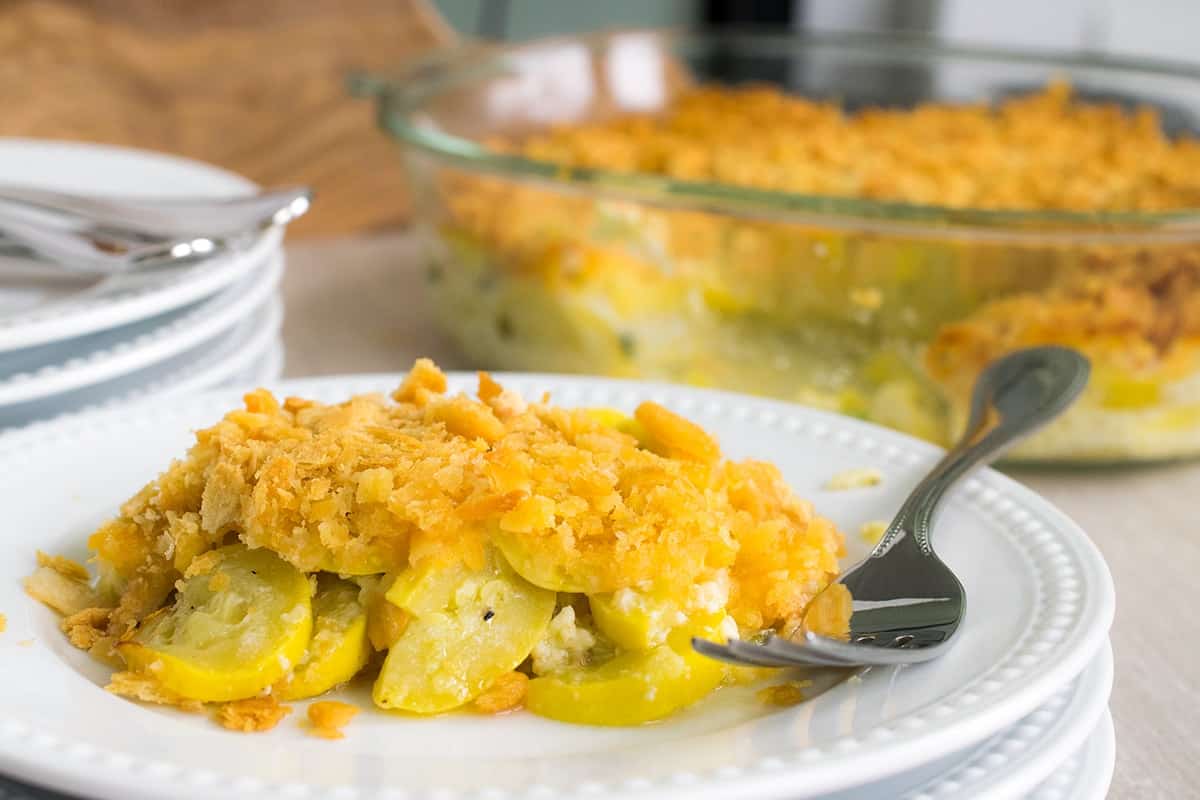
Squash casserole is one of those classic Southern comfort dishes that shows up at Thanksgiving tables, summer potlucks, and weeknight dinners all across the United States. Whether you made a double batch from your garden haul or have leftovers from a holiday meal, you may be wondering if you can freeze squash casserole and still enjoy it later.
The short answer is yes — squash casserole freezes well, and with a few smart steps, you can pull it out weeks later and have it taste nearly as good as the day you made it. This guide covers everything from the best time to freeze it, how long it lasts, how to thaw it safely, and what to watch for if something goes wrong.
Can You Freeze Squash Casserole?
You can absolutely freeze squash casserole, but most experienced cooks recommend freezing it before baking rather than after. If you freeze it after cooking and later try to reheat it, it can turn into a mushy mess. That said, freezing leftovers after baking is still possible if you handle it correctly.
Yellow squash casserole takes well to being frozen and is a great way to save fresh summer squash for the winter months ahead. You can freeze it before or after baking — this is the perfect way to get a big head start on side dishes too.
The key difference is that an unbaked casserole retains much better texture after reheating, while a baked and frozen casserole may be slightly softer. Both options work — you just need to know what to expect from each.
Pro Tip: If you are making squash casserole specifically for the freezer, skip the cracker or breadcrumb topping entirely. Add it fresh right before baking for the best crunch.
Does Freezing Change the Texture or Taste of Squash Casserole?
Squash is a naturally high-moisture vegetable, and that water content is the main reason freezing affects its texture. When squash freezes, ice crystals form inside the cells. When it thaws, those cells release extra moisture, which can make the casserole watery or soft if you are not careful.
If you freeze squash casserole after it has already been cooked, all the ingredients start to meld together during freezing and reheating, which is not very pretty or appetizing. Freezing before baking largely avoids this issue because the casserole goes through its structural baking process after thawing.
One thing to know upfront: the buttery cracker topping will not be as crisp as the first bake, even when you add it fresh after thawing. This is normal and does not affect the flavor of the filling. The topping will lose some of its crunch, but it will still taste good — and you can always add more crackers if you like.
The flavor of the casserole itself holds up very well in the freezer. The cheese, squash, and creamy filling all freeze without significant flavor loss when properly wrapped and stored within the recommended window.
How to Freeze Squash Casserole the Right Way
Getting the best results from frozen squash casserole comes down to preparation, packaging, and timing. Follow these steps whether you are freezing it before or after baking.
Freezing Before Baking (Recommended)
- Drain the squash well. Squash is a watery vegetable. To prevent a watery casserole, sauté the squash rather than boiling it, stir frequently to promote moisture release, then place it in a fine mesh colander or strainer lined with a towel and let it drain for at least 5 minutes.
- Assemble without the topping. Leave off any toppings. If your recipe includes breadcrumbs or cheese on top, it is best to leave them off for now. You can add them before baking the casserole after it has thawed.
- Cool to room temperature. Allow the unbaked squash casserole to cool down to room temperature before sealing. Since you sauté the squash first, this step is important to avoid condensation inside the container and a soggy, watery casserole.
- Use a freezer-safe dish. Not all casserole dishes are created equal when it comes to freezing. Opt for a baking dish that is a freezer-safe container and can withstand temperature changes without cracking. Make sure it has a secure lid or can be tightly covered with aluminum foil to prevent freezer burn.
- Wrap tightly. Wrap each portion tightly with plastic wrap, ensuring there are no gaps where air can seep in. Follow this with a layer of aluminum foil for an extra barrier against freezer odors and freezer burn.
- Label with the date. Avoid the mystery of freezer leftovers by labeling your wrapped portions with the date of preparation and any specific instructions for reheating.
Freezing After Baking
To extend the lifespan of casserole leftovers, you can also freeze the casserole after it has been baked. Be sure that the squash casserole has cooled down before wrapping the baking dish in plastic wrap. Thaw it in the fridge overnight before reheating it in the oven and serving.
For individual portions, allow the casserole to cool before storing in the fridge or freezer, and cut into individual portions before freezing if desired. This makes it much easier to reheat only what you need without thawing the whole dish.
Pro Tip: Aluminum disposable pans work great for freezer casseroles. They go from freezer directly to oven without the risk of cracking, and you do not have to tie up your good baking dishes.
How Long Can You Freeze Squash Casserole?
Storage times vary slightly depending on the recipe and whether the casserole was baked before freezing. Here is a quick breakdown of what different sources recommend:
| Casserole Type | Recommended Freezer Time |
|---|---|
| Unbaked squash casserole | 2–4 months |
| Baked squash casserole (leftovers) | 2–3 months |
| Spaghetti squash casserole | Up to 6 months |
If you assemble the casserole and cover the pan with plastic wrap and aluminum foil, you can store it in the freezer for up to four months. For baked leftovers, freeze a squash casserole for up to 3 months for the best quality. Frozen spaghetti squash will retain its best quality in the freezer for about six months.
It is worth noting that according to the USDA Food Safety and Inspection Service , because freezing keeps food safe almost indefinitely, recommended storage times are for quality only. Food stored beyond these windows is generally still safe, but texture and flavor will decline. If you want to learn more about how different foods interact with your body and overall health, check out this guide to whole plant-based foods.
How to Thaw Frozen Squash Casserole
Thawing squash casserole properly protects both its texture and your food safety. The refrigerator method is always the best choice.
- Refrigerator (recommended): Transfer the wrapped portion to the refrigerator and let it thaw overnight. This gradual thawing process helps retain the dish’s texture and flavors.
- Bake from frozen: The casserole can be baked from frozen or thawed — whatever works for your schedule. Just expect it to need more time in the oven, typically an additional 15–20 minutes beyond the standard bake time.
- Microwave (for baked leftovers): If you are reheating a single portion of a previously baked casserole, thaw overnight in the refrigerator and reheat individual portions in a saucepan over medium heat, covered. Or reheat the entire casserole covered at 350 degrees F until warmed through, about 20 minutes. Microwaving works, too.
Important Note: According to the FDA, “Never thaw food at room temperature, such as on the counter top. Food must be kept at a safe temperature during thawing.” Always thaw squash casserole in the refrigerator, not on the kitchen counter.
Once the casserole is thawed, unwrap it and place it in a preheated 350-degree oven for about 20 minutes. When the casserole is piping hot, you will know it is ready. For an unbaked casserole, add your cracker topping at this point, then bake as the original recipe directs.
Can You Refreeze Squash Casserole After Thawing?
Refreezing squash casserole is not recommended. The University of Minnesota Extension advises that you should not refreeze casseroles, pot pies, frozen dinners, or pizzas. This is primarily a quality issue — squash already softens during the first freeze-thaw cycle, and a second round makes the texture noticeably worse.
From a safety standpoint, if food is completely thawed, warmed to room temperature, or left out of the refrigerator for more than 2 hours, you should throw the food out for safety’s sake. These principles apply to meat, poultry, shellfish, some vegetables, and cooked foods.
The best way to avoid wasting a casserole is to freeze it in individual portions before the first freeze. That way, you only thaw what you plan to eat. This approach also works well for other dishes — if you enjoy cooking in batches, explore some nutrient-rich foods that also store well for meal prepping throughout the week.
How to Use Frozen Squash Casserole (Best Uses After Freezing)
Once you have thawed your squash casserole, you have more options than just reheating the whole dish. Here are several ways to use it, especially if the texture has softened a bit after freezing.
- Reheat as a side dish: The most straightforward option. Bake at 350°F until hot and bubbly, add fresh cracker topping, and serve alongside grilled chicken, pork chops, or a holiday roast.
- Stir into pasta: Mix thawed squash casserole with some cooked pasta for a quick and easy dinner dish. The creamy filling acts as a sauce.
- Use as a breakfast base: Create a warm breakfast bowl by stirring leftover squash casserole into a soft cooked egg mixture and top with crumbled cooked bacon or sausage crumbles.
- Pack for lunch: Pack it up in a container to take as lunch to work or school — enjoy as is, or add in some diced chicken, ham, or shrimp for added protein.
- Add to soups or stews: If the texture is too soft for serving as a standalone side, stir it into a vegetable soup or stew where the softness blends right in.
Squash is also a nutritious vegetable worth incorporating into your regular diet beyond just casseroles. If you are interested in how food choices affect your overall health, take a look at this guide to superfoods for a healthy heart or this resource on nutrients and foods that fight cancer.
Signs That Frozen Squash Casserole Has Gone Bad
Even with proper storage, frozen squash casserole can go bad — especially if it was stored too long, improperly wrapped, or exposed to temperature fluctuations. Here is what to look for before you reheat it.
| Warning Sign | What It Means | What to Do |
|---|---|---|
| Sour or off smell | Bacterial growth or spoilage | Discard immediately |
| Visible mold | Spoilage | Discard immediately |
| Grayish or dull color | Freezer burn or over-storage | Trim affected areas or discard |
| Icy crystals throughout | Possible partial thaw and refreeze | Check smell and color before using |
| Slimy texture after thawing | Cell breakdown or spoilage | Discard |
You can typically tell if squash casserole has gone bad by checking for mold or a sour smell. If it smells okay and does not have any mold, then it is probably still safe to eat. When in doubt, throw it out — the risk is not worth it.
The dulling of color in frozen vegetables and cooked foods is usually the result of excessive drying due to improper packaging or over-lengthy storage. This is cosmetic and not necessarily a safety issue, but it does signal that quality has declined. Freezer burn is a common factor as to why food may go bad while in the freezer. It occurs primarily when too much air reaches the products, which ends up drying them out and damaging them.
To avoid freezer burn in the first place, always use a double layer of wrapping — plastic wrap followed by aluminum foil — and make sure there is as little air as possible inside the package. Store all foods at 0°F or lower to retain vitamin content, color, flavor, and texture. Keeping an appliance thermometer in your freezer is a simple way to verify the temperature stays consistent. You might also find it useful to explore foods that support liver function and other health-focused guides on Homequirer.
Frequently Asked Questions
Can You Freeze Yellow Squash Casserole?
Yes. Yellow squash casserole is one of the most popular varieties to freeze, especially when summer gardens produce more squash than you can use at once. Follow the steps above — drain the squash well, skip the cracker topping, and freeze in a tightly wrapped, freezer-safe container for up to 3 months.
Can You Freeze Spaghetti Squash Casserole?
Spaghetti squash casserole can be frozen for future use for up to 6 months. For the best texture, slightly undercook the squash before assembling the casserole, because the squash will go through a second heating after being frozen and you do not want it to be mushy after the final heating.
Can You Freeze Squash Casserole with Cheese?
Yes, you can freeze squash casserole with cheese. However, keep in mind that cheese can sometimes change in texture when frozen, so it is best to consume the dish within 2–3 months. Hard cheeses like cheddar and Parmesan tend to hold up better than soft cheeses.
How Long Does Squash Casserole Last in the Fridge?
Stored covered in the fridge, a baked squash casserole will last from 4 to 6 days. According to the USDA FSIS , cooked casseroles made with squash can last for 3–4 days in the fridge. If you are not going to eat it within that window, freeze it right away for the best results.
Can You Make Squash Casserole Ahead of Time and Freeze It?
Yes, and this is actually the recommended approach. This casserole can be made up to 4 days in advance and kept in the fridge, or kept in the freezer for several months. Many home cooks make squash casseroles in the summer and freeze them for Thanksgiving. Assemble the casserole without the topping, wrap it tightly, and freeze. Thaw overnight in the refrigerator, add the cracker topping, and bake as directed.
Does Squash Casserole Freeze Well Compared to Other Casseroles?
It freezes reasonably well, especially when frozen before baking. The main challenge is squash’s high water content, which can make the filling slightly softer after thawing. Draining the squash thoroughly before assembling the casserole is the single most important step for maintaining good texture. Compared to pasta-based casseroles, squash casseroles are more prone to texture changes — but with proper prep, the results are still very satisfying. For more food storage and health-related reading, check out Homequirer’s guide to fibroid healing foods and tips on foods that promote healthy eyesight.