
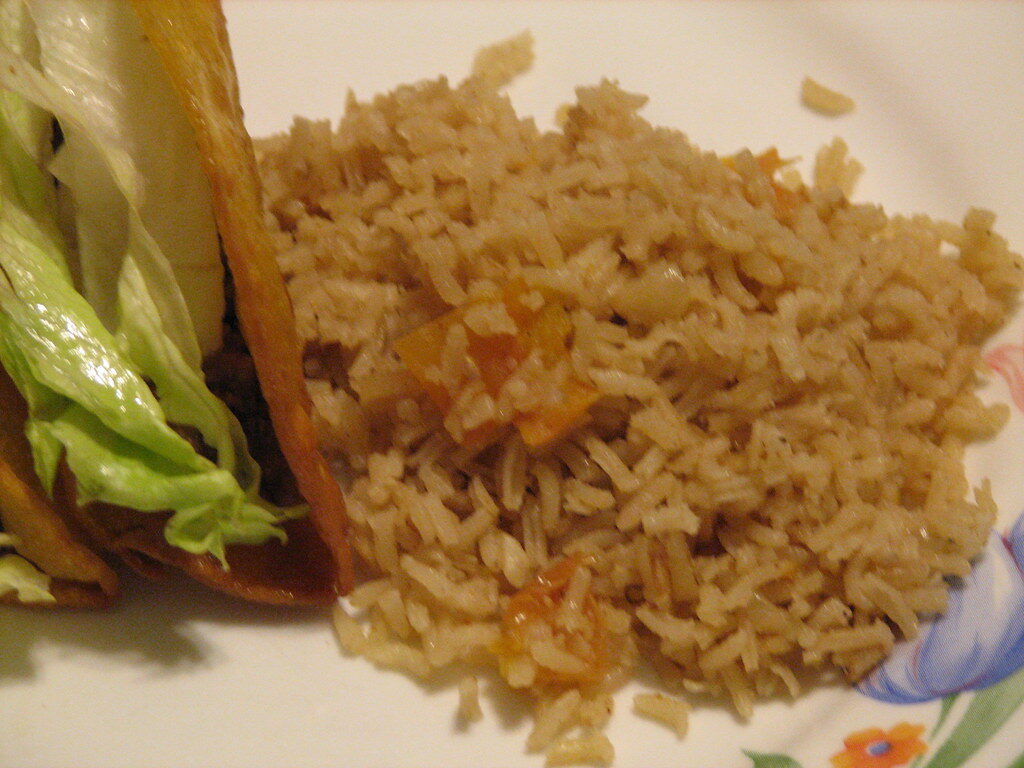
Mexican rice is one of those dishes that practically begs to be made in large batches. Whether you cooked a full pot for a weeknight dinner, prepped it alongside classic Mexican street foods, or simply overestimated how much the family would eat, you are probably wondering what to do with the leftovers. The good news: freezing Mexican rice is not only possible — it works remarkably well when done correctly.
This guide walks you through every step of the process, from packing and freezing to thawing and reheating, so none of that flavorful rice goes to waste. You will also find food safety tips, storage timelines, and the best ways to use frozen Mexican rice once it comes out of the freezer.
Can You Freeze Mexican Rice?
Whether it is cooked white rice, brown rice, Mexican rice, or Spanish rice, all can be frozen — and cooked rice freezes and thaws easily. So if you have a container of leftover arroz rojo sitting in the fridge, the freezer is your best friend.
You can easily freeze cooked rice, which is great if you have made too much or got a surplus delivered with your takeout. You can even freeze rice that has other ingredients mixed in, including veggies or meat. That means your Mexican rice — tomatoes, onion, garlic, and all — freezes just fine as a complete dish.
Freezing rice shortly after it has been cooked is a must. Rice can contain a bacteria called Bacillus cereus, which can survive the cooking process and may lead to food poisoning. Since the bacteria thrive at room temperature, cooling rice as soon as possible after cooking is the safest policy. The key is acting quickly — do not leave cooked rice sitting out for more than two hours before refrigerating or freezing it.
Pro Tip: If your kitchen is particularly warm (above 90°F), move the rice to the fridge or freezer within one hour of cooking. Heat accelerates bacterial growth in cooked rice faster than most people expect.
Does Freezing Change the Texture or Taste of Mexican Rice?
Freezing does affect Mexican rice to some degree, but the changes are manageable — especially if you follow proper storage and reheating techniques. It is perfectly safe to freeze cooked rice, but the texture will change after it has been frozen, as the food does not hold up upon reheating. This is because the cell walls of rice break down upon thawing, causing your perfectly cooked, fluffy rice to take on a slightly mushy texture.
While freezing is superior to refrigeration for long-term storage, frozen rice may lose a slight amount of moisture, resulting in a firmer texture upon reheating. To counteract this, add a tablespoon of water per cup of rice before reheating, and fluff with a fork to restore its original consistency.
The flavor of Mexican rice holds up well in the freezer. The tomato base, cumin, and garlic notes all remain intact. Frozen rice can be kept in the freezer for up to 6 months and still be tasty. After that it loses flavor and dries out, but won’t be unsafe to eat. For the best eating experience, aim to use your frozen Mexican rice within the first one to three months.
How to Freeze Mexican Rice the Right Way
Proper technique makes a real difference in how well your Mexican rice survives the freezer. Follow these steps to get the best results.
- Cool the rice quickly. Spread the cooked rice in a thin layer on a baking sheet to help it cool faster. Let it reach room temperature, but do not leave it out for more than 2 hours for food safety.
- Fluff and portion. Fluff the cooked rice very well with a fork to separate the grains. You can freeze a batch of rice in one container, but it can be handy to freeze individual servings (about 1/2 cup of cooked rice) so you only have to thaw as much rice as you need.
- Pack it airtight. Use a container that does not leave a lot of empty space above the rice, as that can lead to freezer burn. Freezer-friendly zip-lock bags work well, or silicone cube storage containers.
- Remove excess air. Gently flatten the rice and push as much air out of the bag as possible. Stacking flat bags saves room in the freezer.
- Label everything. Label the package with the date to make it easy to track how soon you should eat it.
- Freeze promptly. Place the containers or bags in the freezer as soon as possible after portioning. This will help prevent the rice from losing its texture and flavor.
Pro Tip: If freezing rice in Tupperware or glass freezer containers, press a square of plastic wrap directly onto the surface of the rice before securing the lid on top. This prevents any air in the container from coming in direct contact with the rice and subsequently causing freezer burn.
How Long Can You Freeze Mexican Rice?
Storage timelines for frozen Mexican rice vary depending on the source, but most food experts agree on a practical window for best quality. Cooked rice should be consumed within 3–6 months for optimal taste and texture. That said, food stored constantly at 0°F will always be safe — the question is really about quality, not safety.
| Storage Method | Recommended Timeframe | Quality Notes |
|---|---|---|
| Refrigerator | 3–4 days | Best texture; use quickly |
| Freezer (best quality) | 1–3 months | Fluffy, flavorful, minimal dryness |
| Freezer (acceptable quality) | Up to 6 months | May dry out; add water when reheating |
| Freezer (safe but declining) | Beyond 6 months | Loss of flavor and texture; still safe at 0°F |
While some sources suggest that you can freeze cooked rice for up to six months without it becoming unsafe to eat, the quality diminishes over time. For dishes like rice casseroles, a shorter time frame of up to three months is recommended to maintain the best texture and flavor. Since Mexican rice is a seasoned dish with tomato and broth, treating it more like a casserole and aiming for the 1–3 month window is a smart move.
How to Thaw Frozen Mexican Rice
One of the best things about frozen Mexican rice is that you have several reliable options for thawing and reheating it — including skipping the thaw step entirely.
Option 1: Reheat Directly from Frozen (Fastest)
You can reheat cooked, frozen rice directly from the frozen state in the microwave. Break your block of frozen rice into chunks and place them in a microwave-safe bowl or dish. Add 1 tablespoon of water per cup of rice. Cover loosely with a microwave-safe lid or damp paper towel. Microwave on high for 1–2 minutes, stirring halfway. Rice should be steaming hot throughout (165°F / 74°C internal temperature).
Option 2: Thaw in the Refrigerator (Safest)
Place the frozen rice in the refrigerator overnight. This is the safest and most controlled method, as it allows the rice to thaw gradually. Use within 24 hours of thawing.
Option 3: Stovetop Reheat
Heat the rice in a skillet over medium heat, stirring frequently, until it is warmed through. Add a splash of chicken broth or water to the pan to restore moisture and keep the rice from sticking. This method works especially well if you want to crisp the bottom slightly — a nice bonus with Mexican rice.
Important Note: Avoid leaving rice at room temperature during thawing. Thawing on the counter puts cooked rice back in the bacterial danger zone. Always thaw in the refrigerator or reheat directly from frozen.
Can You Refreeze Mexican Rice After Thawing?
This is a short answer with an important reason behind it: no, you should not refreeze Mexican rice after it has been thawed.
Freezing to 0°F inactivates any microbes — bacteria, yeasts, and molds — present in food. Once thawed, however, these microbes can again become active, multiplying under the right conditions to levels that can lead to foodborne illness. Since they will then grow at about the same rate as microorganisms on fresh food, you must handle thawed items as you would any perishable food.
It is not recommended to re-freeze rice that has already been frozen and thawed. Beyond the safety concern, a second freeze-thaw cycle will further break down the grain structure, leaving you with mushy, unappetizing rice. It is best to avoid reheating rice more than once. Repeated reheating can create the conditions needed for bacteria to grow. If you have any leftovers after reheating, throw them away.
The best way to avoid this situation is to freeze Mexican rice in individual or meal-sized portions from the start, so you only thaw exactly what you need each time.
How to Use Frozen Mexican Rice (Best Uses After Freezing)
Frozen Mexican rice is more versatile than you might think. While it works perfectly as a reheated side dish alongside traditional Mexican Christmas foods or a Mexican Thanksgiving spread, it also shines as an ingredient in quick weeknight meals.
- Burrito filling: Frozen Mexican rice reheats in minutes and makes a hearty base for burritos, burrito bowls, or loaded wraps alongside beans, grilled chicken, and salsa.
- Stuffed peppers: You can use frozen rice in soups, stews, stuffed peppers, Mexican burritos, fried rice, rice cereal, and any other recipe that calls for it already cooked.
- Rice and beans: Stir thawed Mexican rice into a pot of black or pinto beans for an easy, protein-rich meal that comes together in under 10 minutes.
- Soup base: Drop frozen rice cubes directly into simmering chicken or vegetable broth for an instant tortilla soup or chicken rice soup.
- Casseroles: Freezing rice casseroles and other rice dishes is as easy as freezing plain cooked rice. Baked rice casseroles with meat, vegetables, or cheese can easily be frozen. Thaw and layer into enchilada casseroles or baked dishes.
- Quesadilla filler: Spread a thin layer of reheated Mexican rice inside a flour tortilla with cheese and cook in a skillet — a fast, filling lunch.
Pro Tip: When using frozen Mexican rice in soups or stews, there is no need to thaw it first. Drop the frozen portions directly into your simmering pot and stir. The rice will heat through in just a few minutes and absorb the surrounding flavors beautifully.
Signs That Frozen Mexican Rice Has Gone Bad
Even in the freezer, Mexican rice can degrade in quality — and in some cases, become unsafe to eat. Knowing what to look for before you reheat a batch can save you from a disappointing or potentially harmful meal.
In the freezer, time works differently. Cooked rice kept at 0°F (−18°C) stays safe for months because bacteria cannot grow at that temperature. Texture slowly dries out, so most cooks like to use frozen rice within three to four months for best quality.
Watch for these warning signs before reheating:
- Off smell: Fresh cooked rice has a neutral, slightly starchy smell. Spoiled rice develops a sour, musty, or “off” odor. Any unpleasant smell is a reason to discard.
- Slimy or sticky texture: A sticky or slimy coating on the rice grains that was not there when freshly cooked is a clear sign of spoilage.
- Visible mold: Any fuzzy growth of any color means discard the entire container.
- Unusual discoloration: Yellowing, grayish cast, or any discoloration beyond the normal color of the rice variety signals that the rice has turned.
- Severe freezer burn: Even well-packaged rice can develop freezer burn or become dry over time. Heavy freezer burn — large white or gray patches with a dried, leathery look — means the rice has lost too much moisture to be worth eating, even if it is technically safe.
- Time past storage window: Cooked rice contaminated with B. cereus toxins often shows no visible or olfactory signs of spoilage. The rice can look normal, smell normal, and taste normal while containing toxin levels sufficient to cause illness. This is why the time rules matter more than the sensory checks for rice. If your frozen Mexican rice has been in the freezer well beyond six months, discard it regardless of how it looks.
For guidance on building a broader healthy eating routine around nutrient-rich foods, check out this resource on whole plant-based foods or explore superfoods for healthy skin to round out your meal planning.
Frequently Asked Questions
Can You Freeze Mexican Rice with Vegetables Mixed In?
Yes, rice can be frozen with other ingredients such as vegetables and meats. Ensure all components are properly cooked and cooled before freezing. Keep in mind that softer vegetables like zucchini may become slightly mushier after thawing, while firmer ones like corn and peas hold up well.
How Do You Reheat Mexican Rice Without Drying It Out?
To reheat Mexican rice without drying it out, add a splash of water or broth to the pan or microwave. Stir the rice frequently to ensure even heating. Covering the bowl with a damp paper towel in the microwave traps steam and keeps the grains moist.
Can You Freeze Uncooked Mexican Rice?
Although dried rice is shelf-stable for a long period of time, you can freeze uncooked rice for even longer storage, according to the U.S. Rice Federation. However, this is generally unnecessary for white rice since it already keeps well in a cool, dry pantry for an extended period.
How Long Does Mexican Rice Last in the Fridge Before Freezing?
Leftover rice is only safe to store in the refrigerator for four days, and it will keep far longer in the freezer. If you know you will not eat the rice within that window, freeze it on the first or second day for the best quality and safety.
Does Freezing Mexican Rice Change the Flavor of the Tomatoes or Spices?
The tomato base and spices in Mexican rice freeze well and retain most of their flavor. The bigger concern is texture — the rice grains themselves can dry out or soften slightly. Adding a small splash of tomato sauce or chicken broth when reheating can refresh both the moisture and the seasoning in one step.
Is It Safe to Eat Mexican Rice That Has Been Frozen for Several Months?
According to the USDA, as long as frozen food is kept at 0°F in the freezer, it is safe to consume for an indefinite amount of time. That said, quality — especially texture and flavor — declines noticeably beyond the 3–6 month mark. Use the USDA Food Safety and Inspection Service guidelines as your baseline for safe food handling decisions.
Can You Freeze Spanish Rice the Same Way as Mexican Rice?
Yes. Spanish rice freezes with the same notes as Mexican rice. Both are tomato-based, long-grain rice dishes that respond to freezing in nearly identical ways. Use the same cooling, portioning, and storage steps outlined in this guide for either variety.