Can You Freeze Vegan Cheese? (What Actually Happens and How to Do It Right)

October 29, 2026
Vegan cheese has earned a permanent spot in American plant-based kitchens, from shredded mozzarella on homemade pizza to sliced cheddar on a lunchtime sandwich. But what happens when you buy too much, catch a sale, or simply can’t finish a block before the best-by date creeps up? The obvious solution is the freezer — but does it actually work?
The short answer is yes. Vegan cheese can be frozen, although the process may have varying effects on its texture and taste, making it more suitable for cooking purposes rather than direct consumption after thawing. Knowing which types freeze well, how to package them correctly, and what to expect when you thaw them will save you both food and money.
Can You Freeze Vegan Cheese?
You can freeze vegan cheese, and it’s a convenient way to extend its shelf life. Freezing vegan cheese can help prevent it from spoiling and allows you to stock up on your favorite varieties. That said, not every type responds to freezing the same way.
Different types of vegan cheese — whether nut-based, soy-based, or coconut oil-based — react differently to freezing, so understanding the best practices can help you extend shelf life without compromising quality. The general rule is simple: harder cheeses freeze better than soft ones.
- Hard vegan cheeses (cheddar, parmesan, gruyere): Hard cheese is the best type to freeze, including vegan gruyere and cheddar. Since hard cheese has a more rigid texture, it’s more resilient to freezing temperatures and can often retain its original taste and texture more than softer cheese.
- Semi-soft vegan cheeses (mozzarella): Semi-soft vegan mozzarella will also survive in the freezer. However, once defrosted, the texture may get a little softer than it initially was.
- Vegan ricotta: Even a softer vegan cheese like vegan ricotta is fine to freeze. Vegan ricotta is typically made from a combination of nuts, coconut, and tofu. It can freeze pretty well, contrary to popular belief that soft cheeses can’t freeze well.
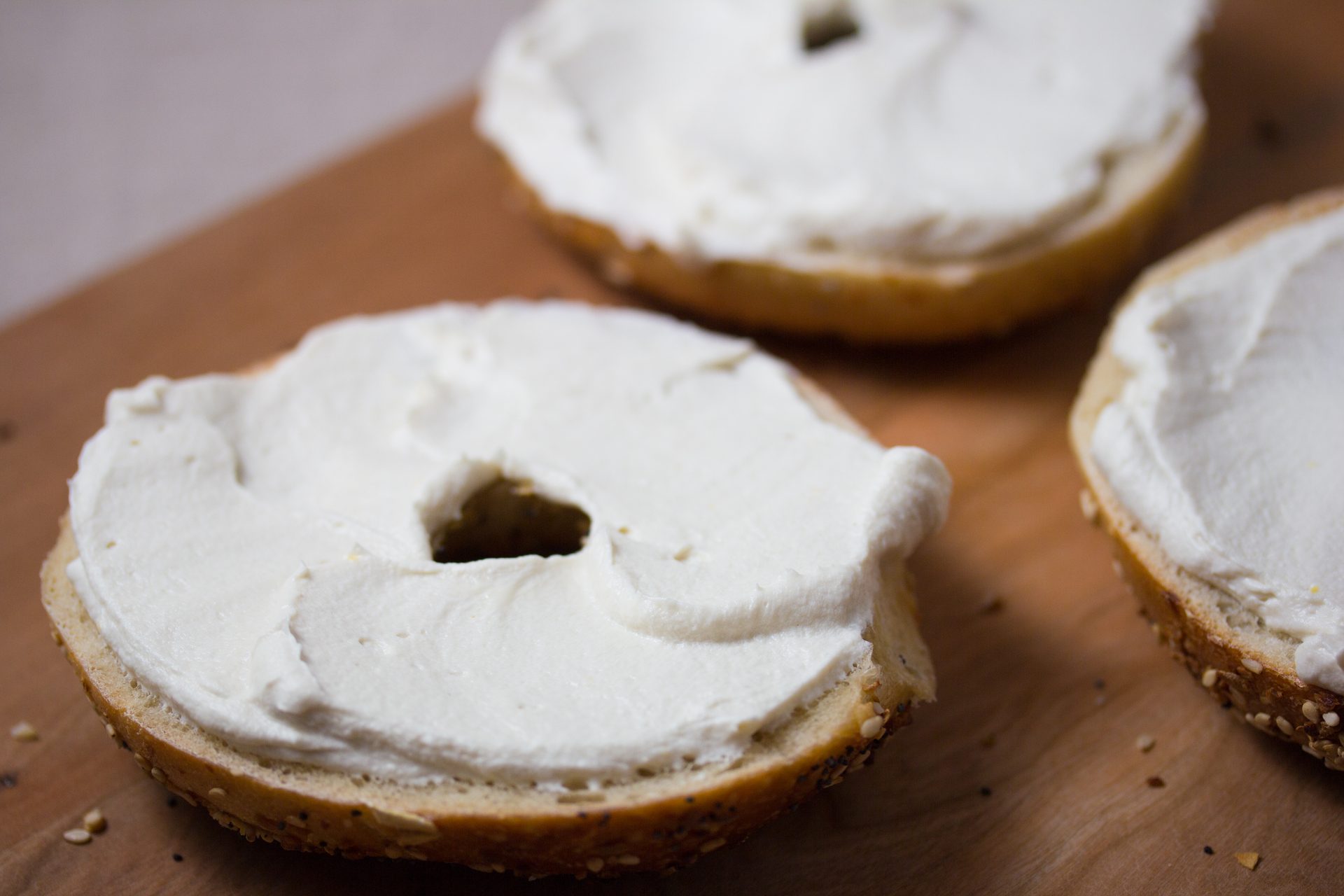
- Vegan cream cheese: The type of vegan cheese that isn’t so suitable for freezing is the softest of all — cream cheese. There aren’t any inherent risks in eating vegan cream cheese that’s been frozen and thawed. However, the changes in texture and taste may be too much for a pleasurable experience.
A lot of vegan cheese producers recommend that you freeze if you want to save their vegan cheese for a later date. Always check the product label first, as some brands include specific freezer guidance.
If you enjoy plant-based eating beyond just cheese, take a look at this guide to whole plant-based foods for a broader look at building a nutritious dairy-free kitchen.
Does Freezing Change the Texture or Taste of Vegan Cheese?
Freezing does change vegan cheese — that’s simply the reality. Understanding why it happens helps you manage expectations and plan how to use it after thawing.
When you freeze any food, the water inside it turns into ice crystals. This is the main event that affects texture. In vegan cheese, which is an emulsion of fats (from nuts or oils) and water (from plant milk), these ice crystals can push the fat and water molecules apart. This disruption creates pathways for water to escape upon thawing, leading to a watery or grainy texture.
The specific changes vary by base ingredient:
- Nut-based cheeses (cashew, almond): These tend to freeze well but may become crumbly or slightly grainy upon thawing. Stirring or blending after thawing can help restore creaminess.
- Soy-based cheeses: Generally freeze better than nut-based varieties, but some firmness loss and slight separation may occur.
- Coconut oil-based cheeses: These can become oily or separate after freezing due to the fat content; texture changes may be noticeable.
- Starch and tapioca-based cheeses: Often experience changes in stretchiness and firmness after freezing, sometimes becoming rubbery.
Defrosted cheese may taste less rich than before being put in the freezer. As far as texture is concerned, thawed vegan cheese is usually crumblier and more granular. The good news is that these changes are far less noticeable when the cheese is melted into a hot dish rather than eaten cold and fresh.
Pro Tip: If your thawed nut-based vegan cheese looks separated or grainy, don’t toss it. A quick whisk, blend, or gentle melt on the stovetop can often bring it back together.
How to Freeze Vegan Cheese the Right Way
How you freeze vegan cheese matters just as much as whether you freeze it. Follow these steps to get the best results.
- Portion before freezing. Before freezing, portion the cheese into sizes that you typically use in one go. This prevents the need to repeatedly thaw and refreeze, which can degrade the product.
- Prep the cheese based on its form. For best results, shred, grate, or slice the cheese before freezing. Place parchment paper between slices to prevent sticking. Avoid freezing in large blocks as they can become crumbly.
- Wrap it tightly. Wrap the cheese tightly in plastic wrap or parchment paper, then place it inside a freezer-safe airtight container or heavy-duty freezer bag to protect against freezer burn.
- Remove as much air as possible. Use a vacuum sealer for best results, as it removes air and prevents freezer burn. If a vacuum sealer isn’t available, ensure the cheese is packed in airtight containers or freezer bags, squeezing out as much air as possible.
- Label everything. Always label your packaging with the date and type of cheese. This helps track how long it’s been stored and differentiates various vegan cheese types.
- Freeze unopened packages as-is when possible. If the cheese is unopened, you can freeze it in its original packaging. Still, it is beneficial to wrap it in an additional layer of protection to mitigate the risk of freezer burn.
Pro Tip: Freeze shredded vegan cheese in cup-sized portions. That way you can grab exactly what you need for a pizza or casserole without thawing the whole bag.
How Long Can You Freeze Vegan Cheese?
Storage time depends on whether the cheese is store-bought or homemade, and whether it’s been opened.
Unopened vegan cheese can remain in the freezer for up to 6 months, so it can be a great product to stock up on in bulk. If you have made your own vegan cheese, this will last around 3 months in the freezer.
While the cheese technically stays safe beyond those windows, quality declines over time. The longer you keep it frozen, the more the flavor and texture will change. To ensure your cheese retains some quality, freezing it for no longer than six months is recommended. Although it doesn’t go rancid or spoil after six months, it won’t taste as good, and the texture will be quite different.
| Vegan Cheese Type | Recommended Freezer Time | Quality After Thawing |
|---|---|---|
| Store-bought, unopened (hard) | Up to 6 months | Good — minimal texture change |
| Store-bought, opened (hard/semi-soft) | 2–3 months for best quality | Fair — slight crumble or softening |
| Homemade (nut-based) | 3–4 months | Fair — may need blending after thaw |
| Soft/cream cheese | Up to 2 months | Poor for fresh use; OK in baked goods |
Most vegan cheeses are best used within 2 to 3 months of freezing to enjoy optimal taste and texture. When in doubt, aim for sooner rather than later.
How to Thaw Frozen Vegan Cheese
Thawing is where many people go wrong. The method you choose has a direct impact on the final texture and flavor of the cheese.
Refrigerator thawing (best method): The absolute best method for thawing any type of vegan cheese is to transfer it from the freezer to the refrigerator and let it thaw overnight (or for at least 8–12 hours). This slow, gentle thaw allows the fat and water molecules to reintegrate more gracefully, minimizing separation and preserving the best possible texture. Once thawed, remove the vegan cheese from the package and pat it dry with a paper towel to remove excess moisture.
Counter thawing (faster, but riskier): Defrosting cheese on the counter requires the same steps as doing it in the fridge. The only difference is that it will thaw in less time: 2 to 3 hours. Avoid thawing it on the countertop, as this can encourage bacterial growth and lead to more significant texture changes as the outside thaws much faster than the inside.
Microwave thawing (last resort only): If you are in a rush, you can use a microwave to defrost vegan cheese. Take the cheese out of the packaging, place it on a microwave-safe plate, and microwave for approximately 40 seconds. Do not use a high power setting; use a lower setting to ensure the cheese can be evenly thawed. Be aware that it will heat the cheese unevenly, making parts of it oily and melted while the core remains frozen solid.
Important Note: Always check the packaging integrity before eating thawed vegan cheese. If the packaging is nicely airtight, the cheese is still safe to consume. If the packaging is damaged and the cheese has been exposed to air while in the freezer, it might have absorbed unwanted bacteria.
Can You Refreeze Vegan Cheese After Thawing?
Refreezing is one of the most common mistakes people make with frozen vegan cheese, and it’s worth avoiding.
Freezing, thawing, and then refreezing vegan cheese will greatly impact the taste and texture of the cheese and will also destroy any nutrients in the cheese. Each freeze-thaw cycle causes more ice crystals to form, which further breaks down the cheese’s structure.
It is best not to refreeze vegan cheese, particularly if it has been fully thawed and brought to room temperature. If you’ve thawed more vegan cheese than needed, it’s often better to store the remaining portion in the refrigerator for short-term use rather than attempting a second round of freezing.
The best way to avoid this situation entirely is to freeze in small, single-use portions from the start. That way, you only thaw what you need and never end up with excess thawed cheese.
How to Use Frozen Vegan Cheese (Best Uses After Freezing)
Once thawed, vegan cheese performs best in cooked and baked applications rather than fresh ones. Frozen and thawed vegan cheese is best used in cooked dishes such as casseroles, pizzas, and grilled sandwiches, rather than eaten raw.
Here are some of the best ways to put thawed vegan cheese to work in your kitchen:
- Pizza and flatbreads: Shredded vegan mozzarella or cheddar melts well under heat, and any texture changes become invisible once it’s bubbling on top of a pizza.
- Pasta dishes: Defrosted ricotta will be best used as a pasta filling and not for a salad or smeared on a slice of crispy toast bread.
- Grilled cheese sandwiches: Sliced cheese will come in handy when making sandwiches and burgers. It can be easily used on pizza as well.
- Baked casseroles and gratins: The cheese is incorporated into a moist, hot dish, which masks any graininess or crumble from freezing.
- Soups and sauces: Crumbled or shredded thawed vegan cheese melts into creamy soups and cheese sauces with ease.
- Vegan Thanksgiving dishes: Frozen vegan cheeses work well in stuffed mushrooms, au gratin potatoes, and other holiday sides. For more plant-based holiday inspiration, check out these vegan Thanksgiving foods.
For cream cheese that’s been frozen, mix it with cooked or baked goods. It may become too watery and grainy to use on its own. Blending it into a dip, sauce, or frosting is a smart way to use it up without wasting it.
Pro Tip: If your thawed vegan cheese looks separated or oily, don’t discard it. It may become a bit grainier or more crumbly, but this can usually be fixed by whisking, blending, or melting.
Signs That Frozen Vegan Cheese Has Gone Bad
Even when frozen, vegan cheese can spoil — especially if packaging fails or it’s been stored too long. Knowing what to look for keeps you safe.
Knowing if your vegan cheese has gone bad involves checking for several key indicators. First, examine the texture; if it has become slimy, excessively dry, or has developed an unusual crust, it’s likely spoiled. Next, take a sniff; a sour or rancid odor is a clear sign that the cheese has gone bad.
Two of the main signs of rancid vegan cheese are mold and a strong odor. Generally, it’s not too difficult to tell when your cheese has gone rancid because the mold will be easily visible. If it’s a hard cheese, you may even be able to cut off the bit with mold and use the rest of the cheese.
Watch for these additional warning signs:
- Freezer burn: If not properly packaged or thawed, the cheese may suffer from freezer burn. Freezer burn occurs when the cheese is exposed to air and moisture, causing it to become dehydrated and develop a dry, discolored appearance. Heavily freezer-burned cheese is safe to eat but will taste bland or cardboard-like.
- Off color: Unusual dark spots, yellowing, or a grayish tint beyond what the cheese normally looks like are signs of degradation.
- Packaging damage: If the packaging is nice and airtight, the cheese is still safe to consume. However, if the packaging is damaged and the cheese could have been exposed to air while in the freezer, it might have absorbed unwanted bacteria and therefore should not be eaten.
When in doubt, throw it out. Vegan cheese is relatively affordable compared to wasting time on a dish made with spoiled ingredients.
Eating well goes beyond just knowing how to store food. If you’re interested in how plant-based foods support your overall health, explore these resources on superfoods for a healthy heart and foods for healthy skin.
Frequently Asked Questions
Can You Freeze Store-Bought Vegan Cheese That’s Already Been Opened?
Yes. If you want to freeze cheese once it’s been opened, make sure you either wrap it in a sealed, airtight bag or very tightly in cling film. The key is minimizing air exposure. Opened cheese won’t last as long as unopened, so aim to use it within 2–3 months.
Does Freezing Affect How Well Vegan Cheese Melts?
If you plan to cook or melt the vegan cheese, slightly under-thawing it can sometimes improve the melting experience, as fully thawed cheese may become too soft before it hits the heat. Pull it from the fridge while it’s still slightly firm and let the oven or stovetop do the rest.
Can You Freeze Vegan Parmesan?
Yes. Similar to non-vegan cheese, those that freeze best are ones that have lower water content like hard cheeses. This includes vegan cheeses like vegan parmesan or vegan cheddar. Grated vegan parmesan can be frozen in a zip-top bag and used straight from frozen on pasta or salads.
How Long Does Thawed Vegan Cheese Last in the Fridge?
Once thawed, it’s best to use vegan cheese within three days to ensure optimal freshness and taste. Keep it covered in the refrigerator and don’t let it sit at room temperature for more than two hours.
Is It Worth Freezing Vegan Cheese at All?
Freezing vegan cheese can be cost-effective. By buying in bulk and freezing portions for later use, you can take advantage of sales or discounts on your favorite vegan cheese brands. If you primarily use vegan cheese in cooked dishes, freezing is absolutely worth it. The texture changes are minimal when the cheese is melted, baked, or blended into a sauce.
Looking to build a more complete plant-based pantry? Browse more food storage tips and plant-based eating guides, including this overview of whole plant-based foods and a look at fibroid healing foods that may support your wellness goals.