Can You Freeze Fresh Spinach and Kale for Smoothies? (Yes — Here’s How)

November 2, 2026
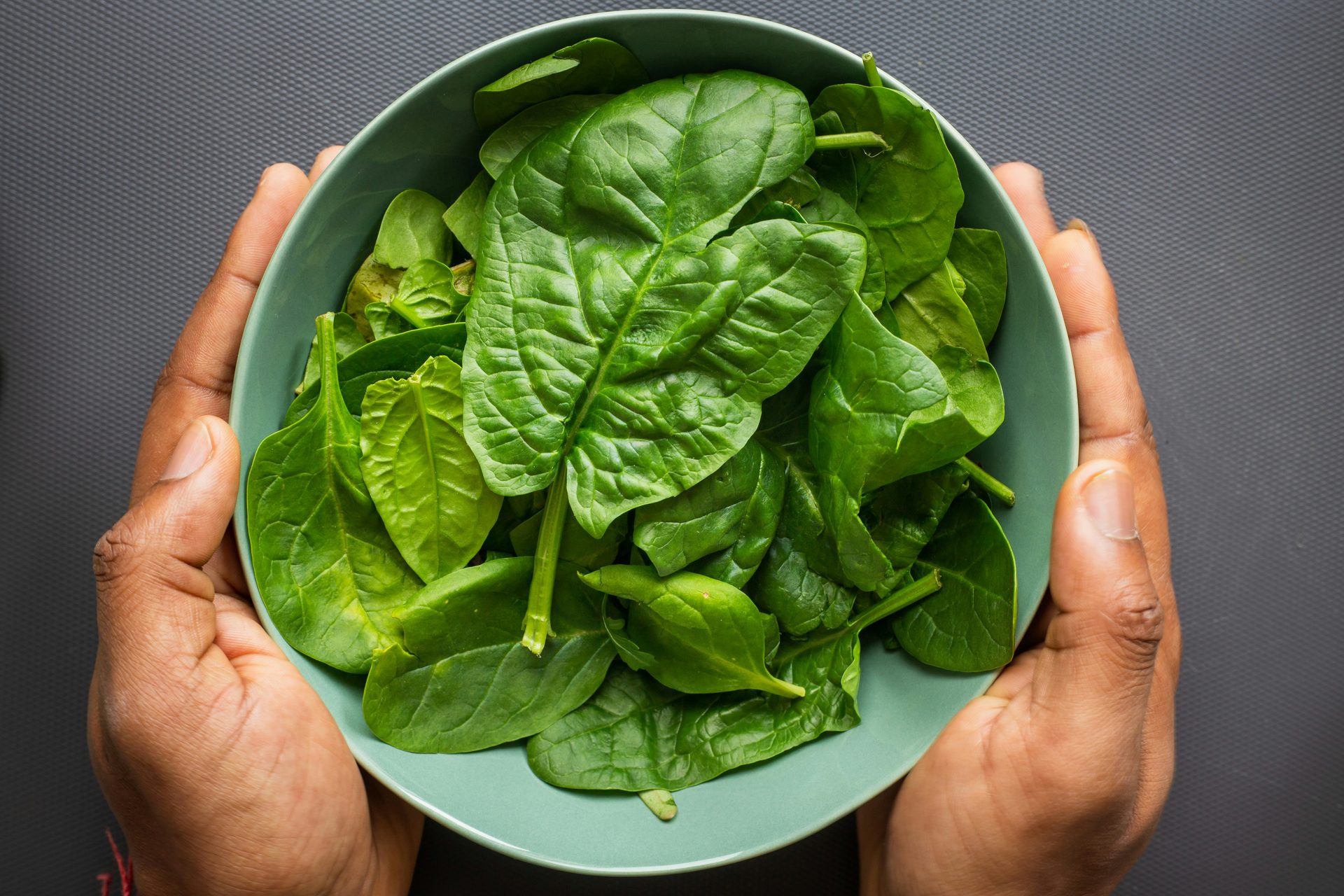
If you’ve ever watched a bag of spinach turn into a slimy mess in the back of your fridge, you already know the frustration. You bought it with the best intentions, and now it’s headed straight for the trash. The good news: you can freeze fresh spinach and kale for smoothies, and doing it right takes less than ten minutes.
Freezing these greens is one of the most practical food storage habits you can build. It cuts waste, saves money, and means you always have a smoothie-ready supply of nutrient-dense greens on hand — no last-minute grocery runs required. This guide covers everything you need to know, from the best freezing method to how long your greens will last and when to toss them.
Can You Freeze Spinach and Kale?
Freezing spinach, kale, and other leafy greens is a great way to extend their shelf life and reduce waste while preserving nutrients. Both greens hold up well in the freezer, especially when you plan to blend them into smoothies rather than eat them raw.
Spinach (Spinacia oleracea) and kale (Brassica oleracea var. sabellica) are two of the most popular greens for smoothies in the United States, and both respond well to freezing. If you’re just starting out with green smoothies, spinach or baby spinach has a more mild flavor. Kale brings a bolder, earthier taste that many people prefer once they’ve gotten used to green smoothies.
Learning how to freeze kale and greens for smoothies, muffins, soups, and more can be a total game changer — it not only prevents food waste, but it makes the greens taste less “green.” That’s a win on every front.
Pro Tip: Freeze half your kale or spinach as soon as you get home from the store. That way, even if you forget about the rest, you won’t lose the whole bag.
Does Freezing Change the Texture or Taste of Spinach and Kale?
Yes — but for smoothies, the change actually works in your favor. Frozen kale can taste slightly different than fresh kale, mainly because freezing softens the leaves. Once thawed or cooked, the texture is less crisp and more tender, which makes it better suited for smoothies, soups, stews, and sautéed dishes rather than salads.
Freezing totally knocks down the “green” flavor to virtually guarantee that your kale smoothie won’t actually taste like kale. That’s especially useful if you’re trying to sneak greens into a smoothie for picky eaters — or if you just prefer a milder flavor yourself.
Freezing your spinach does not change the taste. You can use it just as you would any cooked spinach. The texture shift is the main difference, and since smoothies blend everything anyway, it’s a non-issue. The only recipe frozen greens would not work in is a salad or a recipe where you need fresh greens — the texture of kale, spinach, or greens changes once frozen and then thawed.
One important note: freezing is not going to make the spinach any better than it is when it goes into the freezer. Start with fresh, vibrant leaves for the best results.
How to Freeze Spinach and Kale the Right Way
There are three main methods, and the best one depends on how you plan to use your greens. All three work well for smoothies.
Method 1: Whole Leaves in a Freezer Bag (Easiest)
You simply need to wash, dry, remove the leaves from the stems, and place them into a freezer bag. No blanching required. This is the fastest approach and works great when you want to grab a handful and toss it straight into the blender.
- Rinse the spinach or kale thoroughly under cold water.
- Dry the leaves completely using a salad spinner or by patting with a clean towel. Be sure to pat the leaves as dry as possible so that ice doesn’t form on them.
- Wash kale thoroughly and de-stem the leaves from the thick stems. Chop the leaves into medium-sized pieces or leave them whole, depending on how you plan to use them later.
- Remove as much air as possible, seal, and place flat in the freezer.
Choose fresh, vibrant leaves — older or yellowing kale leaves don’t freeze as well and can have a stronger, more bitter flavor.
Method 2: Spinach or Kale Cubes (Best for Smoothies)
Freezing spinach into cubes is a convenient and efficient way to preserve this nutrient-rich leafy green for your next green smoothie. This method ensures your smoothie won’t have any leafy chunks and takes up the least amount of space in your freezer.
- Add spinach and water to a high-speed blender. Blend until perfectly smooth and no spinach bits remain. Pour directly into an ice cube tray.
- Place the ice cube tray in your freezer until the spinach cubes are frozen solid — about 4 hours.
- Transfer the frozen spinach cubes to a freezer-safe bag or container. Label with the date for easy tracking.
You can also make this same recipe with kale. Blend the whole veggie, even the stems, and use it in your green smoothies. When ready to use, toss 6 cubes into the blender for any smoothie recipe that calls for 1 cup of spinach.
Method 3: Smoothie Packs (Best for Meal Prep)
Smoothie kits are basically individual bags filled with your smoothie ingredients. When you’re ready to make your smoothie, you just dump the bag in your blender, add liquid, and blend. This is ideal if you make smoothies regularly and want to cut your morning prep down to under a minute.
Portion out your greens along with frozen fruit, seeds, or other smoothie add-ins into individual quart-size freezer bags. Label each bag with the date and blend straight from frozen when you’re ready.
Pro Tip: If you use the cube method, silicone ice cube trays make it much easier to pop the cubes out without cracking the tray or breaking the cubes.
Should You Blanch First?
Blanching is optional for smoothie use, but it does offer some benefits. Spinach and other greens can be blanched before freezing — this helps retain the color and nutrition. Blanching kale before freezing can help preserve color and texture, especially if you plan to use it in cooked dishes. This step isn’t required for smoothies.
From a food safety perspective, it is better to lightly steam or blanch almost any vegetable, including leafy greens, before freezing. This process helps kill off any potentially harmful bacteria that could grow even in the freezer. That said, many home cooks skip this step for smoothies without any issues.
How Long Can You Freeze Spinach and Kale?
Storage times vary depending on the method you use and whether you blanch first. Here’s a quick comparison:
| Method | Estimated Freezer Life | Best Used For |
|---|---|---|
| Raw whole leaves (no blanching) | Up to 6–12 months | Smoothies, soups, sautés |
| Blended cubes (raw or lightly steamed) | 2–3 months | Smoothies, soups, stews |
| Blanched whole leaves | Up to 12 months | Cooked dishes, soups, quiches |
Properly frozen kale lasts up to 6 months. For the best taste and nutrient retention, try to use it within this timeframe, keeping it stored in airtight, freezer-safe bags. Some sources note it can last up to a year when blanched and stored correctly, though quality does decline over time.
According to the USDA Food Safety and Inspection Service , freezing preserves food for extended periods because it prevents the growth of microorganisms that cause both food spoilage and foodborne illness. Freezing to 0°F inactivates any microbes — bacteria, yeasts, and molds — present in food. The University of Minnesota Extension also notes that for the best quality, frozen fruits and vegetables should be used within 8 to 12 months — this is a quality versus food safety issue.
For other produce you may want to freeze, the same general guidelines apply: freeze fresh, store airtight, and label with the date.
How to Thaw Frozen Spinach and Kale
Here’s the best part about freezing greens for smoothies: you usually don’t need to thaw them at all. The kale can be used directly from the freezer for the smoothie — no need to thaw. You can also use it in soups and other recipes straight from the freezer.
If you have a high-powered blender, it’ll have no problems liquefying a frozen cube, so you can add it directly without defrosting. For standard blenders, letting the cubes sit for five minutes before blending can help.
If you do need to thaw — for baked goods, for example — frozen kale thaws very quickly, so it does not need to be thawed when adding it to smoothies, soups, and stews. If you are planning to blend it into a muffin or pancake batter, thaw it so you can drain off any excess water the plant released. Added moisture can result in mushy baked goods.
To thaw in the refrigerator, move the portion you need from the freezer the night before. Once thawed, use it within 24 hours and do not leave it at room temperature for more than two hours.
Can You Refreeze Spinach and Kale After Thawing?
Technically yes, but it’s not ideal. Many vegetables are safe to refreeze. However, they lose much of their texture, flavor, and appearance even if ice crystals are still present in the package.
Each freeze-thaw cycle allows additional large ice crystals to form, causing further cell damage and quality loss. If food was thawed in the refrigerator, it is technically safe to refreeze (with quality loss), but if it was thawed at room temperature or left out, refreezing creates a food safety risk.
The smarter approach: freeze in small, single-use portions from the start. Repeated thawing and refreezing significantly degrades the quality of frozen spinach. If you only need a portion, break off the desired amount while it’s still frozen and return the rest to the freezer immediately. The cube method and smoothie packs both make this easy.
Important Note: The USDA recommends that if you have any doubt about how food was thawed, cook it before refreezing. Greens thawed at room temperature for more than 2 hours should be discarded, not refrozen.
How to Use Frozen Spinach and Kale (Best Uses After Freezing)
Frozen spinach and kale are incredibly versatile. While they won’t work in a fresh salad, they shine in almost every other application. These greens pair well with other whole plant-based foods and can be worked into your diet in more ways than you might expect.
- Green smoothies: The most popular use. Frozen kale is great for adding to smoothies — just go ahead and toss a handful into your blender with the rest of your fruits and vegetables.
- Soups and stews: Once you freeze your spinach or kale into cubes, it’s very easy to use them later in smoothies, soups, stews, or pasta dishes.
- Sautés and stir-fries: Add frozen spinach directly to a hot pan with olive oil and garlic. It wilts quickly and works exactly like fresh cooked spinach.
- Egg dishes: Stir thawed, drained greens into scrambled eggs, frittatas, or omelets.
- Pasta sauces: Blend frozen spinach cubes into tomato sauce or pesto for an easy nutrient boost.
- Muffins and pancakes: Thaw and drain before blending into batter for green-tinted baked goods that kids often love.
Spinach and kale are also recognized as superfoods for heart health and appear on lists of powerful nutrients and foods that support cancer prevention. Having them frozen and ready means you’re more likely to actually use them. They also support fibroid-healing nutrition and appear among foods that support liver function.
For a simple starting point, use 2–3 spinach cubes per smoothie. They combine well with almond milk, frozen pineapple, frozen mango, and chia seeds. You can also check out ideas for freezing other vegetables like zucchini to build out a full freezer-friendly smoothie pantry.
Signs That Frozen Spinach or Kale Has Gone Bad
Frozen greens don’t spoil in the same way fresh greens do, but quality can deteriorate to the point where they’re not worth using. Here’s what to look for before you blend:
- Freezer burn: Freezer burn appears as dry, whitish or grayish patches on the surface of the spinach. This is a sign of dehydration and oxidation. While freezer burn doesn’t make the spinach unsafe to eat, it will affect the texture and flavor.
- Large ice crystals or thick ice buildup: A small amount of ice crystals is normal. However, large ice crystals or a thick layer of ice indicate that the spinach has been exposed to temperature fluctuations or wasn’t properly packaged. This can cause the spinach to become waterlogged and mushy.
- Off smell: While frozen spinach doesn’t have a strong odor, any unusual or off-putting smells are cause for concern. If the spinach smells sour, musty, or otherwise unpleasant, it’s likely spoiled.
- Hard, dense clumping: Excessively large, hard clumps suggest that the spinach has thawed and refrozen, which affects its quality and can promote bacterial growth.
- Dull, shriveled appearance: According to Healthline , frozen vegetables may appear more dull, dry, or shriveled when freezer burn has set in significantly.
When in doubt, trust your senses. Once thawed, microbes can again become active, multiplying under the right conditions to levels that can lead to foodborne illness. Since they grow at about the same rate as microorganisms on fresh food, you must handle thawed items as you would any perishable food.
To prevent early spoilage, ensure that the spinach is tightly sealed in an airtight container or freezer bag to prevent freezer burn and moisture loss. Labeling each bag with the date you froze it makes it easy to rotate your stock and use the oldest portions first.
Frequently Asked Questions
Do You Need to Wash Spinach and Kale Before Freezing?
Spinach should always be washed before freezing to remove dirt, pesticides, and bacteria. Rinse it thoroughly under cold water, then pat dry with a clean towel or use a salad spinner to remove excess moisture. The same applies to kale.
Can You Freeze Baby Spinach?
Yes, full size or baby spinach freeze really nicely and can be used similarly. Baby spinach has a slightly milder flavor, which makes it a good starting point if you’re new to green smoothies.
Does Freezing Destroy the Nutrients in Spinach and Kale?
Freezing spinach locks in nutrients like iron, fiber, and vitamins A and C, ensuring you always have a healthy boost ready for smoothies, soups, or sautés. Some minimal nutrient loss occurs over time, but frozen greens are still highly nutritious — often more so than fresh greens that have been sitting in the fridge for several days. You can learn more about nutrient-rich foods for skin health and foods that support healthy eyesight, many of which overlap with leafy greens.
Can You Freeze Store-Bought Bagged Spinach or Kale?
You can freeze kale and bagged spinach so you can keep it on hand without it getting gross and stinky in the back of your refrigerator. Keep in mind that bagged store spinach is not always as fresh as garden-picked. Watch closely for any withered leaves or spoilage before freezing.
Can You Mix Spinach and Kale Together Before Freezing?
Yes. You can portion the kale and spinach out together or just place it all into one or two freezer bags and take out what you need when you need it. Mixing them works especially well with the cube method — blend both greens together with water and freeze in a single tray.
What’s the Best Blender for Frozen Greens?
A high-speed blender handles frozen greens most efficiently. If you have a high-powered blender, it’ll have no problems liquefying a frozen cube, so you can add it directly without defrosting. Standard blenders work too — just let the cubes soften for a few minutes first or add a bit of extra liquid to help things along.