Can You Eat Avocado While Pregnant? Benefits, Risks, and How Much Is Safe

April 22, 2026
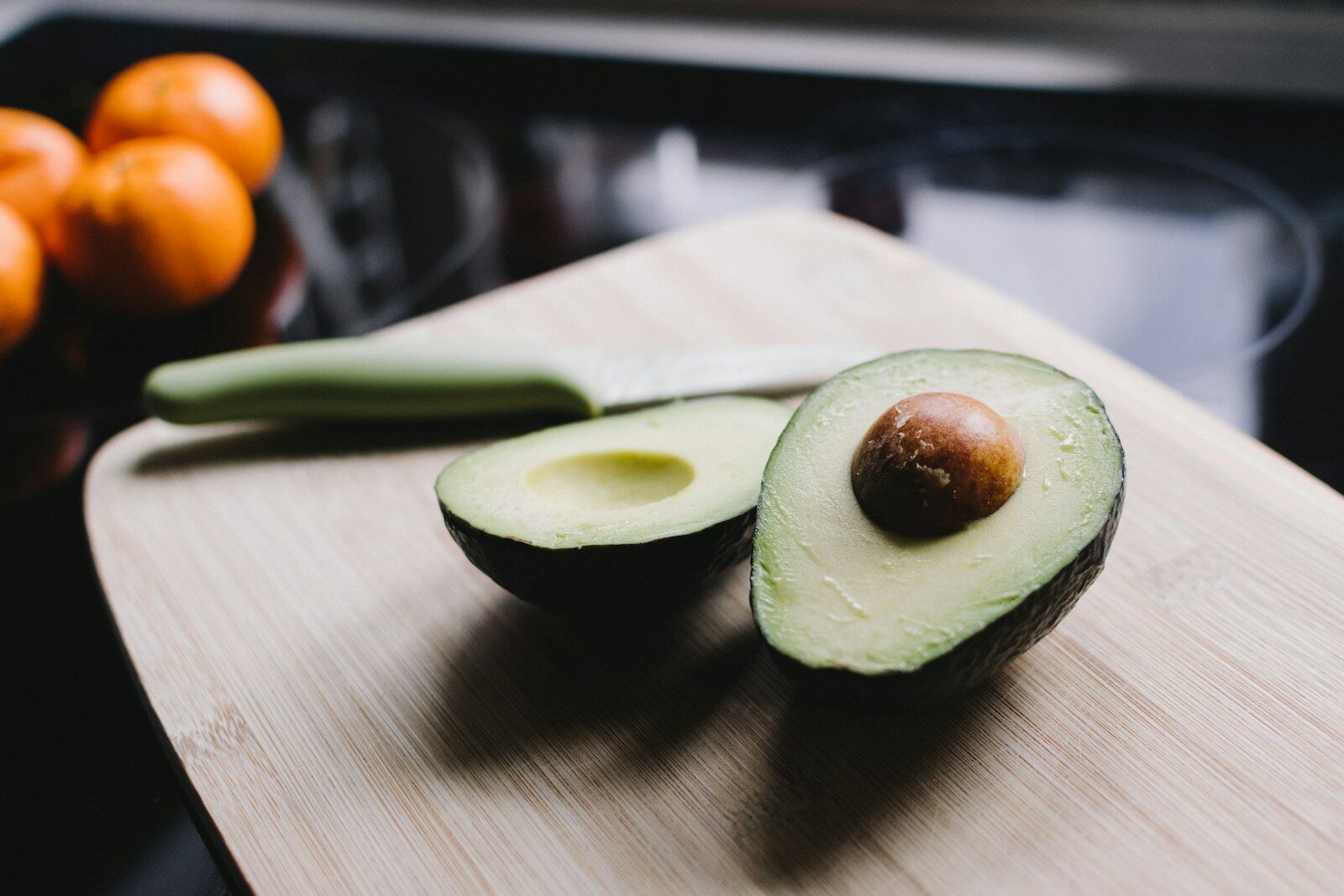
You’re standing in the kitchen, avocado in hand, and suddenly second-guessing everything you thought you knew about food. Pregnancy changes the way you look at what you eat — and for good reason. But when it comes to avocado, you can breathe easy.
Avocado is not just safe during pregnancy — it’s one of the most nutrient-dense foods you can add to your plate. Packed with folate, healthy fats, fiber, and key minerals, it checks nearly every box for what your growing baby needs. Still, there are a handful of situations where caution applies, and knowing the full picture helps you eat with confidence.
Pro Tip: If you’re already taking a prenatal vitamin, avocado makes an excellent whole-food complement — not a replacement — for your folate and magnesium needs.
The Short Answer
Yes, you can eat avocado while pregnant. In fact, avocados are highly recommended during pregnancy due to their rich nutritional profile, which supports both maternal health and fetal development. Most nutrition experts and healthcare providers consider avocado one of the best whole foods for expectant mothers.
There are no compounds in the avocado fruit that are known or suspected to cause pregnancy complications, and there is no particular reason to avoid avocado fruits during pregnancy — unless a specific health condition applies to you (more on that below).
The bottom line: enjoy avocado freely as part of a balanced pregnancy diet, with a few simple precautions around portion size, ripeness, and any pre-existing allergies or medications.
Why It’s Safe
Avocado earns its place on your pregnancy plate because of what it delivers nutritionally. Avocados are a concentrated source of many nutrients needed in high amounts during pregnancy, including vitamin C, folate, and magnesium. These aren’t just nice-to-haves — they’re critical to your baby’s development at every stage.
Here’s a breakdown of the key nutrients avocado provides and why each one matters during pregnancy:
- Folate: Avocados are rich in folate, a crucial nutrient that helps prevent neural tube defects in the developing fetus. Adequate folate intake is vital during the first trimester when the neural tube is forming and is essential for fetal brain and spine development.
- Healthy Fats: Avocados contain a lot of healthy fats, which are monounsaturated fats that improve heart health, regulate blood sugar levels, and create a feeling of fullness between meals.
- Fiber: Just half an avocado (about 100 grams) provides 7 grams of fiber for the body, accounting for 25% of the total fiber value that pregnant women are recommended to supplement daily.
- Potassium: Avocados have more potassium by weight than most other fruits and vegetables — roughly 250 milligrams per 50g serving — and are sodium-free, which can help pregnant women meet the recommendations of the Dietary Guidelines for Americans.
- Lutein & Carotenoids: Lutein and zeaxanthin are critical for proper eye development in utero, making them key carotenoids for fetal development especially in the third trimester. These particular carotenoids are either not present in, or not well absorbed from, most fruits and vegetables; however, they are both present in avocados and well-absorbed due to the fatty acid content.
- Choline: One of the key components in ensuring proper brain development in the fetus is choline. This element is essential in developing a strong nervous system and a proper network of nerves throughout the body. A single serving of avocado has about 22mg of choline.
- Vitamins C, E, K & B6: Avocados are a storehouse of vital vitamins like C, E, K, and B-6, along with riboflavin, niacin, folate, pantothenic acid, and magnesium.
Adding fiber-rich foods like avocados to your diet during pregnancy may help reduce the risk of gestational diabetes and preeclampsia. That’s a meaningful benefit for your long-term pregnancy health, not just your daily nutrition.
Key Insight: Avocado’s healthy fats don’t just benefit you — they help your body absorb fat-soluble vitamins A, D, E, and K from other foods you eat alongside it. Learn more about the full nutritional profile of avocado, including its seeds and oils.
What the Research Actually Says
The scientific case for avocado during pregnancy has grown considerably in recent years. A landmark study published in Pediatric Research added a striking new dimension to what we already knew about this fruit’s benefits.
A study published in Pediatric Research found that eating avocados while pregnant could lower your baby’s risk of developing food allergies by the time they turn one. Researchers looked at data from more than 2,200 pregnant individuals and found that those who ate at least one avocado during either their first or third trimester had 43.6% lower odds of reporting food allergies in their children at 12 months — even after accounting for factors like age, diet, breastfeeding, and lifestyle.
The science behind this lies in “maternal exposures,” or how what a pregnant person eats can help shape their baby’s developing immune system and GI tract. This research is the first of its kind to connect avocado consumption specifically to infant allergy outcomes.
Earlier research from the National Institutes of Health (PMC) reinforced avocado’s role in maternal nutrition. A maternal Mediterranean-style diet — which emphasizes healthy fats and fiber-rich produce — has been associated with significantly improved health outcomes, including up to a 90% lower risk for preterm delivery. Avocados fit squarely into that dietary pattern.
During pregnancy, eating plenty of potassium-rich foods like avocados can help reduce the risk of developing gestational hypertension. A 2013 study in 263 pregnant women demonstrated that those who consumed 250 to 300 more milligrams of potassium per day had a significantly reduced risk of developing high blood pressure during pregnancy.
Additionally, lutein and zeaxanthin in avocados are well-absorbed due to their fatty acid content. Carotenoid absorption has been shown to be improved by 5–15 times when avocado is present in a salad, compared to an avocado-free salad. This “nutrient multiplier” effect makes avocado especially valuable when eaten alongside other vegetables. You can read more about how whole plant-based foods work together to enhance your nutrition.
Key Insight: The 2025 KuBiCo study — the first of its kind — found that avocado consumers during pregnancy had 43.6% lower odds of reporting food allergy among their children at the 12-month follow-up, compared to non-consumers. While more research is needed to confirm causation, the finding is compelling.
How to Do It Safely
Since avocado gets a clear green light during pregnancy, the focus shifts to how you eat it. A few practical guidelines will help you get the most benefit while avoiding any unnecessary risks.
Safe Amounts by Trimester
It’s best to restrict yourself to one avocado on a daily basis to avoid any side effects. Half an avocado is a comfortable daily serving for most pregnant women, while a whole avocado per day is generally well-tolerated by those without digestive sensitivities.
- First Trimester: Incorporating avocado into your diet during the early stages of pregnancy is highly recommended due to its rich folate content. Adequate folate intake is crucial in the initial phase of pregnancy to help prevent neural tube defects, which are serious birth defects of the brain and spine. The healthy fats may also help ease nausea.
- Second Trimester: Continue enjoying avocado regularly. Its magnesium and potassium content supports healthy blood pressure as your blood volume increases. Heart-healthy foods like avocado are especially valuable during this phase.
- Third Trimester: The third trimester is a stage in pregnancy where the fetus is still undergoing quite some growth. The organs are speedily taking shape, and the brain is also steadily developing. During this phase, a lot of nutrients and minerals are required, especially fibers, vitamin C, and vitamin K — all of which are present in avocados in large amounts.
Prep and Selection Tips
How you handle and prepare avocado matters as much as how much you eat. Follow these simple steps to keep things safe:
- Wash before cutting. Thoroughly wash avocados with clean water before eating to ensure they are free of chemicals and dirt. Bacteria on the skin can transfer to the flesh during slicing.
- Choose ripe fruit. Avocados should be picked when they are ripe and feel soft to the touch but not mushy. This will guarantee that the avocado’s flavor and nutrient content are at their best.
- Discard overripe avocados. Do not eat avocados that are overripe or spoiled, as they may contain harmful bacteria that can cause foodborne illness.
- Store correctly. Store avocados at room temperature until they are ripe, then transfer to a cooler place so that they do not ripen too early.
- Consider organic. If possible, choose organic avocados so they are chemical-free. Since avocados have thick skins, this is less critical than with thin-skinned produce — but it’s worth considering.
Easy Ways to Add Avocado to Your Pregnancy Diet
Avocados have a mild flavor and creamy texture, which makes them a perfect fit for both sweet and savory recipes. You can add sliced avocado to your egg and veggie omelet, spread it on whole-grain toast, blend it into smoothies, or stir it into a simple grain bowl. Avocado also supports healthy skin, which is a welcome bonus during pregnancy when your skin is under extra strain.
Pro Tip: Squeeze a little lemon or lime juice over cut avocado to slow browning and preserve its vitamin C content — a win-win for freshness and nutrition.
When to Avoid It Completely
For most pregnant women, avocado is entirely safe. But there are specific situations where you should pause, reduce intake, or skip it altogether. These are not common, but they’re important to know.
Known Avocado or Latex Allergy
People who are sensitive to latex can have an allergic reaction to avocado. This is known as latex-fruit syndrome. An allergen cross-reactivity has been shown with avocado, melons, peaches, bananas, chestnuts, tomatoes, potatoes, and kiwi fruits and natural rubber latex. If you have a latex allergy or have previously reacted to any of these foods, speak to your doctor before eating avocado during pregnancy.
Hypersensitivity to avocado has been described and includes rare instances of anaphylaxis. Manifestations of allergy to avocado may be limited to the mouth or throat — such as oral allergy syndrome with itchy mouth, throat, and swollen tongue — or may include generalized symptoms such as wheezing, chest tightness, abdominal cramping, and diarrhea.
Taking Blood-Thinning Medications (e.g., Warfarin)
Avocados contain a high amount of vitamin K, which can interfere with blood-thinning medications such as warfarin. Pregnant women on such medications should consult their healthcare provider before increasing avocado intake. Avocado has been reported to decrease the effects of warfarin. Decreasing the effects of warfarin might increase the risk of clotting.
Digestive Sensitivity or IBS
Overconsumption of avocados can lead to gastrointestinal discomfort, including bloating, gas, or diarrhea. This is particularly relevant if you have a sensitive digestive system. If your stomach is already sensitive during pregnancy, start with small amounts and monitor how you feel.
Excessive Caloric Intake Concerns
Although avocados are generally considered safe to eat while pregnant, it is advised to keep consumption to a minimum for some. Consuming excessive amounts of avocado may result in weight gain and digestive issues. One avocado contains approximately 240 calories, so if you’re managing gestational weight gain closely, factor that into your daily intake. For a broader look at what to watch out for in your pregnancy diet, it helps to see the full picture.
Important Note: If you experience any itching, swelling, hives, or breathing difficulty after eating avocado, stop immediately and contact your healthcare provider. Allergic reactions during pregnancy require prompt attention.
Quick Reference Chart
Use this chart to scan avocado’s pregnancy safety status at a glance — by situation, trimester, and preparation method.
| Situation / Scenario | Status | Notes |
|---|---|---|
| Healthy pregnancy, no allergies | ✅ Safe | Up to 1 whole avocado per day is well-tolerated |
| First trimester | ✅ Safe & Recommended | Folate is especially critical for neural tube development |
| Second trimester | ✅ Safe & Recommended | Potassium and magnesium support blood pressure regulation |
| Third trimester | ✅ Safe & Recommended | Fiber, vitamin K, and lutein support brain and organ development |
| Known latex allergy | ⚠️ Use Caution / Avoid | Cross-reactivity risk (latex-fruit syndrome); consult your doctor |
| Taking warfarin or blood thinners | ⚠️ Use Caution | Vitamin K in avocado may reduce medication effectiveness |
| Sensitive digestion / IBS | ⚠️ Use Caution | Start with small amounts; high fiber can trigger bloating or gas |
| Managing gestational weight gain | ⚠️ Moderate | ~240 calories per avocado; account for this in your daily intake |
| Known avocado allergy | ❌ Avoid | Risk of allergic reaction including anaphylaxis in rare cases |
| Overripe or spoiled avocado | ❌ Avoid | May harbor harmful bacteria that cause foodborne illness |
| Unwashed avocado (pre-cut) | ❌ Avoid | Bacteria from skin can transfer to flesh during slicing |
For a broader look at foods that nourish your body during and after pregnancy, explore foods that support hormonal and uterine health, and consider brain-boosting foods that complement avocado’s choline content. You might also want to browse nutrient-rich foods with protective properties to round out your pregnancy nutrition plan.
Frequently Asked Questions
Can eating avocado help with morning sickness?
The healthy fats in avocados can help reduce nausea and vomiting, common symptoms during the first trimester of pregnancy. Their creamy texture and mild flavor make them easy to eat even when experiencing morning sickness. Try plain avocado on toast or blended into a mild smoothie when your stomach is unsettled.
How much avocado per day is safe during pregnancy?
Most nutrition experts recommend up to one whole avocado per day as a safe and beneficial amount. Moderation is always the key since avocados contain all types of nutrients, minerals, and oils in varying quantities. It’s best to restrict yourself to one avocado on a daily basis to avoid any side effects. Half an avocado is a practical daily target for most women.
Is avocado good in the first trimester specifically?
Incorporating avocado into your diet during the early stages of pregnancy is highly recommended due to its rich folate content. Adequate folate intake is crucial in the initial phase of pregnancy to help prevent neural tube defects, which are serious birth defects of the brain and spine. Consuming avocados in early pregnancy can significantly contribute to meeting the increased folate requirements of pregnant women.
Can avocado reduce my baby’s risk of food allergies?
According to new research from the Kuopio Birth Cohort in Finland, mothers who ate avocados during pregnancy had babies who were less likely to develop food allergies by their first birthday. The study found that moms who ate any amount of avocado during pregnancy had 43.6% lower odds of having a child diagnosed with a food allergy at 12 months. That said, no single food can guarantee protection from allergies. Eating a balanced, varied diet full of vegetables, fruits, whole grains, and healthy fats is still the best approach.
Is avocado safe if I have gestational diabetes?
Avocados are low in carbs and rich in fiber and healthy fats, making them a great choice for pregnant people with high blood sugar or diabetes. Eating avocados may help lower post-meal blood sugar levels in people with high blood sugar levels. Always discuss significant dietary changes with your healthcare provider. You can also explore liver-supportive foods that pair well with a blood-sugar-conscious pregnancy diet.
Can I use avocado oil on my skin during pregnancy?
Yes, it is generally safe to use avocado-based skincare products during pregnancy. Avocado oil is rich in vitamins and fatty acids, which can help keep your skin hydrated and reduce stretch marks. Stick to topical-use products and avoid ingesting avocado oil in large medicinal amounts during pregnancy.
What if I’ve never eaten avocado before — is it safe to start now?
Yes, starting to eat avocado during pregnancy is perfectly safe for most women. Introduce it gradually to see how your digestive system responds, especially if you’re new to high-fiber foods. Some individuals may have an allergy to avocados, which can manifest as itching, swelling, hives, or even more severe reactions such as difficulty breathing. If you suspect an avocado allergy, it’s important to consult with your healthcare provider.
Want to explore more foods that work for you during pregnancy? Check out foods that support healthy eyesight — many of which pair beautifully with avocado — and browse our guide to the pros and cons of eating seafood during pregnancy for another common pregnancy food question answered.
This information is for educational purposes only and is not intended as medical advice. Always consult with a qualified healthcare professional before making significant changes to your diet during pregnancy.