Can You Freeze Nuts and Seeds? Everything You Need to Know

November 1, 2026
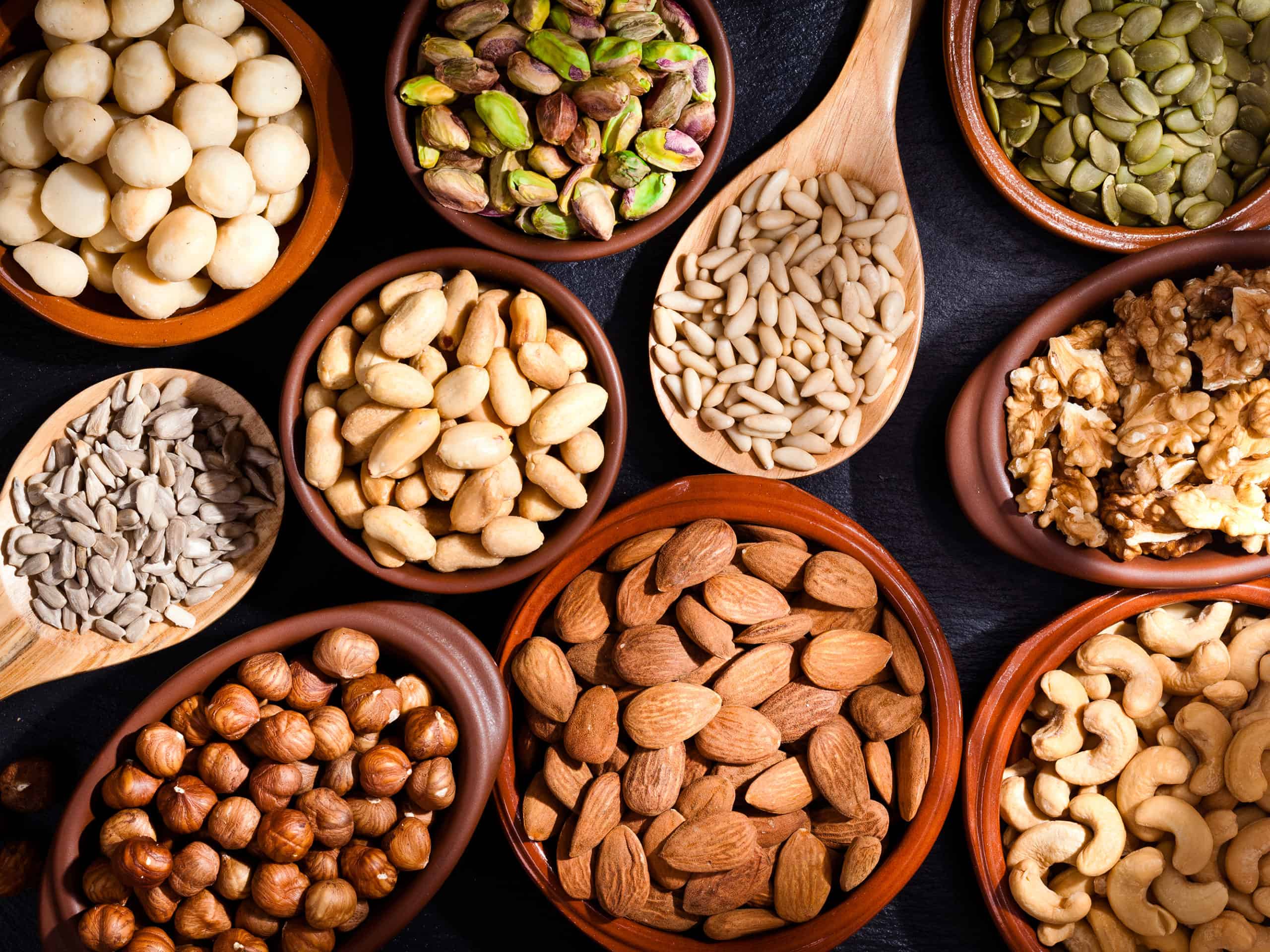
Most Americans keep nuts and seeds in a pantry cabinet — and most of them go stale or rancid long before the bag is empty. Nuts and seeds are high in heart-healthy unsaturated fats, and those delicate oils can decompose with exposure to light, heat, or even oxygen. The freezer solves this problem completely, and it works better than most people expect.
You can freeze nuts and seeds long-term to prevent the oils in them from going rancid or becoming stale, and various frozen nuts and seeds will stay fresh in the freezer for one to three years with proper handling and preparation. Whether you bought a bulk bag at Costco, stocked up during a sale, or simply aren’t going through your supply fast enough, freezing is the smartest storage move you can make.
This guide covers everything you need to know — from how freezing affects taste and texture, to step-by-step freezing instructions, thawing tips, and how to tell when something has gone bad.
Can You Freeze Nuts and Seeds?
Yes — freezing nuts and seeds is not only safe but widely recommended for anyone who buys in bulk or doesn’t use them quickly. Freezing significantly extends the shelf life of nuts and seeds by slowing down the oxidation process of their natural oils, which causes rancidity. Stored in airtight containers, freezing can preserve their freshness and flavor for over a year, compared to a few months at room temperature.
Nuts do not actually freeze solid, even in the freezer, because their water content is very low. This is what makes them ideal candidates for long-term freezer storage — unlike high-moisture foods, they don’t suffer the cell damage that leads to mushy textures after thawing. You can freeze virtually every common nut and seed variety, including almonds, walnuts, pecans, cashews, peanuts, sunflower seeds, pumpkin seeds, chia seeds, sesame seeds, and flaxseeds.
Nuts are prone to spoiling due to their high content of natural oils, and those same oils are also found in seeds like flax, hemp, chia, sesame, sunflower, and pumpkin seeds, making them equally susceptible. Freezing puts the brakes on that process. If you buy nuts and seeds from bulk bins at stores like Whole Foods or Trader Joe’s, moving them to the freezer as soon as you get home is especially smart since you don’t always know how long they’ve been sitting out.
Pro Tip: If you harvest your own nuts or buy from farmers market bulk bins, place them in the freezer for 48 hours first. This kills any insects or eggs that may be present before you commit to long-term storage.
Does Freezing Change the Texture or Taste of Nuts and Seeds?
Due to their high-fat and low-moisture content, nuts freeze marvelously with little to no consequence to their taste or that satisfying crunch. This is one of the biggest advantages nuts and seeds have over most other frozen foods. You don’t need to worry about a soggy or mushy result when you pull them out of the freezer.
Frozen nuts thaw quickly and can go straight into recipes or be eaten as-is within minutes. There’s no meaningful texture change from freezing most varieties. The key is keeping them in a sealed container while they come to room temperature, so condensation doesn’t form on the nuts themselves and introduce unwanted moisture.
Flavor holds up equally well. Cook’s Illustrated tested whether freezing toasted nuts affects their texture by heating them in a dry skillet until slightly darkened, then froze them in airtight bags. Even after a month, the frozen nuts tasted just as wonderful as their freshly toasted counterparts. If anything, freezing locks in peak flavor rather than letting it fade over weeks on a pantry shelf.
One minor caveat: if you are freezing or storing your nuts in the refrigerator, allow them to warm to room temperature before eating them. This lets them dry from any moisture created by chilling. Skipping this step won’t ruin the nuts, but letting them warm up sealed gives you the best texture and crunch.
How to Freeze Nuts and Seeds the Right Way
Priority one for freezing nuts is to make sure they’re in an airtight container. Beyond that, the process is simple and requires no special equipment. Follow these steps for the best results:
- Start with fresh nuts or seeds. Proper storage and handling of nuts and seeds are essential to keep them fresh and edible. Never freeze nuts that already smell off or taste bitter — freezing won’t reverse rancidity.
- Choose the right container. Proper storage in the freezer is crucial. Nuts readily absorb odors, so store them in airtight, odor-proof packages such as vacuum sealer bags, mason jars, or Mylar bags. These options not only prevent oxygen exposure but also safeguard against the absorption of unwanted flavors and aromas.
- Minimize air inside the container. Fill the container as full as possible to reduce the amount of air, since air is what causes the oils in the nuts and seeds to oxidize. If using a freezer bag, press out as much air as you can before sealing.
- Store each variety separately. Store each kind of nut separately so the flavors won’t mingle, and also because some nuts last longer than others even when frozen.
- Label every container. Containers of nuts should be labeled either with their use-by date or with the date they were frozen. A piece of masking tape and a marker works perfectly.
- Place in the back of the freezer. The back of the freezer maintains a more consistent temperature than the door shelves, which experience temperature fluctuations every time you open the freezer.
Pro Tip: You can freeze nuts pre-toasted. Toast them in a dry skillet first, let them cool completely, then pack and freeze. They’ll be ready to use straight from the freezer with no extra prep needed.
If you want to go even further, vacuum sealing reduces oxygen levels significantly, and for complete oxygen elimination, adding a low-end oxygen absorber is recommended. This is especially useful if you’re storing large quantities for many months. For more on freezing cashew nuts specifically, that guide covers cashew-specific tips in detail.
How Long Can You Freeze Nuts and Seeds?
Freezer life varies by nut and seed type, primarily based on oil content. The more processed or exposed the nut or seed is, the faster it can go rancid. Nuts in the shell last the longest due to their natural barrier to air, light, and moisture. Shelled raw nuts are more exposed. Roasted nuts have a shorter shelf life because roasting accelerates oil breakdown. Chopped, sliced, or ground nuts spoil the fastest due to increased surface area.
Here’s a practical reference for common nuts and seeds:
| Nut or Seed | Pantry | Refrigerator | Freezer |
|---|---|---|---|
| Almonds | Up to 6 months | Up to 1 year | Up to 2 years |
| Cashews | Up to 6 months | Up to 6 months | Up to 1 year |
| Walnuts (shelled) | 2–4 weeks | 9–12 months | Up to 2 years |
| Pecans | 2–3 months | Up to 9 months | Up to 2 years |
| Peanuts | Up to 6 months | Up to 6 months | Up to 1 year |
| Pine Nuts | 1–2 months | Up to 6 months | Up to 9 months |
| Sunflower Seeds | Up to 3 months | Up to 6 months | Up to 1 year |
| Pumpkin Seeds | Up to 3 months | Up to 6 months | Up to 1 year |
| Chia Seeds | Up to 2 years | Up to 3–5 years | Up to 4–5 years |
| Sesame Seeds | Up to 3 months | Up to 6 months | Up to 1 year |
| Flaxseeds | Up to 3 months | Up to 6 months | Up to 1 year |
Cashews and almonds will last longest while pecans, peanuts, and walnuts are more apt to spoil sooner. Macadamia nuts, pine nuts, and Brazil nuts have a shorter shelf life, typically lasting only 3 to 6 months in the pantry and up to 6 to 9 months when refrigerated. Freezing extends these windows considerably for all varieties.
Chia seeds are an outlier — frozen chia seeds can last up to 4 years, making them ideal for long-term storage. Their naturally high antioxidant content gives them a much longer shelf life than most other seeds. Learn more about the broader nutritional benefits of seeds like papaya seeds, which are also worth storing properly.
How to Thaw Frozen Nuts and Seeds
Thawing is straightforward, and in many cases you don’t need to thaw at all. Freezing is the best way to preserve nuts long-term. When you’re ready to use them, just take what you need — no need to thaw. This is especially true when you’re adding them directly to baked goods, smoothies, or hot dishes.
When you do want to thaw them for snacking or recipes where texture matters, follow this simple approach:
- Remove only what you need. Take out a single-use portion and leave the rest sealed in the freezer. Repeated temperature changes degrade quality faster.
- Keep the container sealed while thawing. Let nuts come to room temperature while their container is still sealed, so they won’t absorb any excess moisture. This prevents condensation from softening the exterior.
- Thaw at room temperature. Most nuts and seeds reach room temperature within 15 to 30 minutes. There’s no need to use the microwave or warm water.
- Use promptly after thawing. Once thawed, treat them like fresh nuts and use them within a few weeks, storing any remainder in the refrigerator.
If you want to restore some crunch after thawing, a quick toast in a dry skillet over medium heat for two to three minutes works well. Unlike rancid nuts, stale nuts that have lost their snappy texture can be revived to yummy crunchiness with a little roasting in a dry pan or oven.
Can You Refreeze Nuts and Seeds After Thawing?
Technically yes, but it’s not ideal. You should not try to refreeze nuts after thawing. This would seem to indicate that changes do occur as a result of freezing. Each freeze-thaw cycle introduces small amounts of moisture and accelerates oxidation, which chips away at both flavor and shelf life.
The practical solution is to portion your nuts and seeds before freezing. If you buy in bulk, freeze the main supply and keep a small working portion in the fridge. That way, you only pull out what you’ll actually use, and the rest stays undisturbed in the freezer. Small zip-top bags or reusable silicone bags work perfectly for single-use or weekly portions.
If you’ve already thawed a larger batch and can’t use it all, refrigerate the remainder and plan to use it within two to four weeks rather than refreezing. The quality will be fine — it just won’t last as long as it would have straight from the freezer.
Pro Tip: Portion nuts into weekly-use amounts before freezing. Label each bag with the date and variety. This eliminates any need to refreeze and makes grabbing a handful for your morning oatmeal or trail mix effortless.
How to Use Frozen Nuts and Seeds (Best Uses After Freezing)
Frozen nuts and seeds are just as versatile as fresh ones, and many uses don’t even require thawing. Here are the best ways to put your frozen stash to work:
- Baking: Add frozen nuts directly to muffin, cookie, or bread batter. The oven does all the work. Walnuts in banana bread, pecans in brownies, and almonds in granola bars all work perfectly straight from the freezer.
- Smoothies and smoothie bowls: Frozen seeds like chia, flax, and hemp blend seamlessly into smoothies without any thawing. They add protein, fiber, and healthy fats without changing the flavor.
- Salad toppings: Let nuts thaw at room temperature for 15 to 20 minutes, then scatter them over salads. A quick toast after thawing brings back full crunch.
- Oatmeal and yogurt: Stir frozen seeds directly into hot oatmeal — they thaw almost instantly in warm food. Sliced almonds or walnuts over Greek yogurt are equally easy.
- Nut butter: Thaw your frozen nuts completely, then blend in a food processor for fresh, homemade nut butter. Frozen almonds and cashews work especially well for this.
- Trail mix: Thaw a pre-portioned bag and combine with dried fruit, chocolate chips, or pretzels for a quick snack mix.
- Stir-fries and grain bowls: Toss frozen peanuts or cashews directly into a hot wok or skillet — they heat through in seconds.
Nuts and seeds are among the most nutrient-dense foods you can keep on hand. They show up in everything from heart-healthy eating plans to cancer-fighting diets and skin-supporting food lists. Keeping a well-stocked, properly frozen supply means you always have them ready when a recipe calls for them. You can also explore the specific health benefits of cashew nuts and watermelon seeds if you’re looking to diversify your stash.
Signs That Frozen Nuts and Seeds Have Gone Bad
Even in the freezer, nuts and seeds can eventually go bad — especially if they weren’t fresh when you froze them, or if the container wasn’t fully airtight. Knowing what to look for saves you from using spoiled ingredients in a recipe.
Smell is your most reliable indicator. Your nose is the most reliable tool for detecting rancid nuts. Fresh nuts smell mild and slightly sweet or buttery, while rancid nuts give off a sharp, paint-like or chemical odor that’s unmistakable once you know what to look for. Rancid nuts may smell like paint, putty, old crayons, or even nail polish remover. If you open a container and something smells off, trust that instinct.
Taste is the second check. A bitter, sour, or metallic taste is a clear sign of rancidity. Take a small bite of one nut or seed. If it tastes sharp, unpleasant, or just “off,” the batch has turned.
Visual signs can also tip you off, though they’re not always present. Nuts that have darkened significantly from their original color, especially around the edges, may be further along in oxidation. Shriveling is another sign: as nuts lose moisture and their oils degrade, they dry out and shrink. If you see any dark spots, fuzzy coating, or white-green mold, that’s a separate problem entirely. Mold is a food safety issue and means the nuts should be thrown out immediately, regardless of smell.
Texture changes can signal staleness, which is different from rancidity. Stale nuts are not the same as rancid nuts. Stale nuts have lost their crunch and freshness due to absorbing moisture or being exposed to air. They may taste a bit flat or chewy, but they’re still safe to eat. Stale nuts can often be revived with a quick toast; rancid nuts cannot.
Important Note: Heating rancid nuts doesn’t reverse or neutralize the oxidation. In fact, heat accelerates the same chemical reactions that caused the rancidity in the first place, producing additional harmful breakdown products. If nuts smell or taste rancid, discard them rather than trying to salvage them by toasting.
For seeds specifically, smell offers a clear warning sign. Fresh sunflower seeds have a mild, nutty aroma, while rancid ones smell off, paint-like, or reminiscent of putty. Visually, discolored kernels or seeds clumped together with a greasy film are additional indicators. The same applies to sesame, flax, and pumpkin seeds.
Frequently Asked Questions
Can you freeze nut butters?
Yes. Nut butters freeze well in airtight glass jars or freezer-safe containers. Leave a little headspace at the top since the butter may expand slightly. Thaw in the refrigerator overnight before using. Natural nut butters with no stabilizers benefit most from freezing since they go rancid faster than commercial varieties.
Do you need to shell nuts before freezing?
Whole nuts keep better than chopped, sliced, or ground nuts, and shelled nuts keep longer than nuts in the shell. Wait — that’s actually backwards from what many people expect. Nuts in the shell have a natural protective barrier, so they last even longer. That said, shelled nuts freeze perfectly well and are far more convenient to use. Freeze whichever form you’ll actually reach for.
Can you freeze mixed nuts?
You can, but storing varieties separately is better. Store each kind of nut separately so the flavors won’t mingle and also because some nuts, even if frozen, last for up to a year, while others can last up to two years in the freezer. Mixing varieties with different shelf lives means you’ll need to use the whole batch on the timeline of the shortest-lasting nut.
Is it safe to eat nuts straight from the freezer?
Yes. Frozen nuts thaw quickly and can go straight into recipes or be eaten as-is within minutes. They’re perfectly safe to eat cold, though most people prefer letting them reach room temperature for the best texture and flavor.
Does freezing affect the nutritional value of nuts and seeds?
Freezing benefits include halting the staling process, preserving nutrients, and preventing rancidity. In fact, freezing does a better job of preserving the healthy unsaturated fats in nuts than leaving them at room temperature, where those fats oxidize and break down over time. Nuts and seeds are a great addition to healing food plans and liver-supportive diets — and keeping them frozen ensures those nutritional benefits stay intact longer.
How do I know if nuts were already rancid before I froze them?
Always smell and taste a small sample before freezing. The most obvious indication is a change in smell. Rancid nuts often have a sour or paint-like odor. If you taste a nut and it has a bitter or unpleasant flavor, it’s likely gone off. Freezing rancid nuts will preserve them in their rancid state — it won’t fix the problem.
Freezing nuts and seeds is one of the simplest, most effective food storage habits you can build. Whether you’re stocking up on almonds from Costco, saving flaxseeds for your morning smoothie, or preserving a bag of pine nuts after a recipe, the freezer keeps everything fresh, flavorful, and ready to use. Pair proper freezer storage with airtight containers and good labeling habits, and your nuts and seeds will be in peak condition every time you reach for them. For more food storage tips, see our guide on freezing Dunkin’ Donuts donuts and explore the benefits of avocado seeds as another nutrient-dense option worth keeping on hand.